
Pruning
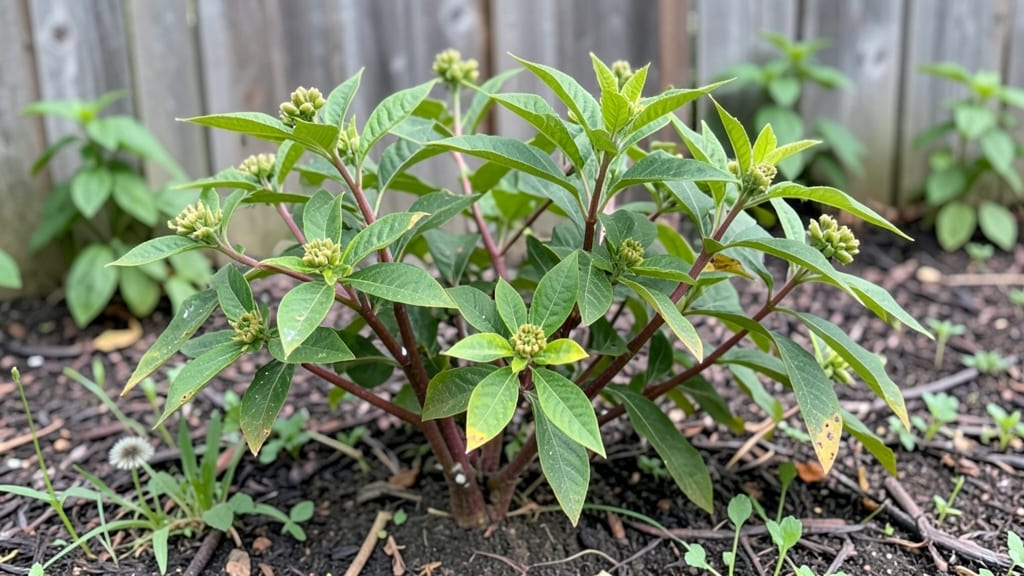
Growing a wild poinsettia tree in the Pacific Northwest means you can finally skip the plastic Christmas plants and enjoy fiery red foliage that thrives year-round. 🌿 These hardy shrubs (Euphorbia cyathophora) aren’t your grandma’s poinsettias—they’re tough, frost-resistant, and perfect for natural landscapes.
I’ve been cultivating mine for five years, and they’ve outlasted every other ornamental plant in my yard.
The secret lies in treating them like native plants: full sun, well-draining soil, and minimal fuss. They propagate easily from cuttings or seeds, and once established, they handle our wet winters and hot summers without complaint.
Unlike their cultivated cousins, these grow into small trees with striking foliage that lasts well beyond December.
You’ll end up with a low-maintenance shrub that blooms in late summer with tiny, insignificant flowers (don’t let the name fool you—the real star is the foliage).
The leaves turn vibrant red in cooler weather, and with proper pruning, you can shape them into a small tree or keep them bushy. They even attract pollinators year-round.
Best part? They’re pest-resistant and rarely need chemical treatments. Whether you’re replacing an old shrub or adding native texture to your garden, this is the poinsettia that actually belongs in the Pacific Northwest. Let’s get yours thriving!
📚 In This Guide
- What you need
- Instructions
- Tips and common mistakes
- Wrapping up and next steps
What you need
- ● Wild Poinsettia Seeds or Cuttings: 3–5 seeds (or 1–2 healthy cuttings from a frost-hardy source). Pro tip: 💡 Collect seeds in late fall or purchase from a reputable supplier specializing in PNW-native plants.
- ● Well-Draining Soil Mix: 50% native PNW soil + 50% perlite or coarse sand (10–15 gallons total). Why? Poinsettias hate soggy roots!
- ● 5–7 Gallon Pots: 2–3 pots with drainage holes (or a raised bed if planting outdoors).
- ● Pruning Shears: Sharp, sterilized shears (bypass style, 5–7 inches). ✨ Invest in a good pair—they’ll last years!
- ● Mulch: 2–3 inches of wood chips or straw (for frost protection).
- ● Watering Can or Hose with Nozzle: Gentle spray setting for seedlings.
- ● Grow Lights (LED, full-spectrum): 1–2 lights for indoor seedlings (12–14 hours/day). 🌡️ Critical if starting indoors before spring!
- ● Frost Cloth or Row Covers: 1–2 covers (5’x7’ each) for young trees in early frost.
- ● pH Test Kit: To check soil pH (ideal: 6.0–7.0). 🎯 Adjust with lime or sulfur if needed.
- ● Organic Fertilizer: Balanced 10-10-10 or compost tea (apply sparingly every 4–6 weeks).
- ● Support Stakes: 3–4 bamboo stakes (for taller trees in windy PNW climates).
- ● Gloves & Long-Sleeved Shirt: For thorny pruning sessions! 🛡️
Step-by-Step guide to growing and pruning wild poinsettia trees in the Pacific Northwest
Here’s how to cultivate these striking native plants while protecting them from frost and encouraging robust growth.
🌱 Step 1: Select and Prepare the Planting Site
Wild poinsettias (Euphorbia pulcherrima or related species) thrive in partial shade to full sun but need protection from harsh winter winds and frost. In the Pacific Northwest, choose a sheltered spot near a south-facing wall or under deciduous trees that provide shade in summer but allow light in winter. The soil should drain well—amend heavy clay with 1-2 inches of compost to prevent root rot, which is their biggest threat.
Dig a hole twice as wide as the root ball but only as deep. Loosen the sides of the hole to encourage root spread. If planting multiple trees, space them 6-8 feet apart—they’ll grow into small shrubs over time. Water the hole thoroughly before planting to settle the soil and eliminate air pockets.
☀️ Step 2: Plant and Establish the Tree
Remove the poinsettia from its container and gently tease apart any circling roots. Place it in the hole so the top of the root ball sits 1 inch above ground level—this prevents water from pooling around the stem, which can cause rot. Backfill with native soil mixed with 1 cup of slow-release fertilizer (look for one with balanced NPK, like 10-10-10) to give it a nutrient boost without burning tender roots.
Water deeply right after planting to help the soil settle around the roots. Mulch with 2-3 inches of wood chips or pine needles, keeping the mulch 6 inches away from the trunk to avoid moisture buildup. This mulch layer insulates roots in winter and retains moisture in summer. Avoid synthetic mulches—they don’t break down and can suffocate the soil.
✂️ Step 3: Prune for Frost Resistance and Shape
Pruning wild poinsettias in the Pacific Northwest isn’t just about aesthetics—it’s about survival. Prune in late winter or early spring (February-March) before new growth begins. Cut back one-third of the plant’s height to encourage bushier growth and reduce frost damage risk. Remove any dead, diseased, or crossing branches first—they weaken the tree and invite pests.
For frost-prone areas, shape the tree into a rounded form to allow snow to slide off easily. Avoid heavy pruning in fall, as new growth is more vulnerable to cold snaps. After pruning, apply a 2-inch layer of mulch around the base to further protect roots. Water deeply once a month during dry spells, but reduce watering in fall to harden the plant off before winter.
🪴 Step 4: Protect from Frost and Maintain Year-Round
In the Pacific Northwest’s USDA Zones 7-9, wild poinsettias can tolerate light frosts, but young trees or severe cold spells need extra care. Wrap the trunk with burlap or tree guard in late fall to prevent sunscald and rodent damage. If temperatures dip below 20°F, cover the entire plant with frost cloth secured loosely to allow airflow. Remove the cover during the day to prevent overheating.
Fertilize lightly in early spring with a balanced, organic fertilizer (like fish emulsion) to support new growth. Avoid high-nitrogen fertilizers—they encourage leafy growth at the expense of vibrant bracts (the colorful parts we associate with poinsettias). Deadhead spent blooms in early summer to encourage a second flush of flowers in late fall, when days grow shorter.
⏰ Step 5: Harvest and Propagate for Future Growth
Wild poinsettias produce seed pods in late winter—collect these in February-March before they dry out completely. Spread the seeds on a paper towel in a warm, dry place for 1-2 weeks to dry fully. Plant them in well-draining seed-starting mix at a depth of ¼ inch, keeping the soil moist but not soggy. Germination takes 2-4 weeks in 70-75°F soil.
For established trees, you can also propagate by softwood cuttings in summer. Take 4-6 inch cuttings just below a leaf node, dip in rooting hormone, and plant in a mix of perlite and peat moss. Keep the cuttings under bright, indirect light and mist daily until roots form (4-6 weeks). Transplant outdoors in fall once they’ve developed a strong root system.
Tips & tricks for growing wild poinsettia trees in the Pacific Northwest
Mastering these native plants requires a few strategic adjustments to our region's unique climate. Here's what I've learned from years of growing them successfully.
Soil and Drainage Secret: In Step 1, when amending heavy clay with compost, I recommend using a mix of 1-2 inches of compost and 20% perlite by volume. This creates the perfect balance of moisture retention and drainage that wild poinsettias crave. The perlite also prevents compaction around the roots, which is crucial for preventing that dreaded root rot.
Planting Depth Matters: That 1-inch elevation of the root ball above ground level in Step 2 is non-negotiable. I've seen too many plants suffer from stem rot when planted too deeply. To check, make sure the top of the root ball sits just above the surrounding soil line—this prevents water from pooling against the stem during our frequent Pacific Northwest rains.
Pruning Precision: When pruning in late winter (Step 3), I recommend using sharp, clean pruners to make cuts at a 45-degree angle just above a leaf node. This encourages better regrowth and prevents those unsightly stubs. Also, never remove more than one-third of the plant's height—this maintains the plant's natural frost resistance while promoting bushier growth.
Frost Protection Strategy: For the 20°F threshold mentioned in Step 4, I've found that combining frost cloth with a layer of straw around the base creates an extra insulating barrier. The straw helps retain heat radiating from the soil, while the frost cloth protects the foliage. Always remove covers during the day to prevent overheating—this balance is key to survival during our unpredictable winter weather.
Pro Tips for Wild Poinsettia Tree
- Mastering these native plants requires a few strategic adjustments to our region's unique climate.
- Soil and Drainage Secret: In Step 1, when amending heavy clay with compost, I recommend using a mix of 1-2 inches of compost and 20% perlite by volume.
- Planting Depth Matters: That 1-inch elevation of the root ball above ground level in Step 2 is non-negotiable.
Frequently asked questions
Got questions about growing a wild poinsettia tree in the Pacific Northwest? You’re not alone! Here are answers to the most common queries from gardeners just like you.
Can a wild poinsettia tree survive winter in the PNW?
A Euphorbia pulcherrima (true poinsettia) is tropical and rarely survives PNW winters outdoors. However, frost-resistant varieties or Euphorbia cyathophora (wild poinsettia) may tolerate mild winters with proper mulching. Plant in a sheltered spot, water deeply before frost, and wrap the trunk for extra protection.
How long does it take for a wild poinsettia tree to bloom?
With ideal conditions (full sun, well-draining soil, and consistent watering), a young wild poinsettia may produce colorful bracts in 6–12 months. Mature plants (3+ years) bloom more reliably. Short days (under 12 hours of light) trigger flowering—simulate this indoors in fall if needed.
What’s the best way to prune a wild poinsettia for bushier growth?
Prune in early spring (March–April) to shape the plant and encourage branching. Cut back leggy stems by ⅓, but avoid heavy pruning in fall—this disrupts blooming signals. Use clean, sharp shears and sterilize tools with rubbing alcohol to prevent disease.
Are there PNW-native alternatives to traditional poinsettias?
Yes! Try these cold-hardy, low-maintenance options:
- Oregon grape (Mahonia aquifolium): Evergreen shrub with yellow flowers and edible berries (Zones 5–8).
- Pacific dogwood (Cornus nuttallii): Stunning white blooms in spring (Zones 6–8).
- Sword fern (Polystichum munitum): Lush foliage for year-round interest (Zones 5–9).
Why are my poinsettia leaves yellowing or dropping?
Yellowing leaves often signal overwatering or poor drainage. Let soil dry slightly between waterings, and ensure the pot has drainage holes. Drooping can also mean underwatering or root rot—check roots and adjust care. Pest issues (like aphids) may require neem oil treatment. Pro tip: Move plants away from drafts or AC vents, which stress them.
Wrapping up and next steps
The wild poinsettia tree is a stunning, frost-resistant beauty that thrives in the Pacific Northwest—with the right care, it can become the star of your garden! 🌿 By mastering the pruning secrets shared here, you’ll keep it lush, healthy, and blooming year after year.
Whether you’re a beginner or a seasoned gardener, these tips will help you nurture a vibrant, resilient plant.
Now that you’re armed with knowledge, roll up your sleeves and give it a try! Start by observing your tree’s growth patterns, then prune with confidence. Happy gardening—your future wild poinsettia will thank you! 🌟