
Planting
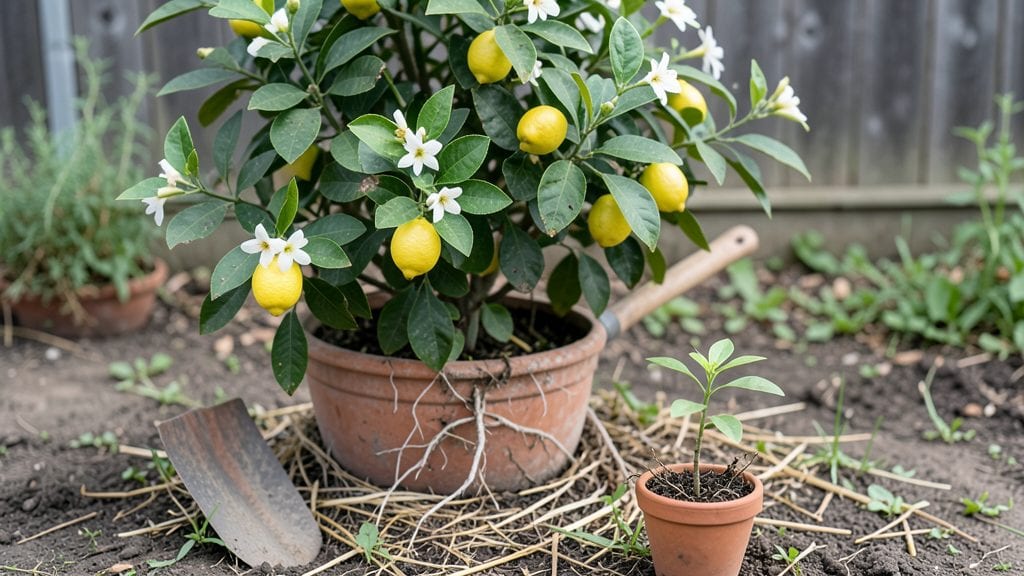
Planting a lemon tree in the right spot turns a $50 sapling into a fruit-bearing treasure chest within a few years. 🌿 I learned this the hard way when my first tree produced only bitter leaves because it sat in too much shade.
The perfect location isn’t just sunny—it’s a balance of warmth, airflow, and protection that most gardeners overlook.
Lemon trees thrive in USDA zones 9-11, but with winter protection (like moving containers indoors or wrapping trunks), you can grow them as far north as zone 7. They demand 6+ hours of direct sunlight daily, though afternoon shade helps in scorching climates.
Soil should drain like a sandy loam—heavy clay or soggy ground will rot roots faster than you can say "lemon curd."
For in-ground planting, pick a spot sheltered from cold winds but open enough for airflow (think: near a wall or fence, not in a tight corner). Containers work too—just use a 15-gallon pot with drainage holes and replant every 2-3 years when roots outgrow the space.
The payoff? Trees in ideal spots produce 20-30 lemons per year by their third season.
Regional tweaks matter: coastal areas benefit from ocean breezes that deter pests, while inland gardens may need extra mulch to retain moisture. Urban planters? Elevate containers to avoid heat reflection from pavement.
Once you nail the location, your tree will reward you with glossy leaves, fragrant blossoms, and—eventually—that first juicy lemon.
📚 In This Guide
- What you need
- Instructions
- Tips and common mistakes
- Wrapping up and next steps
What you need
- ● Lemon tree (sapling or bare-root) – Choose a variety like Eureka, Meyer, or Lisbon based on your climate.
- ● Well-draining potting mix or garden soil – Aim for a blend with 50-70% organic matter (e.g., compost, peat moss, or coconut coir). Avoid heavy clay.
- ● Pot (if container-growing) – Minimum 15-20 gallons for mature trees; ensure drainage holes are present.
- ● Shovel or trowel – For digging holes or repotting.
- ● Organic fertilizer – High in nitrogen (N), phosphorus (P), and potassium (K) (e.g., 10-10-10 or citrus-specific blend).
- ○ Mulch (optional but recommended) – 2-3 inches of wood chips, straw, or pine bark to retain moisture and regulate soil temp.
- ● Watering can or hose with a gentle spray nozzle – Lemon trees hate soggy roots!
- ● Drip irrigation system – For consistent moisture without overwatering.
- ● Citrus-specific slow-release pellets – Reduces monthly fertilizer hassles.
- ● Pruning shears – For shaping and removing dead branches.
- ● Support stake or trellis – If growing in a container or windy area.
- ● pH testing kit – Ideal soil pH for lemons: 6.0–7.0.
- ● Frost cloth or protective cover – For young trees in cold climates.
Step-by-Step guide to choosing the perfect lemon tree location
Sunlight, warmth, and protection—these three factors make or break your lemon tree's fruit production.
☀️ Step 1: Select a Full-Sun Spot with 6+ Hours of Direct Light
Lemon trees thrive in full sun, meaning at least 6-8 hours of direct sunlight daily. The more sunlight, the sweeter and more abundant the fruit. In warmer climates, a south-facing wall or fence provides ideal afternoon sun without overheating. If you're in a cooler zone, prioritize southern exposure to maximize winter sunlight.
Watch for microclimates—areas near buildings or pavement often stay warmer. Place your tree where it gets morning sun and afternoon shade during peak summer heat to prevent leaf scorch. You'll know you've found the right spot when leaves stay vibrant green year-round, even in winter.
🌿 Step 2: Ensure Shelter from Harsh Winds and Frost
Lemon trees hate cold drafts and strong winds, which stunt growth and damage blossoms. Plant near a protective barrier like a wall, fence, or dense shrubbery. In coastal areas, salt spray can burn leaves, so position the tree at least 20 feet from the ocean. If your yard gets winter freezes below 25°F, grow the tree in a large container and move it indoors or under cover.
Test wind exposure by observing how nearby plants fare. If their leaves are constantly fluttering or damaged, that spot isn’t ideal. A sheltered location keeps the tree stable and encourages consistent flowering. You’ll notice healthier growth and fewer dropped blossoms when the tree is protected.
🪴 Step 3: Choose Well-Draining Soil with Slightly Acidic pH
Lemon trees despise soggy roots, so plant in well-draining soil with a pH of 6.0-7.0 (slightly acidic to neutral). Amend heavy clay soil with 3-4 inches of compost or organic matter to improve drainage. If your soil is sandy, mix in peat moss or coconut coir to retain moisture. A simple pH test kit confirms the right balance before planting.
Dig a hole twice as wide as the root ball but no deeper. Loosen the roots slightly if they’re circling, then backfill with native soil mixed with compost. Water deeply to settle the soil and eliminate air pockets. You’ll know drainage is good if water drains within 30-60 minutes after watering.
⏰ Step 4: Time Planting for Optimal Growth Conditions
Plant lemon trees in early spring after the last frost when soil temperatures reach at least 60°F. This gives roots time to establish before summer heat. If planting in containers, use a 12-15 gallon pot with drainage holes and fill with well-draining potting mix. Move potted trees outdoors gradually over 7-10 days to acclimate them to outdoor conditions.
Wait until the tree shows new growth before fertilizing. Over-fertilizing young trees can burn roots. In warmer climates, you can plant in late winter, but avoid planting in summer heat—stress from transplanting weakens the tree during extreme temperatures.
🍋 Step 5: Monitor and Adjust for Year-Round Success
Check the tree’s location monthly for changes in sunlight, wind exposure, or drainage. If leaves yellow or drop, it’s often a sign of overwatering or poor drainage. Prune leggy growth in late winter to encourage bushier, fruit-bearing branches. In colder climates, mulch around the base with 2-3 inches of organic mulch to insulate roots in winter.
You’ll know you’ve chosen the right spot when the tree produces blossoms consistently and fruit sets without dropping. Adjust shade cloth in summer if leaves show signs of scorching, and move potted trees to a sunnier or sheltered spot if growth slows. A well-chosen location pays off with juicy, homegrown lemons for years.
Tips & tricks for perfect lemon tree placement
Here's what I've learned after watching lemon trees thrive in ideal spots—and struggle in less-than-perfect ones.
The Sunlight Secret: In Step 1, when you're checking for that 6-8 hours of sunlight, pay special attention to the quality of light. Early morning sun is gentler, while harsh afternoon rays can scorch leaves. If your location gets intense afternoon sun, consider placing the tree slightly to the east of the optimal spot to balance the light exposure. You'll notice the difference in leaf health within just a few weeks.
Microclimate Mastery: The instructions mention microclimates, but here's the thing: even small variations can make a big difference. If you're in a cooler climate, test potential spots by observing how nearby plants grow. Areas near brick walls or pavement often stay warmer and provide better growing conditions. I've seen lemon trees in these spots produce fruit a full month earlier than those in open areas.
Soil Test Timing: Before amending your soil in Step 3, take a soil sample to your local extension office for testing. The pH of 6.0-7.0 is critical, but even small deviations can affect nutrient uptake. I once had a lemon tree that wasn't thriving because my soil was actually 7.5—adding sulfur brought it down to 7.0 and made all the difference in fruit production.
Winter Protection Strategy: For those below 25°F winters mentioned in Step 2, consider using a frost cloth instead of moving potted trees indoors. Frost cloth allows sunlight to penetrate while protecting from freezing temperatures. I've had great success with this method, and it's much easier than dealing with heavy containers during temperature swings. Just remember to remove it during the day when temperatures rise above freezing.
Pro Tips for Where To Plant A Lemon Tree
- Here's what I've learned after watching lemon trees thrive in ideal spots—and struggle in less-than-perfect ones.
- The Sunlight Secret: In Step 1, when you're checking for that 6-8 hours of sunlight, pay special attention to the quality of light.
- Microclimate Mastery: The instructions mention microclimates, but here's the thing: even small variations can make a big difference.
Frequently asked questions
Got questions about planting your lemon tree? Here are some of the most common concerns—and their answers—to help you grow a thriving citrus wonder!
Can I plant a lemon tree in a container instead of the ground?
Lemon trees thrive in containers with proper care. Use a large pot (at least 15-20 gallons) with drainage holes, and opt for a well-draining potting mix. Place the container in a sunny spot and water regularly, but avoid overwatering. Containers are great for small spaces or colder climates where winter frost is a risk. Just remember to fertilize monthly during growing season!
How much sunlight does a lemon tree really need?
Lemon trees are sun-lovers! Aim for 6-8 hours of direct sunlight daily. In hotter climates, provide afternoon shade to prevent leaf burn. If planting in a shady spot, choose a dwarf variety or supplement with grow lights. Watch for yellowing leaves—a sign your tree might need more sun!
What’s the best time of year to plant a lemon tree?
Plant your lemon tree in early spring or late fall when temperatures are mild. This gives roots time to establish before extreme heat or cold. Avoid planting in winter if frost is likely, as young trees are sensitive. If you’re in a warm climate, you can plant year-round, but spring is still ideal for most regions.
Why aren’t my lemon tree’s leaves turning green, or are they yellowing?
Yellow leaves often signal overwatering, underwatering, or nutrient deficiencies. Check the soil—it should be slightly moist but not soggy. If leaves are pale, your tree might need more sunlight or fertilizer (use a citrus-specific blend). Brown edges? It could be underwatering or low humidity. Adjust care and monitor closely!
Can I grow a lemon tree indoors, or do I need an outdoor space?
Yes! With the right setup, lemon trees can thrive indoors near a sunny window (south-facing is best). Use a grow light if natural light is limited, and rotate the pot weekly for even growth. Keep humidity high (mist leaves or use a pebble tray) and maintain consistent temperatures (60-75°F). Just be patient—indoor trees may take longer to bear fruit but are totally doable!
Wrapping up and next steps
Planting a lemon tree in the right sunny spot—whether in a container on a patio or a well-drained garden bed—sets the stage for a thriving, fruit-bearing plant. 🌞 With the right location, soil, and care, your tree can reward you with juicy lemons in just a few years.
Now that you’re armed with the best practices, there’s no time like the present to roll up your sleeves and get planting!
Ready to take the next step? Pick your perfect spot, gather your supplies, and watch your lemon tree grow into a citrusy dream. Happy planting! 🍋✨