
Pruning
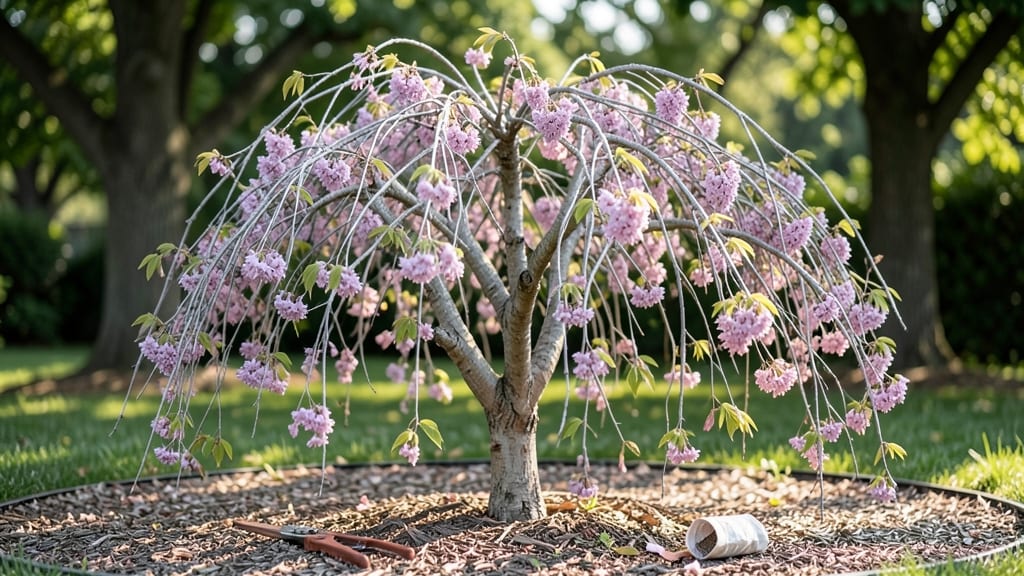
That cascading pink cloud of blooms transforms any Pacific Northwest garden into a dreamy spring retreat. 🌸 The weeping tree pink isn't just frost-resistant—it's a design game-changer, offering year-round interest from delicate blossoms to graceful, arching branches.
I planted mine near a reflective pond, and now it feels like a living watercolor painting every time I walk by.
The real magic happens in how you shape it—pruning in late winter reveals its natural elegance while keeping it compact enough for patios or borders.
Pair it with silver foliage plants like lamb's ear or blue spruce for a striking contrast, or let it spill over a retaining wall for a romantic, soft-edged look. Even in winter, its exfoliating bark adds texture to the landscape.
What you'll love most is how it softens hard lines—whether framing a doorway, anchoring a circular bed, or creating a private nook under its branches.
The scent of its spring flowers lingers in the air, and the way it catches the light during rainy afternoons makes it the star of any garden. Ready to make it yours?
This tree thrives in zones 5-8, so it’s perfect for coastal gardens, urban yards, or countryside estates alike. Just remember: prune after flowering to preserve next year’s blossoms, and you’ll have a showstopper that keeps giving season after season.
📚 In This Guide
- What you need
- Instructions
- Tips and common mistakes
- Wrapping up and next steps
What you need
- ● Pruning shears: Bypass pruners (sharp, clean, and disinfected with rubbing alcohol or a 10% bleach solution). Recommended: Felco or Fiskars (for cuts up to ½ inch thick).
- ○ Loppers: For thicker branches (½–1½ inches). Optional: Ratcheting loppers for ease.
- ● Pruning saw: Only if branches exceed 1½ inches in diameter. Tip: Choose a curved blade for cleaner cuts.
- ● Gloves: Heavy-duty gardening gloves (cut-resistant for safety).
- ● Disinfectant: 70% isopropyl alcohol or a pruner disinfectant spray to prevent disease spread.
- ● Rubbing alcohol wipes: For quick tool sanitization between cuts.
- ○ Pruning sealant: Optional but helpful for sealing large cuts (e.g., Tanglefoot Tree Wound Pruning Seal).
- ● Timing: Prune in late winter or early spring (before new growth starts) or right after flowering (May–June).
- ● Weather: Choose a dry, overcast day to avoid stressing the tree.
- ● Safety gear: Safety glasses (to protect from debris) and long sleeves/pants.
- ● Cleanup supplies: Heavy-duty trash bags (for debris).
- ● Garden rake or broom (to clear fallen branches).
- ● Tree health check: Inspect for diseased or dead branches (they’ll be brittle and brown inside).
- ● ✨ Sharpen your tools first! Dull blades tear wood, inviting pests and disease.
- ● 🎯 Mark your cuts: Use chalk or tape to outline where you’ll prune for precision.
- ● 🌡️ Work in layers: Remove up to 25% of the tree’s foliage in one session to avoid shocking it.
Step-by-step guide to pruning weeping tree pinks for frost hardiness
Here's how I prune these stunning shrubs to keep them lush and resilient through PNW winters.
✂️ Step 1: Time Your Pruning for Late Winter
Prune your weeping tree pinks in late February to early March—just as new growth begins but before buds break. This timing ensures you remove dead wood while leaving enough foliage to protect the plant from late frosts. I always check the forecast first; if a hard freeze is predicted, delay pruning until after the threat passes.
Look for dormant buds along the stems—they'll appear as small, swollen bumps. These are your signal that the plant is waking up. Prune too early, and you risk cutting back fresh growth that won't survive winter. Wait too long, and you'll encourage tender new shoots that frost can damage.
✂️ Step 2: Remove Dead and Diseased Wood First
Start by cutting out any dead, broken, or diseased branches using clean, sharp pruners. I disinfect my tools with rubbing alcohol between cuts to prevent spreading any pathogens. Look for branches that are hollow, discolored, or covered in black spots—these should go first. Cut back to the nearest healthy bud or branch junction.
Weeping tree pinks have a graceful, arching growth habit, so focus on removing branches that disrupt that shape. If a branch is crossing another or growing inward, trim it back to where it meets the main stem. This opens up the center of the plant, allowing better airflow and sunlight penetration—critical for preventing fungal issues in the damp PNW climate.
✂️ Step 3: Shape for Frost Resistance
Next, thin out about 20-30% of the oldest stems at their base to encourage new, vigorous growth. Older stems produce fewer flowers and are more susceptible to frost damage. I start at the outer edges and work my way inward, making cuts just above a leaf bud or lateral branch. This ensures the plant retains its weeping form while staying youthful.
For the remaining branches, cut back by about one-third to encourage bushier growth. Focus on shortening the longest stems first—this prevents them from becoming top-heavy and snapping under snow or ice. Leave some shorter branches intact to maintain the shrub's natural silhouette and protect the center from cold winds.
✂️ Step 4: Clean Up and Protect for Winter
After pruning, rake up and dispose of all clippings—don't leave them on the ground, as they can harbor pests and diseases. I like to mulch the base of the plant with 2-3 inches of wood chips to insulate the roots and retain moisture. This is especially important in the PNW, where winter rains can leach nutrients from the soil.
Finally, apply a light layer of anti-desiccant spray to the foliage if you're pruning in late winter. This helps prevent moisture loss from the leaves during dry spells or when frost is in the forecast. Water the plant deeply before the first hard freeze to ensure the roots are hydrated and can withstand cold temperatures.
Tips & tricks for pruning weeping tree pinks
These simple tricks will help you prune your weeping tree pinks like a pro—keeping them healthy and beautiful for years to come.
Timing is Everything: The late February to early March window is non-negotiable for PNW winters. If you're unsure when to prune, check for those dormant buds—small, swollen bumps along the stems. They're your signal that the plant is waking up but still protected from late frosts. I always double-check the forecast; if a hard freeze is predicted, waiting a few extra days is better than risking damage to tender new growth.
Tool Prep Prevents Problems: Clean, sharp pruners are a must—dull tools crush stems instead of making clean cuts. I disinfect my tools with rubbing alcohol between cuts to prevent spreading any pathogens that might be hiding in the dead wood. For larger branches, consider using loppers or a pruning saw to avoid tearing the bark.
Shape with Purpose: When thinning out 20-30% of the oldest stems, work from the outside in. This maintains the plant's graceful weeping form while encouraging new growth from the center. For the remaining branches, cutting back by one-third creates a balanced silhouette that can better withstand winter winds and snow. Think of it like giving your plant a winter haircut—less bulk means less stress.
Cleanup Counts: Raking up all clippings is crucial—don't leave them on the ground where they can harbor pests and diseases. I also recommend composting healthy prunings instead of tossing them, but only if they're free of disease. For diseased branches, bag and dispose of them immediately to prevent spreading pathogens to other plants.
Pro Tips for Weeping Tree Pink
- These simple tricks will help you prune your weeping tree pinks like a pro—keeping them healthy and beautiful for years to come.
- Timing is Everything: The late February to early March window is non-negotiable for PNW winters.
- Tool Prep Prevents Problems: Clean, sharp pruners are a must—dull tools crush stems instead of making clean cuts.
Frequently asked questions
Got questions about pruning your Weeping Tree Pink (aka Cercis canadensis 'Lavender Twist') in the Pacific Northwest? You’re not alone!
Here are answers to the most common concerns—from timing tricks to frost-proofing tips—so you can keep your tree thriving year-round.
When is the best time to prune a Weeping Tree Pink?
The ideal window is late winter to early spring (February–March), before new growth starts. This minimizes stress and lets you shape the tree while it’s dormant. Wait until after frost risks pass—PNW winters can be tricky! Avoid pruning in fall, as it encourages tender growth that may not survive cold snaps.
How cold can a Weeping Tree Pink handle?
These trees are hardy to USDA Zones 4–8, meaning they tolerate temps down to −30°F (−34°C). However, young trees or heavily pruned branches may need extra protection (like burlap wraps) during extreme PNW freezes. Mature trees usually bounce back, but avoid pruning in deep frost—wait until temps stabilize above 40°F (4°C).
Can I prune a Weeping Tree Pink in summer?
Summer pruning is possible but risky. If you must, do it early summer (June) to avoid heat stress. Limit cuts to 10–15% of the tree’s foliage, and focus on dead or diseased branches. Never prune in late summer or fall—new growth won’t harden off before winter. For PNW’s unpredictable weather, spring is always safer!
Why are my Weeping Tree Pink branches dying after pruning?
Dead or dying branches often signal over-pruning, disease, or frost damage. Check for:
- Pruning cuts too close to the trunk (leave ¼" stubs).
- Fungal infections (like powdery mildew)—clean tools with rubbing alcohol!
- Winter burn (brown edges on leaves). Mulch and water deeply in late fall to prevent this.
Are there frost-resistant alternatives to Weeping Tree Pink?
If you love the look but need even tougher cold resilience, consider:
- Cercis canadensis 'Forest Pansy' (Zone 4, deep purple leaves).
- Cercis chinensis (Chinese redbud, Zone 5–9).
- Amelanchier alnifolia (saskatoon berry, Zone 2–6, edible fruit!).
Wrapping up and next steps
The Weeping Tree Pink is a stunning addition to your Pacific Northwest garden, and with the right pruning techniques, it will thrive even in frostier climates. 🌿 By following our guide—from timing and tools to shaping and maintenance—you’ll keep this beauty healthy, vibrant, and full of those iconic cascading blooms.
Ready to level up your pruning game? Grab your shears, mark your calendar, and give your Weeping Tree Pink the care it deserves. Happy pruning! 🌸