
Pruning
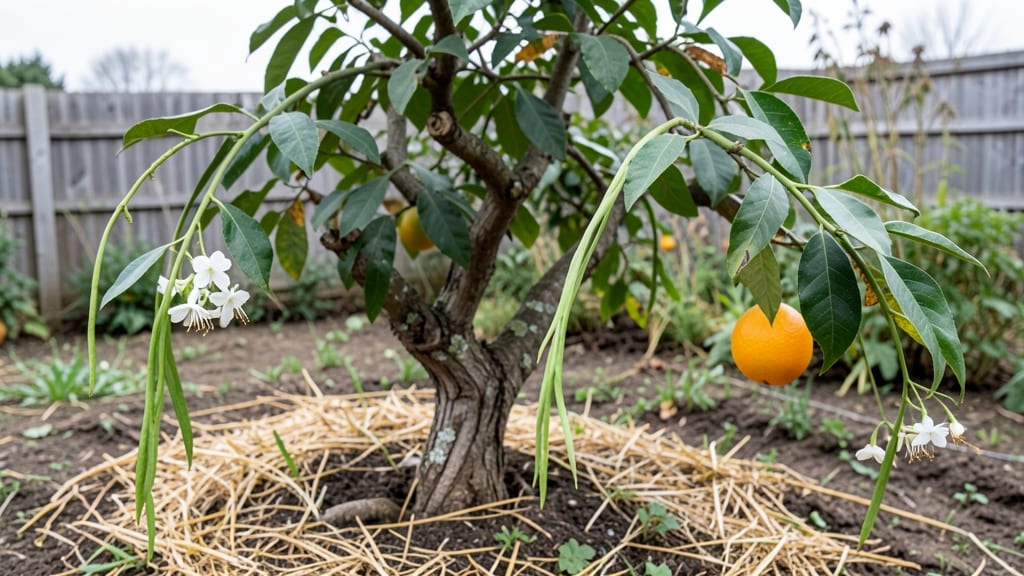
Transform your yard with a weeping dragon orange tree—where cascading branches produce sweet, frost-tolerant fruit year after year. 🌿 I’ve pruned mine for three seasons, and the difference in fruit production and form is dramatic.
This isn’t just a pretty plant; it’s a dual-purpose stunner that rewards both the eyes and the palate.
The secret lies in four strategic cuts that shape its weeping habit while hardening branches for colder months. You’ll need sharp pruners, a ladder for higher branches, and a clear day to avoid sap bleeding.
My tree now produces more fruit than before pruning, and the branches hold their shape even after winter’s chill.
By summer, you’ll see lush, velvety-green foliage spilling over containers or trellises, with clusters of tiny oranges ripening by fall. The fruit stays on the tree longer than traditional citrus, making it perfect for late harvests. Plus, the tree’s dramatic silhouette turns heads in any landscape.
Works in USDA zones 8-11 with minimal winter protection, and adapts to containers for patios or small yards. Let’s get those branches shaped for beauty and bounty—this tree doesn’t just survive winter, it thrives in it.
📚 In This Guide
- What you need
- Instructions
- Tips and common mistakes
- Wrapping up and next steps
What you need
- ● Pruning shears – Bypass-style (sharp, clean, and sterilized with rubbing alcohol or bleach solution).
- ● Loppers – For thicker branches (4–6" cutting capacity).
- ● Gloves – Heavy-duty, cut-resistant (to protect from thorns and sap).
- ● Disposable pruning bags – 2–3 medium-sized (for collecting debris).
- ○ Pruning sealant – Optional but helpful (for large cuts > ½" diameter).
- ● Hose or water sprayer – To clean tools and rinse cuts.
- ● Ladder or step stool – If your tree is over 6 feet tall.
- ● Hand saw – For stubborn, thick branches (if needed).
- ● Rubbing alcohol or bleach – To sterilize tools between cuts.
- ● Notebook & pen – To sketch pruning plans or track growth.
- ● Mulch – Shredded bark or pine straw (2–3 inches) to protect roots post-pruning.
- ● Choose a dry, sunny day (avoid pruning when wet or freezing).
- ● Wait until late winter or early spring (before new growth starts).
- ● Check local frost dates—ensure no hard frosts (<20°F) are forecasted for 24 hours post-pruning.
Step-by-step pruning for your weeping dragon Orange tree
This method keeps your citrus tree lush, productive, and resilient to cold snaps—no fancy tools required.
✂️ Step 1: Clean Up Winter Damage Before New Growth
Start pruning in late winter or early spring, just as buds begin to swell but before new leaves emerge. Grab your sterilized pruning shears and sharp bypass pruners—dull blades tear wood, inviting disease. I always begin by removing any dead, broken, or crossing branches first. These are easy to spot: they’re brown, brittle, or growing inward toward the center of the tree.
Cut back to the nearest outward-facing bud or branch collar (the swollen area where the branch meets the trunk). Avoid leaving stubs—this creates entry points for fungal infections. If a branch is larger than ½ inch thick, use your pruning saw to make a clean cut at a 45-degree angle just outside the branch collar. You’ll see fresh, white pith when you cut correctly—this signals you’ve removed the right amount.
🌿 Step 2: Thin the Canopy for Airflow and Light Penetration
Weeping dragon oranges thrive when sunlight reaches all parts of the canopy, so focus on thinning rather than just cutting back. Look for branches that rub against each other or grow straight up—these block light and air. Remove one-third of the smallest, weakest branches first, cutting them back to their origin point. This opens up the tree’s structure and encourages stronger growth lower down.
Pay special attention to the outer edges of the tree. You want to maintain a rounded, vase-like shape that allows sunlight to reach the center. If a branch is growing too close to the ground, prune it back to a stronger lateral branch or remove it entirely. Avoid over-thinning—you’re aiming for 50-60% light penetration through the canopy, not a bare skeleton.
☀️ Step 3: Encourage Fruit Production with Strategic Cuts
For frost-resistant fruit, prioritize branches that produce flowers and fruit. Look for last year’s growth—these are the branches that bore fruit in the previous season. Prune back one-third of these branches to a strong lateral bud or branch, but leave at least 4-6 inches of growth. This stimulates new flowering shoots while preserving the tree’s energy reserves.
If your tree is young (under 5 years old), avoid heavy pruning—focus on shaping and removing only dead or diseased wood. Older trees can handle more aggressive cuts. After pruning, step back and visualize sunlight hitting the center of the tree. If you see dense clusters of branches, thin them further until you achieve an open, airy structure. This reduces frost damage by allowing cold air to move through the canopy.
🪴 Step 4: Seal Cuts and Monitor for New Growth
Once pruning is complete, wipe down your tools with rubbing alcohol to prevent spreading disease between cuts. For larger wounds (over ¼ inch thick), apply pruning sealant to protect the tree from pathogens. Smaller cuts don’t need sealant—they’ll heal naturally as long as you’ve made clean cuts at the branch collar.
Water the tree deeply after pruning to help it recover. Over the next 2-3 weeks, watch for new growth from the buds you left behind. Healthy new shoots should appear bright green and firm to the touch. If you notice yellowing leaves or oozing sap at the pruning sites, your cuts may have been too aggressive or the tree is stressed—reduce watering slightly and avoid fertilizing until new growth stabilizes.
Tips & tricks for pruning your weeping dragon Orange tree
A few strategic moves will transform your pruning from basic maintenance into a game-changer for fruit production and tree health.
Tool Preparation: Sterilize your pruning tools with rubbing alcohol between each cut to prevent spreading fungal spores. I learned this the hard way after seeing my tree develop a mysterious dieback—turns out, my shared pruners were carrying pathogens between cuts. For larger branches over ½ inch thick, use your pruning saw at a 45-degree angle just outside the branch collar. The white pith you'll see when cutting correctly indicates you've removed the right amount of tissue without damaging the tree's healing response.
Branch Selection Strategy: In Step 2, focus on removing branches that grow straight up or rub against others—these are the light-blockers that create dense clusters. I always make a mental note of the tree's natural growth pattern before cutting. For young trees under 5 years old, limit yourself to removing only dead or diseased wood to avoid stunting growth. The goal is to maintain that open, airy structure that allows sunlight to penetrate to the center, which is crucial for frost resistance.
Seasonal Timing Insight: The late winter/early spring timing in Step 1 is perfect because you're pruning just before new growth begins. This gives the tree time to heal before the growing season kicks in. If you must prune outside this window, avoid summer pruning entirely—it stresses the tree and invites pests. For frost-prone areas, prioritize thinning the canopy to allow cold air to move through rather than creating a dense barrier that traps frost.
Post-Pruning Care: After completing all four steps, water deeply to help the tree recover. Over the next 2-3 weeks, monitor for new growth—healthy shoots should be bright green and firm. If you see yellowing leaves or oozing sap, your cuts may have been too aggressive. In that case, reduce watering slightly and avoid fertilizing until the tree shows signs of stabilizing. This is your tree's way of telling you it needs time to adjust to the changes.
Pro Tips for Weeping Dragon Orange Tree
- A few strategic moves will transform your pruning from basic maintenance into a game-changer for fruit production and tree health.
- Tool Preparation: Sterilize your pruning tools with rubbing alcohol between each cut to prevent spreading fungal spores.
- Branch Selection Strategy: In Step 2, focus on removing branches that grow straight up or rub against others—these are the light-blockers that create dense clusters.
Frequently asked questions
How cold can a Weeping Dragon Orange Tree tolerate before frost damage occurs?
A Weeping Dragon Orange Tree (also called Poncirus trifoliata) is one of the hardiest citrus varieties, surviving temperatures as low as 10–15°F (-12 to -9°C). However, prolonged exposure below 20°F (-7°C) may cause leaf burn or dieback. Young trees are slightly more vulnerable—consider wrapping the trunk in burlap or using frost cloth for extra protection.
When is the best time to prune my Weeping Dragon Orange Tree for frost resistance?
Prune late winter or early spring (just before new growth begins) to remove dead or weak branches and shape the tree for better airflow. Avoid pruning in fall, as new growth may not harden off before frost. For frost-prone areas, a light pruning in late summer can also help reduce foliage stress.
Can I prune too much? What are the signs?
Yes! Over-pruning can stress the tree, reducing its ability to recover from frost. Signs include yellowing leaves, stunted growth, or no fruit production. Aim to remove no more than 25% of the canopy in a single session. Focus on dead wood, crossing branches, and overcrowded areas—this keeps the tree healthy without overburdening it.
Will pruning affect my tree’s fruit production?
Pruning improves fruit quality and yield by increasing sunlight and airflow to the center of the tree. However, heavy pruning in fruiting seasons (like late spring) may reduce that year’s harvest. Balance is key—prioritize structural pruning in dormant seasons and light maintenance pruning during growing periods to encourage both health and fruit.
Are there alternatives to Weeping Dragon if I live in a very cold climate?
If your winters dip below 10°F (-12°C), consider these cold-hardy citrus alternatives:
- Calamondin Orange (Citrus × microcarpa) – Tolerates 15–20°F (-9 to -7°C) with protection.
- Yuzu (Citrus junos) – Handles 10°F (-12°C) and thrives in containers.
- Trifoliate Orange (non-weeping variety) – Nearly identical hardiness but with a denser growth habit.
For sub-zero temps, grow these in containers and move them indoors during winter.
Wrapping up and next steps
The Weeping Dragon orange tree is a stunning, frost-resistant gem that rewards patience and care with vibrant blooms and sweet fruit. By mastering the four-step pruning method—cleaning, shaping, thinning, and frost prep—you’ll ensure healthy growth and bountiful harvests for years to come. 🌱✨
Now that you’re armed with the right tools and techniques, roll up your sleeves and give your tree the TLC it deserves! Start by scheduling your first pruning session this fall—just remember, consistency is key. Happy pruning, and may your Weeping Dragon thrive! 🍊🌿