
Pruning
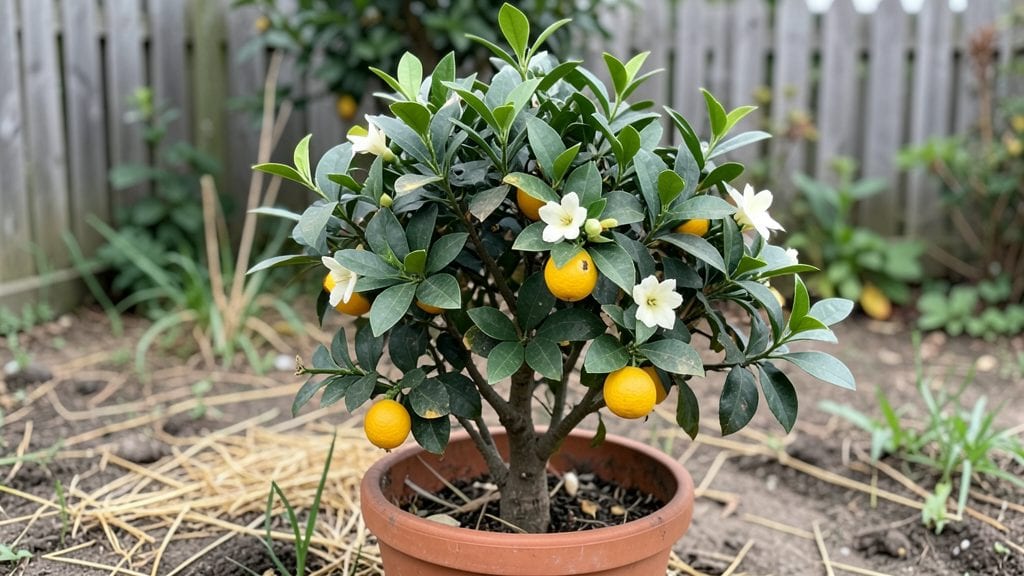
Growing a calamondin orange tree in the Pacific Northwest means you can finally enjoy citrus fruit without worrying about frost—if you follow the right care routine. 🌱 I’ve learned the hard way that these tiny trees thrive in containers, making them perfect for patios or sunny spots where winter chill would otherwise kill them.
The key is mimicking their tropical roots while adapting to our cooler climate, and I’ll show you exactly how.
You’ll need a well-draining potting mix, a sunny spot (at least 6 hours of light), and a winter plan to protect it from temps below 20°F. Watering should be consistent but not soggy—think of a houseplant that loves humidity but hates wet feet.
Fertilizing in spring and summer keeps the tree productive, and pruning in late winter shapes it while encouraging fruit production. It’s simpler than you’d think, and the payoff is sweet little oranges that taste like a mix of orange and mandarin.
By summer, you’ll have a tree heavy with bright orange fruit and glossy green leaves that smell amazing when you brush against them. The best part? These trees stay compact—perfect for small spaces—and their frost tolerance (with protection) means you can keep them outdoors year-round.
The only challenge is keeping pests like aphids at bay, but a strong spray of water usually does the trick. Let’s get your tree growing strong!
Whether you’re starting from a seedling or repotting a store-bought tree, the same rules apply: light, drainage, and winter prep are non-negotiable. I’ve grown mine in a 15-gallon pot for years, and it’s still going strong.
The secret is consistency—don’t let the soil dry out completely, and bring it indoors if frost is forecasted. You’ll be harvesting fruit in just a couple of seasons if you follow these steps!
📚 In This Guide
- What you need
- Instructions
- Tips and common mistakes
- Wrapping up and next steps
What you need
- ● Calamondin orange tree: 1-2 young saplings (3-5 ft tall) or a mature plant (ensure it’s labeled Citrus × microcarpa or Citrus mitis).
- ● Pot: 1 large container (15-20 gallons) with drainage holes (use fabric grow bags for frost protection).
- ● High-quality potting mix: 1 bag of well-draining citrus/succulent mix (avoid garden soil—it compacts!).
- ● Slow-release fertilizer: 1 lb of citrus-specific 6-6-6 or 8-3-9 NPK blend (organic options like fish emulsion work too!).
- ● Pruning tools: 1 pair of bypass pruners (sterilized with rubbing alcohol).
- ● 1 sharp pruning saw (for thicker branches, if needed).
- ● Mulch: 2-3 inches of organic mulch (straw, pine bark, or shredded leaves) to retain moisture.
- ● Watering can or hose: With a gentle spray nozzle (calamondins hate soggy roots!).
- ● Frost protection: 1 frost blanket (for temps below 25°F).
- ○ 2-3 plant heaters (optional but lifesaving in PNW winters!).
- ● Grow lights: 1-2 full-spectrum LED bulbs (for indoor/low-light setups).
- ● Humidity tray: 1 shallow tray + pebbles (to combat dry PNW air).
- ● Citrus food: Liquid micronutrient mix (like Citrus-tone) for extra flavor and health.
- ● Tree supports: Stakes or cages (if your tree grows tall in windy areas).
- ● Pest control: Neem oil spray (prevents aphids and scale).
Step-by-step instructions for growing calamondin oranges in the Pacific Northwest
Here's the method I've perfected for thriving calamondin trees—tough enough for PNW winters, sweet enough for harvests.
🪴 Step 1: Select the Perfect Container and Soil Mix
Choose a 15-20 gallon container with drainage holes—calamondins need room for roots but hate soggy feet. I use unglazed ceramic pots because they breathe better than plastic. The soil mix must drain fast—blend 60% premium potting mix, 30% perlite, and 10% coarse sand for that PNW drainage challenge.
Fill the pot to 2 inches below the rim, leaving space for watering. Tap the container gently to eliminate air pockets, then pre-moisten the mix with warm water until it feels like a wrung-out sponge. This prevents shock when you add your young tree. Real talk: Skimping on drainage here leads to root rot, and nobody wants a sad, mushy calamondin.
☀️ Step 2: Position for Light and Temperature Balance
Calamondins crave bright, indirect light—think 6+ hours daily near a south-facing window, but protect from direct midday sun in summer. I place mine on a rolling plant stand to rotate weekly, ensuring even growth. In winter, keep them above 45°F—PNW frosts will kill them, so move pots indoors near a sunny window or use a plant heater mat if nights dip below freezing.
Watch for leaf scorch (brown edges) or stunted growth—both mean light is off. If leaves yellow, you're overwatering; if they curl, it's too dry. This citrus thrives at 65-75°F during the day, so adjust placement seasonally. I've lost trees to drafts near sliding glass doors—don't make that mistake.
💧 Step 3: Water with Precision—The PNW Way
Water when the top 2 inches of soil feel dry—stick your finger in to check. Pour 1 gallon of water at the base, letting it drain completely through the holes. Empty the saucer after 10 minutes to prevent soggy roots. In summer, you might water every 2-3 days; in winter, once a week is plenty.
Here's the thing—calamondins hate wet feet. If the pot feels heavy with water or mold appears, you're overdoing it. I use a moisture meter to avoid guesswork. Fertilize lightly with citrus-specific feed every 6-8 weeks in spring/summer, but cut back in fall—too much food stresses trees before winter.
✂️ Step 4: Prune for Shape and Fruit Production
Prune in late winter or early spring before new growth starts. Remove dead, crossing, or inward-growing branches first—this opens the center for airflow. Then, trim back overly long branches by one-third to encourage bushier growth. Use sterilized pruners to prevent disease, and seal larger cuts with pruning wax if they're bigger than a pencil.
Watch for suckers (shoots at the base)—pinch them off immediately. This keeps energy flowing to fruit production. After pruning, give the tree a light fertilizer boost to recover. You'll see new leaves emerge within 3-4 weeks—that's your signal everything's working.
⏰ Step 5: Winterize for Pacific Northwest Conditions
When temperatures drop below 50°F at night, move your calamondin indoors near a south-facing window or under grow lights. If you must keep it outside, wrap the pot in bubble wrap and cover with a frost cloth for nights below 40°F. I've kept mine alive through PNW winters by monitoring humidity levels—keep them above 40% to prevent leaf drop.
Reduce watering to every 10-14 days in winter, and stop fertilizing entirely until spring. Check for pests (like spider mites) that thrive in dry indoor air—spray with neem oil if you spot webbing. With this care, your tree will burst into bloom come spring, and you'll have harvest-ready fruit by late fall.
Tips & tricks for perfect calamondin orange tree care
These game-changing strategies will help you grow a thriving calamondin tree that survives PNW winters and produces sweet, fragrant fruit every year.
Container and Drainage Mastery: The 15-20 gallon container size is non-negotiable for calamondins—smaller pots restrict root growth, while larger ones risk waterlogging. For that 10-minute drainage test after watering, I use a timer to ensure excess water fully escapes. Pro tip: Add a layer of gravel or pebbles at the bottom of your pot before the soil mix to create an extra drainage barrier. This prevents soggy roots that lead to root rot, especially critical in our damp PNW climate.
Light Positioning Secrets: That 6+ hours of bright, indirect light is your golden window—calamondins need more than most houseplants but can't handle direct midday sun. I've found the sweet spot is 3-4 feet from a south-facing window during summer months. In winter, supplement with a grow light if natural light drops below 4 hours daily. Watch for leaf scorch (brown edges) as your first warning sign of too much sun exposure.
Winter Survival Hacks: When nights dip below 50°F, move your tree indoors immediately—PNW frosts are deadly. I've kept mine alive through winters by placing them on a heat mat set to 55°F under a grow light for 12 hours daily. For outdoor wintering, the bubble wrap + frost cloth combo works wonders, but monitor humidity closely—keep it above 40% to prevent leaf drop. A simple pebble tray with water under the pot adds needed moisture to dry indoor air.
Pruning Precision: That one-third trim on overly long branches isn't just about shape—it's about redirecting energy to fruit production. I always prune just after a light fertilizer boost to give the tree nutrients to recover. For larger cuts, seal with pruning wax to prevent disease entry points. And here's what nobody tells you: Pinch off suckers immediately—these base shoots steal energy from fruit development. I do this weekly during growing season.
Pro Tips for Calamondin Orange Tree Care
- These game-changing strategies will help you grow a thriving calamondin tree that survives PNW winters and produces sweet, fragrant fruit every year.
- Container and Drainage Mastery: The 15-20 gallon container size is non-negotiable for calamondins—smaller pots restrict root growth, while larger ones risk waterlogging.
- Light Positioning Secrets: That 6+ hours of bright, indirect light is your golden window—calamondins need more than most houseplants but can't handle direct midday sun.
Frequently asked questions
Got questions about keeping your calamondin orange tree thriving in the Pacific Northwest? You’re not alone! Here are answers to the most common concerns—from frost prep to pruning hacks—so you can grow with confidence.
How cold can calamondin trees handle before frost damage?
Calamondin oranges are tropical but surprisingly tough for the PNW! They tolerate brief dips to 25–28°F (-4 to -2°C) if protected. For colder snaps (<20°F/-7°C), wrap the trunk with burlap or move potted trees indoors. Mulch heavily around the base to insulate roots. Pro tip: Avoid overhead watering before frost—wet leaves freeze faster!
When’s the best time to prune a calamondin tree?
Prune late winter or early spring (just before new growth starts) to shape your tree and encourage fruit production. Avoid heavy pruning in fall—it stimulates tender new growth that frost can kill. Key cuts: Remove dead/diseased branches first, then thin to improve airflow. Warning: Calamondins bleed sap when pruned in warm weather—save heavy cuts for dormancy!
Why aren’t my calamondin oranges ripening?
Unripe fruit? Check these fixes:
- Sunlight: Calamondins need 6+ hours of direct sun daily. PNW shade? Move potted trees or prune nearby obstructions.
- Water: Overwatering stresses roots. Let soil dry slightly between waterings (stick your finger 1–2" deep to test).
- Fertilizer: Low nitrogen = fewer blooms. Use a balanced citrus fertilizer (like 6-6-6) in early spring and summer.
Bonus: Hand-pollinate flowers with a soft brush if bees are scarce!
Can I grow calamondin from seed, or should I buy a grafted tree?
Seeds will sprout, but they’re unpredictable—seedlings may take 5–10 years to fruit (if ever) and won’t match the parent’s quality. Grafted trees (like ‘Calamondin’ or ‘Limequat’ hybrids) bear fruit in 2–3 years and stay true to the variety. PNW hack: Buy a dwarf grafted tree (like ‘Calamondin’ on ‘Flying Dragon’ rootstock) to save space!
How do I prevent pests like aphids or scale on my calamondin?
Start with prevention:
- Inspect leaves weekly (especially undersides) for sticky residue (aphids) or white cottony spots (scale).
- Spray with neem oil (1 tsp per quart of water) or insecticidal soap every 7–10 days during outbreaks.
- Encourage beneficial insects like ladybugs by planting companion flowers (e.g., marigolds).
Emergency fix: Blast pests off with a strong stream of water, then treat with horticultural oil in cooler months.
Wrapping up and next steps
Caring for your calamondin orange tree in the Pacific Northwest is totally doable—even with frost! 🌱 With the right pruning techniques, soil prep, and a little TLC, you’ll enjoy fragrant blooms and tangy citrus for years. Remember: timing, tools, and patience are your best friends.
Ready to watch your tree thrive? Start small—grab your pruners, pick a sunny spot, and give it a try! Whether you’re a beginner or a seasoned gardener, every trim brings you closer to that dream harvest. Happy pruning! 🍊✨