
Pruning
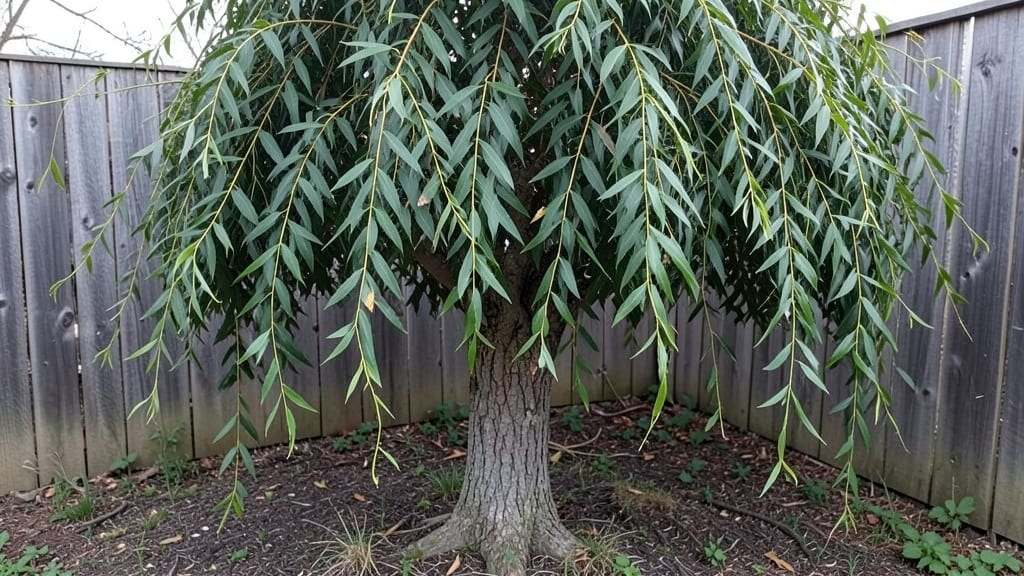
Transform your Pacific Northwest garden with a weeping Chinese elm tree—its graceful, arching branches create a living sculpture that thrives even after hard freezes. 🌿 I planted mine last spring, and its resilience through our damp winters surprised me.
Unlike fussy ornamentals, this tree handles frost like a champ, making it perfect for zones 6-9.
The secret to keeping it lush? Frost-resistant pruning in late winter before buds swell. You’ll shape its natural weeping form while removing dead wood—no fancy tools needed, just sharp shears and patience.
My tree now stands as the centerpiece of my front yard, its dark green leaves providing shade without blocking sunlight for other plants.
By summer, you’ll see new growth sprout from those pruned branches, creating denser foliage that sways beautifully in coastal breezes. The tree’s adaptability means it handles everything from urban pollution to rocky soil, so even city lots can accommodate its elegant presence.
Whether you’re restoring an old landscape or designing a new one, this tree’s low-maintenance charm makes it a standout. Let’s get those branches shaped just right for years of trouble-free beauty.
📚 In This Guide
- What you need
- Instructions
- Tips and common mistakes
- Wrapping up and next steps
What you need
- ● Pruning shears: Bypass pruners (for cuts up to ½ inch thick) – 1 pair (e.g., Felco F-2 or Corona Tools).
- ● Loppers: For branches ½ to 1½ inches thick – 1 pair (e.g., Fiskars X27).
- ● Pruning saw: Curved-tooth saw for thicker branches (1½+ inches) – 1 (e.g., Felco F-40).
- ● Gloves: Heavy-duty, cut-resistant gloves (e.g., Mechanix Wear or gardening-specific) – 1 pair.
- ● Ladder: Sturdy, extendable ladder (20+ feet) – 1 (ensure it’s rated for your tree’s height).
- ● Disinfectant: 70% isopropyl alcohol or pruning sealant (to prevent disease spread) – small bottle.
- ● Heavy-duty trash bags: For debris disposal – 5–10 bags.
- ● Work boots: Slip-resistant, ankle-supporting boots (PNW weather can be muddy!).
- ● Pole pruner: For high branches (e.g., Fiskars Teleflex) – 1.
- ● Tree wound dressing: (Controversial but useful for large cuts) – small tub.
- ● Safety glasses: To protect from debris – 1 pair.
- ● Extension cord + electric pruner: For large-scale pruning (if available).
- ● Notebook & pen: To track cuts and tree growth patterns.
- ● Check the tree’s health beforehand (look for disease signs like yellowing leaves or oozing sap).
- ● Verify the pruning window—late winter/early spring (before buds swell) is ideal for PNW’s frost-prone climate.
- ● Wear layers for PNW’s unpredictable weather (gloves, long sleeves, and a windbreaker are key!).
How to prune a weeping Chinese elm for Pacific Northwest resilience
This tree thrives in our rainy climate when pruned with frost resistance in mind.
✂️ Step 1: Time Your Pruning for Late Winter Dormancy
Prune your weeping Chinese elm between mid-February and early March when the tree is fully dormant but before new growth begins. This timing prevents frost damage to fresh cuts and allows wounds to heal before summer rains arrive. Look for bare branches with no leaf buds—this confirms dormancy. I always wait until at least three hard frost nights have passed, as this ensures any late-season buds won’t burst prematurely.
If you must prune later, avoid cutting after mid-April in the PNW. New growth in spring is particularly vulnerable to our region’s unpredictable late frosts. Use sharp bypass pruners (not loppers) for clean cuts—ragged edges invite disease, especially in our damp climate.
🌿 Step 2: Remove Dead and Crossing Branches First
Start by eliminating dead wood—these branches are obvious, with no bark or green tissue when scratched. Next, target crossing branches that rub against each other, creating wounds where fungal spores thrive in our wet winters. I make these cuts just outside the branch collar (the swollen area where the branch meets the trunk), using a 5/8-inch cut for branches under 2 inches thick.
For larger branches, use the three-cut method: make the first cut about 18 inches out on the underside, then the second cut about 2 inches farther out on top. Finally, finish with your final cut at the branch collar. This prevents bark from tearing. Remember—never leave stubs, as they rot and attract pests in our damp conditions.
☀️ Step 3: Thin the Canopy for Light Penetration and Airflow
Weeping Chinese elms naturally grow with a graceful, cascading habit, but dense growth invites fungal diseases common in our region. Selectively remove 20-30% of the smallest, interior branches to improve light penetration and airflow. Focus on branches growing straight upward—these compete with the weeping structure and weaken the tree’s natural form.
Make your cuts just above an outward-facing bud or lateral branch. You’ll see these as small bumps on the underside of the branch. Avoid cutting back to a stub—this creates an entry point for Phytophthora, a soil-borne pathogen that thrives in our wet winters. After thinning, step back and visualize the tree’s shape—you should see open space between branches and a clear weeping silhouette.
⏰ Step 4: Shape the Weeping Structure with Minimal Cuts
Preserve the tree’s iconic weeping form by making only necessary structural cuts. For branches that droop too sharply, shorten them by no more than 25% to maintain their natural grace. Cut just above a bud that faces outward—this encourages new growth in the right direction. Avoid heavy pruning of the lower branches, as these create the tree’s signature cascading effect.
If you notice water sprouts (fast-growing, upright shoots), remove them entirely—they drain energy from the tree’s primary structure. These often appear after heavy pruning or in response to stress. Use sterilized pruners (wipe with rubbing alcohol between cuts) to prevent spreading diseases like anthracnose, which loves our cool, wet summers.
💧 Step 5: Post-Pruning Care for Frost Resistance
After pruning, apply a 2-inch layer of organic mulch (like wood chips) around the base, keeping it 6 inches away from the trunk. This insulates roots from temperature swings and retains moisture during our dry summer months. Water deeply once a week during the first growing season after pruning to encourage strong root growth—new roots help the tree recover faster from cuts.
Monitor the tree for epicormic buds (small buds that sprout along the trunk or branches) in late spring. These indicate stress—if you see many, consider applying a balanced fertilizer (10-10-10) in early summer to support recovery. In the PNW, weeping Chinese elms pruned this way develop thicker bark and stronger structure within two growing seasons, making them far more resilient to our winters.
Tips & tricks for pruning weeping Chinese elms in the Pacific Northwest
These insights will help you navigate our region's unique climate challenges while maintaining your tree's health and beauty.
The Frost Timing Factor: Those three hard frost nights aren't just a suggestion—they're critical for preventing frost damage to fresh cuts. I've seen trees pruned too early develop frost cracks on new growth when late-season freezes hit. Check your local frost forecast and mark your calendar for the last three consecutive nights below 28°F. This timing ensures any late-season buds stay dormant.
Branch Collar Precision: When making cuts in Step 2, the branch collar is your guide—not the branch itself. I learned this the hard way after making cuts too close to the trunk, which left wounds that never properly healed. Look for that swollen area where the branch meets the trunk, then cut just outside it. For branches over 2 inches thick, that 18-inch out measurement gives you plenty of room to work without damaging the trunk.
Canopy Thinning Strategy: The 20-30% guideline in Step 3 is your sweet spot for balancing light penetration and airflow. I recommend starting with 20% and reassessing after your first pruning. Too much thinning can stress the tree, while too little leaves you vulnerable to fungal issues. Focus on those upward-growing branches first—they're the biggest competitors with your tree's natural weeping form.
Tool Sterilization: Our damp climate makes disease prevention non-negotiable. I keep rubbing alcohol and a clean towel handy between every cut, especially when dealing with larger branches. Sterilizing your tools prevents spreading pathogens like anthracnose between cuts. For stubborn sap buildup, I use a small brush to clean pruners between branches—this keeps them sharp and ready for the next cut.
Pro Tips for Weeping Chinese Elm Tree
- These insights will help you navigate our region's unique climate challenges while maintaining your tree's health and beauty.
- The Frost Timing Factor: Those three hard frost nights aren't just a suggestion—they're critical for preventing frost damage to fresh cuts.
- Branch Collar Precision: When making cuts in Step 2, the branch collar is your guide—not the branch itself.
Frequently asked questions
How cold can a Weeping Chinese Elm handle?
The Weeping Chinese Elm (Ulmus parvifolia) is hardy to USDA Zones 6-9, meaning it can survive down to -10°F (-23°C) with proper care. In the Pacific Northwest’s mild winters, it thrives, but young trees may need winter mulch for extra protection.
When is the best time to prune for frost resistance?
Prune late winter or early spring (before buds swell) to avoid frost damage. This timing encourages sturdy growth and lets the tree recover before cold snaps. Never prune in fall—new growth is vulnerable to winter freezes!
Can I prune too much? What’s the rule?
Stick to the “1/3 rule”: Never remove more than one-third of the tree’s canopy in a single pruning session. Over-pruning weakens the tree, making it more frost-sensitive. Thin branches for airflow—this helps frost melt faster and reduces disease risk.
What if my Weeping Chinese Elm’s branches die after frost?
Dead branches (brown, brittle, or hollow) should be pruned back to healthy wood in late spring. Look for green tissue under the bark—if it’s alive, leave it! Sterilize tools between cuts to prevent fungal spread. Pro tip: Mulch the base to protect roots from future frost.
Are there frost-resistant alternatives to Weeping Chinese Elm?
If you love the weeping shape but want extra cold tolerance, consider:
- Siberian Elm (Ulmus pumila) – Zones 2-8, but invasive in some areas.
- Dwarf Korean Lilac (Syringa meyeri) – Zones 3-7, with a similar graceful form.
- Weeping Higan Cherry (Prunus subhirtella ‘Pendula’) – Zones 5-8, stunning flowers.
Always check local regulations—some elms are banned due to invasiveness!
Wrapping up and next steps
The Weeping Chinese Elm is a stunning, low-maintenance addition to Pacific Northwest gardens—especially when pruned correctly to thrive in frost-prone climates. By mastering the right techniques, you’ll ensure its graceful branches stay healthy and resilient year after year. 🌿
Ready to give your tree the care it deserves? Start with a quick inspection this season—trim those frost-damaged branches now, and watch your Weeping Chinese Elm flourish! For extra confidence, revisit our FAQ section or consult a local arborist.