
Pruning
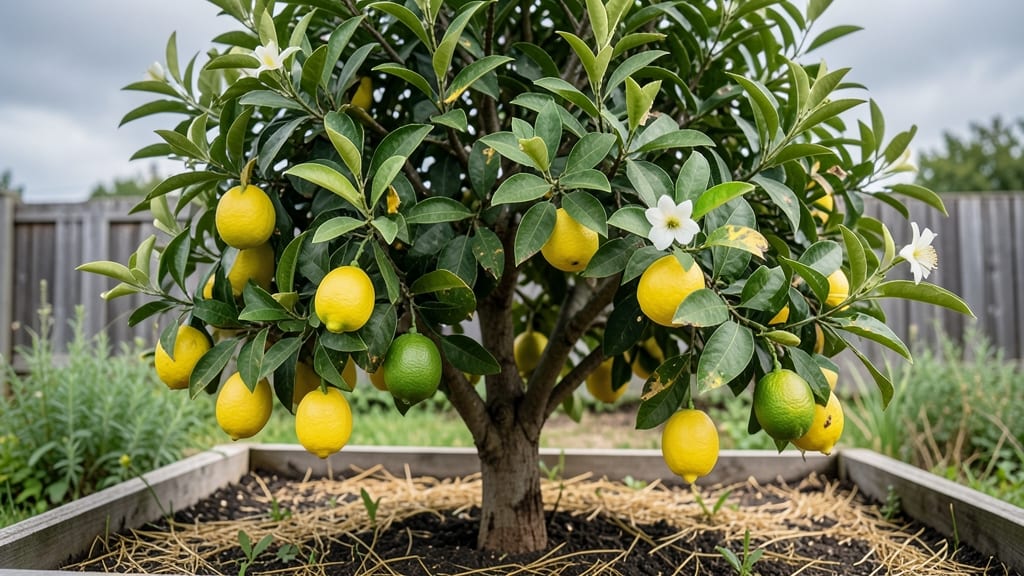
Growing a Valley Lemon Tree in the Pacific Northwest feels like cheating the climate—this cold-hardy citrus thrives where most lemons would freeze. 🌱 I’ve watched mine produce fruit indoors through winter after years of trial and error, and the secret lies in mimicking its Mediterranean roots with precise care.
The key isn’t just sunshine; it’s the balance of water, warmth, and protection from drafts that keeps this tree productive year-round.
This variety handles containers beautifully, making it perfect for patios or sunrooms where space is limited. Start with a 10-15 gallon pot for mature trees, using a well-draining mix of potting soil and perlite.
Place it where it gets 6-8 hours of sunlight daily—a south-facing window or grow lights work indoors, while outdoor spots need shelter from wind and frost. Fertilize lightly every 4-6 weeks in growing season, and reduce watering in winter to prevent root rot.
Pruning in late winter encourages bushier growth, and harvesting begins in fall through winter—when your kitchen smells like a California orchard. The fruit ripens slowly, so patience pays off. Even in Zone 8, with the right setup, you’ll harvest dozens of lemons annually, perfect for fresh juice or preserves.
The trade-off? Vigilance against spider mites and root-bound stress, but the payoff is worth it.
Whether you’re growing in a greenhouse, sunroom, or protected patio, the Valley Lemon Tree delivers reliable citrus where others fail. The first year is about establishing roots; by year two, you’ll wonder why you ever bought store-bought lemons. Let’s get yours thriving—step by step.
📚 In This Guide
- What you need
- Instructions
- Tips and common mistakes
- Wrapping up and next steps
What you need
- ● Pruning shears: Bypass pruners (for cuts up to ½ inch thick) – look for sharp, stainless-steel blades.
- ● Loppers: 1 pair (for thicker branches, ½ to 1½ inches) – choose bypass or anvil style (avoid anvil for citrus to prevent crushing).
- ● Pruning saw: 1 handheld saw (for branches over 1½ inches) – opt for a curved blade for precision.
- ● Disinfectant: 70% isopropyl alcohol or a 10% bleach solution (1 part bleach to 9 parts water) – sterilize tools between cuts to prevent disease.
- ● Gloves: Heavy-duty gardening gloves (cut-resistant) – protects hands from thorns and sap.
- ● Rags or paper towels: For wiping tools and hands.
- ● Trash bags or bucket: 1-2 large bags (for collecting pruned branches).
- ● Permanent marker: 1 (for labeling branches if grafting or propagating).
- ● Hand pruners with a crimper: For sealing larger cuts (reduces sap loss).
- ● Ladder or step stool: If your tree is tall (ensure it’s stable!).
- ● Tree wound dressing: Skip this! Valley Lemon Trees heal best with open air—dressings can trap moisture.
- ● Camera or phone: To document your tree’s progress before/after pruning.
- ● Know your tree’s age: Young trees (under 3 years) need light shaping; mature trees (3+ years) can handle structural pruning.
- ● Check the weather: Prune on a dry, overcast day (avoid extreme heat or frost).
- ● Gather inspiration: Sketch or research your desired tree shape (e.g., open vase or central leader).
- ● Safety first: Wear long sleeves/pants to avoid sap irritation and check for pests or disease before cutting.
Step-by-step instructions for growing a thriving valley lemon tree
Here's how to cultivate a productive citrus tree that flourishes even in cooler climates.
🌱 Step 1: Select the Right Variety and Planting Site
Choose a Valley Lemon Tree grafted onto a Citrange Carrizo rootstock—this hybrid handles cooler temperatures better than standard lemons. The Pacific Northwest's USDA Zones 7-10 demand a sheltered microclimate, so plant near a south-facing wall or in a large container that can be moved indoors during winter.
Dig a hole twice as wide as the root ball but only as deep. Amend the native soil with 3-4 inches of compost mixed into the bottom third of the hole—this improves drainage while retaining moisture. The tree needs full sun (6-8 hours daily) but will tolerate partial shade in summer's intense heat.
☀️ Step 2: Establish Proper Watering and Fertilization Routines
Water deeply once weekly during the first year, ensuring the top 6 inches of soil stay moist but not soggy. Overwatering in winter causes root rot, so reduce to every 2-3 weeks once established. I like to use drip irrigation to keep moisture consistent—lemon trees hate wet foliage, so avoid overhead watering.
Fertilize monthly from spring to fall with a citrus-specific fertilizer (look for a 6-6-6 or 8-8-8 NPK ratio). Apply half the recommended dose in early spring to encourage new growth, then switch to full strength once leaves appear. Stop fertilizing in late fall to let the tree rest through winter.
✂️ Step 3: Prune for Shape and Fruit Production
Prune in late winter or early spring before new growth begins. Remove dead, diseased, or crossing branches first—these compete for energy and reduce fruit quality. Then shape the tree by cutting back overly long branches to 1/3 their length, focusing on the outer canopy to improve air circulation.
Thin fruit when lemons are golf-ball sized—leave 6-8 inches between remaining fruits to prevent overcrowding. This ensures larger, sweeter lemons. Avoid heavy pruning in summer; the tree needs foliage to photosynthesize and support fruit development.
🪴 Step 4: Protect From Frost and Pests
When temperatures drop below 25°F, move container-grown trees indoors near a sunny window or under grow lights. For in-ground trees, wrap the trunk with burlap and cover with frost cloth—lemons can survive brief dips to 20°F but prolonged cold kills the tree.
Watch for scale insects and aphids on new growth. Spray with neem oil (mixed at 1 tbsp per gallon of water) every 2 weeks during warm months. I also introduce ladybugs—they devour pests naturally without harming the tree.
⏰ Step 5: Harvest and Extend the Season
Lemons ripen 12-18 months after flowering, so mark blooms with a toothpick to track maturity. Harvest when fully yellow and slightly soft to the touch. In cooler climates, indoor-grown trees produce year-round, while outdoor trees yield spring through fall—bring containers inside before frost.
To extend fruiting, prune lightly after harvest and fertilize again in early spring. Mature trees produce 50-100 lemons annually with proper care—enough for fresh juice, preserves, or gifting. Store lemons at room temperature for up to 2 weeks or refrigerate for 2-3 months.
Tips & tricks for perfect valley lemon tree cultivation
A few strategic moves will help your Valley Lemon Tree thrive in the Pacific Northwest's unique climate. These are the secrets that separate a struggling citrus tree from a productive, year-round producer.
Microclimate Selection: The Pacific Northwest's cooler climate means your Valley Lemon Tree needs a sheltered spot that gets at least 6-8 hours of direct sunlight daily. I've found that planting near a south-facing wall or using large containers that can be moved indoors during winter creates the perfect microclimate. If you're planting in-ground, look for areas protected from prevailing winds - even a slight windbreak can make a significant difference in winter survival.
Soil Preparation Strategy: Don't just plant your Valley Lemon Tree in amended soil - create a dedicated planting zone. Mix the 3-4 inches of compost thoroughly into the bottom third of the planting hole to ensure proper drainage while retaining moisture. I like to add a handful of perlite to the mix for additional aeration, especially in heavier clay soils common in the Pacific Northwest. This preparation prevents the root rot that can occur when water pools around the roots.
Seasonal Watering Adjustments: The weekly watering schedule in Step 2 needs careful attention to seasonal changes. During the first year, check soil moisture by inserting your finger 2-3 inches deep - if it's dry at this depth, it's time to water. In winter, reduce to every 2-3 weeks and only water if the soil is completely dry. Overwatering during dormancy is the number one cause of winter dieback in citrus trees.
Pest Prevention Calendar: The neem oil application schedule in Step 4 works best when combined with regular inspections. I start checking for scale insects and aphids in late spring and continue through fall, using a magnifying glass to examine new growth. Introduce ladybugs in early summer when pest populations are typically at their peak - they'll provide natural control for weeks after release. This proactive approach prevents the infestations that can stress your tree and reduce fruit production.
Pro Tips for Valley Lemon Tree
- A few strategic moves will help your Valley Lemon Tree thrive in the Pacific Northwest's unique climate.
- Microclimate Selection: The Pacific Northwest's cooler climate means your Valley Lemon Tree needs a sheltered spot that gets at least 6-8 hours of direct sunlight daily.
- Soil Preparation Strategy: Don't just plant your Valley Lemon Tree in amended soil - create a dedicated planting zone.
Frequently asked questions
Got questions about growing and maintaining your Valley Lemon Tree? You’re not alone—citrus care can feel tricky, especially in the Pacific Northwest’s unique climate! Here are answers to the most common queries to keep your tree thriving year-round.
How cold can a Valley Lemon Tree tolerate?
A Valley Lemon Tree is a hardy hybrid bred for milder climates, but it still needs protection from frost. While it can handle brief dips to 25°F (-4°C), prolonged cold below 30°F (-1°C) risks damage. In the PNW, grow it in a container and move it indoors or under a frost cloth during winter. For outdoor planting, choose a microclimate (like a south-facing wall) to buffer temperature swings.
When should I prune my Valley Lemon Tree?
Prune your tree late winter or early spring (February–March) before new growth starts. This encourages airflow and fruit production while avoiding winter stress. Avoid heavy pruning in fall—it can stimulate tender new growth that won’t survive cold snaps. Light shaping after flowering (summer) is fine, but focus on removing dead wood and crossing branches year-round.
Why isn’t my Valley Lemon Tree bearing fruit?
Common reasons include lack of sunlight (6+ hours daily), young age (trees may take 2–3 years to fruit), or improper pollination. Hand-pollinate flowers with a soft brush if bees are scarce. Also, check for nutrient deficiencies—lemon trees thrive with citrus-specific fertilizer (high in nitrogen early, potassium later). Overwatering can stress the tree, too!
Can I grow a Valley Lemon Tree from seed?
While possible, seed-grown trees rarely produce true lemons—they’re more likely to be sour, seedy, or sterile. For reliable fruit, buy a grafted Valley Lemon Tree from a nursery. If you’re experimenting, expect 3–5 years before potential (but unpredictable) fruit. Grafting onto a hardy rootstock like Poncirus trifoliata improves cold tolerance.
What should I do if my leaves turn yellow?
Yellow leaves often signal overwatering, underwatering, or nutrient issues. Check the soil—it should stay slightly moist but never soggy. Yellowing at the edges? Likely underwatering or low humidity. Yellowing with brown spots? Fungal issues (like citrus greening) may be at play. Adjust care, trim affected leaves, and consider a fungicide if needed. Test soil pH (ideal: 6.0–7.0) too!
Are there alternatives to Valley Lemons for the PNW?
If Valley Lemons prove too finicky, try these PNW-friendly citrus hybrids:
- Improved Meyer Lemon: Sweeter, more cold-hardy (down to 15°F/-9°C with protection).
- Calamondin Orange: Compact, fragrant, and tolerates 20°F (-7°C).
- Kumquat: Tiny, edible peel, and thrives in containers.
- Trifoliate Orange (Poncirus): Hardy rootstock for grafting other citrus.
All can handle the PNW’s wet winters better than true lemons!
Wrapping up and next steps
Growing your own valley lemon tree in the Pacific Northwest isn’t just a dream—it’s a rewarding journey that brings fresh, homegrown citrus to your table year-round! 🌱 With the right pruning techniques and care, you’ll enjoy a thriving tree that produces sweet, juicy lemons for decades.
Whether you’re a beginner or a seasoned gardener, this guide gives you the confidence to nurture your tree into a vibrant, productive centerpiece.
Ready to take the next step? Start by scheduling your first pruning session this fall—it’s the perfect time to shape your tree and encourage healthy growth. Grab your tools, roll up your sleeves, and get ready to savor the fruits of your labor! 🍋✨