
Trees
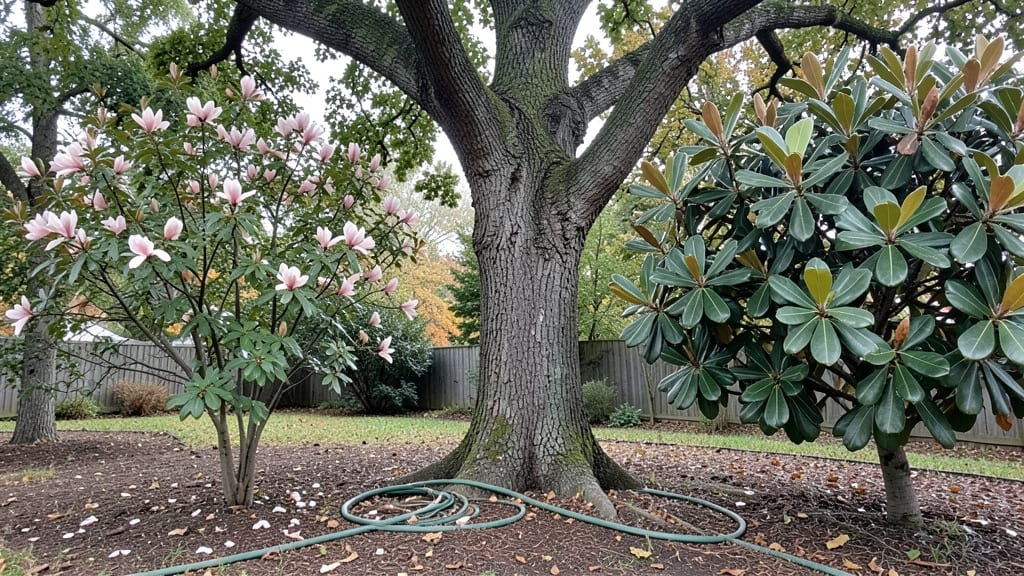
Planting trees around your home for a Pacific Northwest frost-resistant privacy screen transforms a bare yard into a lush, wind-blocking retreat. 🌲 After years of battling soggy winters and sketchy privacy, I finally found evergreens that thrive in our damp, chilly climate—no fuss, no die-off.
The right mix of conifers and broadleaf natives creates year-round screening that outlasts the frost and still looks stunning in summer.
Start with native species like Western Red Cedar or Emerald Green Arborvitae—they handle our wet winters and salty air like champs. Pair them with Oregon Grape Holly for texture and berries, and you’ve got a low-maintenance screen that birds will love too.
Spacing matters: give evergreens 8-12 feet apart for full coverage in 5-7 years, and plant in early spring to avoid winter stress.
By summer, you’ll have a dense, fragrant barrier that blocks wind, muffles traffic noise, and adds value to your home. The cedar’s rich aroma alone makes it worth the wait. Plus, mature trees can cut heating costs by 20-30%—that’s real savings with zero effort after planting.
Works for modern minimalist yards or cozy cottage gardens alike. Just avoid planting too close to foundations (keep roots 10+ feet away), and you’re golden. Ready to turn that exposed yard into a private oasis?
📚 In This Guide
- What you need
- Instructions
- Tips and common mistakes
- Wrapping up and next steps
What you need
- ● Frost-resistant tree saplings: 5–10 plants (species like Arbutus 'Marina', Holm oak, or Pacific dogwood—check local nurseries for cold-hardy options).
- ● Topsoil or compost: 2–3 cubic yards (for nutrient-rich planting beds).
- ● Mulch (wood chips or bark): 1–2 bags (to retain moisture and regulate soil temperature).
- ● Organic fertilizer: 1–2 bags (slow-release, like 10-10-10 or compost-based).
- ● Tree guards or protective wraps: 5–10 units (to shield young trees from frost and pests).
- ● Drip irrigation or soaker hoses: 50–100 feet (for consistent watering in frost-prone areas).
- ● Shovel: 1 (for digging planting holes).
- ● Wheelbarrow: 1 (for transporting soil and mulch).
- ● Measuring tape: 1 (to mark spacing—aim for 6–10 feet apart for dense screening).
- ● Pruning shears: 1 (for trimming dead branches or shaping saplings).
- ● Garden hose or watering can: 1 (for initial watering).
- ● Gloves and knee pads: 1 pair each (for comfort and protection).
- ● Erosion control fabric: 1 roll (if planting on a slope).
- ● Tree stakes and ties: 5–10 sets (for extra support in windy areas).
- ● Soil moisture meter: 1 (to monitor hydration levels).
- ● Frost cloth: 1–2 rolls (for added winter protection during the first year).
- ● Native plant guidebook: 1 (to identify local frost-resistant species).
How to plant a frost-resistant privacy screen for Pacific Northwest homes
Here's my battle-tested approach for a lush, windbreak screen that thrives in wet winters and survives freezing temps.
🌱 Step 1: Select the Right Tree Species for Your Climate
For the Pacific Northwest's USDA zones 7-9, I recommend evergreen species like Leyland cypress, Western red cedar, or Oregon grape holly—they hold their foliage year-round and handle 15-25°F without browning. Avoid tender tropicals like camellias that crisp in our frosts. Check local nurseries for native cultivars like Vancouver holly or Nootka cypress, which have built-in resilience to wet winters and fungal pressures.
Space 4-6 feet apart for mature screens—this ensures full coverage without overcrowding. I always plant in odd-numbered groupings (3, 5, or 7 trees) to create natural curves that break wind more effectively. Dig holes twice as wide as the root ball but only as deep as the container—planting too deep suffocates roots.
🪴 Step 2: Prepare Planting Sites with Proper Drainage
Pacific Northwest soil stays saturated for months—amend heavy clay with 3-4 inches of compost mixed into the backfill to improve aeration. I test drainage by digging a 12-inch deep hole and filling it with water; if it drains in under 30 minutes, the site is safe. For poor drainage, add crushed gravel at the bottom of the hole before planting.
Plant on a cool, overcast day to reduce transplant shock. Remove trees from containers and soak roots for 10-15 minutes in lukewarm water to revive stressed roots. Stake only if necessary—young Leyland cypress may need support in windy sites, but cedars and hollies usually stabilize on their own.
☀️ Step 3: Mulch and Water for First-Year Establishment
Spread 3-4 inches of wood chips (not bark) in a 3-foot diameter ring around each tree, keeping mulch 6 inches away from the trunk to prevent rot. Water deeply twice weekly until new growth appears—1-2 gallons per tree for the first month. You'll know moisture is right when the soil feels damp 6 inches down but not soggy.
Fertilize lightly in early spring with balanced 10-10-10 (½ cup per tree) to encourage root growth. Avoid high-nitrogen fertilizers—they promote tender new shoots that freeze back in winter. Prune only to remove dead branches or crossing limbs in late winter, never in fall when wounds won't heal before cold snaps.
⏰ Step 4: Monitor and Maintain for Long-Term Privacy
Check trees monthly for aphids or spider mites—common in our humid climate. Spray with neem oil if you see sticky residue on leaves (honeydew). In years 2-3, thin out the innermost branches to let light penetrate and reduce fungal diseases like cedar rust, which thrives in dense, shaded screens.
By year 5, your screen should reach 10-12 feet tall—tall enough to block wind and views while filtering sunlight. I recommend layering with shrubs like Oregon grape at the base for extra density. This combination creates a year-round barrier that stays green even in our grayest winters.
Tips & tricks for perfect Pacific Northwest frost-resistant privacy screens
Here's what I've learned from years of planting these screens—details that make all the difference in survival and growth.
Species Selection: When choosing between Leyland cypress, Western red cedar, or Oregon grape holly, consider your specific needs. Leyland cypress grows fastest (up to 3 feet per year) but may need more maintenance against fungal diseases, while cedars are more naturally resistant to pests. For maximum windbreak, I recommend planting Leyland cypress in windy areas and cedars where you want lower maintenance. Native cultivars like Vancouver holly offer built-in resilience to our climate's challenges.
Planting Depth: The 10-15 minute root soaking before planting is crucial—it revives stressed roots and helps them establish faster. After planting, resist the urge to bury the root ball too deeply. The top of the root ball should sit just above ground level, never below it. Planting too deep suffocates roots and can lead to poor establishment, especially in our wet climate where oxygen becomes scarce.
Drainage Test: That 30-minute drainage test is non-negotiable in the Pacific Northwest. If water drains slower than 30 minutes, you absolutely need to add crushed gravel at the bottom of the hole. I've seen too many trees fail because of poor drainage—this simple test prevents years of frustration. For clay-heavy soils, consider planting on a slight mound to improve drainage.
Mulching Technique: The 3-4 inches of wood chips should create a donut shape around your trees, not a mound against the trunk. This prevents rot while protecting roots from temperature fluctuations. I also recommend using only untreated wood chips—treated mulch can leach chemicals that harm young trees. The mulch ring should extend out to the tree's drip line (the edge of its canopy) for maximum protection.
Pro Tips for Trees Around Home
- Here's what I've learned from years of planting these screens—details that make all the difference in survival and growth.
- Species Selection: When choosing between Leyland cypress, Western red cedar, or Oregon grape holly, consider your specific needs.
- Planting Depth: The 10-15 minute root soaking before planting is crucial—it revives stressed roots and helps them establish faster.
Frequently asked questions
Got questions about planting and maintaining frost-resistant trees for privacy in the Pacific Northwest? Here are some of the most common concerns—and their answers—to help you make the best choices for your home.
What are the best frost-resistant trees for privacy in the PNW?
The Pacific Northwest’s cold winters call for hardy trees like Thuja plicata (Western Red Cedar), Tsuga heterophylla (Western Hemlock), or Pseudotsuga menziesii (Douglas Fir). These species thrive in zones 5-8 and handle frost, wind, and rain without fuss. For extra density, consider Chamaecyparis lawsoniana (Lawson Cypress), which stays lush even in chilly climates.
How close can I plant trees to my house without causing damage?
Keep trees at least 15–25 feet away from your home to avoid root interference with foundations or driveways. Smaller trees (like Amelanchier alnifolia) can go closer (10–15 ft), but larger evergreens need space to grow. Always check local building codes—some areas require setbacks for fire safety.
When is the best time to plant trees in the Pacific Northwest?
The ideal window is late fall (October–November) or early spring (March–April), when soil is workable but not frozen. Avoid planting in summer heatwaves or winter freezes. Bare-root trees can even be planted in dormant winter months (Dec–Feb) if soil isn’t frozen.
How do I prune frost-resistant trees to encourage growth and privacy?
Prune in late winter or early spring (before new growth) to shape your trees and remove dead branches. Focus on thinning out crowded areas to improve airflow and sunlight penetration. Use clean, sharp tools to avoid disease, and avoid heavy pruning—stick to 25% or less of the tree’s foliage per year.
Will frost-resistant trees still need winter care?
Most PNW-native trees are low-maintenance, but young trees benefit from a 3–4 inch layer of mulch to insulate roots. Water deeply before the first hard freeze if the ground is dry. Avoid heavy snow buildup on branches—gently shake it off or use a broom to prevent breakage.
What if my tree doesn’t grow as expected?
Slow growth could stem from poor soil, compacted roots, or underwatering. Test your soil’s pH (PNW trees prefer 5.0–7.0) and amend with compost if needed. If roots are circling, gently loosen them with a fork. For evergreens, yellowing needles may signal overwatering—let soil dry slightly between waterings.
Wrapping up and next steps
Planting frost-resistant trees like those native to the Pacific Northwest isn’t just about adding beauty—it’s about creating a thriving, sustainable privacy screen that stands the test of time (and weather!). From Douglas firs to Oregon grape hollies, these trees offer lush greenery, resilience, and year-round interest.
Whether you’re starting small with saplings or dreaming big for a full-grown hedge, every step you take brings you closer to a serene, secluded outdoor space.
Ready to get growing? Start by sketching your design—measure your space, pick your favorites from this guide, and reach out to local nurseries for expert advice. Your future self (and your neighbors!) will thank you. 🌿✨