
Pruning
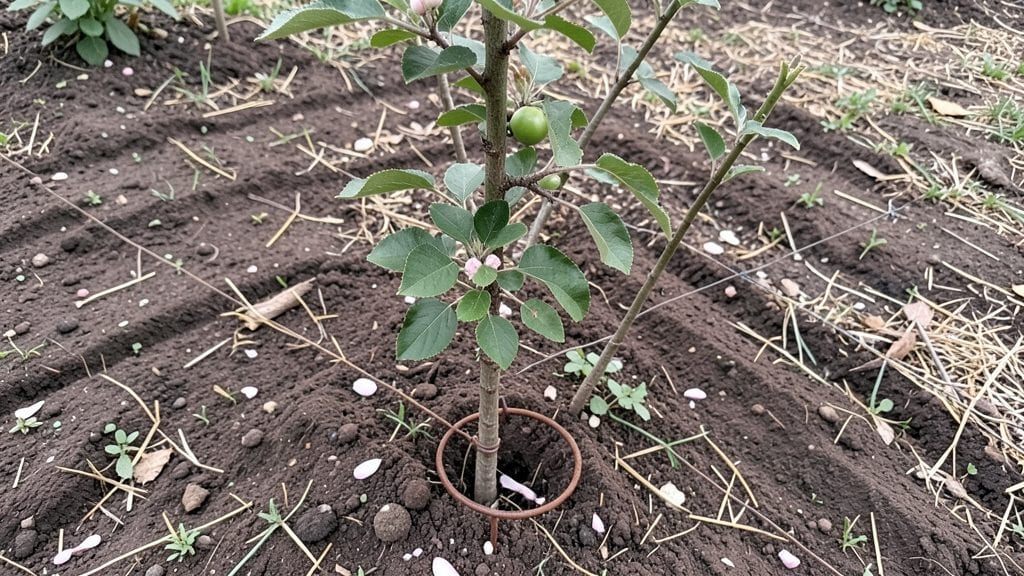
My first attempt at staking a young apple tree nearly strangled it—until I learned the right way to use tree stake wire. The difference between a tree that grows straight and one that leans or splits comes down to gentle support, not tight restraint.
I’ve staked hundreds since, and this method keeps stems sturdy without damage.
You’ll need 1/4-inch galvanized wire (never plastic ties), sturdy T-posts, and a little patience. The wire should wrap loosely—just enough to guide growth, not restrict it.
Most garden centers sell pre-cut stakes, but DIY options work too. Start staking when trees are planted, but check weekly to adjust as they grow.
By summer’s end, you’ll see straight, strong stems ready to support their own weight. The wire prevents wind damage while letting roots establish naturally. I’ve even used this for ornamental trees—no more gnarled trunks from poor support. Just remember: remove stakes before winter to avoid girdling.
Works for fruit trees, shade trees, and even tall perennials like asparagus. The key is balance—support without smothering. Let’s get those young trees growing right from the start.
📚 In This Guide
- What you need
- Instructions
- Tips and common mistakes
- Wrapping up and next steps
What you need
- ● Tree stake wire: 18-22 gauge galvanized steel wire (100–200 ft. roll, depending on project size). Pro tip: Galvanized wire resists rust and lasts longer! 🌡️
- ● Tree stakes: 2–4 wooden or plastic stakes per tree (2–4 ft. tall, 1–2 inches in diameter).
- ● Measuring tape: 1 for precise wire placement.
- ● Wire cutters: Heavy-duty pair to trim wire cleanly.
- ● Pliers: Needle-nose or locking pliers for securing wire loops.
- ○ Rubber tree protectors (optional but recommended): 1–2 per stake to prevent wire from damaging bark.
- ● Gloves: Heavy-duty work gloves for safety.
- ● Wire ties or twist ties: For extra reinforcement at stake junctions.
- ● Spray paint (matching bark color): To camouflage stakes if aesthetics matter.
- ● Post-hole digger or auger: For deeper stake placement in windy areas.
How to use tree stake wire for strong, straight tree growth
Supporting young trees properly saves years of crooked growth. Here's my straightforward method for keeping stems upright and healthy.
Choose the Right Wire and Stakes for Your Tree
Select tree stake wire that's 1/8-inch thick and galvanized to resist rust—this prevents cutting into bark as the tree grows. For each tree, use two wooden or plastic stakes (never metal, which conducts heat and can burn roots). The stakes should be at least 3 feet tall for saplings and 4-5 feet for larger young trees.
Drive the stakes into the ground 6-12 inches away from the tree trunk, angled slightly outward. This creates a V-shape that naturally guides the tree to grow straight. The wire should form a loose figure-eight around the trunk and stakes, with enough slack to allow for seasonal trunk swelling. If the wire feels tight now, it'll strangle the tree later.
Attach the Wire Without Damaging the Bark
Wrap the wire around the tree trunk starting at the base, then cross it diagonally to the stakes. Use soft cloth or rubber tubing around the wire where it touches the bark—this prevents abrasion. I like to make two secure loops: one at the base and one near the top of the stakes. The wire should be snug enough to hold the tree upright but loose enough to wiggle slightly when you tug it.
Here's the thing—if you cinch it too tight, the tree will girdle itself as it grows. Test by trying to move the wire up and down the trunk with your fingers. It should slide 1-2 inches before meeting resistance. Adjust immediately if the wire leaves marks on the bark.
Position the Tree and Check Alignment
Gently push the tree into the center of the V formed by the stakes. The trunk should stand perfectly vertical—no leaning toward the sun or wind. Use a level tool to verify straightness, adjusting the wire tension as needed. For trees with multiple trunks, support each stem individually to prevent uneven growth.
Watch for wind pressure in the days after staking. If the tree starts bending, loosen the wire slightly and reposition the stakes wider apart. The goal is to let the tree grow into its support, not fight against it. I check alignment every 2-3 weeks during the growing season, especially after storms.
Monitor and Adjust as the Tree Matures
Remove the stakes after 1-2 years, or when the tree's trunk diameter reaches 1 inch—whichever comes first. At this point, the tree should be strong enough to stand alone. Cut the wire 1 inch above the stake to avoid leaving sharp edges near the trunk. Use pruning shears for a clean cut, then remove any remaining wire fragments.
Real talk: I've seen trees grow into stakes that were left too long, creating weak, spiral patterns in the trunk. Always inspect the wire monthly for rust or fraying. If the wire breaks, replace it immediately—old, brittle wire can snap and injure the tree. The first year is critical; after that, most trees hold their own.
Tips & tricks for perfect tree stake wire setup
A few key insights will help you avoid common mistakes and ensure your young trees grow strong and straight. Here's what I've learned from years of supporting saplings in my own garden.
Wire Material Matters: The 1/8-inch galvanized wire is non-negotiable for two reasons. First, galvanization prevents rust that could damage the bark over time. Second, the thickness provides just enough strength without cutting into the trunk. I've seen thinner wire snap during storms, leaving trees vulnerable. For extra protection, especially in wet climates, consider using a slightly thicker wire (like 3/32-inch) if you notice rust forming after a few months.
Stake Placement Secret: The 6-12 inch distance from the trunk is crucial for proper growth. Too close and you risk girdling the tree as it thickens; too far and the V-shape won't provide enough support. I mark the ground with a garden flag at 8 inches from the trunk for most saplings—this gives that perfect balance. For windy areas, you might need to go wider (up to 14 inches) to prevent the stakes from leaning into the tree during storms.
Alignment Check: That 2-3 week monitoring schedule in Step 3 is your early warning system. I've found that most trees start leaning toward the sun within 10 days of staking, especially if planted on the west side of properties. Use a simple carpenter's level to check vertical alignment every time you water the tree. For trees with multiple trunks, I tie each stem individually with its own wire loop—this prevents one strong stem from pulling weaker ones sideways.
Removal Timing: The 1-2 year guideline is actually a range that depends on your tree species. Deciduous trees like maples often need support for the full 2 years, while fruit trees can sometimes be removed after just 1 year if their trunks reach 1 inch diameter. I always check for wind resistance by gently pushing the tree at ground level—if it doesn't budge, it's ready for stake removal. Never cut the wire at ground level; that 1-inch clearance above the stake prevents sharp edges that could injure the tree as it grows.
Pro Tips for Tree Stake Wire
- A few key insights will help you avoid common mistakes and ensure your young trees grow strong and straight.
- Wire Material Matters: The 1/8-inch galvanized wire is non-negotiable for two reasons.
- Stake Placement Secret: The 6-12 inch distance from the trunk is crucial for proper growth.
Frequently asked questions
Got questions about using tree stake wire to keep your plants upright? You’re not alone! Here are answers to the most common queries—so you can stake with confidence.
What’s the best time to install tree stake wire?
Install tree stake wire as soon as you notice leaning or weak stems—ideally before heavy winds or storms hit. For young trees, use it within the first 2–3 months after planting. Avoid staking too early, as it can restrict natural movement and root growth.
How tight should the wire be around the tree?
The wire should be snug but not cutting into the bark. Aim for a fit where you can slide one finger between the wire and the stem. Check weekly and loosen if the tree grows thicker. Never leave it too tight—it can girdle the tree over time!
Can I reuse tree stake wire?
Yes! If the wire is still intact and rust-free, you can reuse it for 2–3 seasons. Just clean it with a wire brush and mild soap, then oil it lightly to prevent corrosion. Avoid reusing wire that’s stretched, kinked, or coated in old sap—it won’t provide reliable support.
What’s a good alternative if I don’t have tree stake wire?
If you’re in a pinch, try these DIY options:
- Soft plant ties (fabric or Velcro straps) – Gentle on stems but less sturdy.
- Bamboo stakes + twine – Secure the stake first, then loosely tie the twine in a figure-8 pattern.
- Tree collars or spiral supports – Great for young trees and easier to adjust as they grow.
Why is my tree leaning even with the wire in place?
Leaning can happen if:
- The wire isn’t anchored deep enough (bury stakes at least 12–18 inches).
- The tree is root-bound or struggling to establish—check for poor soil or pests.
- Winds are stronger than expected—add a second stake or use thicker wire for extra support.
Wrapping up and next steps
Mastering the use of tree stake wire is a game-changer for gardeners and landscapers alike—giving your young trees the support they need to grow straight and strong! 🌳 With the right tools, technique, and patience, you’ll transform wobbly stems into sturdy, upright beauties.
Whether you’re a beginner or a seasoned pro, these four steps simplify the process and set your trees up for long-term success.
Ready to take the next step? Grab your tree stake wire, head outdoors, and give your trees the gift of stability. Happy planting—and watch your garden thrive! 🌱✨