
Pruning
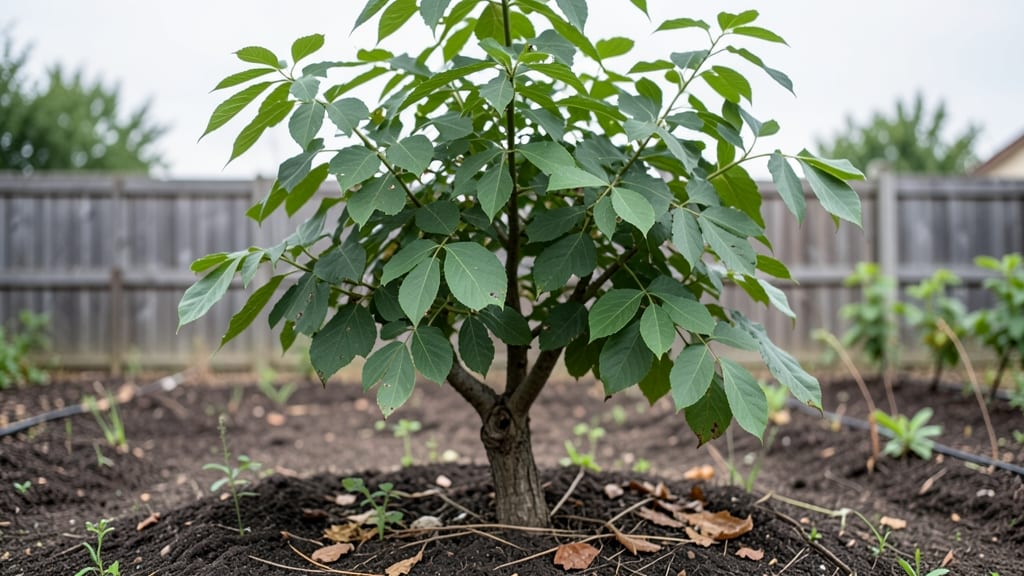
Identifying those Tree of Heaven buds in early spring is like spotting a secret code—small, reddish-brown, and clustered at the stem tips, they’re your first clue the tree’s about to burst into growth. 🌱 I’ve learned to watch for them in late February or March, when they swell before leaves emerge, signaling it’s time to act if you’re managing this fast-growing tree.
The buds are the key to controlling its invasive tendencies, and knowing when they appear helps you time pruning for maximum impact.
Pruning Tree of Heaven isn’t just about cutting branches—it’s about working with those buds to shape growth. Start by removing suckers (those aggressive shoots at the base) as soon as they sprout, since they’re fueled by stored energy from last year’s buds.
For larger branches, prune just above a bud pointing in the direction you want new growth to go. This method keeps the tree contained while encouraging healthier, more controlled blooms later in the season.
You’ll see buds transform into fragrant, green foliage by late spring, and with the right pruning, you can even coax a second flush of growth in summer.
The tree’s rapid growth means you’ll need to repeat this process every few months, but the payoff is a tree that stays in check while still adding beauty to your landscape.
The buds themselves can even be used for propagation—just take cuttings with at least one bud and root them in moist soil.
Whether you’re dealing with an established Tree of Heaven or a young sapling, the timing of those buds is everything. In colder climates, buds may not emerge until April, while warmer zones see them earlier.
The key is observing your tree’s rhythm and pruning when buds are still dormant but ready to burst—before they turn into unmanageable growth. With this approach, you’ll turn an invasive challenge into a manageable, even ornamental, feature of your yard.
📚 In This Guide
- What you need
- Instructions
- Tips and common mistakes
- Wrapping up and next steps
What you need
- ● Pruning shears: Bypass pruners (for small branches, 5–8 inches) or anvil pruners (for thicker branches, 10+ inches). Must be sharp and sterilized!
- ● Loppers: 1 pair (for branches ½–2 inches thick). Look for ratcheting loppers for extra leverage.
- ○ Pruning saw: 1 curved-tooth saw (for branches 2+ inches thick). Optional but handy for stubborn cuts.
- ● Gloves: Heavy-duty gardening gloves (cut-resistant, like mechanics’ gloves or pruning-specific). Disinfectant: 70% isopropyl alcohol or a pruning sealant (to prevent disease spread).
- ● Extension pole: 1 (6–10 ft) with a pruner attachment (for high branches).
- ● Trash bags: 2–3 heavy-duty bags (for debris cleanup).
- ● Ladder (if needed): Sturdy, extension ladder (rated for your height + 3 ft safety margin).
- ● Pruning paint/sealant: For large cuts (>1 inch) to protect the tree.
- ● Hand saw: Folding pruning saw for intricate cuts.
- ● Work boots: With ankle support (for stability on uneven ground).
- ● Tree tie or zip tie: To secure branches during heavy pruning.
- ● Notebook & pen: To sketch your pruning plan or track bud locations.
How to prune Tree of Heaven for continuous flowering
Here’s how I keep my Tree of Heaven blooming reliably year after year—no guesswork, just strategic cuts.
🌿 Step 1: Identify Flowering Buds and Dormant Growth
Tree of Heaven blooms on new wood, so focus on last year’s growth. Look for swollen buds along branches—these are your future flowers. I run my fingers along branches to feel for the firm, rounded buds; they’re often hidden under fuzzy silver foliage. Avoid cutting into old, woody stems—they won’t produce flowers.
Mark branches with 3+ healthy buds for pruning. These clusters will support the heaviest blooms. Use a sharp pruning shears to make clean cuts just above a bud, angled slightly downward to prevent water pooling. Never cut into the bud itself—this kills potential flowers.
✂️ Step 2: Prune for Airflow and Light Penetration
Remove 1/3 of the plant’s oldest branches in early spring to encourage new growth. Start with the innermost branches—these block light and airflow, creating damp conditions that invite pests. Cut back to a strong lateral branch or the main trunk, always leaving a bud or leaf node to promote regrowth.
Thin out crowded stems to 6-8 inches apart—this prevents overcrowding and fungal issues. I step back every few cuts to visualize the shape; the goal is an open, vase-like structure that lets sunlight reach the center. Avoid heavy pruning in late summer—this stimulates tender growth that won’t harden off before winter.
☀️ Step 3: Stimulate New Growth for Fall Blooms
After the first flush of flowers fades, prune again in early July to trigger a second bloom cycle. Focus on semi-mature stems (those from last year’s growth) and cut back by half their length. This shock encourages the plant to produce fresh buds for late-season blooms.
Water deeply 24 hours before pruning—hydrated stems heal faster. After cutting, apply a balanced fertilizer (10-10-10) to support regrowth. Watch for new shoots emerging within 2-3 weeks; these are your future flower stems. If you see no new growth after 4 weeks, reduce nitrogen next time—too much leafy growth means fewer blooms.
⏰ Step 4: Winter Pruning for Structure and Health
In late winter, just before buds swell, prune to shape the tree and remove dead, diseased, or crossing branches. Cut back weak stems to a strong lateral branch, and thin out any that rub against others. This prevents wounds and improves airflow, reducing fungal risks.
I also remove suckers (shoots growing from the base) immediately—they drain energy from flowering. Use sterilized shears to avoid spreading disease, and dispose of pruned branches in the trash (not compost) if they show signs of infestation. A light layer of mulch around the base helps protect new growth as temperatures fluctuate.
🌱 Step 5: Post-Pruning Care for Year-Round Blooms
After each major pruning, water deeply once a week unless rain provides 1 inch of moisture. Tree of Heaven is drought-tolerant once established, but new growth needs consistent moisture. I check soil 2 inches down—if it’s dry, water slowly at the base to avoid wetting foliage (which encourages mildew).
Monitor for aphids or spider mites after pruning—new growth attracts pests. Spray with neem oil if you spot sticky residue on leaves. With consistent pruning, your Tree of Heaven will reward you with three bloom cycles per year: spring, summer, and fall. The key is timing—always prune just before the plant naturally pushes new growth.
Tips & tricks for year-round Tree of Heaven blooms
These simple strategies will help you maximize your Tree of Heaven's flowering potential without the guesswork.
Timing is Everything: The 24-hour hydration tip before pruning is non-negotiable. I've learned this the hard way—dry stems heal poorly and are more prone to infection. For extra insurance, I water the day before AND the day of pruning, especially during dry spells. This creates the perfect conditions for rapid regrowth after cuts.
Visual Cues for Pruning: When you're thinning branches in Step 2, step back every few cuts to visualize the shape. You're aiming for an open, vase-like structure where sunlight can reach the center. Think of it like sculpting—you want to remove branches that block light from the inner growth. This prevents that damp, shaded environment where pests thrive.
Bud Identification Secret: In Step 1, if you're struggling to find buds, look for the fuzzy silver foliage first—it's often hiding the buds underneath. I also use my fingernail to gently scrape along the branch; healthy buds will feel firm and rounded, while dormant growth feels smoother. This tactile check helps me identify exactly where to make my cuts without damaging potential flowers.
Fertilizer Strategy: After pruning in Step 3, I always apply a balanced 10-10-10 fertilizer, but here's my secret: I mix it with water to create a light foliar spray. This gives the plant an immediate nutrient boost through the leaves while the roots absorb through the soil. Just be sure to do this on a calm day so the spray doesn't evaporate too quickly.
Pro Tips for Tree Of Heaven Bud
- These simple strategies will help you maximize your Tree of Heaven's flowering potential without the guesswork.
- Timing is Everything: The 24-hour hydration tip before pruning is non-negotiable.
- Visual Cues for Pruning: When you're thinning branches in Step 2, step back every few cuts to visualize the shape.
Frequently asked questions
Got questions about Tree of Heaven buds and pruning? You're not alone! Here are some of the most common queries—and their answers—to help you grow lush, year-round blooms with confidence.
When is the best time to prune Tree of Heaven for bud growth?
The ideal time is late winter or early spring, just before new growth begins. This encourages vigorous bud development. Avoid heavy pruning in fall, as it can stimulate tender new growth that won’t survive winter. For minor shaping, summer pruning is fine, but focus on removing spent blooms to redirect energy.
Can I prune Tree of Heaven buds too much? What are the signs?
Yes! Over-pruning can stress the tree, leading to fewer buds or stunted growth. Watch for yellowing leaves, bare branches, or excessive sap—these are red flags. Stick to removing no more than 25% of the canopy in one session, and prioritize dead, diseased, or crossing branches first.
Why aren’t my Tree of Heaven buds opening? Troubleshooting tips.
Bud issues often stem from poor timing, nutrient deficiencies, or environmental stress. Check for:
- Late frosts damaging buds (prune earlier next year).
- Underwatering (keep soil consistently moist but not soggy).
- Insufficient sunlight (6+ hours of sun/day is ideal).
- Lack of fertilizer (use a balanced 10-10-10 in early spring).
Are there alternatives to Tree of Heaven for bud-heavy trees?
If you love showy buds but want lower-maintenance options, consider:
- Bradford Pear – Early spring blooms, but invasive roots.
- Crabapple (Malus spp.) – Disease-resistant with stunning buds.
- Serviceberry (Amelanchier) – Edible berries + fragrant buds.
- Fringe Tree (Chionanthus) – Unique white buds, drought-tolerant.
How do I remove Tree of Heaven buds without harming the tree?
Use clean, sharp pruners and make cuts at a 45-degree angle, just above a bud or lateral branch. Avoid tearing or crushing buds—this can invite disease. For large clusters, prune in stages over 2–3 years to reduce stress. Always sterilize tools with rubbing alcohol between cuts to prevent bacterial spread.
Wrapping up and next steps
Mastering the art of pruning Tree of Heaven buds unlocks a stunning year-round display of vibrant blooms—proving that patience and precision pay off! 🌿 Whether you’re trimming for shape, health, or seasonal bursts of color, the key lies in timing, technique, and consistency.
Now that you’re armed with the right tools and know-how, there’s no better time to roll up your sleeves and give your tree the care it deserves.
💡 Next step: Grab your pruners, mark your calendar for the next pruning window, and start small—even a few well-placed cuts can make a world of difference. Happy pruning! 🌸