Pruning
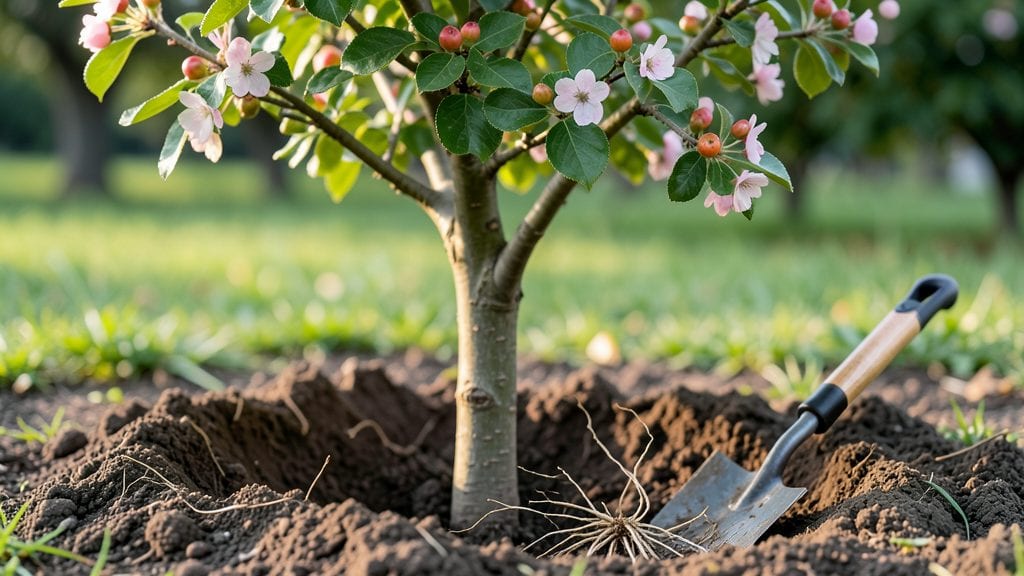
Planting a crabapple tree means adding a four-season star to your landscape—bright spring blooms, summer shade, fiery fall foliage, and winter interest from persistent fruits. 🌿 I planted mine last autumn, and by June, it was already 3 feet tall with buds swelling for next spring.
The secret starts with the right spot: full sun and well-draining soil are non-negotiable, but even a slightly shady corner can work if you amend the soil properly.
You’ll need a hole twice as wide as the root ball but only as deep—planting too deep suffocates roots. Mix in compost or aged manure to give your tree a nutrient boost right from the start.
Water deeply after planting, then keep the soil moist (not soggy) for the first few weeks while roots establish. Mulch around the base, but keep it 3 inches away from the trunk to prevent rot.
Within a year, you’ll see strong new growth and maybe even a few tiny apples. Crabapples are tough—they handle drought once established and resist most pests, but watch for apple scab in humid climates.
Prune only to shape in the first year; let the tree focus on root growth before you start heavy pruning.
This tree thrives in zones 3-8, making it perfect for northern gardens where other fruit trees fail. The key is patience—full beauty takes 3-5 years, but every spring you’ll get that first flush of blossoms as your reward. Ready to plant yours?
📚 In This Guide
- What you need
- Instructions
- Tips and common mistakes
- Wrapping up and next steps
What you need
- ● Crabapple tree: Choose a frost-hardy variety (e.g., 'Adirondack,' 'Dolgo,' or 'Sargent') from a reputable nursery. Opt for a 1- to 3-gallon container-grown sapling for easier handling.
- ● Shovel or trowel: A round-point shovel (for digging) and a hand trowel (for finer adjustments).
- ● Planting hole: Dig a hole twice as wide as the root ball but no deeper than the container’s depth.
- ● Native soil or amended mix: If your soil is clay-heavy, mix in compost or peat moss (1 part amendment to 3 parts soil).
- ● Mulch: 3–4 inches of organic mulch (e.g., shredded bark or wood chips) to retain moisture and regulate temperature.
- ● Water: A hose with a gentle spray nozzle or a watering can (5+ gallons).
- ○ Stakes (optional but recommended): 2–3 wooden stakes (1.5–2 inches in diameter) and soft tree ties to support young trees in windy areas.
- ● Soil pH tester: Crabapples prefer slightly acidic soil (pH 5.5–6.5). Adjust with lime or sulfur if needed.
- ● Root stimulator: A mycorrhizal fungus powder or rooting hormone to boost early growth.
- ● Pruning shears: For trimming any damaged roots or branches during planting.
- ● Garden gloves: To protect your hands from thorns and rough soil.
- ● Post-hole digger (if staking): For driving stakes securely into the ground.
Step-by-Step instructions for planting a crabapple tree
Here's the straightforward method I use to plant a crabapple tree that thrives for decades.
🪴 Step 1: Choose the Perfect Spot and Dig the Hole
Pick a location with full sun (at least 6 hours daily) and room to grow—mature crabapples reach 20-30 feet wide. Avoid low spots where water pools after rain. The hole should be twice as wide as the root ball but only as deep—never deeper than the root flare where roots meet trunk.
Use a shovel to loosen the soil around the edges of the hole. This prevents compaction that could strangle roots later. I always test the soil by squeezing a handful—if it forms a tight ball, add 2-3 inches of compost to the bottom of the hole to improve drainage and fertility.
🌱 Step 2: Prepare the Tree and Position It Correctly
Remove the tree from its container and gently loosen the roots with your fingers if they're circling. Straighten any bent roots—never force them. The root flare (where roots spread at the base) should sit 1-2 inches above ground level to prevent rot. This is critical: planting too deep suffocates the tree.
Place the tree in the hole and step back to check alignment. The trunk should grow straight, not leaning toward the sun. Fill the hole with native soil (not amended soil) and tamp down lightly every 6 inches to eliminate air pockets. Water deeply until the soil settles—you'll see the hole shrink as moisture fills gaps.
💧 Step 3: Water Thoroughly and Add Mulch
Give the tree 10 gallons of water immediately after planting. This helps settle the soil and eliminates air pockets around roots. Water slowly at the base, avoiding the trunk, until it seeps into the hole. You'll know you've done enough when water runs out the bottom and the soil looks uniformly damp.
Spread 3 inches of mulch (wood chips or shredded bark) over the root zone, keeping it 6 inches away from the trunk. This protects roots from temperature swings and retains moisture. I always check mulch depth annually—too much suffocates roots, while too little leaves them exposed to extreme heat or cold.
☀️ Step 4: Stake Only If Necessary and Prune Lightly
Stake the tree only if it leans—most crabapples don't need support. If you do stake, use two stakes on opposite sides and tie the trunk loosely with rubberized fabric strips (never wire, which can girdle the bark). The goal is to keep the tree upright for a year while roots establish, not to strangle it.
Prune only to remove dead, broken, or crossing branches. Use clean, sharp pruners to make cuts just outside the branch collar. Avoid heavy pruning now—crabapples bloom on old wood, and aggressive cuts reduce next year's flowers. I skip pruning entirely if the tree looks healthy after planting.
⏰ Step 5: Monitor and Care for the First Year
Water once a week during the first growing season unless rain provides 1 inch of moisture. Check soil moisture by sticking your finger 2 inches deep—if it feels dry, water deeply. Overwatering is worse than underwatering; soggy soil invites root rot. You'll see new growth in spring as a sign roots are establishing.
Fertilize only if the tree shows signs of stress (yellow leaves, stunted growth) after a year. Use a balanced, slow-release fertilizer (10-10-10) in early spring. Avoid high-nitrogen fertilizers—they promote leafy growth at the expense of flowers and fruit. Mulch annually to replenish organic matter and protect roots as the tree matures.
Tips & tricks for planting a crabapple tree
Here's what I've learned from planting dozens of crabapple trees that thrive year after year—these little details make all the difference.
Soil Test First: Before digging, test your soil's pH—crabapples prefer slightly acidic soil (pH 6.0-6.5). If your soil tests too alkaline, amend with sulfur or peat moss during planting. I've seen trees struggle in heavy clay soils, so if yours feels compacted, mix in 2-3 inches of compost throughout the hole as mentioned in Step 1. This improves drainage while keeping nutrients available.
Root Ball Handling: When removing your tree from the container in Step 2, soak the root ball in water for 10-15 minutes before loosening roots. This prevents transplant shock. I also recommend cutting away any plastic container wrap—roots need to breathe immediately. If you notice circling roots, gently tease them apart with your fingers rather than forcing them straight.
Watering Wisdom: That 10-gallon watering in Step 3 is just the beginning. After planting, create a watering basin by mounding soil around the base to hold moisture. I water mine again after 3 days and then weekly as specified, but I always check soil moisture by sticking my finger 2 inches deep—if it feels dry, I water more. Overwatering is the #1 mistake I see with new trees.
Mulch Matters: The 3 inches of mulch in Step 3 should be organic (wood chips or bark), not plastic or rocks. I add a 1-inch layer of compost under the mulch to give roots a nutrient boost. Remember to keep mulch 6 inches away from the trunk—this prevents rot and pest issues. Replenish mulch annually to maintain that protective layer.
Pro Tips for Planting A Crabapple Tree
- Here's what I've learned from planting dozens of crabapple trees that thrive year after year—these little details make all the difference.
- Soil Test First: Before digging, test your soil's pH—crabapples prefer slightly acidic soil (pH 6.0-6.5).
- Root Ball Handling: When removing your tree from the container in Step 2, soak the root ball in water for 10-15 minutes before loosening roots.
Frequently asked questions
Got questions about planting your crabapple tree? You’re not alone—these are the most common ones we hear! Below, we’ve rounded up answers to help you plant with confidence and avoid pitfalls.
When is the best time to plant a crabapple tree?
The ideal window is early spring (March–April) or fall (October–November), when soil is workable but not frozen. Planting in spring lets roots establish before summer heat, while fall gives them time to grow before winter dormancy. Avoid extreme heat or cold—roots need consistent moisture and moderate temps to thrive!
How close to my house or fence should I plant it?
Crabapple trees mature at 15–25 feet tall (depending on variety), so plant at least 10–15 feet from structures to avoid root conflicts and future pruning headaches. Check your local ordinances—some areas regulate tree spacing near sidewalks or driveways. Pro tip: Sketch your yard layout first to visualize mature size!
Why is my newly planted crabapple tree wilting or turning yellow?
Wilting or yellowing leaves often signal overwatering, underwatering, or transplant shock. Check soil moisture (it should feel like a damp sponge), ensure proper drainage, and avoid deep watering until roots adjust (usually 2–4 weeks). If leaves curl or drop, reduce watering and mulch to retain moisture. Patience is key—healthy growth takes time!
Can I plant a crabapple tree in a container or small space?
While possible, crabapples thrive best in open ground with room to spread roots. For containers, choose dwarf varieties (like ‘Sentinel’ or ‘Centennial’) and use a 50-gallon pot with drainage. Repot every 2–3 years, but know they’ll need annual pruning to control size. Small spaces? Opt for a columnar or weeping cultivar instead!
Do crabapple trees attract pests like aphids or borers?
Yes, but don’t panic! Aphids and borers are common, but healthy trees resist them better. Prevent issues by:
- Planting in full sun (6+ hours/day) for strong growth.
- Watering deeply but infrequently to avoid stress.
- Using neem oil or insecticidal soap if pests appear.
Wrapping up and next steps
Planting a crabapple tree is a rewarding way to add color, fragrance, and seasonal interest to your landscape—whether you’re drawn to its spring blooms, summer shade, or autumn foliage.
With the right variety, soil prep, and care, your tree will thrive for decades, offering beauty and ecological benefits like pollinator support. Now that you’re equipped with the know-how, there’s no better time to roll up your sleeves and get growing!
🌱 Next step: Pick your favorite frost-hardy variety, check your local frost dates, and mark your calendar for planting season—spring or early fall. Happy digging! 🌳