
Trees
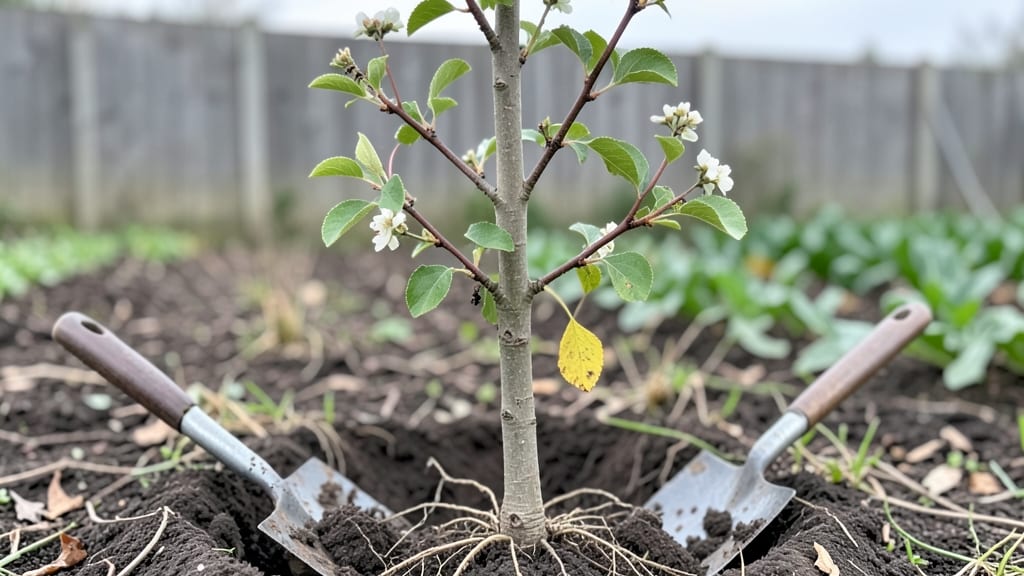
Here are some tips for growing fruit trees that’ll turn your backyard into a harvest goldmine—just ask my apple saplings, now laden with fruit after years of careful planning. The biggest mistake? Skipping soil prep or overwatering. These trees need deep roots and steady care to thrive.
Start with the right spot: 6+ hours of sun, well-draining soil, and space to grow (15–25 feet apart). Young trees need 1–2 gallons of water weekly, but established ones handle drought better.
Prune in late winter to shape the tree and remove dead branches—this keeps energy focused on fruit production.
By year three, you’ll see real harvests: crisp apples, juicy peaches, or tart cherries, depending on your choice. The key is consistency—fruit trees reward long-term care with decades of bounty. Even if pests strike, organic sprays and proper spacing keep them in check.
Works for any climate (with the right varieties) and space—balcony dwarf trees or full-size backyard giants. Let’s get those roots growing strong!
📚 In This Guide
- What you need
- Instructions
- Tips and common mistakes
- Wrapping up and next steps
What you need
- ● Fruit Tree Sapling or Bare-Root Tree: 1-2 high-quality, disease-resistant trees (e.g., apple, peach, citrus, or avocado). Choose varieties suited to your climate!
- ● Soil Amendments: Compost (5-10 gallons) – improves drainage and nutrients.
- ○ Organic matter like aged manure or leaf mold (optional but helpful).
- ● Planting Supplies: 1 shovel or trowel (for digging).
- ● 1 wheelbarrow (for moving soil).
- ● 1 hose or watering can (with a spray nozzle).
- ● Mulch (3-4 inches of wood chips or straw) – retains moisture and suppresses weeds.
- ● Support Structures (if needed): 1-2 stakes (4-6 feet tall) + tree ties (for young, top-heavy trees like peaches or apples).
- ● Soil pH test kit – ensures your soil is in the ideal range (most fruit trees prefer 6.0-7.0).
- ● Slow-release fertilizer (10-10-10 or organic options like alfalfa meal).
- ● Pruning shears (for shaping and maintaining health).
- ● Drip irrigation system (for consistent watering, especially in dry climates).
- ● Fruit tree spray (organic or chemical) – prevents pests/diseases like aphids or fungal infections.
Step-by-Step guide to growing healthy fruit trees
Here's how I've grown thriving fruit trees with consistent harvests—no guesswork involved.
Choose the Right Variety for Your Climate
Start by selecting fruit tree varieties that thrive in your USDA hardiness zone and match your growing conditions. For example, peaches need warm winters and hot summers, while apples handle colder climates better. I always check local nursery recommendations or extension service guides to avoid disappointment.
Dwarf varieties are ideal for small spaces—they produce fruit just like full-size trees but stay manageable. Just ensure your yard has enough space for the mature spread, even if the tree starts small. A 6-foot by 6-foot planting area works well for most dwarf trees, giving roots room to establish without competing with other plants.
Plant at the Correct Time and Depth
Plant bare-root trees in late winter or early spring while they're still dormant, or container-grown trees in early spring. This timing gives roots time to establish before summer heat stress. Dig a hole twice as wide as the root ball but no deeper—you want the graft union (the bump near the base) 2-3 inches above ground level after backfilling.
Loosen the roots gently if they're circling or bound, then place the tree in the hole so the roots spread naturally. Fill the hole with native soil, tamping lightly to remove air pockets. Water deeply right after planting to settle the soil and eliminate gaps. A 5-gallon bucket of water should soak the root zone thoroughly.
Provide Proper Watering and Mulching
Water newly planted trees deeply once a week for the first year, aiming for 1-1.5 inches of water per session. Young trees need consistent moisture to establish roots, but avoid soggy soil—drainage is critical. I use a soaker hose to water slowly at the base, keeping the foliage dry to prevent fungal diseases.
Apply 2-3 inches of organic mulch (like wood chips or straw) around the base, keeping it 6 inches away from the trunk to prevent rot. Mulch conserves moisture, regulates soil temperature, and suppresses weeds. Replenish mulch annually, but never let it pile against the trunk—this creates a moist environment that invites pests.
Prune for Structure and Airflow
Prune young trees in late winter (before buds swell) to remove dead, crossing, or inward-growing branches. This opens the canopy for better airflow and sunlight penetration, which reduces disease risk. Use clean, sharp pruners and make cuts just outside the branch collar—the swollen area where the branch meets the trunk.
For the first few years, focus on shaping the tree into an open-center or central leader form, depending on the variety. Remove any suckers (shoots growing from the base) immediately—they drain energy from the main tree. Thin out branches to leave 4-6 inches of space between them, ensuring sunlight reaches the center.
Fertilize and Monitor for Pests
Apply a balanced, slow-release fertilizer (like 10-10-10) in early spring and again in mid-summer, following package instructions. Over-fertilizing can lead to excessive leaf growth at the expense of fruit production. I also add compost or well-rotted manure around the drip line (the edge of the tree's canopy) to improve soil health gradually.
Watch for common pests like aphids, codling moths, or scale insects, and treat them early with neem oil or insecticidal soap if needed. Healthy trees with good airflow rarely suffer severe infestations, but regular inspections catch problems before they spread. Remove any fallen fruit or leaves promptly—they can harbor diseases and pests over winter.
Tips & tricks for perfect fruit tree cultivation
Real talk: Growing fruit trees from scratch can feel overwhelming, but these proven tips will help you avoid common pitfalls and set your trees up for long-term success.
Variety Selection Tip: Beyond just checking your USDA hardiness zone, consider your specific microclimate. For example, while peaches thrive in warm climates, some cold-hardy varieties like 'Reliance' peaches can handle zones 5-9. I always ask local orchardists which varieties produce reliably in my area—this saves years of trial and error. Also, choose disease-resistant varieties when possible, especially if your region has specific fungal issues like apple scab or peach leaf curl.
Planting Technique: The 6-foot by 6-foot planting area mentioned in Step 1 isn't just about root space—it's about creating a dedicated growing zone. I like to add a 5-gallon bucket of compost mixed into the native soil before planting. This gives roots an instant nutrient boost while preventing soil compaction. For container-grown trees, gently tease apart any circling roots before planting to encourage outward growth rather than root-bound patterns.
Watering Wisdom: That once-a-week deep watering in Step 3 is crucial, but timing matters just as much. Water in the early morning to allow foliage to dry completely before evening, which helps prevent fungal diseases. I've found that using a rain gauge or tuna can (with 1.5-inch markings) is more accurate than eyeballing water amounts. For newly planted trees, I also recommend installing a simple drip irrigation system on a timer—it eliminates guesswork and ensures consistent moisture.
Pruning Pro Tip: When shaping your tree in Step 4, remember that every cut affects the tree's future growth. I always make cuts at a 45-degree angle just outside the branch collar, which helps prevent water from pooling and causing rot. For young trees, prioritize removing branches that grow toward the center—this creates that open canopy that reduces disease risk. And here's a trick: paint pruning cuts with tree sealant to prevent disease entry, especially on larger branches over ½ inch in diameter.
Pro Tips for Tips For Growing Fruit Trees
- Real talk: Growing fruit trees from scratch can feel overwhelming, but these proven tips will help you avoid common pitfalls and set your trees up for long-term success.
- Variety Selection Tip: Beyond just checking your USDA hardiness zone, consider your specific microclimate.
- Planting Technique: The 6-foot by 6-foot planting area mentioned in Step 1 isn't just about root space—it's about creating a dedicated growing zone.
Frequently asked questions
Got questions about growing your own fruit trees? You’re not alone! Here are answers to some of the most common concerns—from timing to troubleshooting—to help you cultivate a thriving orchard with confidence.
What’s the best time of year to plant fruit trees?
The ideal time to plant fruit trees is in early spring (just before buds swell) or late fall (6-8 weeks before the first frost). This gives roots time to establish before extreme temperatures. Avoid planting in summer heat or winter freezes, as stress can stunt growth. Pro tip: Bare-root trees (sold without soil) plant best in early spring!
How long does it take for a fruit tree to bear fruit?
Most fruit trees take 3–5 years to produce fruit, though dwarf varieties may fruit sooner (1–3 years). Patience is key! Factors like sunlight, soil quality, and proper pruning speed up the process. Dwarf trees are great for small spaces but still need consistent care. Bonus: Some trees (like figs) may surprise you with early fruit—just don’t expect a full harvest!
Why aren’t my fruit trees producing fruit?
Common culprits include lack of pollination (plant two compatible varieties), poor soil (test pH and amend with compost), or over-pruning (leave enough branches for energy). Young trees may also prioritize root growth over fruiting. Fix: Hand-pollinate with a paintbrush if bees are scarce, and fertilize with citrus-specific nutrients in early spring.
Can I grow fruit trees in containers? What’s the best setup?
Yes! Dwarf or semi-dwarf varieties (like columnar apples or patio peaches) thrive in containers. Use a 5-gallon pot minimum, ensure drainage holes, and repot every 2–3 years. Tip: Choose self-pollinating types (e.g., ‘Bonanza’ pear) and place pots in full sun. Move indoors during winter if temps drop below 20°F.
How do I protect my fruit trees from pests and diseases?
Prevention is key! Start with healthy soil (resistant to fungal issues) and prune regularly to improve airflow. For pests, use neem oil or horticultural soap early in the season. Watch for aphids, borers, or fungal spots—remove affected leaves immediately. Pro move: Introduce beneficial insects like ladybugs or install birdhouses to deter critters naturally.
Wrapping up and next steps
Growing fruit trees is a rewarding journey that combines patience, care, and a touch of nature’s magic. 🌱 From choosing the right variety to nurturing your tree with proper soil, sunlight, and pruning, each step brings you closer to a bountiful harvest.
Remember, even the most experienced gardeners started with their first sapling—so don’t hesitate to experiment, learn, and enjoy the process!
Now that you’re armed with these tips for growing fruit trees, why not take the next step? Start small—plant a single tree, or expand your orchard with confidence. Your future harvests (and maybe even your neighbors’ envy) will thank you! 🍏🍊