
Pruning
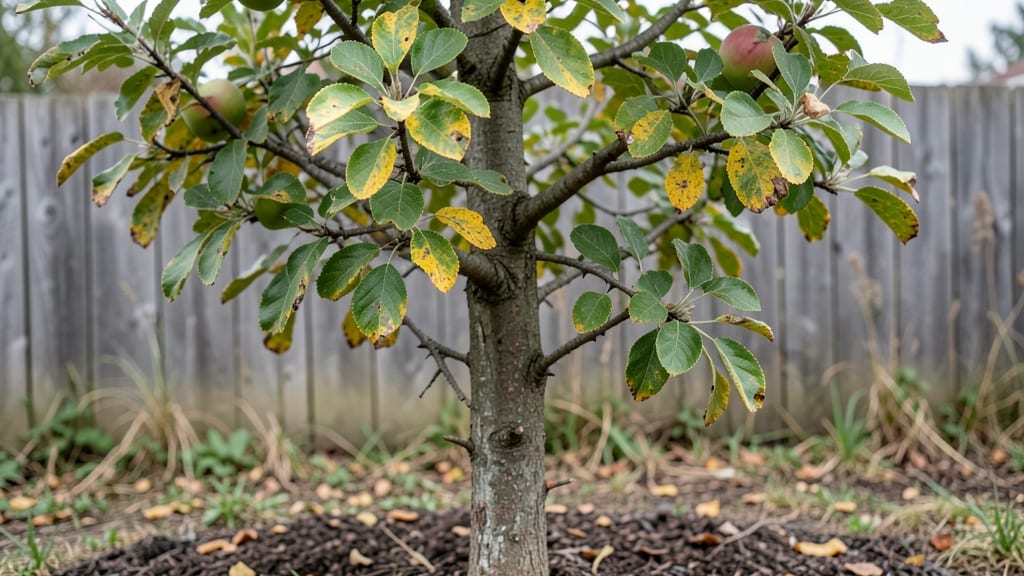
Pruning a thorny apple tree—like the tough Ziziphus jujuba—isn’t just about shaping branches; it’s about surviving Pacific Northwest winters. I’ve learned the hard way that skipping pruning means tangled, frost-susceptible limbs that snap under ice.
The right cuts create a sturdy, open framework that lets sunlight warm the center and rainwater drain quickly.
Start with sharp pruners and a clean workspace—thorny branches demand respect. Focus on removing dead or crossing limbs first, then thin out crowded branches to improve airflow.
Pacific Northwest winters test these trees, so prioritize cuts that reduce wind resistance and ice buildup. A well-pruned tree recovers faster after frost and produces better fruit.
By late winter or early spring, you’ll see the difference: a neat, frost-resistant shape with fewer weak limbs. The tree’s natural resilience shines through, and you’ll avoid the heartbreak of winter damage. Plus, the open structure makes future pruning easier—no more wrestling with tangled branches.
This method works for both ornamental and fruit-bearing varieties, though always wear gloves. The trade-off? A little extra effort now means fewer headaches during storm season. Ready to transform your tree into a Pacific Northwest powerhouse?
📚 In This Guide
- What you need
- Instructions
- Tips and common mistakes
- Wrapping up and next steps
What you need
- ● Pruning shears: Bypass pruners (for clean cuts on small branches, 4–6 inches in blade length). Quantity: 1 pair.
- ● Loppers: Bypass or anvil type (for thicker branches, 8–12 inches in length). Quantity: 1 pair.
- ● Hand saw: Pruning saw with a curved blade (for stubborn, woody stems). Quantity: 1.
- ● Gloves: Heavy-duty, thorn-resistant (leather or reinforced fabric). Quantity: 1 pair.
- ● Safety goggles: (to protect against flying debris). Quantity: 1 pair.
- ● Disinfectant: 70% isopropyl alcohol or bleach solution (1 part bleach to 9 parts water). Quantity: Small spray bottle.
- ○ Pruning sealant: Optional but recommended (for large cuts to prevent disease). Quantity: Small jar.
- ● Weather: Prune on a dry, overcast day (avoid frost or extreme heat).
- ● Time of year: Late winter or early spring (before new growth starts).
- ○ First aid kit: Optional but smart (for minor cuts or thorn pricks).
- ● Ladder or stool: If needed (for taller trees, ensure it’s stable and rated for your weight).
- ● Sterilize tools between cuts to avoid spreading disease—especially important in damp PNW climates! 🌧️
- ● Use sharp tools to make clean cuts; dull blades tear bark and invite pests. ⚡
- ● Have a bucket of water nearby to rinse tools and clean up sap or debris. 💦
Instructions for pruning a thorny apple tree in the Pacific Northwest
Shaping your thorny apple tree for frost resilience and Pacific Northwest weather starts with strategic cuts—here’s how to do it right.
Identify and Remove Dead or Diseased Wood
Start by inspecting the tree for branches that are brown, brittle, or oozing sap—these are dead or diseased and must be removed immediately. Thorny apple trees are tough, but infected wood spreads disease quickly in damp PNW climates. Use sharp, clean pruning shears to cut just outside the branch collar, the swollen area where the branch meets the trunk. This ensures the tree seals the wound properly and prevents rot.
Watch for branches that cross or rub against each other—they’ll create wounds that invite pests. If two branches compete for space, remove the smaller one at its base. I always prune these first because they’re the easiest to spot and fix without complicating the rest of the tree’s structure.
Thin the Canopy for Better Airflow and Frost Resistance
Thorny apple trees thrive in the PNW’s cool, moist air, but dense canopies trap humidity and invite fungal diseases like apple scab. Aim to remove 20-30% of the tree’s total foliage by selectively thinning branches. Focus on the inner branches that block light and air from reaching the center of the tree. These branches often grow weakly and produce poor fruit, so removing them improves both health and yield.
Look for branches that grow straight up or downward—they create a crowded, unstable structure. Instead, keep branches that grow at a 45-degree angle or wider, as they distribute weight more evenly and allow sunlight to penetrate deeper. If you’re unsure which to cut, hold your hand up to the branch: if it blocks more than half your field of vision, it’s likely too dense.
Shape the Tree for Frost Hardiness and Wind Resistance
The PNW’s frost and wind demand a low, rounded crown for your thorny apple tree. Start by removing any branches that grow below the main scaffold branches—these are the thick, sturdy limbs that form the tree’s skeleton. Keep only the strongest, most evenly spaced scaffold branches, spacing them 8-12 inches apart along the trunk. This spacing prevents overcrowding and ensures each branch gets enough light and air.
Next, shorten the remaining branches by one-third to encourage bushier growth and reduce wind damage. Cut just above an outward-facing bud or a lateral branch to promote new growth in the right direction. Avoid cutting back to a stub—this leaves the tree vulnerable to disease. If you’re pruning in late winter or early spring, you’ll also stimulate earlier flowering, which helps the tree bloom after frost threats have passed.
Prune for Fruit Production and Thorn Management
Thorny apple trees produce fruit on spurs, which are short, stubby branches that form along the main limbs. To encourage spurs, prune back last year’s growth by one-third in late winter. This stimulates the tree to produce new spurs, which will bear fruit in the following season. Avoid heavy pruning of older wood, as it removes potential fruit-bearing spurs.
Since thorny apple trees are named for their sharp thorns, use them to your advantage by pruning to reduce thorn density where you’ll be working. Thin out thorny branches on the lower trunk and scaffold limbs, leaving only a few well-spaced thorns to deter pests. This makes harvesting and maintenance easier while keeping the tree’s natural defenses intact.
Clean Up and Apply Protective Measures
After pruning, sterilize your tools with rubbing alcohol to prevent spreading disease between cuts. Remove all pruned branches and leaves from the area—these can harbor pests and diseases over winter. If you’re pruning in late winter, apply a dormant oil spray to protect the tree from overwintering pests like aphids and mites, which are common in the PNW.
Finally, mulch the base of the tree with 3-4 inches of organic mulch, such as wood chips or straw, to insulate the roots from frost. Keep the mulch 6 inches away from the trunk to prevent rot. Water the tree deeply after pruning to help it recover, especially if you’ve done heavy cutting. The tree will respond with vigorous new growth come spring, setting it up for a productive season.
Tips & tricks for pruning thorny apple trees in the Pacific Northwest
Pruning your thorny apple tree correctly can transform its resilience against PNW's frost and wind—here's how to elevate your technique.
Tool Prep is Non-Negotiable: Before you even touch the tree, sharpen your pruning shears with a dedicated sharpening stone or file. Dull blades crush wood fibers instead of cutting cleanly, creating jagged wounds that invite disease. I also keep a small bottle of rubbing alcohol handy to sterilize between cuts—this prevents spreading any pathogens that might be hiding in the tree's infected branches. The instructions mention sterilizing tools, but I've seen too many gardeners skip this critical step after removing diseased wood.
Visualize the Final Shape: Step back and mentally trace the ideal low, rounded crown before making any cuts. The instructions mention spacing scaffold branches 8-12 inches apart, but I find it helpful to sketch a rough outline on paper first. This prevents that "I'll fix it later" syndrome where you end up with uneven branch distribution. Focus on creating a vase-like shape that naturally sheds snow and allows sunlight to penetrate all layers of the canopy.
Thorn Management Strategy: When reducing thorn density on lower branches, I recommend working in sections rather than all at once. Start with the most accessible branches first, then move systematically around the tree. Leave thorns on upper branches where they serve as natural pest deterrents. Remember, the instructions specify reducing thorn density on lower trunk and scaffold limbs—this creates safer working space while maintaining the tree's natural defenses higher up.
Timing is Everything: Late winter pruning (just before buds swell) is ideal for thorny apple trees in the PNW, but I've learned the hard way that timing matters even within that window. Prune when temperatures consistently stay above freezing during the day—this prevents shock to the tree. If you must prune in early spring, do so after the last frost date for your specific PNW microclimate. The tree's ability to heal wounds is directly tied to these temperature conditions.
Pro Tips for Thorny Apple Tree
- Pruning your thorny apple tree correctly can transform its resilience against PNW's frost and wind—here's how to elevate your technique.
- Tool Prep is Non-Negotiable: Before you even touch the tree, sharpen your pruning shears with a dedicated sharpening stone or file.
- Visualize the Final Shape: Step back and mentally trace the ideal low, rounded crown before making any cuts.
Frequently asked questions
Got questions about pruning your thorny apple tree in the Pacific Northwest? You’re not alone! Here are some of the most common concerns—and their answers—to help you shape your tree like a pro.
When is the best time to prune a thorny apple tree in my region?
The ideal time is late winter or early spring (February–March) before new growth starts. This minimizes stress on the tree and reduces disease risk. Pro tip: Avoid pruning in fall, as fresh cuts may not heal before winter’s chill sets in.
How do I handle the thorns when pruning?
Thorns are sharp—wear thick gloves (leather or pruning-specific) and long sleeves. Use long-handled loppers to avoid close contact. If a thorn pricks you, clean the wound with soap and water to prevent infection. Pro tip: A thorn-proof apron adds extra protection!
Will pruning affect fruit production next year?
Pruning encourages better fruit production by improving airflow and sunlight exposure. Focus on removing dead, crossing, or overcrowded branches—this redirects energy to healthy growth and future harvests. Just avoid heavy pruning in fruiting years.
How do I protect my tree from frost damage after pruning?
Thorny apple trees are frost-resistant, but new cuts are vulnerable. Apply a light layer of tree wrap or anti-desiccant spray to seal wounds. Water deeply before the first hard freeze to help the roots. Pro tip: Prune on a dry, calm day to speed healing.
What are some alternatives if I don’t want to deal with thorns?
Consider thornless varieties like ‘Evereste’ or ‘Liberty’ apple trees, which still produce fruit without the hassle. If you love the look of thorny apples, hedge trimming (with proper tools) can keep them manageable. Pro tip: Plant near a fence or trellis to contain growth naturally!
Wrapping up and next steps
The thorny apple tree (Datura spp.) thrives in the Pacific Northwest’s climate when pruned with care—balancing its wild beauty with frost resilience. By shaping it properly, you’ll enjoy stunning blooms and a manageable size while protecting it from winter chill.
Your garden will reward you with vibrant, low-maintenance charm for years to come!
Ready to transform your space? Grab your tools and schedule your pruning session during late winter or early spring—just before new growth begins. Your thorny apple tree’s best look is waiting! 🌿✨