
Pruning
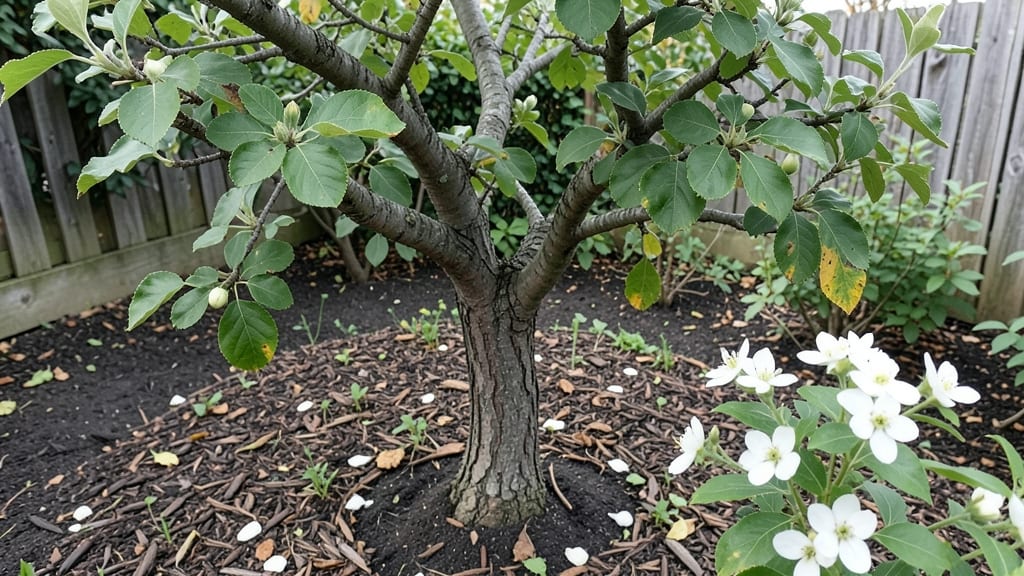
Pruning a crab tree isn't just about shaping—it's about unlocking its full potential. 🌱 I learned this the hard way when my first attempt left the tree looking like a sad, lopsided bush.
The right cuts at the right time transform a crab tree from a wild shrub into a showstopper with vibrant blooms, abundant fruit, and a sturdy structure that lasts decades.
The secret lies in timing and technique: late winter or early spring for major cuts, light shaping after flowering, and minimal pruning in summer. You'll need sharp pruners, a ladder for higher branches, and a clear vision of your tree's natural shape.
Most people over-prune, which stresses the tree—so focus on removing dead wood, crossing branches, and thinning the canopy to let sunlight reach the center.
What you end up with is a tree that bursts with rosy spring blossoms, produces clusters of tiny, tart crabapples for wildlife, and maintains a strong, disease-resistant structure. The best part?
Proper pruning extends its lifespan by decades and keeps it looking fresh year after year. Even if you've never pruned before, this method is beginner-friendly once you understand the basics.
Works for all crabapple varieties, from the classic 'Red Sentinel' to the fragrant 'Royalty'. Whether you're restoring an old tree or shaping a young one, these principles apply. Let's get those pruners ready—your tree's health depends on it.
📚 In This Guide
- What you need
- Instructions
- Tips and common mistakes
- Wrapping up and next steps
What you need
- ● Pruning shears (bypass or anvil type): Sharp, clean, and disinfected (70% isopropyl alcohol works well). Choose a pair with bypass blades for cleaner cuts (ideal for live branches).
- ● Loppers: For branches ½ to 1½ inches thick. Opt for bypass loppers with a 4- to 6-foot reach for extended arms.
- ● Pruning saw: A bow saw or curved blade saw for thicker branches (1½+ inches). Look for a non-serrated edge to avoid tearing wood.
- ● Ladder or step stool: A stable, extendable ladder (8+ feet) or a foldable step stool for hard-to-reach branches. Safety first!
- ● Heavy-duty gloves: Garden gloves with cut-resistant palms to protect against thorns and rough bark.
- ● Disinfectant solution: A 10% bleach solution (1 part bleach to 9 parts water) or rubbing alcohol (70% isopropyl) to sterilize tools between cuts (prevents disease spread).
- ● Trash bags or compost bin: For collecting pruned branches and debris. A heavy-duty contractor bag works great for bulk cleanup.
- ○ Pruning sealant (optional but recommended): A tree wound sealant (like Tanglefoot Tree Wound Pruning Seal) for cuts larger than ½ inch to prevent pests/disease.
- ● Extension pole saw: For high branches without a ladder (e.g., Fiskars X7 Extendable Pole Saw).
- ● Safety goggles: Protects eyes from debris, especially when using a saw.
- ● Work boots with grip: For stability on uneven or slippery ground.
- ● Marking spray or tape: To flag branches for removal before cutting (helps with planning).
- ● Wheelbarrow: For hauling heavy branches to the compost or curb.
- ● First-aid kit: Just in case of minor scrapes or thorn pricks!
Instructions: prune your crab tree for year-round health
Here's how I keep my crab trees thriving—with clean cuts and strategic timing.
✂️ Step 1: Prune for Structure in Late Winter
When the tree is fully dormant—typically February to early March—remove any dead, diseased, or crossing branches first. These are your priority because they won't regrow properly if left. I look for branches that are gray, brittle, or oozing sap, or those rubbing against others.
Use clean, sharp pruning shears to make cuts just outside the branch collar (that swollen area where the branch meets the trunk). Avoid leaving stubs—this prevents decay. For larger branches over 2 inches thick, use a pruning saw and make the cut 1/4 inch above a side branch to encourage proper healing.
☀️ Step 2: Thin the Canopy in Early Spring
Once new growth begins—around late March to April—focus on thinning the tree's interior. Remove up to 25% of the canopy by selecting branches that are weak, inward-growing, or overcrowded. This improves airflow and sunlight penetration, which prevents fungal diseases and encourages better blooms.
I target branches that are thinner than a pencil first, as they won’t affect the tree’s shape as much. Step back often to visualize the tree’s form—you want an open, vase-like structure. Avoid cutting more than 1/3 of the branch in one season, or you risk shock.
🌿 Step 3: Lighten Blooms After Flowering
After the tree finishes flowering—usually May to June—prune again to reduce the weight of next year’s blooms and encourage stronger growth. Remove spent flower clusters by cutting back to the nearest outward-facing bud. This also prevents seed formation, which diverts energy from the tree’s structure.
I like to shape the tree slightly during this phase, too. If any branches are growing too tall or leggy, I shorten them by 1/3 to promote bushier growth. Just avoid heavy pruning—this is about refinement, not reduction.
⏰ Step 4: Summer Maintenance for Health
Throughout June to August, keep an eye out for water sprouts (fast-growing, vertical shoots) and suckers (shoots at the base). Remove these immediately with hand pruners—they drain energy from the main structure. Also, trim any branches that are rubbing or crossing to prevent future damage.
This is also the time to sanitize your tools after each cut. A quick wipe with rubbing alcohol prevents spreading disease between branches. I do a final check in late summer to ensure no dead or dying branches slipped through earlier pruning.
Tips & tricks for pruning your crab tree
Here's what I've learned after years of keeping my crab trees healthy—these tricks make all the difference.
Timing is Everything: The February-to-March window for Step 1 is crucial because your tree's sap is dormant, which minimizes bleeding and stress. If you miss this window, wait until late fall when the tree is still dormant but not yet preparing for winter. I've seen trees recover faster when pruned during these ideal periods.
Tool Sharpness Matters: Dull pruning shears can crush branches instead of making clean cuts, which leads to slow healing and disease entry points. Before Step 1, sharpen your tools with a file or take them to a garden center for professional sharpening. I keep a small file in my toolbox specifically for this purpose—it takes just 2 minutes but prevents months of problems.
Visualize the Shape: In Step 2, when thinning the canopy, step back frequently to visualize the tree's form. Imagine an open vase shape with branches spreading outward. This isn't just about aesthetics—proper airflow prevents fungal diseases that can devastate your tree. I sketch a rough outline on paper first to guide my cuts.
Seasonal Checklist: Create a simple seasonal checklist to track your pruning tasks. Mark February-March for structural pruning, May-June for bloom refinement, and June-August for maintenance. I keep mine on my fridge door with colorful magnets for each season—it's a visual reminder that keeps me consistent. This prevents that "I'll do it later" excuse we all make!
Pro Tips for The Crab Tree
- Here's what I've learned after years of keeping my crab trees healthy—these tricks make all the difference.
- Timing is Everything: The February-to-March window for Step 1 is crucial because your tree's sap is dormant, which minimizes bleeding and stress.
- Tool Sharpness Matters: Dull pruning shears can crush branches instead of making clean cuts, which leads to slow healing and disease entry points.
Frequently asked questions
Got questions about pruning your crab tree? Here are some of the most common concerns—plus clear, actionable answers to keep your tree thriving!
When is the best time to prune a crab tree?
The ideal time is late winter to early spring (just before buds swell) when the tree is dormant. Avoid heavy pruning in fall—it can stimulate new growth that won’t harden off before winter. Light cleanup pruning (removing dead branches) can happen year-round, but never prune during active blooming (spring) to preserve flowers!
How much can I prune off a crab tree without harming it?
For mature trees, limit pruning to no more than 25% of the canopy in a single session. Young trees (under 5 years) can handle 10-15% max. Over-pruning stresses the tree, reduces flowering, and invites disease. Thin selectively—focus on removing crossing branches, dead wood, and weak growth to improve airflow.
What should I do if my crab tree bleeds sap after pruning?
Sap bleeding (especially in early spring) is normal but can be messy! Seal larger cuts (>½ inch) with pruning sealant to prevent pests/disease. For small cuts, let them heal naturally—sap flow slows as temperatures rise. Pro tip: Prune on a dry day to minimize sap loss and wear gloves to avoid sticky residue!
Can I prune a crab tree in summer? What are the risks?
Summer pruning is possible but risky—it can stimulate weak, water-sprout growth and reduce next year’s flowers. If you must prune, do so after flowering (late June–July) and keep cuts minimal. Focus on removing only diseased or damaged branches to avoid stressing the tree during peak heat.
What’s the difference between “heading back” and “thinning” a crab tree?
Thinning
removes entire branches at the base to improve light/airflow (best for large trees). Heading back cuts back branch tips to encourage bushiness (use sparingly—it can lead to dense, weak growth). For crab trees, thinning is usually better to maintain an open, flowering-friendly structure.
How do I know if I’ve pruned too much?
Watch for these red flags: excessive sap oozing, no new buds in spring, or yellowing leaves. If the tree looks stressed or bare, you’ve likely over-pruned. Give it time—healthy roots can recover, but avoid pruning for 1–2 years to let it rebound. Water deeply and fertilize lightly if needed.
Wrapping up and next steps
Pruning your crab tree isn’t just about aesthetics—it’s a year-round commitment to health, beauty, and longevity. 🌿 By mastering the right techniques (whether for shaping, disease prevention, or seasonal maintenance), you’re giving your tree the best chance to thrive for decades.
The key? Stay consistent, observe carefully, and act at the right times.
Ready to take the next step? Start by marking your calendar for late winter or early spring—the perfect time for your first major pruning session. Grab those tools, lace up your boots, and get hands-on! Your crab tree (and your neighbors) will thank you. 🌟