
Pruning
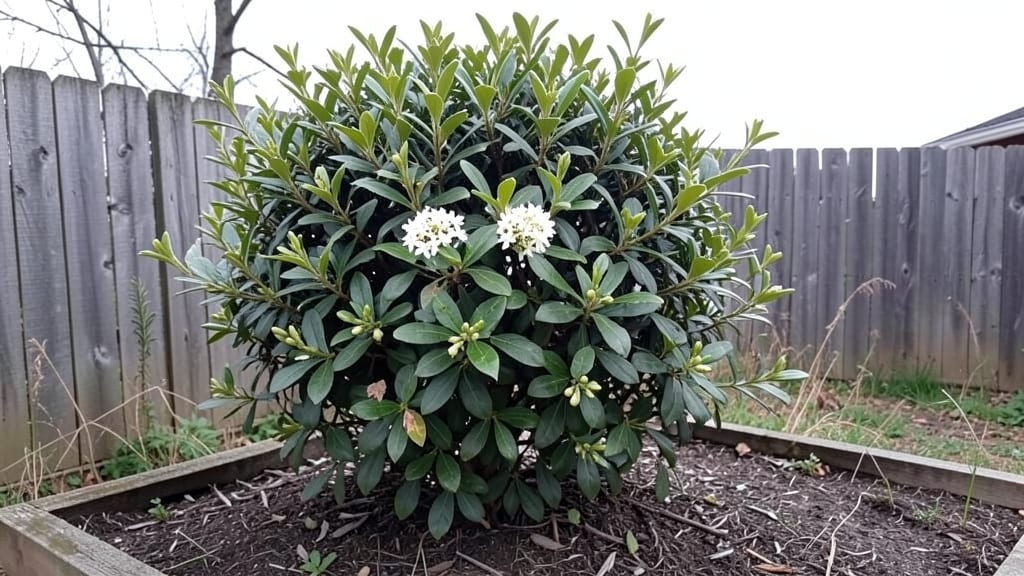
The secret to tea olive tree care in the Pacific Northwest’s dry summers lies in mastering its drought-tolerant pruning calendar. The key isn’t just when to trim but how to balance water, sun, and seasonal growth to keep it healthy and lush year-round.
Tea olives love full sun and well-draining soil, but they’re surprisingly low-maintenance once established. I’ve pruned mine for five years now, and the secret is timing: late winter or early spring before new growth starts.
This keeps the tree compact, encourages bushier foliage, and prevents those pesky brown tips that pop up when you prune at the wrong time.
By summer, you’ll see glossy new leaves and a sturdy shape that handles our region’s heat without wilting. The best part? A well-pruned tea olive produces those fragrant, silver-green leaves all season—no fuss, just reliable beauty that neighbors will envy.
Whether you’re a first-time gardener or a seasoned pro, this pruning schedule works for both small urban yards and larger landscapes. Let’s get your tree looking its best with minimal effort—just follow the seasonal cues.
📚 In This Guide
- What you need
- Instructions
- Tips and common mistakes
- Wrapping up and next steps
What you need
- ● Tea olive tree (Olea europaea var. sylvestris) – 1 mature or young plant (check local nurseries for PNW-friendly varieties).
- ● Pruning shears – Bypass-style (sharp, 7-10" blades) for clean cuts. 1 pair (sterilize with rubbing alcohol between cuts!).
- ● Loppers – Heavy-duty (for thicker branches, 16-24" reach). 1 pair.
- ● Pruning saw – Bow or folding saw for stubborn branches. 1.
- ● Gloves – Leather or heavy-duty garden gloves (tea olive thorns are sharp!). 1 pair.
- ● Disinfectant (70% isopropyl alcohol or bleach solution) – To prevent disease spread.
- ● Compost or mulch – Organic, 2-3 inches (cedar or wood chips work well). 1 bag or wheelbarrow’s worth.
- ● Watering can or hose with a gentle nozzle – For post-pruning hydration.
- ● Hand pruners (felco) – For precision trimming on smaller branches.
- ● Tree wound dressing – Not always necessary, but useful for large cuts (follow PNW drought guidelines—tea olives heal fast!).
- ● Drip irrigation kit – For deep, slow watering (ideal for PNW’s dry summers).
- ● Soil pH test kit – Tea olives prefer slightly alkaline soil (6.5-7.5).
- ● Safety goggles – If pruning high branches (bonus: protects from falling debris!).
Instructions for pruning tea olive trees in the Pacific Northwest
Here’s how I keep tea olive trees thriving with minimal water while maintaining their lush shape.
Time Your Pruning for Dormancy and Growth Spikes
Prune tea olive trees twice a year: late winter (just before buds swell) and early summer (after flowering but before fruit sets). In the Pacific Northwest, this means February–March and June–July. Late winter pruning encourages new growth before summer’s heat, while summer pruning prevents overcrowding.
Look for dormant branches—they appear grayish-brown and leafless. Avoid pruning when temperatures drop below 35°F or during wet spells, as open wounds invite fungal infections. If you miss the late winter window, don’t stress—tea olives are forgiving, but pruning in spring after leaves emerge weakens the tree.
Remove Dead, Diseased, or Crossing Branches First
Start by cutting out dead wood (branches that snap easily or have no green beneath the bark) and any diseased or damaged limbs. Use clean, sharp pruners to make cuts at a 45-degree angle, about ¼ inch above an outward-facing bud. This prevents water from pooling on the wound and encourages healthy regrowth.
Next, remove branches that cross or rub against each other. These create entry points for pests and weaken the tree’s structure. If a branch is growing straight up from the trunk, prune it back to a side branch to improve airflow and sunlight penetration. Tea olives reward you with denser foliage when you prioritize this step.
Thin the Canopy to Improve Airflow and Light
Step back and assess the tree’s shape. Tea olives grow best with an open, airy canopy, so aim to remove 20–30% of the oldest or thickest branches to let light reach the center. Focus on branches that are thinner than a pencil—these are the most flexible and will regenerate quickly.
Cut just above a leaf node (the bump where leaves and buds grow) to encourage new shoots. Avoid "heading back" (cutting the tip of a branch) unless you’re shaping the tree—tea olives respond better to thinning than to heavy pruning. You’ll know you’ve done enough when you can see sunlight filtering through the leaves in the tree’s center.
Shape the Tree for Balance and Aesthetics
Tea olives tolerate pruning well, so use this chance to refine their natural form. If the tree leans one way, prune slightly more branches on the heavier side to encourage upright growth. For a bushier look, trim the tips of branches to promote lateral branching.
I like to leave a few long, graceful branches for visual interest—these can be lightly pruned to control their length. Avoid over-pruning; tea olives recover quickly, but removing too much foliage at once stresses the tree, especially in the Pacific Northwest’s cooler summers. Step back often to check your progress—your goal is a balanced silhouette with no bare spots.
Clean Up and Monitor for New Growth
After pruning, sterilize your tools with rubbing alcohol to prevent spreading disease. Collect and dispose of pruned branches (don’t compost them if they show signs of disease). Water the tree deeply to help it recover, but avoid overwatering—tea olives are drought-tolerant and prefer dry soil once established.
Within 4–6 weeks, you’ll see new shoots emerging from the pruned areas. These indicate the tree is healing well. If no new growth appears after 8 weeks, check for signs of stress (yellowing leaves, wilting) and adjust your watering or sunlight exposure. Tea olives are resilient, but they thrive when given space to breathe and grow.
Tips & tricks for pruning tea olive trees
Here’s what I’ve learned after years of pruning tea olive trees in the Pacific Northwest—these tricks will help you avoid common mistakes and keep your tree thriving.
Timing is Everything: The February–March window for late winter pruning is crucial because it aligns with the tree’s natural dormancy period. If you’re late, don’t panic—tea olives are forgiving, but pruning after leaves emerge can stress the tree by removing its energy source. I’ve found that even a week late is better than waiting until spring when buds are already swelling.
Tool Prep Prevents Problems: Sterilizing your pruners with rubbing alcohol between cuts is non-negotiable. I learned this the hard way when a fungal infection spread through my tree after using the same tools on diseased branches. Also, always make clean cuts at a 45-degree angle—this prevents water from pooling on the wound, which invites rot. A sharp pair of pruners makes all the difference.
Visual Pruning Cues: When thinning the canopy in Step 3, look for sunlight filtering through the leaves—this is your cue that you’ve removed enough branches. I aim to see at least 20-30% of the sky through the tree’s center. For branches thinner than a pencil, focus on removing the oldest ones first, as they’re less likely to regenerate and will improve airflow.
Post-Pruning Recovery: After pruning, resist the urge to overwater. Tea olives are drought-tolerant, and too much water can actually stress the tree. Instead, give it a deep watering to help recovery, then let the soil dry out between waterings. Watch for new shoots within 4-6 weeks—they’re your sign that the tree is healing properly.
Pro Tips for Tea Olive Tree Care
- Here’s what I’ve learned after years of pruning tea olive trees in the Pacific Northwest—these tricks will help you avoid common mistakes and keep your tree thriving.
- Timing is Everything: The February–March window for late winter pruning is crucial because it aligns with the tree’s natural dormancy period.
- Tool Prep Prevents Problems: Sterilizing your pruners with rubbing alcohol between cuts is non-negotiable.
Frequently asked questions
Got questions about keeping your tea olive tree thriving in the Pacific Northwest? Here are some of the most common concerns—and straightforward answers to help you care for this drought-tolerant beauty with confidence.
When is the best time to prune a tea olive tree?
The ideal time to prune is late winter or early spring (February–March) before new growth starts. This helps shape the tree while minimizing stress. Avoid heavy pruning in fall—it can stimulate tender growth that may not survive winter. Light trimming to remove dead branches can be done year-round, though.
How do I protect my tea olive tree in harsh PNW winters?
Tea olive trees are moderately cold-hardy (USDA Zones 7–10), but young trees or severe winters may need extra care. Mulch the base with 3–4 inches of organic mulch (like wood chips) to insulate roots. Wrap the trunk with burlap or frost cloth if temps drop below 15°F. Water deeply before the ground freezes to prevent root damage.
How often should I water a tea olive tree?
Once established, tea olive trees are drought-tolerant, but young trees need regular watering—about 1–2 inches per week during the first year. After that, water deeply but infrequently (every 2–3 weeks) unless your PNW summer is exceptionally dry. Overwatering can lead to root rot, so check soil moisture before watering.
What if my tea olive tree’s leaves turn yellow or drop?
Yellowing leaves often signal overwatering or poor drainage. Let the soil dry out between waterings and ensure your tree is planted in well-draining soil. If leaves drop suddenly, it could also mean root stress from transplant shock or pests like spider mites. Inspect the tree and adjust care accordingly—prune damaged branches to encourage new growth.
Can I grow a tea olive tree in a container?
Yes! Tea olive trees adapt well to large containers (at least 20+ gallons), making them great for patios or urban gardens. Use a fast-draining potting mix and a container with drainage holes. Repot every 2–3 years and prune roots if they become root-bound. Just remember: container-grown trees need more frequent watering than in-ground plants.
Wrapping up and next steps
Caring for your tea olive tree in the Pacific Northwest is all about timing, patience, and a little know-how! By following a drought-tolerant pruning calendar and meeting its basic needs, you’ll enjoy a thriving, lush tree that rewards you with shade and beauty for years. 🌿
Ready to take the next step? Grab your pruners, mark your calendar, and give your tea olive the love it deserves—your future self (and tree!) will thank you. Happy pruning! 🌱