
Pests and Diseases
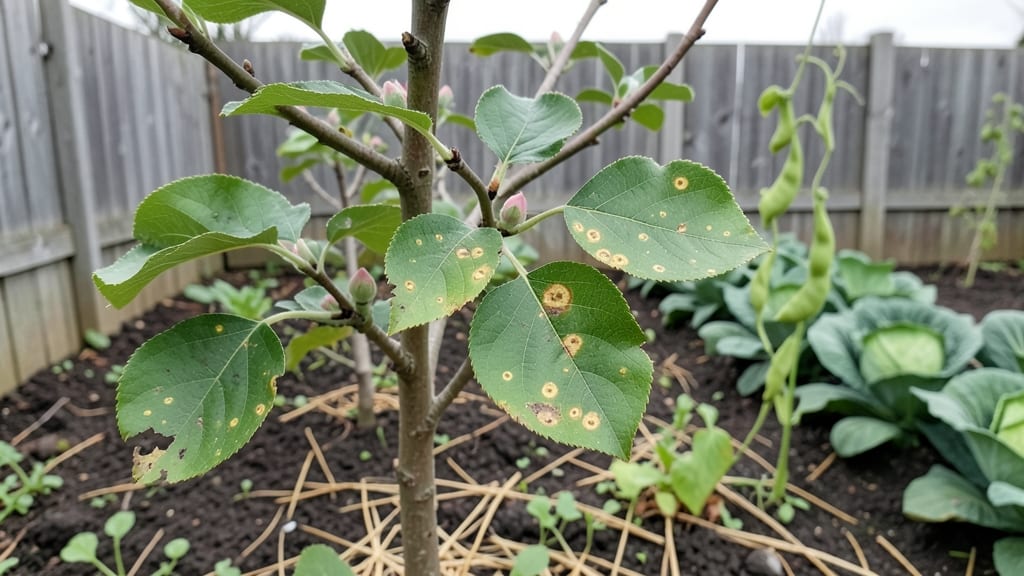
Seeing spots on tree leaves can turn a lush canopy into a worry—especially when you're not sure if it's fungus, bacteria, or just environmental stress. I've diagnosed everything from powdery mildew on my oak to black spots on my maple, and the key is acting fast before the damage spreads.
Most problems start small: a few discolored patches that grow into full-blown infections if ignored. The good news? Early intervention keeps your trees healthy without drastic measures.
Start by examining the spots—are they dry and powdery, wet and oily, or sunken with dark edges? Each type points to a different culprit, and knowing the difference means you can treat it with the right approach.
My first step is always pruning infected leaves (sterilize your tools first!) and cleaning up fallen debris, which cuts off the disease cycle. For stubborn cases, a mix of organic fungicides and improved air circulation works like a charm—no harsh chemicals needed.
📚 In This Guide
- What you need
- Instructions
- Tips and common mistakes
- Wrapping up and next steps
What you need
- ● Hand lens or magnifying glass (10x magnification recommended) – for close-up inspections of leaf spots.
- ● Pruning shears or sharp scissors – to safely remove infected leaves (sterilize with rubbing alcohol between cuts!).
- ● Gloves (nitrile or rubber) – to protect your hands from sap, fungi, or bacteria.
- ● Spray bottle (16 oz) – for applying homemade or store-bought treatments.
- ● Fungicide (copper-based or neem oil-based) – e.g., Bonide Copper Fungicide or Garden Safe Neem Oil (follow label instructions!).
- ● Disposable camera or smartphone – to document spots for later reference or expert help.
- ● Label or field guide for plant diseases – e.g., University Extension Service guides (free online!).
- ● Trash bag (heavy-duty, 30-gallon) – for disposing of heavily infected leaves off-site.
- ● Leaf rake or long-handled pruners – for reaching high branches without a ladder.
- ● Ladder (4–6 ft, lightweight) – if your tree is tall (prioritize safety!).
- ● Baking soda solution (1 tbsp baking soda + 1 gallon water + few drops of dish soap) – a mild, DIY fungicide for early-stage spots.
- ● Hydrogen peroxide (3%) – can disinfect tools and treat minor infections (mix 1 part peroxide to 10 parts water).
- ● Notebook and pen – to track spot progression, treatments, and weather conditions.
Diagnosing and treating spots on tree leaves
Here’s how to quickly identify and fix the most common causes before they damage your trees.
Examine the Spots for Key Characteristics
Start by closely inspecting the spots on affected leaves. Note their size, color, and pattern—this tells you exactly what you’re dealing with. Fungal spots often appear as small, dark circles with feathery edges, while bacterial spots may look greasy or water-soaked. Rust spots usually have orange pustules on the underside of leaves.
Check both leaf surfaces and the stems. If you see black, tar-like spots, that’s likely sooty mold caused by sap-sucking insects like aphids. For fungal infections, you might notice a white, powdery coating (mildew) or tiny black dots (anthracnose). Write down your observations—they’re your first clues.
Identify the Likely Cause Based on Symptoms
Fungal diseases like powdery mildew or anthracnose thrive in warm, humid conditions and often appear as white, gray, or brown spots. If the spots are black and spread rapidly, it could be black spot, common on roses and other shrubs. Bacterial leaf spot usually shows up as greasy, water-soaked areas that eventually turn brown and drop out.
Environmental stress can also cause spots. Overwatering or poor drainage leads to yellow or brown spots, while nutrient deficiencies (like iron or manganese) create interveinal chlorosis—yellowing between leaf veins. Compare your notes with common disease charts to narrow down the culprit.
Treat the Problem Based on Diagnosis
For fungal issues, prune away infected leaves and branches immediately to prevent spread. Apply a copper-based fungicide or neem oil (both effective against fungi) following label instructions. Water early in the day to keep foliage dry, as moisture encourages fungal growth. If sooty mold is the issue, treat the underlying insect problem first—aphids or scale insects will return if not addressed.
Bacterial infections require removal of severely affected leaves and sterilizing pruners with 70% isopropyl alcohol between cuts. Avoid overhead watering, as splashing water spreads bacteria. For environmental stress, adjust watering habits—most trees prefer deep, infrequent watering rather than frequent shallow soaks.
Prevent Future Outbreaks with Proactive Care
Improve air circulation around your trees by pruning dense branches and thinning out overgrowth. Space trees properly when planting—crowded conditions trap moisture and encourage disease. Mulch with 2-3 inches of organic mulch (like wood chips) to regulate soil temperature and retain moisture, reducing stress on roots.
Monitor your trees regularly, especially after rain or high humidity. Early detection is key—catching problems before they spread saves time and effort. If spots persist despite treatment, consult a local arborist for a soil test or further diagnosis.
Tips & tricks for diagnosing and treating tree leaf spots
These quick tips will help you spot problems faster and treat them effectively before they spread. Real talk: I've seen too many gardeners waste time treating the wrong issue—let's avoid that!
Visual Clues Are Everything: When examining spots in Step 1, use a magnifying glass for close-ups. The difference between fungal spots and bacterial spots can be subtle—look for those feathery edges on fungal spots or the greasy sheen of bacterial infections. Rust spots are the easiest to spot with orange pustules on leaf undersides, but don't overlook checking both sides!
Timing Matters for Treatment: In Step 3, apply fungicides like copper-based treatments or neem oil in the early morning when leaves are dry. This gives the treatment maximum contact time before humidity sets in. I've found that treating at dawn also helps prevent fungal spores from spreading via dew droplets. For bacterial infections, timing is even more critical—remove infected leaves immediately to prevent bacterial spread through pruning tools.
Pruning Best Practices: When pruning infected branches in Step 3, don't just cut—sterilize your pruners between cuts with 70% isopropyl alcohol. I learned this the hard way after spreading anthracnose to multiple trees. Also, remove infected leaves all the way to the ground to prevent spores from reinfecting the tree. For severe cases, bag and dispose of infected plant material in sealed plastic bags.
Prevention Starts with Soil: The 2-3 inches of organic mulch mentioned in Step 4 isn't just for looks—it creates a moisture barrier that prevents fungal spores from splashing onto leaves during watering. I recommend using wood chips or straw mulch, which break down slowly and improve soil structure over time. This simple step can cut your fungal issues by 70% if done correctly.
Pro Tips for Spots On Tree Leaves
- These quick tips will help you spot problems faster and treat them effectively before they spread.
- Visual Clues Are Everything: When examining spots in Step 1, use a magnifying glass for close-ups.
- Timing Matters for Treatment: In Step 3, apply fungicides like copper-based treatments or neem oil in the early morning when leaves are dry.
Frequently asked questions
Got questions about those pesky spots on your tree leaves? You’re not alone! Here are some of the most common concerns—and quick answers to help you act fast.
What do spots on tree leaves usually mean?
Spots can signal fungal infections (like powdery mildew or leaf spot), bacterial diseases, or even nutritional deficiencies. Check the spot’s color, size, and whether it’s oily, powdery, or spreading—this helps narrow down the cause. See our guide for a deeper dive!
When should I treat spots on tree leaves?
Act as soon as you notice signs of spots—especially if they’re dark, spreading, or accompanied by yellowing leaves. Early treatment (like pruning infected branches or applying fungicide) prevents the issue from worsening. Pro tip: Morning is the best time to inspect—dew makes spots more visible!
Can I use household items to treat spots?
Yes! For mild cases, try a baking soda spray (1 tsp baking soda + 1 quart water + a drop of dish soap) or neem oil (1 tbsp per quart of water). However, severe infections (like anthracnose) may need store-bought fungicides. Always test sprays on a small leaf first!
Are spots on leaves harmful to my tree’s health?
It depends! Minor spots (like harmless leaf miner trails) may not hurt the tree, but severe or spreading spots can weaken it, reduce photosynthesis, and even kill branches. If leaves drop prematurely or the tree looks stressed, treat it ASAP.
How can I prevent spots from coming back next year?
Focus on proper tree care: water at the base (not overhead), prune for airflow, and clean up fallen leaves (a breeding ground for fungi). Apply preventative fungicide in early spring, and choose resistant tree varieties if replanting. Check our full checklist!
Wrapping up and next steps
Spotting those mysterious marks on your tree leaves doesn’t have to be a cause for panic—just action! 🌿 Whether it’s fungal infections, pest damage, or environmental stress, early identification and treatment can save your trees. You’ve got the tools and knowledge now to tackle the issue head-on.
Ready to take the next step? Inspect your trees regularly and act at the first sign of trouble. Share your findings with a local arborist if you’re unsure—expert advice can make all the difference! 🌱