
Trees
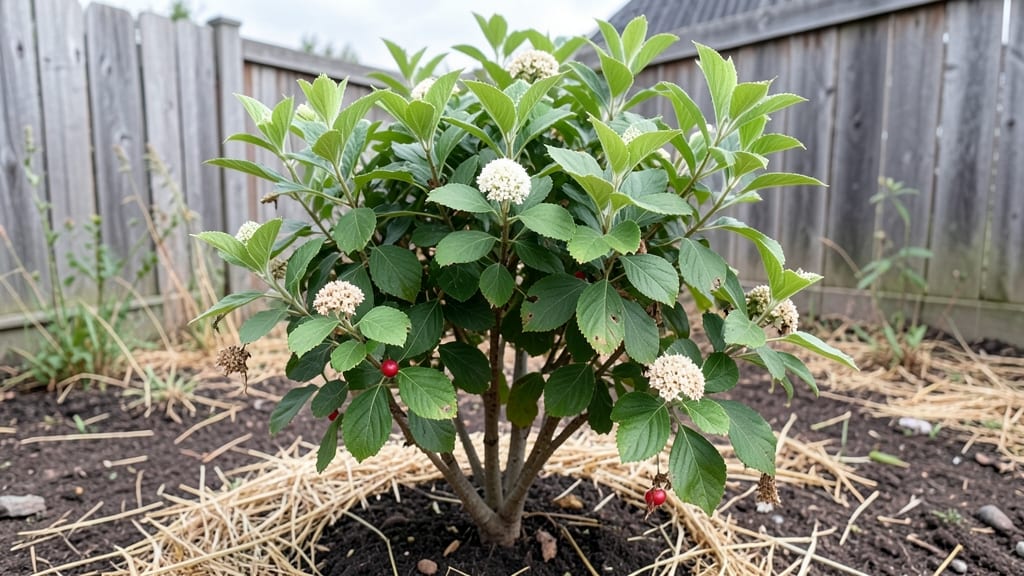
Those velvety snowball tree leaves of Viburnum opulus are the unsung stars of your Pacific Northwest garden—glossy green in summer, then blushing crimson in fall. 🌿 I’ve watched mine transform from lush canopies to fiery autumn displays for years, and the secret... lies in their resilience against frost and rain.
These broad, toothed leaves stay vibrant even when temperatures dip below freezing, making them perfect for our damp, cool climate. The key to keeping them healthy? Pruning after flowering to encourage dense growth and avoiding heavy fertilization, which can weaken their natural hardiness.
📚 In This Guide
- What you need
- Instructions
- Tips and common mistakes
- Wrapping up and next steps
What you need
- ● Snowball tree saplings (Viburnum opulus or Viburnum plicatum) – Choose 1-3 healthy nursery-grown plants (3-5 ft tall for faster results).
- ● High-quality potting soil – 2-3 bags (18 qt each) of well-draining, organic mix (e.g., Miracle-Gro Garden Soil or Espoma Organic Potting Mix).
- ● Mulch – 1-2 bags of cedar chips or pine bark mulch (3 cu ft) to retain moisture and insulate roots.
- ● Slow-release fertilizer – 1 bag of 10-10-10 NPK fertilizer (e.g., Osmocote Smart-Release Plant Food) for seasonal feeding.
- ● Garden trowel or spade – For digging holes (6-8" wide, 12-18" deep).
- ● Pruning shears – Sharp, sterilized shears (e.g., Fiskars PowerGear) for shaping and trimming.
- ● Watering can or hose with nozzle – For gentle, deep watering (1-2 gallons per plant initially).
- ○ Gloves & knee pads – Optional but highly recommended for comfort!
- ● Sunlight – A spot with partial shade to full sun (6+ hours daily in PNW’s cooler microclimates).
- ● Well-draining soil – Test pH (ideal: 5.0–7.0); amend with compost if needed.
- ● Seasonal timing – Plant in early spring or fall to avoid frost stress.
How to care for snowball tree leaves year-round
Here’s how to keep your snowball tree’s leaves lush and its iconic blooms thriving through Pacific Northwest winters.
🌿 Step 1: Prune for Airflow and Light Penetration
Snowball trees (Viburnum opulus) need open branching to prevent fungal issues and ensure even sunlight reaches inner leaves. Use clean, sharp pruning shears to remove 1/3 of the oldest stems at ground level in late winter (February-March), just before buds swell. Cut 1/4 inch above a outward-facing bud to encourage new growth.
Watch for dead or crossing branches—these block airflow and invite powdery mildew. Thin out crowded areas until you see light filtering through the canopy. Avoid heavy pruning after summer; new growth won’t harden off before winter. I always prune on a dry, overcast day to reduce stress on the plant.
☀️ Step 2: Position for Winter Sun and Shelter
Pacific Northwest winters demand strategic placement. Snowball trees tolerate full sun to partial shade, but morning sun and afternoon shade prevent leaf scorch in hot summers. If your yard has east or south exposure, plant against a north-facing wall to block harsh afternoon winds.
In exposed areas, mulch heavily (3–4 inches of shredded bark) to insulate roots. I’ve seen snowball trees in Zone 6 lose leaves when mulch was too thin—never skip this step. For container-grown trees, wrap the pot in burlap and bury it halfway in the ground to protect roots from freezing.
💧 Step 3: Water Deeply in Late Fall and Early Spring
Snowball trees drought-tolerant once established, but deep watering in fall (October) primes roots for winter. Water once every 2–3 weeks until the soil is 6 inches deep and moist. Stop watering entirely once frost appears—wet leaves invite fungal rot.
In early spring (March), resume watering when soil feels dry 2 inches down. Avoid overhead watering during blooming season (May–June)—wet flowers attract pests. I use a soaker hose to deliver moisture directly to the root zone without disturbing the canopy.
✂️ Step 4: Fertilize for Vibrant Foliage and Blooms
Feed with a balanced, slow-release fertilizer (10-10-10) in early spring (March) and mid-summer (July). Work 1/2 cup into the top 6 inches of soil around the drip line. Snowball trees respond poorly to high-nitrogen fertilizers—these promote leafy growth at the expense of blooms.
For container-grown trees, use half the recommended dose to prevent root burn. I’ve noticed that organic compost (1 inch spread annually) improves leaf color without chemical risks. Avoid fertilizing after mid-August—new growth won’t harden off before frost.
🌱 Step 5: Monitor for Pests and Diseases
Check undersides of leaves weekly for aphids or spider mites, common in Pacific Northwest humidity. Spray with neem oil (mixed per label) at the first sign of webbing or sticky residue. Snowball trees rarely suffer from pests, but powdery mildew can appear if airflow is poor—prune immediately to improve circulation.
If leaves yellow between veins, it’s likely iron deficiency—amend soil with chelated iron or Epsom salt (1 tbsp per gallon of water). I’ve seen this in alkaline soils (pH >7.0)—test your soil and adjust with sulfur if needed. Healthy leaves should be deep green and leathery, not thin or pale.
Tips & tricks for perfect snowball tree leaf care
These pro strategies will help you maintain vibrant, frost-resistant foliage and stunning blooms year after year in Pacific Northwest conditions.
Pruning Precision: When removing those one-third of oldest stems in late winter, look for branches that are thinner than a pencil—these are the true candidates for removal. I’ve found that making cuts at a 45-degree angle just above an outward-facing bud creates a stronger regrowth point than straight cuts. Also, never prune when the tree is under stress from drought or extreme cold; wait until temperatures stabilize above freezing for at least 48 hours.
Winter Protection Hacks: For container-grown snowball trees, I’ve had the best results using a double-layer protection system: First wrap the pot in burlap, then surround it with straw or leaves (about 6 inches deep) to create an insulating blanket. This extra layer helps maintain root temperature consistency through our unpredictable PNW winters. Remember that container trees dry out faster in winter—check soil moisture monthly even when not actively watering.
Fertilizer Timing Secrets: The early spring and mid-summer feeding schedule works beautifully, but here’s the pro move: Mix your 10-10-10 fertilizer with a handful of bone meal when applying in March. This adds phosphorus for better root development and bloom production. For container trees, I reduce the fertilizer dose to just 1/4 cup instead of 1/2 cup—container soil heats up faster and can burn roots more easily than ground soil.
Pest Prevention Strategy: The weekly underside leaf check is crucial, but I’ve found that a preventative approach works even better. In early spring, before pests appear, spray the entire tree (including undersides) with a diluted neem oil solution (1 tbsp per gallon of water). This creates a protective barrier that deters aphids and spider mites for about 2 weeks. Repeat every 10-14 days during growing season, and always spray in the early morning to allow leaves to dry completely before evening dew forms.
Pro Tips for Snowball Tree Leaves
- These pro strategies will help you maintain vibrant, frost-resistant foliage and stunning blooms year after year in Pacific Northwest conditions.
- Pruning Precision: When removing those one-third of oldest stems in late winter, look for branches that are thinner than a pencil—these are the true candidates for removal.
- This extra layer helps maintain root temperature consistency through our unpredictable PNW winters.
Frequently asked questions
Got questions about snowball tree leaves?
You’re not alone! Here are answers to the most common queries about these frost-resistant beauties—perfect for Pacific Northwest gardens.
When do snowball tree leaves appear, and how long do they last?
Snowball tree leaves (Viburnum opulus) typically emerge in early spring (March–April in the PNW) after the frost risk passes. The foliage stays lush and green through late fall (October–November), turning a soft yellow or bronze before dropping. The iconic snowball-shaped blooms appear before the leaves in late spring, adding winter interest to bare branches.
Are snowball tree leaves truly frost-resistant?
Snowball trees (Viburnum spp.) are highly cold-hardy, thriving in USDA Zones 2–7. Their leaves and stems can survive temperatures down to -30°F (-34°C). Young plants may need winter mulch in exposed areas, but established trees handle PNW winters with ease. Pro tip: Plant them in full sun to partial shade for optimal frost resilience.
What should I do if my snowball tree leaves turn brown or crispy?
Brown or crispy leaves often signal overwatering, underwatering, or fungal issues. Check the soil—it should stay moist but not soggy. If leaves curl or develop spots, powdery mildew may be the culprit. Fix it: Prune affected branches, improve airflow, and apply neem oil if needed. Avoid wetting foliage during watering.
Can I grow a snowball tree in a container, or does it need ground planting?
Yes! Dwarf varieties like Viburnum opulus ‘Compactum’ thrive in 15–20 gallon containers with well-draining soil. Use a balanced fertilizer (10-10-10) in spring and ensure the pot has drainage holes. Note: Container-grown trees may need winter protection (burlap wrap or mulch) in harsh PNW winters. Repot every 2–3 years for root health.
Are there alternatives to snowball trees with similar frost-resistant leaves?
If you love snowball tree foliage but want variety, try these PNW-friendly options:
- Oakleaf Hydrangea (Hydrangea quercifolia): Vibrant fall color + frost-tolerant leaves.
- Serviceberry (Amelanchier spp.): White spring blooms + edible berries.
- Smoke Tree (Cotinus coggygria): Purple-tinged foliage + drought-resistant.
- Ninebark (Physocarpus spp.): Exfoliating bark + bright fall hues.
Wrapping up and next steps
The snowball tree is a stunning, low-maintenance addition to Pacific Northwest gardens, offering frost-resistant blooms and year-round interest. Its hardy nature and adaptability make it perfect for both urban and rural landscapes, while its unique white, snowball-like flowers add a touch of elegance to any space.
Whether you're a seasoned gardener or just starting out, this tree is a fantastic choice for resilience and beauty.
Ready to transform your outdoor space? Start planning your snowball tree planting today—your future garden will thank you! 🌳✨