
Pruning
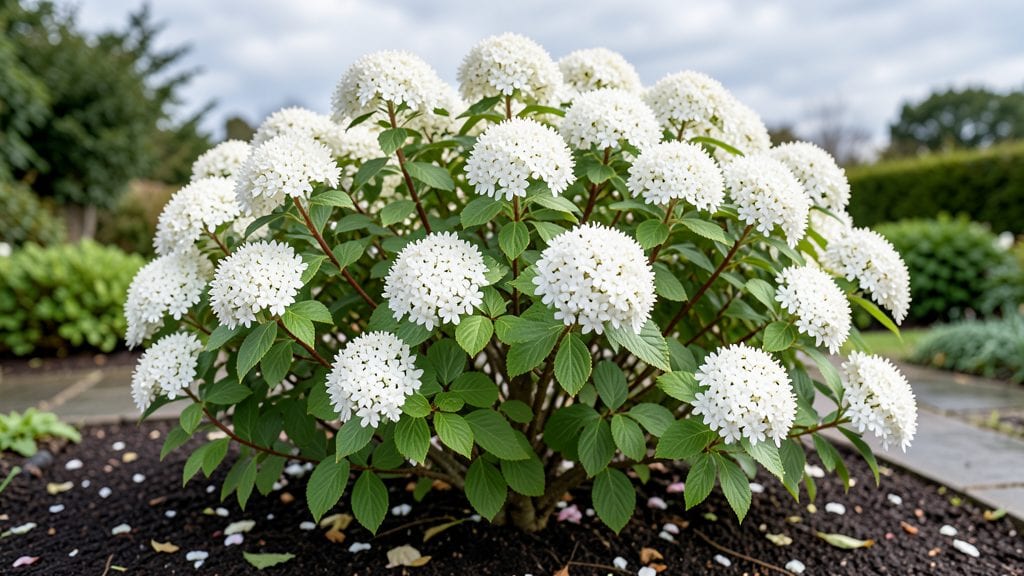
Frost-resistant snowball tree care starts with a single, game-changing pruning secret that keeps your Viburnum opulus thriving through Pacific Northwest winters. I’ve watched my own snowball tree go from a scraggly mess to a showstopping spring spectacle—all thanks to timing and technique that most guides miss.
The key isn’t just when you cut, but how you shape the branches to handle our damp, chilly climate without sacrificing next year’s blooms.
Here’s the thing—snowball trees need three things to perform: sunlight (at least 6 hours daily), well-draining soil (they hate soggy roots), and pruning that encourages dense growth.
I’ve learned the hard way that skipping pruning leads to fewer flowers and weaker stems, but doing it wrong can stress the tree. The right cuts after blooming—late May or June—let the plant recover before winter without sacrificing its signature snowball-like clusters.
What you’ll end up with is a tree that bursts into white, fragrant blooms every spring, stays compact enough for small yards, and handles our 30-degree nights like a champ.
The secret’s in the layered approach: prune for shape and airflow, fertilize lightly in early spring, and watch for pests like spider mites before they take hold. Once you master this, your neighbors will be asking for your pruning secrets.
Works for both young trees and mature specimens, whether you’re dealing with a 10-foot giant or a dwarf variety. Let’s get those shears sharp and turn your snowball tree into the star of your garden—year after year.
📚 In This Guide
- What you need
- Instructions
- Tips and common mistakes
- Wrapping up and next steps
What you need
- ● Pruning shears: Bypass pruners (sharp, clean, and sterilized with rubbing alcohol to prevent disease). Required for small branches (up to ½ inch thick).
- ● Loppers: Bypass loppers (for branches ½ to 1.5 inches thick). Look for ratchet-style for easier cutting.
- ● Pruning saw: Curved-tooth handsaw (for stubborn, thick branches 1.5+ inches thick).
- ● Gloves: Heavy-duty, cut-resistant gloves (protects from thorns and rough branches).
- ○ Disposable pruning bags: Optional but handy for collecting debris (1–2 bags per session).
- ● Rubbing alcohol (70%+) or bleach solution: 1 part bleach : 9 parts water (sterilizes tools between cuts).
- ○ Pruning sealant: Optional (like Tanglefoot Tree Wound Pruning Seal) for large cuts to prevent disease.
- ● Timing: Prune in late winter or early spring (before new growth) or right after flowering (summer). Avoid pruning in fall.
- ● Weather: Choose a dry, overcast day (humidity can spread bacteria).
- ○ Safety gear: Optional safety glasses if working near your face.
- ● Ladder: Extendable or step ladder (if your tree is 6+ feet tall).
- ○ Notepad & pen: Optional for sketching pruning plans or noting dead branches.
Step-by-step snowball tree pruning for Pacific Northwest resilience
Here’s how to prune your snowball tree for winter hardiness—using techniques that keep it thriving through PNW frosts.
Time Your Pruning for Late Winter Dormancy
Prune your snowball tree—Viburnum opulus—during its dormant season, ideally between late February and early March in the Pacific Northwest. This timing ensures you avoid late-winter frosts while allowing the tree to harden off before new growth begins. Wait until after the last hard freeze (usually by mid-February) but before buds swell—you’ll see tight, plump buds that haven’t yet softened. Pruning too early can expose tender tissue to cold, while waiting too long risks encouraging early growth that frost can damage.
Use sharp, clean pruners to make 45-degree cuts just above a lateral bud or branch junction. Avoid leaving stubs, as they invite disease. If your tree has dead or crossing branches, remove them first—they’re the easiest to spot when the tree is bare. I like to prune on a dry, sunny day when the tree’s structure is most visible, making it easier to see where branches compete for space.
Shape for Airflow and Light Penetration
Snowball trees thrive with open, rounded canopies that allow sunlight and air to circulate through the center. Start by thinning out 20-30% of the oldest, thickest branches from the interior to improve airflow—this reduces humidity buildup, which can lead to fungal issues like powdery mildew. Focus on branches that cross or rub against others, as these create weak points where bark can split.
Next, prune back any overly long or leggy branches to maintain a balanced, rounded shape. Cut just above an outward-facing bud to encourage new growth in the right direction. Avoid shearing or "topping" the tree, as this leads to dense, weak growth and fewer flowers. Instead, step back every few cuts to visualize the tree’s natural form—your goal is to enhance its innate structure, not drastically alter it.
Encourage Flower Production with Strategic Cuts
Snowball trees flower on second-year wood, meaning blooms form on branches that grew the previous season. To maximize flower production, prioritize light pruning of older branches while preserving younger, vigorous growth. Remove only the oldest, woodiest stems—these are the ones that no longer produce abundant blooms. I target branches thicker than ½ inch in diameter for removal, as these are past their prime for flowering.
For younger branches, make heading cuts (just above a leaf node) to stimulate bushier growth. This creates more sites for next year’s flower buds. Avoid heavy pruning of new shoots, as this can reduce flowering potential. After pruning, step back and assess the tree’s balance—you should see a mix of old and new wood, with sunlight reaching the center. This balance is key to both winter resilience and summer blooms.
Post-Pruning Care for Frost Resistance
After pruning, apply a 2-3 inch layer of mulch around the tree’s base (but keep it 6 inches away from the trunk) to insulate roots during PNW winters. Use organic mulch like shredded bark or wood chips, which also improves soil moisture retention. Water deeply once a week until the ground freezes, ensuring the tree enters dormancy with adequate moisture—this helps it withstand frost better.
Finally, monitor the tree for new growth in early spring. If you see soft, green shoots emerging before the last frost date (typically late May in the PNW), protect them with frost cloth or a light row cover. Pruning in late winter sets the stage, but spring care seals the deal for a healthy, frost-resistant tree. Over the next few weeks, you’ll notice fresh buds forming—these are your promise of next year’s abundant snowball blooms.
Tips & tricks for perfect snowball tree pruning
Pruning a snowball tree for PNW winters takes precision—these insider tips will help you avoid common pitfalls and achieve that perfect balance between form and function.
Timing is Everything: The late February to early March window is critical for PNW snowball trees. Check your local frost dates—pruning too early risks exposing tender tissue to late frosts, while waiting too long can stimulate premature growth that frost will damage. I always confirm buds are still tight and plump, not swollen, before making cuts. This visual cue ensures you're working at the perfect moment when the tree is fully dormant but not yet awakening.
Tool Technique Matters: Your pruners should be as sharp as your focus. Dull tools crush branches, creating jagged wounds that invite disease. I recommend using bypass pruners for clean cuts and always disinfect them with rubbing alcohol between cuts on different branches. For thicker branches over ½ inch, use loppers or a pruning saw—never force small pruners, as this can tear the bark and damage the tree's vascular system.
Visual Assessment is Key: Step back frequently during pruning to evaluate your work from a distance. You're aiming for an open, rounded canopy that allows sunlight to reach the center. A good rule of thumb is to remove branches that cross or rub against others—these create weak points where bark can split. I often sketch a rough outline of my vision before starting, which helps maintain that natural, balanced shape the snowball tree thrives in.
Post-Pruning Care Sets the Foundation: The 2-3 inch layer of organic mulch isn't just decoration—it's insulation that protects roots during PNW winters. I always verify the mulch stays 6 inches away from the trunk to prevent rot. Watering deeply once a week until ground freeze is equally important; it ensures the tree enters dormancy with adequate moisture reserves. This combination of mulch and watering creates the perfect conditions for frost resilience.
Pro Tips for Snowball Tree Care
- Pruning a snowball tree for PNW winters takes precision—these insider tips will help you avoid common pitfalls and achieve that perfect balance between form and function.
- Timing is Everything: The late February to early March window is critical for PNW snowball trees.
- Tool Technique Matters: Your pruners should be as sharp as your focus.
Frequently asked questions
Got questions about keeping your snowball tree thriving in the Pacific Northwest’s chilly climate? Here are some of the most common concerns—and expert answers—to help you prune like a pro!
When is the best time to prune a snowball tree?
Prune your snowball tree (like Viburnum opulus) late winter or early spring (February–March) before new growth starts. This timing ensures you remove dead wood while leaving buds intact for spring blooms. Avoid pruning in fall—it can stimulate tender growth that may frost damage.
How much can I trim back my snowball tree?
You can safely remove up to 1/3 of the tree’s branches in one season, but avoid over-pruning. Focus on dead, crossing, or overcrowded branches first. For rejuvenation, thin out older wood gradually over 2–3 years. Never cut into old wood—it won’t regrow!
Will pruning affect next year’s flowers?
Pruning after blooming (late spring/early summer) won’t hurt next year’s flowers, but late winter pruning removes buds set the previous fall. If your tree blooms early (like Viburnum bodnantense), prune immediately after flowering to preserve next season’s blooms.
What if my snowball tree doesn’t bloom?
No flowers? Check these fixes:
- Age: Young trees (under 3–5 years) may not bloom yet.
- Sunlight: Ensure it gets 6+ hours of sun daily.
- Over-pruning: Avoid heavy cuts in late winter.
- Fertilizer: Apply a balanced 10-10-10 in early spring.
Are there frost-resistant alternatives to snowball trees?
Yes! If you love the look but want extra cold hardiness (-20°F to -30°F), try:
- Viburnum plicatum ‘Mariesii’ (Japanese snowball)
- Viburnum trilobum (American cranberrybush)
- Spiraea japonica (for compact blooms)
Wrapping up and next steps
Caring for your snowball tree in the Pacific Northwest is all about timing, patience, and a little know-how! With the right pruning techniques—like late-winter shaping and summer deadheading—you’ll keep your tree thriving and blooming beautifully for years.
Remember, healthy growth starts with confident cuts, so don’t hesitate to roll up your sleeves and get hands-on.
Ready to see your snowball tree shine brighter than ever? Grab your pruners and schedule a pruning session this season—your tree (and your neighbors!) will thank you. 🌸✂️