
Trees
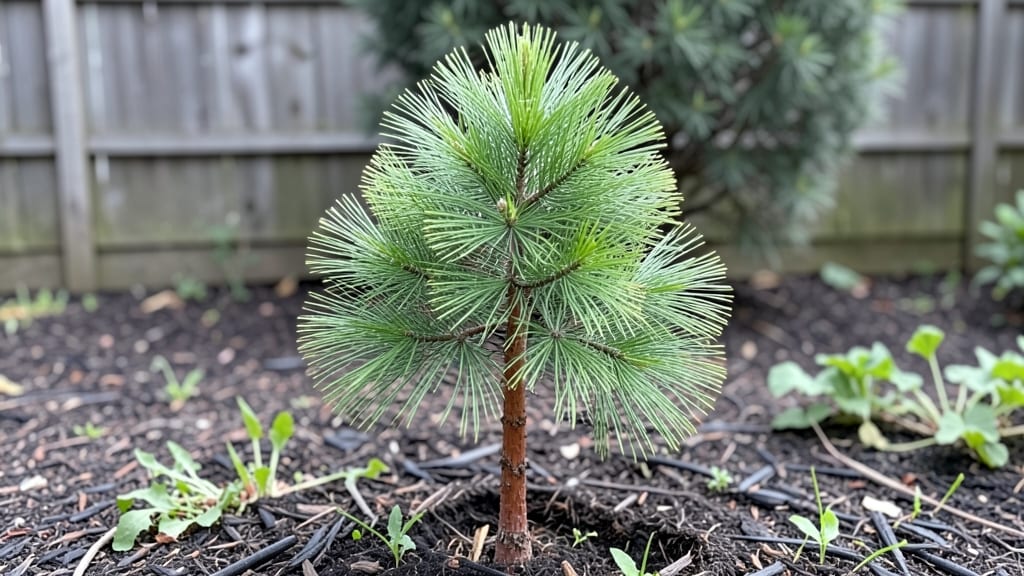
Growing small redwood trees is like bringing a piece of the Pacific Northwest's ancient forests into your backyard—minus the giant size. These frost-resistant beauties thrive where other trees struggle, and with the right dwarf variety, you can enjoy their iconic foliage without needing an acre of space.
My first 'Pendula' redwood still makes neighbors stop and ask how I fit a tree that big in my front yard.
The secret to their success lies in the cool, moist climate they love—perfect for Pacific Northwest gardens. They prefer well-draining, slightly acidic soil and can handle containers if you choose a compact variety like 'Pendulum'.
Planting in partial shade protects young trees from harsh afternoon sun, while mature specimens tolerate full sun once established. Watering is simple: keep soil consistently moist but never soggy, especially during their first growing season.
What you’ll love most is watching them grow—1-2 feet per year—without ever needing heavy pruning. Their soft, feathery needles stay vibrant year-round, and their slow growth means they’ll never outgrow your space.
Even in urban areas, these trees add timeless elegance while requiring less maintenance than most ornamental trees. The best part? They resist pests and diseases better than many alternatives.
Whether you’re tucking one into a small garden bed or a large container, these miniature redwoods deliver old-growth charm with none of the upkeep. Start with a young sapling, and in just a few years, you’ll have a living centerpiece that outlasts trendy annuals.
Ready to plant your own piece of history?
📚 In This Guide
- What you need
- Instructions
- Tips and common mistakes
- Wrapping up and next steps
What you need
- ○ Seeds or saplings: Choose from coast redwood (Sequoia sempervirens) or dawn redwood (Metasequoia glyptostroboides) seeds (or pre-grown dwarf varieties). Optional: Pre-potted dwarf redwood saplings (3–6" tall) for instant gratification!
- ● Well-draining potting mix: 50% peat moss or coco coir, 30% perlite/pumice, 20% compost. Pro tip: Add a handful of worm castings for nutrients! 🌱
- ● Containers: Seed-starting: 4–6" deep pots with drainage holes (2–4 per seed).
- ○ Saplings: 10–12" deep containers (1 per tree). Optional: Self-watering pots for convenience.
- ● Growing medium additives: Slow-release 10-10-10 fertilizer (1 tsp per pot).
- ○ Mycorrhizal fungi (optional, boosts root health).
- ○ Planting tools: Small trowel, seed-starting tray (or egg cartons for seeds!), and a moisture meter (optional but helpful).
- ● Watering supplies: Spray bottle (for seeds) + watering can with rose nozzle.
- ○ Grow lights or sunny windowsill: 12–14 hours of bright, indirect light daily. Optional: LED grow bulbs (6500K color temp).
- ● Humidity dome or plastic wrap: To retain moisture for seeds.
- ● Pruning shears: Small, sharp pair for future trimming.
- ● Climate control: Indoor setup requires 60–75°F temps. Outdoor growers need USDA Zones 7–10 (or frost protection for young trees!).
- ● Patience: Seeds take 4–12 weeks to germinate; saplings grow 6–12" per year.
- ● Space planning: Mature dwarf redwoods reach 10–20 ft tall—ensure your container or garden spot accommodates their future height!
Step-by-step guide to growing small redwood trees
Here’s how to cultivate these Pacific Northwest icons in your landscape—frost-resistant and compact enough for smaller spaces.
Select the Right Cultivar and Location
Start with a dwarf cultivar like Sequoia sempervirens ‘Monterey’ or ‘Pendulum’—both stay under 10 feet tall while retaining the iconic redwood silhouette. These varieties thrive in USDA zones 7-10 and tolerate 10-15°F dips without damage, making them ideal for coastal gardens or sheltered inland spots.
Choose a site with morning sun and afternoon shade—redwoods love humidity but despise afternoon heat. The soil should drain well but retain moisture; amend heavy clay with 3-4 inches of organic matter (like compost) to mimic their native foggy, acidic forest floors. Test your soil pH—aim for 5.0-6.5; below 5.0, add dolomitic lime to prevent nutrient lockout.
Plant at the Correct Depth and Spacing
Dig a hole twice as wide as the root ball but no deeper—redwood roots are shallow and sensitive to burial. Gently loosen the root mass if pot-bound, then place the tree so the top of the root flare sits level with the ground (never mound soil against the trunk). For 4 trees, space them 8-10 feet apart in a group to encourage natural windbreak benefits and shared humidity.
Backfill with the native soil (mixed with your organic amendment) and tamp lightly to eliminate air pockets. Water deeply to settle the soil—you’ll know it’s right when moisture reaches 6 inches down and the surface feels damp but not soggy. Mulch with 2-3 inches of wood chips, keeping it 6 inches away from the trunk to prevent rot.
Water Strategically for First-Year Establishment
Water twice weekly for the first 4-6 weeks, then taper to once weekly once new growth appears. Redwoods need 1-1.5 inches of water per week, but they’re drought-tolerant once established—overwatering is the real enemy. Check soil moisture by probing 2 inches deep; if it’s dry, water slowly until it’s moist through.
Use drip irrigation or soaker hoses to avoid wetting foliage, which can invite fungal issues like needle blight. In hot, dry summers, increase frequency to every 4-5 days and water in early morning to reduce evaporation. By year two, your trees should show steady 6-inch growth per year—a sign they’re thriving.
Prune for Structure and Health
Prune only to remove dead or crossing branches in late winter or early spring, before new growth begins. Redwoods self-prune naturally, so avoid heavy thinning—never remove more than 20% of the canopy in one season. Use sterilized pruners to make clean cuts just outside the branch collar to prevent disease entry.
Watch for sap oozing after pruning—this is normal for redwoods. Apply a wound sealant only if cuts exceed ½ inch in diameter. Fertilize lightly in early spring with a balanced 10-10-10 formula (½ cup per tree) to support growth, but avoid high-nitrogen fertilizers, which promote weak, disease-prone foliage.
Protect from Windburn and Pests
Young redwoods can suffer windburn if exposed to 20+ mph gusts. Plant near a natural windbreak (like shrubs or a fence) or use burlap windbreaks on the exposed side until they reach 3 feet tall. Monitor for aphids or spider mites, which thrive in dry conditions; treat with neem oil if you spot sticky residue on new growth or silver webbing on undersides of needles.
Redwoods are generally pest-resistant, but diplodia tip blight can occur in wet springs. Improve airflow by thinning dense branches and avoid overhead watering. In coastal areas, salt spray can scorch foliage—rinse trees with fresh water once monthly during dry spells. With proper care, your miniature redwoods will mature into living sculptures, offering shade and a touch of old-growth grandeur in any garden.
Tips & tricks for perfectly cultivated small redwood trees
These insider strategies will help you nurture your miniature redwoods into thriving, frost-resistant garden stars that bring Pacific Northwest charm to any landscape.
Cultivar Selection: When choosing between 'Monterey' and 'Pendulum' varieties, consider your space and aesthetic goals. 'Monterey' grows in a more upright form, perfect for creating vertical accents, while 'Pendulum' develops a graceful weeping habit that works beautifully as a focal point. Both varieties share the same frost tolerance of 10-15°F, but 'Pendulum' may require slightly more protection from strong winds due to its spreading growth pattern.
Soil Preparation Strategy: The 3-4 inches of organic matter recommendation isn't just about improving drainage—it's about creating the perfect microclimate. Mix in 1 part compost to 3 parts native soil and add a handful of sulfur if your soil tests above 6.5 pH to maintain that critical 5.0-6.5 range. This mimics the acidic, nutrient-rich forest floors where redwoods naturally thrive, giving your trees a head start on establishing strong root systems.
Planting Depth Visual: To achieve the perfect planting depth, use a simple visual reference: the top of the root flare should sit at ground level, just like the base of a wine bottle. This ensures proper aeration at the root crown while preventing soil buildup that can cause rot. For container-grown trees, gently tease apart the root ball if you see circular roots growing around the perimeter—this encourages outward growth rather than girdling.
Watering Consistency: The transition from twice weekly to once weekly watering after 4-6 weeks is crucial for establishing deep roots. Use the "finger test" method: insert your index finger 2 inches deep—if it feels dry, water until moisture reaches 6 inches down. This gradual reduction mimics natural rainfall patterns and prevents shallow root development, which makes trees more susceptible to drought stress once established.
Pro Tips for Small Redwood Trees
- These insider strategies will help you nurture your miniature redwoods into thriving, frost-resistant garden stars that bring Pacific Northwest charm to any landscape.
- Cultivar Selection: When choosing between 'Monterey' and 'Pendulum' varieties, consider your space and aesthetic goals.
- Soil Preparation Strategy: The 3-4 inches of organic matter recommendation isn't just about improving drainage—it's about creating the perfect microclimate.
Frequently asked questions
Got questions about growing small redwood trees? You’re not alone! Here are some of the most common queries—plus straightforward answers to help you succeed.
How fast do small redwood trees grow?
Small redwood trees (like Sequoia sempervirens cultivars) grow slowly—about 6 to 12 inches per year under ideal conditions. Dwarf varieties (e.g., ‘Pendulum’ or ‘Golden Dawn’) may grow just 1–3 inches annually. Patience pays off: these trees can live for centuries!
Can small redwood trees survive frost?
Yes! Native to the Pacific Northwest, small redwoods are hardy to USDA Zones 7–10 and tolerate light frost (down to 10–15°F). Young trees benefit from mulch or burlap wraps in harsh winters. Avoid planting in low-lying areas where cold air pools.
What’s the best soil mix for small redwood trees?
Small redwoods thrive in well-draining, acidic soil (pH 5.0–6.5). Mix equal parts peat moss, perlite, and garden soil for containers. For ground planting, amend clay soil with compost or pine bark. Avoid soggy roots—their Achilles’ heel!
How do I prune a small redwood tree?
Prune in late winter or early spring to remove dead branches or shape growth. Use sterilized shears to cut just above a bud. Avoid heavy pruning—redwoods respond poorly to aggressive trimming. Focus on air circulation to prevent fungal issues.
Are there alternatives to small redwoods for shade?
If redwoods aren’t your style, consider these shade-loving PNW natives:
- Western red cedar (Thuja plicata) – Fast-growing, deer-resistant.
- Bigleaf maple (Acer macrophyllum) – Vibrant fall color.
- Douglas fir (Pseudotsuga menziesii) – Classic evergreen with soft needles.
Why are my small redwood tree’s needles turning brown?
Brown needles usually signal overwatering, underwatering, or fungal issues. Check soil moisture—redwoods hate soggy roots but need consistent hydration. If spots appear, treat with neem oil or copper fungicide. Improve airflow by thinning dense foliage.
Wrapping up and next steps
Growing small redwood trees is a rewarding journey that brings a touch of the Pacific Northwest’s majesty to your own space—without the towering commitment! 🌲 Whether you’re a beginner or a seasoned gardener, these frost-resistant beauties thrive with the right care, patience, and a little creativity.
Start small, nurture their growth, and soon you’ll enjoy the lush, evergreen charm of miniature redwoods in your garden or container.
Ready to dive in? Take the next step: Pick your favorite variety, gather your supplies, and plant your first seedling or cutting this weekend. Your future redwood grove awaits! 🌱✨