
Landscaping
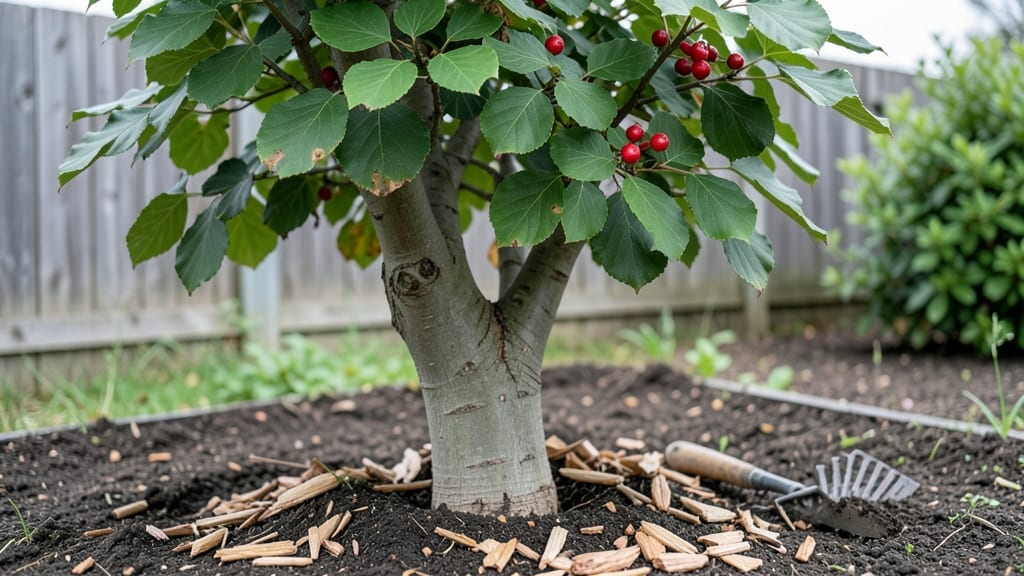
Protecting dogwood trees with the right mulch keeps them thriving through Pacific Northwest winters—especially when you use moisture-retaining options like cedar chips or composted bark. I’ve watched my own dogwoods survive damp winters and scorching summers thanks to this simple shield, which locks in moisture while keeping roots cool.
The key is choosing organic mulch that breaks down slowly, feeding the soil as it works.
Start with 2-3 inches of mulch, spread evenly in a 3-foot-wide ring around the tree’s drip line—never pile it against the trunk. Spring is the best time to apply fresh mulch, but a light top-up in late fall helps insulate roots before the cold sets in.
This method keeps the soil consistently moist while preventing weeds from stealing nutrients.
You’ll notice fewer brown leaves in summer and stronger blooms the following spring. The mulch also regulates soil temperature, so roots stay protected from both heatwaves and frost. Just avoid overdoing it—too much mulch can suffocate the tree and attract pests. A little maintenance goes a long way.
Works for both young saplings and mature dogwoods, though established trees may need deeper mulch rings. The Pacific Northwest’s wet winters make this especially effective—just adjust for your microclimate. Ready to give your dogwoods the care they deserve?
📚 In This Guide
- What you need
- Instructions
- Tips and common mistakes
- Wrapping up and next steps
What you need
- ● Mulch: 3–4 inches of organic mulch (e.g., wood chips, shredded bark, or pine needles). Aim for 1–2 cubic yards per 100 sq ft of tree area.
- ● Avoid dyed or chemically treated mulches—stick to natural, untreated options!
- ● Garden Gloves: A sturdy pair to protect your hands from splinters and debris.
- ● Pruners or Shears: For trimming back any overgrown grass or weeds around the tree base.
- ● Rake: A bow rake (for spreading mulch evenly) or a leaf rake (for clearing debris).
- ● Wheelbarrow or Bucket: To haul mulch from the bag to the tree—5-gallon buckets work great for small jobs!
- ○ Watering Can or Hose: To moisten the mulch after application (optional but helpful for settling).
- ● Landscape Fabric: If weeds are a persistent issue, lay down a 3–4 ft wide strip around the tree before adding mulch.
- ● Tree Rings or Mulch Volcano Guard: Creates a neat, defined border to keep mulch in place and prevent "volcano mulching."
- ● Compost or Fertilizer: A light layer (½ inch) mixed into the top layer of mulch for added nutrients.
- ● Soil pH Tester: Dogwoods prefer acidic soil (pH 5.0–6.0)—test before mulching if your area is alkaline.
Step-by-Step guide for mulching dogwood trees in the Pacific Northwest
Here’s the method I’ve used for years to keep dogwoods thriving through our wet winters—no soggy roots or winter burn.
Time Mulching for Early Spring or Fall
Apply mulch in early spring (just as new growth begins) or fall (after the first frost but before ground freezes). This timing prevents winter desiccation while keeping roots warm without suffocating them. I wait until the soil is slightly dry to the touch—mulching on wet ground compacts it and reduces aeration.
If you’re in a mild PNW winter zone, a light mulch in late fall works too. The key is avoiding fresh mulch in late summer or early fall—it can smother roots and trap too much moisture, inviting rot. Dogwoods are sensitive to this, so don’t rush.
Clear Existing Mulch and Weeds Within the Drip Line
Remove old mulch from the 4-6 inch radius around the trunk—this prevents a thick mulch volcano that suffocates roots. Use a rake to pull it back gently, exposing the soil surface. I also pull any weeds within the drip line (the area where branches naturally extend), as they compete for nutrients and moisture.
Dogwoods have shallow roots, so don’t dig deeper than 2 inches when clearing. You’ll see a network of fine roots just beneath the surface—these need airflow and light to stay healthy. If you compact this zone, you’ll stunt growth and invite fungal issues.
Apply Mulch in a 3-4 Inch Layer, Keeping It Clear of the Trunk
Spread 2-3 inches of fine, organic mulch (like shredded bark or wood chips) in a donut shape around the tree, starting 3-4 inches away from the trunk. This gap prevents moisture buildup against the bark, which causes rot. I use a 4-inch-wide band of bare soil around the trunk to ensure airflow.
Don’t pile mulch against the trunk—this is a common mistake that kills dogwoods. Instead, mound it gently outward, sloping it away from the base. For mature trees, extend the mulch ring to the drip line to conserve moisture and suppress weeds. Lightly press the mulch down to eliminate air pockets, but avoid compacting it.
Water Deeply After Mulching to Settle the Soil
Give the tree a deep watering (about 1-2 gallons) immediately after mulching to help settle the mulch and encourage root growth. You’ll see the mulch absorb water and settle slightly—this means it’s working. Over the next 2-3 weeks, monitor the soil moisture; mulch should keep the top 1-2 inches dry to the touch while retaining moisture deeper down.
In the PNW’s rainy climate, mulch helps regulate moisture without drowning roots. If you notice the mulch shifting or pooling water, add a light layer of coarse wood chips on top to improve drainage. Avoid synthetic mulches—they don’t break down and can trap too much heat in summer.
Refresh Mulch Annually and Monitor for Issues
Every spring, top off the mulch layer to maintain 2-3 inches of coverage. Organic mulch breaks down over time, so this keeps it effective. I also check for mold or fungal growth—if you see a white, fuzzy layer on top, fluff the mulch with a rake to improve airflow.
Watch for voles or rodents digging under the mulch, especially in winter. If you spot tunnels, add a wire mesh barrier (like hardware cloth) before reapplying mulch. Dogwoods stressed by pests or poor mulching often show yellowing leaves or stunted growth—address these early to keep your tree healthy.
Tips & tricks for perfect mulching of dogwood trees
These expert insights will help you protect your dogwoods from Pacific Northwest winters while keeping roots healthy and hydrated.
Timing is Everything: In Step 1, the early spring timing is critical because it allows the soil to warm up naturally while protecting emerging roots. I've seen dogwoods suffer from late fall mulching when the ground is still warm—this creates a perfect environment for rot. For mild PNW winters, that late fall option can work, but only if you apply a very light layer and monitor for excessive moisture. The key is matching mulching to your specific microclimate.
Root Zone Care: When clearing mulch in Step 2, focus on that 4-6 inch radius around the trunk—this is where 80% of dogwood roots reside. I recommend using a garden fork instead of a shovel to loosen compacted soil gently. Dogwood roots are particularly sensitive to compaction, so avoid walking on the mulch ring. This shallow root system is why dogwoods thrive in well-drained soils and why proper mulching makes all the difference in our wet climate.
Mulch Application Technique: For Step 3, creating that donut shape with mulch is essential—it prevents moisture buildup against the bark that causes rot. I've learned this the hard way after seeing several dogwoods develop cankers from improper mulching. The 3-4 inch depth is perfect for moisture retention without suffocating roots. For mature trees, extending to the drip line creates a natural moisture barrier that mimics the tree's natural canopy coverage.
Monitoring Aftercare: After that deep watering in Step 4, check soil moisture every 2-3 weeks by pressing your finger into the mulch. The top 1-2 inches should feel slightly dry while deeper layers stay moist. In our rainy climate, this balance prevents both drought stress and root rot. I've found that adding a thin layer of coarse wood chips on top helps with drainage if you notice pooling water—this creates natural channels for excess moisture to escape.
Pro Tips for Mulch For Dogwood Trees
- These expert insights will help you protect your dogwoods from Pacific Northwest winters while keeping roots healthy and hydrated.
- Timing is Everything: In Step 1, the early spring timing is critical because it allows the soil to warm up naturally while protecting emerging roots.
- Root Zone Care: When clearing mulch in Step 2, focus on that 4-6 inch radius around the trunk—this is where 80% of dogwood roots reside.
Frequently asked questions
Got questions about mulching your dogwood trees? You’re not alone!
Here are answers to the most common queries—from timing to troubleshooting—so you can keep your tree thriving in the Pacific Northwest’s unique climate.
When is the best time to mulch a dogwood tree?
Mulch dogwood trees in early spring or late fall—just after the ground thaws (spring) or before the first hard frost (fall). Avoid mulching in summer heat, as it can trap moisture and invite fungal issues. A 3-inch layer applied at the right time mimics natural forest conditions, protecting roots year-round.
How thick should the mulch layer be for dogwoods?
Keep it 2–4 inches thick—any thicker can suffocate roots or attract pests. Use a volcano-free technique: mound mulch 2–3 inches away from the trunk to prevent moisture buildup and rot. For dogwoods, organic mulches like cedar chips or shredded bark work best—they break down slowly and improve soil structure.
Can I use dyed or colored mulch for my dogwood?
While dyed mulch looks great, it’s not ideal for dogwoods. Chemicals in the dye can leach into the soil, harming roots over time. Stick to natural, undyed mulches like pine bark, cedar, or hardwood chips. They’re safer, retain moisture better, and blend seamlessly into Pacific Northwest gardens.
Why is my dogwood tree’s bark peeling after mulching?
Peeling bark is usually normal—dogwoods naturally shed as they grow. But if you see dark, mushy spots or mold near the trunk, you’ve over-mulched or trapped too much moisture. Fix it by:
If wood chips aren’t available, try:
This prevents rot and keeps your tree healthy.
What’s a good mulch alternative if I don’t have wood chips?
Just avoid plastic or landscape fabric—they block moisture and airflow, harming roots long-term.
Wrapping up and next steps
Choosing the right mulch for your dogwood trees is like giving them a cozy, moisture-rich blanket—especially in the damp yet chilly Pacific Northwest climate! 🌿 Whether you opt for organic mulch (like wood chips or bark) or inorganic options (such as gravel or rubber), the key is balancing moisture retention, temperature regulation, and weed suppression.
Remember to keep mulch 2-4 inches deep and 3-4 inches away from the trunk to protect your tree’s health.
Now that you’re armed with the best practices, grab your gloves and get ready to transform your yard! Start by assessing your dogwood’s current needs—test the soil moisture, check for pests, and pick your mulch—then roll up your sleeves and mulch like a pro.
Your dogwood will thank you with vibrant blooms and lush foliage for years to come! 🌸