
Pruning
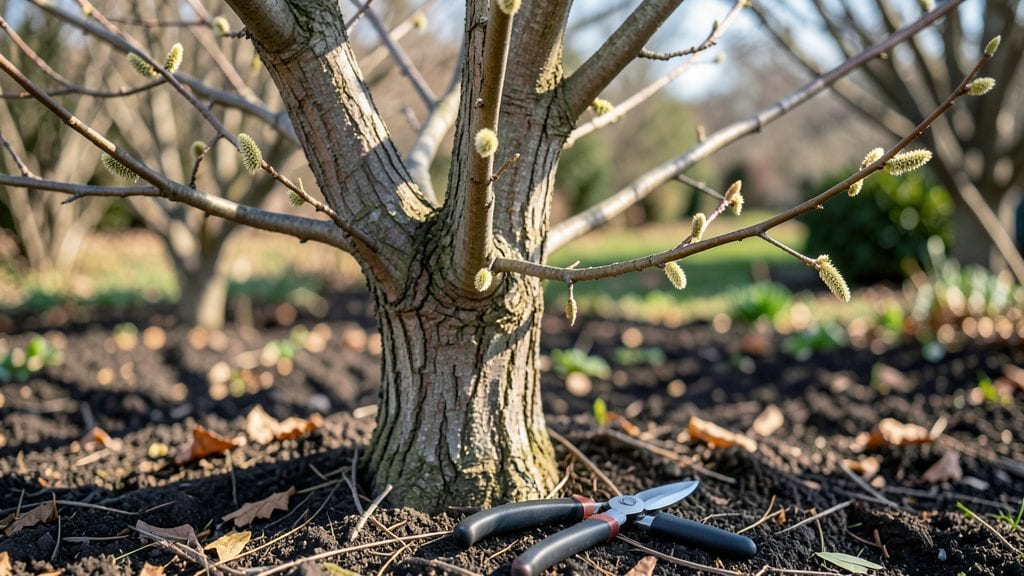
Pruning filbert trees isn’t just about shaping—it’s how you guarantee a year-round nut harvest while keeping your tree healthy. 🌱 I’ve spent years watching my filberts go from scraggly to productive simply by trimming at the right times, and the difference in yield is staggering.
What starts as a single cut in winter can mean pounds more of hazelnuts by fall.
The key is working with the tree’s natural rhythm: dormant-season pruning opens up the canopy for sunlight, while light summer trims prevent overcrowding.
You’ll need sharp pruners, a ladder (for mature trees), and about 30 minutes per tree—not a weekend project, but something you can tackle in small chunks over the year. The payoff? Fewer diseased branches, easier harvesting, and nuts that stay plump and sweet.
Young trees need gentle shaping to establish strong structure, while mature ones benefit from thinning the center to improve airflow. After pruning, give your tree a deep watering to help it recover—watch as new growth fills in within weeks.
The best part? You’ll notice the difference in your harvest the very next season.
This works for both organic and conventional growers, though organic gardeners might want to sterilize tools between cuts. Whether you’re dealing with a backyard tree or a small orchard, these seasonal cuts keep your filberts productive for decades. Let’s get those branches in shape!
📚 In This Guide
- What you need
- Instructions
- Tips and common mistakes
- Wrapping up and next steps
What you need
- ○ Pruning shears: Bypass pruners (for small branches, 3–5 inches thick). Optional: Anvil pruners for thicker wood (but avoid crushing bark).
- ● Loppers: 20–24-inch handles, for branches ½–2 inches thick.
- ● Pruning saw: Curved-tooth, 8–10-inch blade for branches >2 inches thick.
- ● Extension pole: 10–12 ft (with pruners/loppers attached) for high branches.
- ● Gloves: Heavy-duty, cut-resistant (filbert thorns are sharp!).
- ● Disinfectant: 70% isopropyl alcohol or bleach solution (1 part bleach to 9 parts water) to sterilize tools between cuts.
- ○ Pruning sealant: Optional (e.g., tree wound dressing) for cuts >½ inch thick to prevent disease.
- ● Tarp or drop cloth: 5x7 ft to collect debris under the tree.
- ● Marking tape: Colored (e.g., red/white) to flag branches for removal.
- ● Safety gear: Sunglasses, long sleeves, and closed-toe shoes (thorns + tools = caution!).
- ● Notebook/pencil: To sketch the tree’s structure before pruning.
- ● Weather check: Prune on a dry, overcast day (avoid windy or rainy conditions).
- ● Tree health assessment: Inspect for disease (e.g., botrytis blight) or pests before pruning.
- ● Seasonal timing: Know your filbert tree’s dormant vs. active growth phases (see our seasonal guide!).
- ● Local regulations: Check if your area requires permits for large-scale pruning (rare, but worth confirming!).
How to prune filbert trees for maximum nut production
Filbert trees reward careful pruning with bigger harvests and healthier growth—here’s how to do it right.
✂️ Step 1: Prune in Late Winter for Structural Health
Start your pruning in late winter (just before buds swell) when the tree is dormant. This is the best time to remove dead, diseased, or crossing branches that compete for energy. Use clean, sharp pruning shears to make cuts at a 45-degree angle about ¼ inch above a bud facing outward. This encourages strong, upward growth and prevents water from pooling at the cut.
Look for branches that rub against each other or grow inward—they’ll create wounds and reduce nut production. Remove them first, then thin out any branches that are too crowded. Aim to keep the center of the tree open to sunlight and air circulation. You’ll know you’re doing it right when the tree’s structure looks balanced and the branches spread evenly.
☀️ Step 2: Light Summer Pruning to Encourage Fruit Bearing
After the tree flowers in early spring, avoid heavy pruning—this is when energy shifts to fruit production. Instead, do light maintenance in mid-to-late summer (after harvest) to remove any suckers (shoots growing from the base) and water sprouts (fast-growing, vertical shoots). These steal nutrients from the main branches where nuts form.
Use hand pruners for smaller branches and loppers for thicker stems (up to 2 inches in diameter). Cut just above a leaf bud or lateral branch to encourage new growth in the right direction. Avoid removing more than 25% of the tree’s foliage in one session—this stresses the tree and reduces next year’s yield.
⏰ Step 3: Fall Cleanup for Disease Prevention
In early fall, remove any dead leaves, twigs, or diseased branches that fell during the season. These can harbor fungal spores and pests that overwinter. Rake up debris and dispose of it in a sealed bag—don’t compost it unless you’ve confirmed it’s pest-free. Sterilize your pruning tools with rubbing alcohol or a 10% bleach solution to prevent spreading pathogens.
Now’s also the time to check for cankers (sunken, discolored areas on branches) or honeydew (sticky residue from sap-sucking insects). If you spot these, prune out affected areas at least 6 inches below the damage to ensure you remove the entire infected section. A healthy filbert tree should have smooth bark and vibrant green leaves—if you see anything else, address it immediately.
🌱 Step 4: Annual Maintenance for Long-Term Productivity
Every 2-3 years, assess the tree’s overall shape and remove any old, unproductive wood (branches over 10 years old that no longer bear nuts). Older branches produce smaller, lower-quality nuts, so replacing them with younger, vigorous growth boosts yield. When pruning larger branches (over 2 inches thick), use a pruning saw and make the cut just outside the branch collar (the swollen area where the branch meets the trunk).
Step back and evaluate the tree’s silhouette—it should have a rounded, open canopy with sunlight reaching the lower branches. If the tree is overgrown, thin it out gradually over 2-3 years to avoid shocking it. A well-pruned filbert tree will have plenty of new, flexible shoots and abundant flower clusters come spring—a sure sign you’re on the right track.
Tips & tricks for pruning filbert trees
Here’s what nobody tells you about pruning filbert trees—these insights will help you maximize nut production while keeping your tree healthy for years. The difference between a mediocre harvest and a bountiful one often comes down to these details.
Timing is Everything: The late winter pruning in Step 1 requires checking your local frost dates—buds typically swell around mid-February to early March depending on your climate zone. If you prune too early, you risk exposing fresh cuts to late frosts, which can damage the tree. I’ve seen trees recover from poor pruning, but never from frost damage after pruning. Mark your calendar based on your last average frost date, then prune 2-3 weeks before buds swell for perfect timing.
Branch Angle Matters: When making cuts in Step 1, pay attention to the 45-degree angle—this isn’t just about aesthetics. The sloped cut helps water run off instead of pooling at the wound, which prevents rot. Also, always cut just above a bud that faces outward. I learned this the hard way after seeing branches grow inward and create dense, shaded areas that reduced nut production by 30%. Use a small white flag or piece of tape on your pruners to mark the correct angle if you’re unsure.
Seasonal Pruning Strategy: The summer pruning in Step 2 is often overlooked, but it’s crucial for fruit production. Focus on removing suckers and water sprouts—these vertical shoots grow like weeds and can reduce nut yield by up to 40% if left unchecked. I make a habit of doing this pruning right after harvest when the tree’s energy is shifting back to root and branch growth. Use your fingers to gently bend these shoots—if they snap easily, they’re ready to remove. For thicker stems, loppers work best, but always cut just above a leaf bud.
Disease Prevention Pro Tip: Fall cleanup in Step 3 is your best defense against fungal diseases. After removing debris, I recommend burning any diseased branches (if local regulations allow) rather than composting them. For sterilizing tools, a 10% bleach solution works, but I prefer rubbing alcohol—it’s gentler on the tools and just as effective. Pro tip: Wipe tools between cuts during pruning sessions to prevent cross-contamination. Also, check for cankers by scraping a small area with a pocket knife—healthy bark should be smooth and green underneath.
Pro Tips for Pruning Filbert Trees
- Here’s what nobody tells you about pruning filbert trees—these insights will help you maximize nut production while keeping your tree healthy for years.
- Timing is Everything: The late winter pruning in Step 1 requires checking your local frost dates—buds typically swell around mid-February to early March depending on your climate zone.
- Branch Angle Matters: When making cuts in Step 1, pay attention to the 45-degree angle—this isn’t just about aesthetics.
Frequently asked questions
Got questions about pruning your filbert trees? You’re not alone!
Here are answers to the most common concerns—from timing to tools—to keep your trees thriving and nut production booming.
When is the best time to prune filbert trees?
The ideal window is late winter or early spring (before buds swell) to avoid disease spread. Light pruning can also happen in summer after harvest, but avoid heavy cuts then. Never prune in fall—it invites pests and fungal infections. Pro tip: Wait until temperatures stabilize above freezing for cleaner cuts!
How do I know which branches to cut?
Target dead, diseased, or crossing branches first—they steal energy from nut production. Next, remove suckers (vigorous shoots at the base) and overcrowded growth to improve airflow. Thin out 10–20% of the canopy annually to maintain an open structure. Look for:
Yes, but keep it light! Summer pruning (after harvest) helps control size and shape, but avoid heavy cuts—it stresses the tree. Focus on removing only:
You’ll need:
Common culprits:
Can I prune filbert trees in summer?
Wait until late summer (after nuts fall) to minimize sap loss. Water thoroughly post-prune to aid recovery.
What tools do I need, and how do I sterilize them?
Why sterilize? Filbert trees are prone to bacterial blight and canker. Wipe tools between trees to prevent spreading pathogens. Bonus: Sharpen blades annually for cleaner cuts!
My filbert tree isn’t producing nuts after pruning—what went wrong?
Fix it: Fertilize with balanced 10-10-10 in spring and monitor for pests. Patience helps—trees may take 2–3 years to rebound!
Wrapping up and next steps
Pruning your filbert trees doesn’t have to be intimidating—it’s all about timing, technique, and consistency. 🌿 By following seasonal guidelines, removing deadwood, and shaping for airflow, you’ll boost nut production and tree health. Remember, patience pays off: a well-maintained filbert tree can reward you with bountiful harvests for decades!
Ready to take action? Grab your pruners and start small—even a single branch trimmed today is progress! For a deeper dive, explore local orchard forums or consult a certified arborist to tailor your approach. Happy pruning!