
Pruning
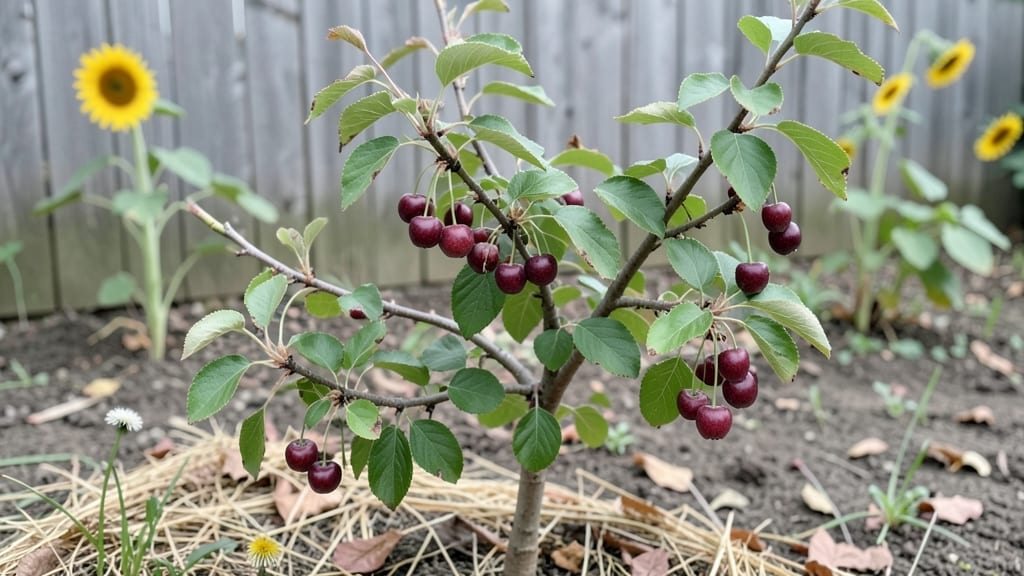
Growing a small cherry-like fruit tree in the Pacific Northwest means year-round beauty—from spring blossoms to summer fruit and fiery fall foliage. I planted my first dwarf cherry five years ago, and it’s now the star of my backyard, producing sweet cherries while keeping pests at bay with minimal fuss.
The key isn’t just choosing the right variety (like 'Stella' or 'Lapins') but understanding when to prune, fertilize, and protect it from our damp winters.
This isn’t about complicated techniques—just smart timing. You’ll need basic tools (pruners, gloves) and a spot with 6+ hours of sun, but the real secret is the pruning calendar. Winter pruning shapes the tree, summer pruning keeps it productive, and fall cleanup prevents disease.
Even in rainy climates like ours, these trees thrive with the right care, and the payoff is harvests of tart-sweet cherries and stunning blossoms that neighbors envy.
What makes this work isn’t luck—it’s knowing when to cut, when to feed, and when to let the tree rest. You’ll learn to spot early signs of pests (like aphids) or diseases (like leaf spot) and fix them before they take hold.
By the end, your tree will be healthy, productive, and a showstopper—no green thumb required, just patience and a sharp pair of pruners.
Whether you’re a beginner or a seasoned gardener, this calendar adapts to your skill level. We’ll cover everything from planting in early spring to winter protection, so your tree stays happy through all four seasons. Let’s get started—your future cherry harvest is waiting!
📚 In This Guide
- What you need
- Instructions
- Tips and common mistakes
- Wrapping up and next steps
What you need
- ● Pruning shears: Bypass shears (for clean cuts) or anvil shears (for thicker branches). Specs: 6-8" blades, sharp and rust-resistant.
- ● Loppers: 1 pair (for branches ½–1½" thick). Specs: Ratcheting or bypass type for precision.
- ● Pruning saw: 1 (for branches >1½" thick). Specs: Curved blade for easy cuts.
- ● Disinfectant (70% isopropyl alcohol or bleach solution): 1 small spray bottle or wipe.
- ● Garden gloves: 1 pair (cut-resistant, size medium/large).
- ○ Tree pruning sealant: 1 small bottle (optional but helpful for large cuts).
- ● Ladder or step stool: 1 (if tree is >6 ft tall). Specs: Sturdy, non-slip base.
- ● Heavy-duty trash bags: 2–3 (for debris disposal).
- ● Hand pruners with ratchet: For extended pruning sessions (reduces hand fatigue).
- ● Pole pruner: If tree branches are high (extendable to 10–12 ft).
- ● Tree wound dressing: For sealing cuts (controversial but some swear by it!).
- ● Notebook & pen: To track pruning dates and notes on tree health.
- ● Safety glasses: For protection from debris (especially when using a saw).
Instructions for year-round pruning of small cherry-like fruit trees
This calendar keeps your Pacific Northwest fruit tree productive, healthy, and disease-resistant through every season.
Late Winter Dormant Pruning (January-February)
When your tree is completely dormant and before buds begin swelling, grab your pruning tools and work while the weather is dry. This is the most critical pruning window for cherry-like trees—it removes dead wood, opens the canopy for better airflow, and sets the stage for spring growth. I always start by removing any branches that died over winter; they’re easy to spot as they’re brown and brittle compared to healthy green or reddish-brown buds.
Next, cut back any crossing or rubbing branches that could create entry points for diseases like silver leaf fungus, which thrives in the Pacific Northwest’s damp climate. Use sharp bypass pruners to make clean cuts just outside the branch collar—the swollen area where the branch meets the trunk. This ensures the wound heals properly. For larger branches, I sterilize my tools with rubbing alcohol between cuts to prevent spreading any latent infections.
Early Spring Growth Stimulation (March-April)
Once you see pink bud swell but before flowers open, do a light shaping prune to encourage strong, outward growth. This is where you’ll remove any water sprouts—those fast-growing vertical shoots that steal energy from fruit production. I look for branches growing straight up or at sharp angles; these are the ones to cut back to an outward-facing bud or lateral branch.
Thin out overly dense areas to improve sunlight penetration, which is crucial for fruit set in cherry-like trees. Aim to leave 6-8 inches of space between branches so air circulates freely. If you’re unsure which branches to keep, I’ve found that selecting branches with multiple buds along their length ensures better fruit-bearing potential. Avoid heavy pruning now—save major structural work for winter.
Post-Harvest Cleanup (July-August)
After your tree’s fruit harvest, focus on removing any suckers (shoots growing from the base or roots) and dead or diseased branches. These can harbor pests like aphids or fungal spores over winter. I also prune back any branches that grew too vigorously during the season, cutting them back to a strong lateral branch or bud. This prevents overcrowding and improves next year’s fruit quality.
This is also the time to thin out excess growth to redirect the tree’s energy toward next year’s buds. Look for branches that are growing inward or downward—they’ll shade fruit and reduce air circulation. A good rule of thumb is to remove one-third of the season’s new growth, focusing on the weakest or most poorly placed branches. Sterilize your tools between cuts to keep diseases at bay.
Late Summer Dormant Preparation (September-October)
As temperatures cool and the tree begins its dormant phase, do a final light prune to remove any deadheading (spent flowers or fruit clusters) and weak, spindly growth. This helps the tree allocate its remaining energy to root development and next year’s bud formation. I also check for any splits or cracks in the bark, which can be entry points for pests—these should be pruned out carefully.
Reduce watering now to harden off the tree for winter. Prune back any late-season suckers that might have appeared, as they’ll compete with the tree’s winter reserves. If your tree has any low-hanging branches, consider raising them slightly to improve airflow and reduce snow load in the winter months. This is also the time to label any major cuts with waterproof tape if you’re unsure which branches you pruned—it’ll help you track progress next winter.
Winter Inspection and Adjustments (December)
Even in winter, take a moment to inspect your tree for any winter damage—like broken branches from storms or ice. Prune out any damaged wood immediately to prevent disease. If you notice dieback (dead branches extending from last year’s growth), cut back to the last healthy bud or branch collar. This keeps the tree’s energy focused on recovery rather than supporting dead wood.
Now is also the time to plan next year’s pruning. Sketch a rough outline of your tree’s structure and note where you’ll focus efforts in late winter. If you’re unsure about a cut, I’ve found that waiting until early spring to reassess is better than over-pruning in winter. The tree’s natural growth patterns will often reveal the best course of action by then.
Tips & tricks for perfect year-round pruning of small cherry-like trees
These seasoned insights will help you maintain a thriving cherry-like tree throughout the Pacific Northwest's challenging climate.
Timing is Everything: In Step 1, when pruning dormant branches in January-February, wait until temperatures consistently stay above freezing at night. Cold snaps can stress the tree, so check your local forecast before starting. I've learned this the hard way after seeing trees shock back into dormancy from unexpected freezes. The goal is to complete this critical work while the tree is truly dormant but before buds begin to swell.
Tool Selection Matters: For Step 2's early spring shaping, invest in quality bypass pruners with sharp blades—they make cleaner cuts that heal faster than the jagged edges from anvil pruners. I sterilize my tools with rubbing alcohol between each cut on larger branches, which prevents spreading silver leaf fungus, a common issue in our damp climate. This simple step can mean the difference between a healthy tree and one struggling with disease.
Visual Cues for Pruning: When thinning branches in Step 3, look for the classic "V" shape where branches grow away from the trunk—these are ideal for fruit production. Inward-growing branches create shaded areas that reduce fruit quality. I've found that removing one-third of the season's new growth (as mentioned) works best when you focus on the weakest branches first, creating natural airflow patterns through the canopy.
Winter Planning Pays Off: During Step 5's winter inspection, take photos of your tree's structure before making any cuts. This visual reference helps you track progress year-to-year and makes next winter's pruning much easier. I've started labeling major cuts with waterproof tape, which has saved me from over-pruning in subsequent years when I couldn't remember which branches I'd already addressed.
Pro Tips for Small Cherry Like Fruit Tree
- These seasoned insights will help you maintain a thriving cherry-like tree throughout the Pacific Northwest's challenging climate.
- Timing is Everything: In Step 1, when pruning dormant branches in January-February, wait until temperatures consistently stay above freezing at night.
- Tool Selection Matters: For Step 2's early spring shaping, invest in quality bypass pruners with sharp blades—they make cleaner cuts that heal faster than the jagged edges from anvil pruners.
Frequently asked questions
Got questions about growing and pruning your small cherry-like fruit tree? You’re not alone! Here are answers to the most common queries to keep your tree thriving year-round in the Pacific Northwest.
When is the best time to prune my small cherry-like fruit tree?
The ideal time depends on your goal: late winter or early spring (before buds swell) is best for shaping and removing dead wood, while summer pruning (after harvest) helps control size. Avoid heavy pruning in fall—it can stimulate late growth vulnerable to frost. For PNW’s mild winters, January–February is a sweet spot!
How much can I prune without harming the tree?
For young trees (under 3 years), aim to remove no more than 25% of the canopy per year to avoid stress. Mature trees can handle 15–20% per year if done correctly. Focus on thinning out crowded branches (especially water sprouts) and opening the center for airflow. Never remove more than ⅓ of the tree in one go!
Will pruning affect next year’s fruit production?
Pruning can boost fruit production by improving sunlight and airflow—but timing matters. Heavy pruning right before flowering (late winter) may reduce blossoms, while light shaping in dormant season or summer thinning (after harvest) helps balance growth and fruit. Pro tip: Prune gradually over 2–3 years for best results!
Are there pests or diseases I should watch for in PNW cherry-like trees?
Yes! Common issues include:
- Leaf spot fungus (brown spots on leaves)—prune infected branches and clean up fallen leaves in fall.
- Cherry fruit flies—use row covers during bloom and harvest early.
- Canker disease (sunken, oozing wounds)—sterilize pruners with rubbing alcohol and remove infected wood.
Prevention tip: Prune in dry weather and avoid wounding bark to reduce entry points for pests.
What’s a good alternative if my cherry-like tree isn’t thriving?
If your tree struggles with disease, poor fruit set, or slow growth, consider these PNW-friendly alternatives:
- Osoberry (Oemleria cerasiformis)—native, drought-tolerant, and edible berries (tart, like a cross between cherry and pear).
- Juneberry (Amelanchier)—hardy, early blooms, and sweet fruit for birds and humans.
- Dwarf cherry varieties (e.g., ‘Stella’ or ‘Sweetheart’)—compact size, heavy fruiting, and easier to manage.
Bonus: All three thrive in PNW’s USDA Zones 5–8 and require minimal pruning!
Wrapping up and next steps
Growing a small cherry-like fruit tree in the Pacific Northwest is a rewarding journey that blends patience with skill—especially when it comes to pruning! 🌿 By following a year-round calendar, you’ll ensure your tree thrives, produces bountiful fruit, and stays healthy for decades.
Whether you’re trimming winter dormancy or shaping summer growth, each season plays a crucial role.
Ready to take the next step? Start by observing your tree’s unique needs—note its growth patterns, fruit production, and any signs of stress. Then, grab your pruners and dive into your first session with confidence! Your future harvests will thank you. 🍒✨