
Pruning
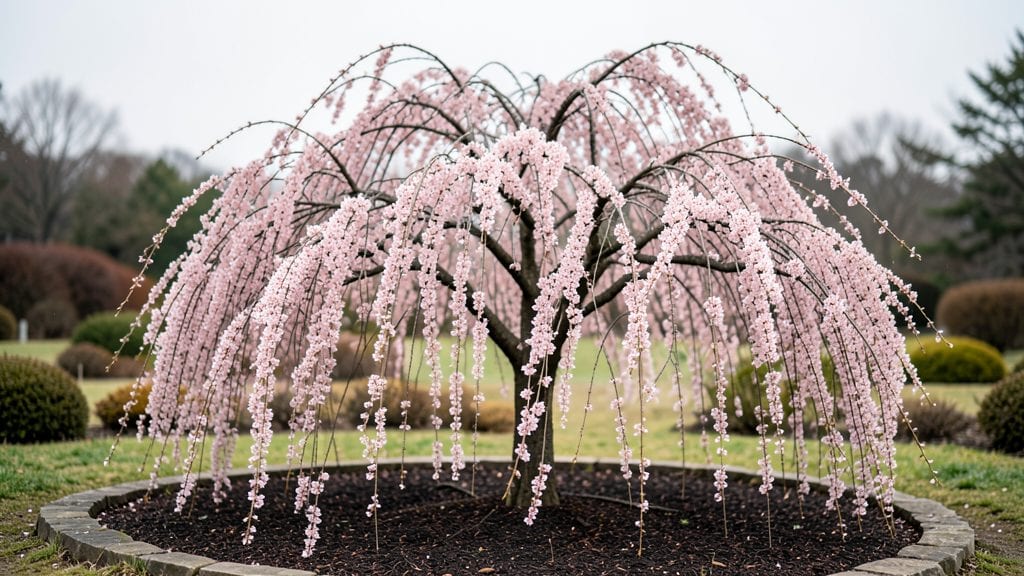
The Shidare Yoshino weeping cherry tree turns spring into a dreamy waterfall of pink blooms—if you prune it right. I planted mine after watching neighbors' trees cascade like living chandeliers, but my first pruning attempt left it looking like a sad, lopsided bush.
That's when I discovered the Pacific Northwest's secret: pruning isn't about cutting back, it's about sculpting the weeping habit.
This tree thrives in zones 5-8, especially along the PNW's rainy coast, where it handles the damp without fuss. The key is light pruning in late winter—never after blooms fade—using sharp shears to shape the graceful, horizontal branches.
You'll need gloves, pruning oil, and a ladder for the higher branches, but the payoff is worth every drop of sap. The right cuts encourage those iconic, fountain-like branches to spread wider each year.
By summer, you'll have a tree that looks like it belongs in a Japanese garden, with hundreds of delicate pink blossoms covering every branch. The secret? Prune only to maintain shape, never to reduce size—this tree grows best when left to its own graceful sprawl.
Even the leaves turn a soft gold in fall, making it a year-round stunner.
Works beautifully as a standalone specimen or paired with other shade-loving plants. The real magic happens when you step back in spring and see your pruning efforts transformed into a living waterfall of color. Let's get those branches weeping just right.
📚 In This Guide
- What you need
- Instructions
- Tips and common mistakes
- Wrapping up and next steps
What you need
- ● Pruning shears: Bypass pruners (sharp, clean, and disinfected with rubbing alcohol or bleach solution). Recommended: Felco F-2 or Corona 4400.
- ○ Loppers: For thicker branches (1.5"–2" diameter). Optional: Ratchet-style for extended reach.
- ● Pruning saw: Curved-tooth saw for branches over 2" in diameter. Brand tip: Felco F-28 or Fiskars.
- ● Gloves: Heavy-duty gardening gloves (cut-resistant, like Felco Classic or Southfork).
- ● Disinfectant: 1-part bleach to 9 parts water (for sterilizing tools between cuts).
- ○ Sealing wax: Pruning sealant (optional but helpful for large cuts to prevent disease). Pick: Tanglefoot Tree Wound Pruning Seal.
- ● Ladder or step stool: Sturdy, tall enough to reach the highest branches safely.
- ● Trash bags: For collecting pruned branches (3–5 gallon size).
- ● Timing: Prune your Shidare Yoshino after flowering (late spring/early summer) or in late winter (dormant season).
- ● Weather: Choose a dry, overcast day to avoid stressing the tree.
- ● Safety gear: Safety glasses (to protect from debris) and long sleeves/pants.
- ● Tree health check: Inspect for signs of disease (e.g., cankers, fungal spots) before pruning.
- ● Plan your cuts: Sketch a rough outline of branches to remove (aim for no more than 25% of the canopy per year).
- ● 🔪 Always cut at a 45-degree angle just outside the branch collar (the swollen area where the branch meets the trunk).
- ● ✨ Sterilize tools between cuts to prevent spreading bacterial/fungal infections.
- ● 🌡️ Avoid pruning during peak heat—stress can harm the tree.
- ● 🎯 For weeping cherries, prioritize structural balance—remove dead, crossing, or inward-growing branches first.
Instructions for pruning a Shidare Yoshino weeping cherry tree
This Pacific Northwest staple thrives with strategic pruning—here’s how to shape it while preserving its iconic grace.
Time Your Pruning for Optimal Growth
Prune your Shidare Yoshino immediately after flowering, typically in late spring (May-June in the PNW). This timing ensures you don’t remove next year’s blossoms while the tree still has energy to recover before summer heat. Avoid pruning in fall or winter, as cold stress weakens the plant.
Watch for new leaf flush after flowering—this signals the tree has finished blooming and is ready for shaping. If you prune too early, you risk cutting off flower buds that haven’t yet opened. If you wait too late, you may encourage late-season growth that won’t harden off before winter.
Assess the Tree’s Structure and Health
Begin by examining the tree’s natural weeping habit. The Shidare Yoshino’s branches should cascade elegantly, creating a fountain-like shape. Look for dead, crossing, or overcrowded branches—these are your first targets. Dead branches snap easily when bent; crossing branches rub against each other, creating wounds that invite disease.
Focus on maintaining the tree’s open, airy canopy. Weeping cherries rely on light penetration to produce flowers along their branches. If you notice dense clusters of branches blocking sunlight from reaching the center, these are prime candidates for thinning. Use sharp pruning shears to make clean cuts just outside the branch collar.
Thin and Shape for Balance
Start by removing 20-30% of the tree’s total volume, focusing on branches that disrupt the weeping form. Cut back to a lateral branch or bud that grows outward, not inward. This encourages new growth in the desired direction. For thicker branches over ½ inch in diameter, use three-step pruning to avoid tearing the bark.
Step back frequently to evaluate the tree’s silhouette. The Shidare Yoshino’s beauty lies in its natural elegance—avoid over-pruning to create a rigid, geometric shape. Instead, aim for a soft, flowing cascade. If a branch feels too heavy or droops unevenly, it may need gradual reduction over multiple years.
Clean and Protect the Tree
After pruning, sterilize your tools with rubbing alcohol to prevent spreading disease between cuts. Remove all clippings from the base of the tree—leaving them invites pests and fungal growth. For larger branches, consider chipping them into mulch for reuse in your garden.
Apply a balanced, slow-release fertilizer, such as 10-10-10, in early spring to support new growth. Water deeply around the root zone to help the tree recover. Mulch with 2-3 inches of organic material, like wood chips, to retain moisture and regulate soil temperature. Avoid piling mulch against the trunk to prevent rot.
Monitor and Adjust Seasonally
Throughout the growing season, keep an eye on the tree’s response. If you notice suckers, or vigorous shoots growing from the base or along branches, remove them promptly. These compete with the main structure for nutrients and can disrupt the weeping habit. Lightly prune any branches that grow too upright or stiffen the tree’s form.
In late summer, assess any dieback, or dead wood that appeared after pruning. This is normal as the tree adjusts, but if more than 10% of the canopy, shows dieback, reconsider your pruning approach. A healthy Shidare Yoshino should show steady, vibrant growth by early fall, with no signs of stress.
Tips & tricks for pruning a Shidare Yoshino weeping cherry tree
A few strategic insights will help you maintain your Shidare Yoshino's natural elegance while avoiding common pruning pitfalls.
Timing is Everything: Pay close attention to the new leaf flush after flowering—this is your definitive signal that the tree has finished blooming. I've seen many gardeners prune too early and accidentally remove next year's flower buds, which would be devastating for that signature spring display. Mark your calendar for late May to early June in the PNW, when the leaves have fully unfurled but before summer heat sets in.
Branch Selection Technique: When evaluating branches in Step 2, look for three key visual cues: dead branches that snap easily, crossing branches that create wounds, and dense clusters blocking light. I've found that using a small mirror helps identify crossing branches that might be hidden from view. Always cut just outside the branch collar to promote proper healing and prevent disease entry points.
Gradual Reduction Strategy: The 20-30% volume reduction guideline in Step 3 is crucial for maintaining the tree's health. Don't be tempted to remove more in one session—this can stress the tree and compromise its natural weeping form. For thicker branches over ½ inch, use the three-step pruning method: first make an undercut, then a top cut, and finally clean up the stub. This prevents bark tearing and promotes faster healing.
Post-Pruning Care: After completing all cuts, don't forget the sterilization step—wipe your tools with rubbing alcohol between each branch to prevent spreading disease. I've seen fungal infections spread rapidly when gardeners skip this step. The 2-3 inches of organic mulch around the base helps regulate soil temperature and retain moisture, which is especially important during the tree's recovery period after pruning.
Pro Tips for Shidare Yoshino Weeping Cherry Tree
- A few strategic insights will help you maintain your Shidare Yoshino's natural elegance while avoiding common pruning pitfalls.
- Timing is Everything: Pay close attention to the new leaf flush after flowering—this is your definitive signal that the tree has finished blooming.
- Branch Selection Technique: When evaluating branches in Step 2, look for three key visual cues: dead branches that snap easily, crossing branches that create wounds, and dense clusters blocking light.
Frequently asked questions
Got questions about nurturing your Shidare Yoshino weeping cherry tree? You’re not alone! Here are answers to the most common queries—from pruning timing to troubleshooting—so you can keep your tree thriving like a PNW pro.
When is the best time to prune a Shidare Yoshino?
The ideal window is late winter to early spring (February–March), before buds swell. This minimizes stress and bleeding sap. Avoid pruning in fall—it encourages late-season growth vulnerable to frost. For light shaping, summer pruning is fine, but never prune in winter when the tree is dormant.
How often should I prune my weeping cherry?
Young trees (under 5 years) need annual pruning to establish structure. Mature trees (5+ years) thrive with every 2–3 years, focusing on deadwood removal and shape maintenance. Pro tip: Prune only when necessary—over-pruning weakens the tree’s iconic weeping form.
Can I prune a Shidare Yoshino after it blooms?
Yes, but wait 4–6 weeks post-bloom (late May–June) to avoid cutting off next year’s flowers. Summer pruning is best for light maintenance, like thinning dense branches. Avoid heavy cuts—this tree’s grace comes from its natural, cascading silhouette.
What if my weeping cherry isn’t blooming well?
Poor blooms often signal over-pruning, poor nutrition, or stress. Check for:
- Balanced fertilizer (high potassium/phosphorus in early spring).
- Full sun exposure (6+ hours daily).
- Watering depth (1–2 inches/week; drought stress = fewer flowers).
- Avoid late pruning (cuts after June reduce next year’s buds).
If issues persist, test soil pH (6.0–7.0 is ideal) or consult a local PNW arborist.
Are there alternatives to Shidare Yoshino for small spaces?
If space is tight, consider these weeping cherry cultivars:
Cultivar
Mature Size
Notes
Kiku-shidare-zakura
10–15 ft tall, 12–15 ft wide
Dwarf variety; great for containers!
Pendula
15–20 ft tall, 10–12 ft wide
Faster grower; needs pruning to control spread.
Shirotae Nishiki
12–15 ft tall, 10–12 ft wide
White blooms; compact but still dramatic.
Pro tip: All weeping cherries need well-draining soil—amend clay soil with compost to prevent root rot.
Wrapping up and next steps
The Shidare Yoshino weeping cherry tree isn’t just a stunning addition to the Pacific Northwest—it’s a living masterpiece that thrives with the right care. By mastering its pruning blueprint, you’ll ensure its graceful branches cascade beautifully for years to come.
Whether you’re a seasoned gardener or just starting, this guide gives you the confidence to nurture one of nature’s most elegant creations.
Ready to transform your garden? Start small: pick a sunny spot, gather your tools, and take that first pruning step with pride. Your weeping cherry will reward you with seasonal splendor—one careful cut at a time! 🌸✂️