
Pruning
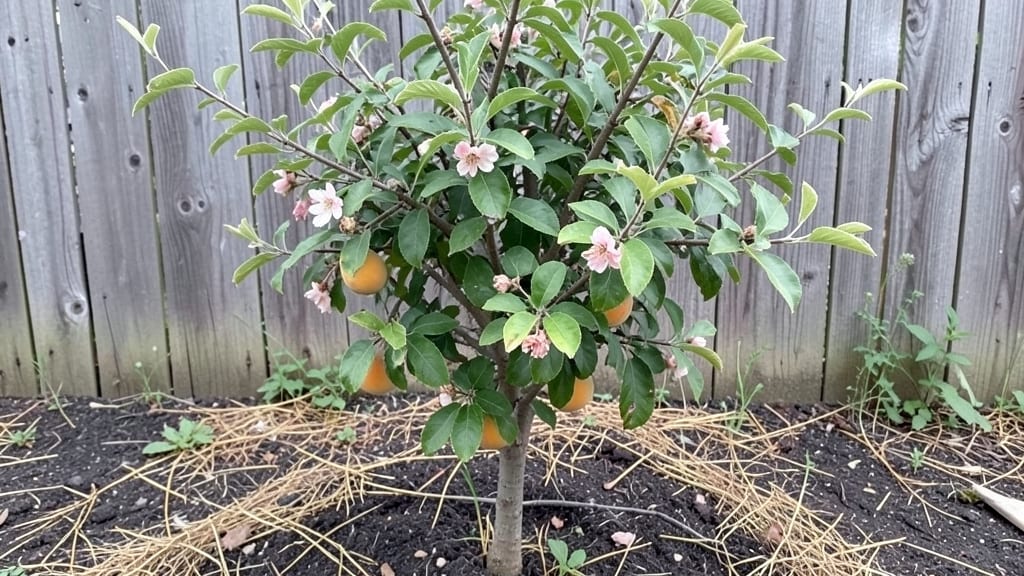
Planting a semi dwarf peach tree in your backyard means juicy fruit without needing an orchard. 🌿 I’ve grown these compact trees for years, and they’ve become my go-to for backyard peaches—sweet, reliable, and perfect for small spaces.
The key is matching their needs: well-draining soil, full sun, and consistent care that keeps them productive for decades.
You’ll need a sunny spot with at least 6 hours of direct sunlight daily, rich soil mixed with compost, and a hole wide enough to spread roots without bending them. Water deeply after planting, then keep the soil moist but not soggy—these trees hate wet feet.
Pruning in late winter shapes the tree and encourages strong growth, while summer pruning keeps airflow moving to prevent disease.
By summer’s end, you’ll be harvesting peaches that taste like childhood memories—firm, flavorful, and ready to pick straight from the tree. The tree stays manageable (under 12 feet tall), so you can enjoy the fruit without a ladder.
With proper care, your semi dwarf peach tree will reward you for years, turning your yard into a mini orchard.
Works in most climates (zones 5-9), though colder areas need winter protection. Whether you’re a beginner or a seasoned gardener, this tree delivers sweet success with minimal fuss. Let’s get those roots in the ground!
📚 In This Guide
- What you need
- Instructions
- Tips and common mistakes
- Wrapping up and next steps
What you need
- ● Semi Dwarf Peach Tree: 1 tree (choose a self-pollinating or compatible variety like 'Redhaven' or 'Elberta' for best results).
- ● Planting Hole: Dig a hole twice as wide and slightly shallower than the root ball (about 18–24 inches deep).
- ● High-Quality Soil: Mix 50% native soil with 50% compost or well-rotted manure (5–10 gallons).
- ● Fertilizer: Balanced 10-10-10 fertilizer (1–2 cups) for initial planting.
- ● Slow-release citrus/peach-specific fertilizer (e.g., Espoma Fruit Tree Food, 1 lb bag).
- ● Mulch: 3–4 inches of organic mulch (wood chips or straw) to retain moisture and suppress weeds.
- ○ Watering Supplies: Hose with soaker nozzle or drip irrigation kit (optional but ideal).
- ● Watering can (5-gallon capacity) for initial watering.
- ● Pruning Tools: Sharp bypass pruners (for small branches).
- ● Pruning saw (for thicker branches).
- ● Disinfectant (rubbing alcohol or 10% bleach solution) to sterilize tools between cuts.
- ○ Support Stake (Optional): 1 4–5 ft tall wooden or metal stake + soft tree tie (to secure young trees in windy areas).
- ● Tree Guard: Plastic or metal tree collar to protect the trunk from pests and lawnmowers.
- ● Pest Control: Neem oil spray (for aphids/mites).
- ● Sticky traps (to monitor fruit flies).
- ● Soil pH Test Kit: Ensures your soil is in the ideal 6.0–7.0 range for peaches.
- ● Seasonal Pruning Schedule: Mark your calendar for late winter (dormant season) and summer (light thinning) pruning.
How to plant and care for a semi-dwarf peach tree
Here’s my foolproof method for growing a productive peach tree in limited space—no orchard required.
🪴 Step 1: Choose the Right Location and Plant at the Correct Time
Semi-dwarf peach trees thrive in full sun (at least 6-8 hours daily) and need well-draining soil with a pH between 6.0 and 7.0. I always plant mine in early spring, just as buds swell but before leaves emerge—this gives roots time to establish before summer heat. Avoid planting in fall, as young trees won’t have enough time to root before winter.
Dig a hole twice as wide as the root ball but only as deep—the top of the root ball should sit 1-2 inches above ground level. This prevents water from pooling around the trunk. If your soil is heavy clay, mix in 2-3 inches of compost into the bottom of the hole to improve drainage. Tap the tree gently to settle soil around roots, then water deeply to eliminate air pockets.
☀️ Step 2: Water Deeply and Mulch to Retain Moisture
After planting, water the tree deeply once a week (about 10-15 gallons) during the first growing season. You’ll know it’s enough when water drains 6-8 inches down into the soil. Overwatering causes root rot, so always let the top 2 inches of soil dry out between waterings. I use a soaker hose to deliver water slowly at the base—this keeps leaves dry and prevents fungal diseases.
Spread 3-4 inches of organic mulch (like wood chips or straw) around the tree, keeping it 6 inches away from the trunk. Mulch locks in moisture, regulates soil temperature, and suppresses weeds. Refresh the mulch layer annually in early spring to maintain its effectiveness. Avoid synthetic mulches—they can smother roots and disrupt soil aeration.
✂️ Step 3: Prune for Shape and Airflow in Late Winter
Prune your semi-dwarf peach tree in late winter or early spring, before buds break. Remove dead, crossing, or diseased branches first—these are easy to spot as they’re brown, brittle, or growing toward the center of the tree. Next, thin out excessive branches to improve airflow; aim for an open vase shape that lets sunlight reach the center. Cut back to a bud or lateral branch at a 45-degree angle to encourage new growth.
Never prune more than 25% of the tree’s canopy in one season—this stresses the tree and reduces fruit production. I always sterilize my pruners with rubbing alcohol between cuts to prevent spreading disease. After pruning, apply a fruit tree fertilizer (low in nitrogen) to support new growth. Watch for suckers (shoots growing from the base) and remove them promptly—they drain energy from the main tree.
🌱 Step 4: Fertilize and Protect Against Pests
Feed your peach tree twice a year: once in early spring (when buds swell) with a balanced 10-10-10 fertilizer, and again in late spring (after flowering) with a low-nitrogen, high-potassium blend (like 5-10-10) to boost fruit development. Scatter granules 6 inches from the trunk and water them in deeply. Avoid high-nitrogen fertilizers—they promote leafy growth at the expense of fruit.
Peach trees attract pests like aphids and peach tree borers. I spray neem oil (a natural insecticide) every 2 weeks during growing season to deter them. For borers, wrap the trunk with tree banding material in early spring to trap larvae. Monitor leaves for yellowing or curling—these are early signs of infestation. A strong tree with good airflow resists pests far better than a neglected one.
Tips & tricks for perfect semi-dwarf peach tree care
Let me share the secrets I've learned from years of growing semi-dwarf peach trees—these little details make all the difference between a struggling plant and a fruit-bearing superstar.
Sunlight Strategy: When choosing your planting spot, remember that 6-8 hours of direct sunlight isn't just a minimum—it's the sweet spot. I've found that trees in southern exposures (facing south) actually produce slightly earlier and more abundant fruit. If your yard gets afternoon shade, consider planting near a light-colored fence that reflects sunlight back to the tree during those critical afternoon hours.
Soil Science: That 6.0-7.0 pH range mentioned in Step 1 is crucial, but here's what nobody tells you: peach trees hate soggy feet. If your soil tests high in clay, mix in 2-3 inches of compost not just at planting time, but also every spring. This improves drainage AND adds essential nutrients. I've seen trees in heavy clay thrive when given this extra boost—it's like giving them a drainage system upgrade.
Watering Wisdom: That 10-15 gallons once a week guideline works perfectly when your soil drains well, but here's the real trick: water in the early morning so leaves have all day to dry. Wet foliage at night invites fungal diseases. I use a soaker hose set on a timer for 45 minutes—it delivers exactly the right amount without wasting water or creating puddles.
Pruning Pro Tip: When you're shaping your tree in Step 3, look for those 45-degree cuts—they're not just for looks. This angle prevents water from pooling on the cut surface, which can lead to rot. Also, always cut just above an outward-facing bud. I mark these buds with a white pencil before making cuts—it helps me visualize where new growth will emerge and ensures I'm not accidentally creating a branch that'll grow into the center of the tree.
Pro Tips for Semi Dwarf Peach Tree
- Let me share the secrets I've learned from years of growing semi-dwarf peach trees—these little details make all the difference between a struggling plant and a fruit-bearing superstar.
- Sunlight Strategy: When choosing your planting spot, remember that 6-8 hours of direct sunlight isn't just a minimum—it's the sweet spot.
- Soil Science: That 6.0-7.0 pH range mentioned in Step 1 is crucial, but here's what nobody tells you: peach trees hate soggy feet.
Frequently asked questions
about semi dwarf peach trees—because growing these compact fruit powerhouses comes with a few common curiosities! Whether you're a first-time gardener or a seasoned pruner, these answers will help you navigate care, harvests, and troubleshooting with ease.How often should I prune a semi dwarf peach tree?
Prune your semi dwarf peach tree twice a year: once in late winter or early spring (before buds swell) to shape the tree and remove dead wood, and again in summer (after harvest) to thin out crowded branches. Light pruning in fall is optional but helps improve airflow. Pro tip: Never prune during frost or extreme heat!
When will my semi dwarf peach tree start bearing fruit?
With proper care, your semi dwarf peach tree can produce fruit within 2–3 years of planting—sometimes even sooner! Young trees focus on root and branch growth first, but dwarfing rootstock and regular pruning speed up fruiting. Patience pays off: A well-maintained tree can yield 100+ peaches annually in its prime!
Can I grow a semi dwarf peach tree in a container?
Yes! Semi dwarf peach trees thrive in large containers (at least 20–25 gallons) with well-draining soil and regular watering. Use a dwarfing rootstock variety (like 'Bonanza' or 'Redhaven') for better success. Move pots to a sunny spot in spring/summer and protect from winter winds. Warning: Containers dry out faster—monitor soil moisture closely!
What pests or diseases should I watch for in semi dwarf peach trees?
Common issues include:
- Peach leaf curl (fungal): Treat with copper fungicide in fall/winter.
- Aphids or scale insects: Spray with neem oil or insecticidal soap.
- Brown rot (fruit disease): Remove infected fruit immediately and thin branches for airflow.
How do I protect my semi dwarf peach tree in winter?
Semi dwarf peach trees are hardy to USDA Zones 5–9, but young trees or tender varieties need extra care. Wrap the trunk with tree guard, mulch the base with straw or wood chips, and cover with burlap if frost is expected. Avoid heavy snow buildup—gently shake it off to prevent branch damage!
Wrapping up and next steps
Growing a semi dwarf peach tree is a rewarding way to enjoy fresh, juicy fruit without sacrificing space—perfect for small gardens, patios, or even containers! 🌱 With the right pruning techniques, soil care, and seasonal attention, your tree will thrive for years, offering bountiful harvests with minimal effort.
Whether you’re a seasoned gardener or just starting, this compact powerhouse proves that big flavors come in small packages.
Ready to take the next step? Start small:
- 📅 Mark your calendar for pruning seasons (late winter and post-harvest).
- 🛠️ Gather your tools—sharp pruners, gloves, and a ladder (if needed).
- 🌿 Observe your tree and adjust care as it grows—every season brings new lessons!