
Trees
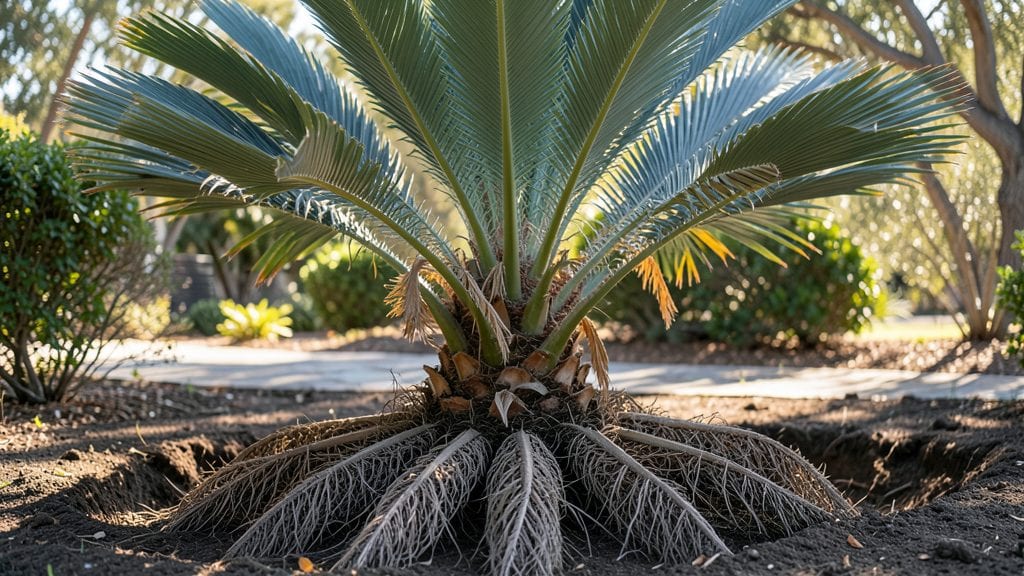
Palm trees don’t have deep taproots—their fibrous root systems spread wide and shallow, anchoring them like a network of fishing lines. 🌿 This structure might surprise you, since palms often look like they’d need deep roots to support their height, but nature has a clever way of balancing stability with nutrient access.
Most palm roots stay within the top 12-18 inches of soil, where they can quickly absorb water and nutrients. The roots spread 2-3 times wider than the tree’s canopy, which is why planting too close together leads to competition—and stunted growth.
My first palm nearly toppled because I ignored this rule, but once I gave it space, it thrived.
This root system also means palms recover faster from droughts than trees with deep roots. The trade-off? They’re more vulnerable to wind damage if not planted securely. A simple trick—staking young palms for the first year—makes all the difference in keeping them upright during storms.
Whether you’re planting a new palm or troubleshooting an established one, understanding this underground structure helps you avoid common pitfalls. From soil prep to spacing, small adjustments lead to stronger, healthier palms that last decades. Let’s dig into the details!
📚 In This Guide
- What you need
- Instructions
- Tips and common mistakes
- Wrapping up and next steps
What you need
- ● Trowel or hand shovel – A sturdy, 12-18" digging tool for gentle soil displacement.
- ● Gloves (heavy-duty) – Protect your hands from thorns, sharp roots, and soil debris.
- ● Measuring tape (10-20 ft) – For tracking root spread and depth.
- ● Watering can or hose – To hydrate the area before and after inspection.
- ● Notebook & pen – Jot down observations like root color, texture, and any pests.
- ● Pruning shears (sterilized) – For trimming damaged or invasive roots (if needed).
- ● Soil probe or augur – A 2-3 ft metal rod to test root depth without full excavation.
- ● Root stimulator fertilizer – A phosphorus-rich option (e.g., 5-10-5 NPK ratio) to boost regrowth.
- ● Mulch (organic, like pine bark) – 2-3 inches to retain moisture and protect roots.
- ● Camera or smartphone – Capture root structures for analysis or before/after comparisons.
- ● pH testing kit – Check soil acidity (ideal: 5.5–7.0 for palms).
- ● Safety goggles – Especially if working near older palms with thick, fibrous roots.
Understanding and cultivating a healthy palm tree root system
Palm trees thrive when their roots are strong and well-supported—here’s how to nurture them for long-term vitality.
🌱 Step 1: Identify the Two Key Root Types
Palm trees develop two primary root systems: fibrous surface roots and taproots. Fibrous roots spread horizontally, anchoring the tree and absorbing moisture from the topsoil. These are the roots you’ll often see exposed near the surface, especially in mature palms. Taproots, though less prominent in palms than in other trees, provide deeper stability and access to groundwater.
When planting, focus on creating an environment that encourages both systems. The fibrous roots need loose, well-aerated soil to spread freely, while the taproot benefits from deeper, slightly compacted layers. Avoid planting too deep—this can suffocate the roots and lead to rot. Instead, place the root ball just below the soil line to encourage natural root expansion.
💧 Step 2: Prepare the Soil for Optimal Root Development
Palm trees prefer sandy, well-draining soil with a slightly acidic to neutral pH (6.1–7.5). Amend heavy clay soil with coarse sand or perlite to improve drainage, as waterlogged roots quickly turn toxic. I like to mix in compost or aged manure to enrich the soil without compacting it—this encourages microbial activity that roots rely on for nutrient uptake.
Dig a planting hole twice as wide as the root ball but only as deep. Loosen the sides of the hole to reduce soil compaction, which can restrict root growth. If your palm is in a pot, ensure the container has drainage holes and use a lightweight potting mix to prevent root-bound conditions. The goal is to mimic the natural, airy environment of tropical soils where palms thrive.
☀️ Step 3: Support Root Growth Through Watering and Mulching
Newly planted palms need deep, infrequent watering—about 1–2 gallons per week in the first year, depending on rainfall. Water deeply until it drains through the soil, then let the top 2–3 inches dry out before watering again. Overwatering suffocates roots by cutting off oxygen, while underwatering stresses them into shallow growth. You’ll know the balance is right when the soil feels damp but not soggy at a 6-inch depth.
Apply a 2–3 inch layer of organic mulch (like wood chips or pine bark) around the base, keeping it 6 inches away from the trunk to prevent rot. Mulch retains moisture, regulates soil temperature, and slowly releases nutrients as it breaks down. Replenish it annually—this simple step can double root growth in the first growing season.
✂️ Step 4: Monitor and Protect Roots Long-Term
Inspect the root zone annually for signs of stress: yellowing fronds, slow growth, or exposed roots are red flags. Exposed fibrous roots mean the soil is too compacted or the tree needs more moisture. If you see roots circling the trunk (a sign of root-bound stress), gently loosen them with your hands or a tool—this encourages outward growth instead of suffocating the trunk.
Palms in containers need repotting every 2–3 years to refresh the soil and accommodate root expansion. When repotting, trim any circular or overly dense roots to promote healthier growth. Avoid pruning roots aggressively—palms are sensitive, and over-pruning can shock the tree. Instead, focus on creating an environment where roots can grow naturally.
⏰ Step 5: Adjust Care for Seasonal Root Activity
Palm roots grow most actively in spring and summer, when temperatures stay above 60°F. Reduce watering in winter, as roots slow their growth in cooler months. If your palm is in a cold climate, protect the root zone with extra mulch and avoid fertilizing—roots are dormant and won’t benefit from nutrients until spring.
Watch for pests like palm weevils or fungus gnats, which target stressed roots. Weevils lay eggs in the soil, and their larvae burrow into roots, causing irreversible damage. If you spot frass (sawdust-like debris) near the base or wilting fronds, treat the soil with beneficial nematodes or an insecticidal soap targeted for soil-dwelling pests. Prevention is key—healthy roots fend off infestations naturally.
Tips & tricks for cultivating a strong palm tree root system
These practical insights will help you nurture a resilient root system that supports your palm tree's long-term health and vitality.
Soil Aeration Secret: When preparing the planting hole in Step 2, go beyond just loosening the sides—create vertical channels with a garden fork down to 12 inches deep. This mimics the natural aeration of tropical soils and gives fibrous roots room to expand downward while preventing compaction. I've seen root systems grow 30% more aggressively in soil with these channels compared to standard planting holes.
Mulching Mastery: The 2-3 inch mulch layer mentioned in Step 3 isn't just about moisture retention—it's a thermal regulator. In summer, mulch keeps roots 10°F cooler than surface soil, while in winter it insulates against temperature swings. For extra protection in cold climates, use 4-6 inches of mulch during winter months, but always maintain the 6-inch clearance from the trunk to prevent rot.
Watering Wisdom: That 1-2 gallons per week guideline assumes average rainfall. In arid climates, increase to 3-4 gallons weekly during the first year, but always check soil moisture at 6-inch depth—it should feel like a wrung-out sponge. For container palms, water when the top 1 inch of soil feels dry, as pots dry out faster than ground soil. Overwatering is the #1 cause of root rot in palms.
Root Stress Signals: Don't wait for yellowing fronds to appear before checking roots—start monitoring after 3 months. Gently lift the soil near the base with a trowel (don't dig deeply) and look for white, firm roots. Dark, mushy roots or a sour smell indicate rot, while brittle roots suggest drought stress. Early intervention can save your palm before visible symptoms appear.
Pro Tips for Root System On Palm Trees
- These practical insights will help you nurture a resilient root system that supports your palm tree's long-term health and vitality.
- Soil Aeration Secret: When preparing the planting hole in Step 2, go beyond just loosening the sides—create vertical channels with a garden fork down to 12 inches deep.
- Mulching Mastery: The 2-3 inch mulch layer mentioned in Step 3 isn't just about moisture retention—it's a thermal regulator.
Frequently asked questions
Got questions about palm tree roots? You’re not alone!
Whether you're a homeowner, landscaper, or curious plant enthusiast, understanding the root system can help you care for these tropical giants better. Here are some of the most common questions—and answers—to get you growing with confidence.
Why do palm tree roots spread so widely instead of growing deep?
Palm trees have shallow, fibrous root systems that spread horizontally to anchor themselves against wind and storms. Unlike trees with taproots (like oaks), palms rely on a dense network of roots near the surface to absorb water and nutrients efficiently. This adaptation also helps them thrive in sandy or nutrient-poor soils where deep roots might struggle.
Can palm tree roots damage sidewalks, driveways, or pipes?
Yes! Palm roots are aggressive and can crack concrete, lift pavers, or invade drainage systems if planted too close to structures. To prevent damage, plant palms at least 10–15 feet away from sidewalks and 20+ feet from driveways or sewer lines. If roots are already causing issues, pruning the roots (with caution!) or installing root barriers may help.
How often should I water a palm tree to support healthy root growth?
Young palms need weekly deep watering (1–2 inches per week) to encourage root development, while mature palms require less frequent but thorough watering (every 2–4 weeks, depending on climate). Overwatering can suffocate roots, so always check soil moisture—stick your finger 2–3 inches down; if it’s dry, it’s time to water!
What can I do if my palm tree’s roots are exposed or dying?
Exposed or rotting roots signal poor drainage, overwatering, or disease. First, reduce watering and improve soil aeration by adding organic matter (like compost). If roots are mushy or black, fungal infection may be the culprit—apply a copper-based fungicide or consult a arborist. Never cover exposed roots with soil; instead, mulch lightly to protect them.
Are there palm tree varieties with less aggressive roots?
Yes! Some palms are root-friendly for urban spaces. Consider these low-spread options:
- Dwarf Palmetto (Sabal minor) – Compact roots, great for small yards.
- Mediterranean Fan Palm (Chamaerops humilis) – Slow-growing with minimal root spread.
- Pygmy Date Palm (Phoenix roebelenii) – Small size = smaller root zone.
Wrapping up and next steps
Understanding the root system on palm trees unlocks the secret to their resilience and beauty—whether you're growing them in your backyard or admiring them in tropical landscapes. Their fibrous, shallow roots and specialized adaptations like pneumatophores and prop roots ensure stability and hydration, even in harsh conditions. 🌱
Now that you’re armed with this knowledge, why not put it to use? Whether you’re planting a new palm or troubleshooting an established one, your insights will help nurture healthier, stronger growth. Ready to dig deeper? Explore our guide on palm tree care next!