
Pruning
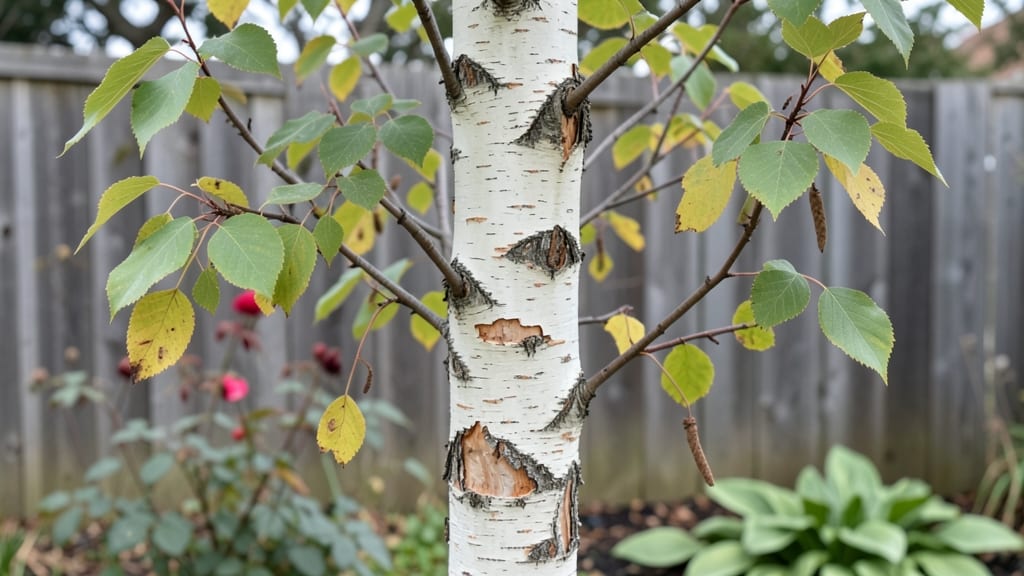
That crispy river birch tree leaf clinging to your branches in late autumn isn’t just frost damage—it’s a cry for a smarter pruning plan before next season. we cut, and the difference shows up first in next spring’s fresh growth.
The key isn’t just trimming dead branches but understanding how birch bark and leaves handle cold differently than other trees.
Most gardeners wait until late winter to prune, but river birches actually benefit from a two-step approach: light shaping in late summer to improve airflow, followed by a deeper cut in early spring before buds swell.
This prevents fungal spots from lingering on thick bark and gives new shoots a head start before heavy frost hits. You’ll need sharp loppers, rubbing alcohol for cuts, and about 30 minutes—no fancy tools required.
After pruning, you’ll notice fewer yellowed leaves clinging through winter and more vibrant green emerging by April. The tree’s natural peeling bark becomes even more striking when paired with healthy foliage, and pests like aphids struggle to take hold when branches get proper airflow.
It’s not just about looks—resilient leaves mean fewer nutrients wasted on struggling branches.
This method works for both young trees and mature specimens, though older birches may need more frequent thinning. If you’re in Zone 4 or colder, focus extra attention on lower branches where frost collects. The payoff? A tree that looks stunning year-round and handles winter like a pro.
📚 In This Guide
- What you need
- Instructions
- Tips and common mistakes
- Wrapping up and next steps
What you need
- ● Pruning shears: Bypass pruners (for small branches, ¼"–¾" diameter) or loppers (for branches ¾"–2" diameter). Must be sharp and sterilized!
- ● Pruning saw: Curved-tooth saw for branches 2"–4" in diameter (avoid tearing bark).
- ● Gloves: Heavy-duty, cut-resistant gloves (river birch bark is spiky!).
- ● Disinfectant: 70% rubbing alcohol or bleach solution (1 part bleach to 9 parts water) to clean tools between cuts.
- ● Ladder: Sturdy, extendable ladder (20–30 ft) for tall branches (safety first! 🎯).
- ● Heavy-duty trash bags: For collecting pruned branches and debris.
- ● Hand saw or chainsaw: For large-diameter branches (3"+) if needed.
- ● Pruning sealant: Tree wound dressing (controversial but useful for large cuts).
- ● Work boots: Steel-toe for protection (especially in rocky areas).
- ● Safety glasses: To protect eyes from debris.
- ● Notebook & pen: To log cuts and track tree health over time.
Step-by-Step guide to pruning river birch trees for frost resilience
Pruning river birch trees isn't just about shaping—it's about preparing them to survive winter's worst. Here's how to do it right.
Identify the Right Time to Prune
River birch trees should be pruned during late winter or early spring, just before new growth begins. This timing helps prevent frost damage by removing vulnerable branches before cold snaps. Look for bare branches and dormant buds—these are your cues that the tree is ready. Avoid pruning in fall, as new growth may not harden off before winter, making it more susceptible to frost.
If you must prune in summer, do so in late July or August to allow enough time for wounds to heal before cold weather arrives. Summer pruning should be minimal, focusing only on removing dead or diseased branches. The key is to give the tree time to seal wounds before winter stress sets in.
Remove Dead, Diseased, or Damaged Branches
Start by inspecting the tree for dead branches—these will be brittle, lack bark, and may snap easily. Use sharp pruning shears or a pruning saw to make clean cuts just outside the branch collar, the swollen area where the branch meets the trunk. Avoid leaving stubs, as they can invite disease and pests.
Next, look for branches with signs of disease, such as discolored bark, oozing sap, or fungal growth. These should be removed immediately, cutting back to healthy tissue. Diseased branches can spread pathogens to the rest of the tree, weakening its resilience to frost. If a branch is larger than 4 inches in diameter, use a pruning saw for a smooth cut.
Thin the Canopy for Better Air Circulation
Thinning the canopy improves air circulation, which helps prevent frost damage by reducing moisture buildup on leaves and branches. Focus on removing branches that cross or rub against each other, as these create wounds that are prime entry points for frost-related stress. Aim to remove no more than 25% of the canopy in a single pruning session to avoid shocking the tree.
Look for branches growing inward toward the center of the tree—these block sunlight and create a damp, shaded environment that encourages fungal growth. By opening up the canopy, you allow sunlight to penetrate deeper, promoting healthier growth and better frost resistance. Always make cuts at the branch collar to ensure proper healing.
Shape the Tree for Structural Integrity
River birch trees have a natural, graceful shape, but pruning can help reinforce their structure against winter winds. Remove branches that grow at sharp angles or are prone to breaking under snow or ice. Focus on scaffolding branches—the main structural limbs—that support the majority of the tree's weight. These should be spaced evenly along the trunk.
If a branch is too large to remove in one cut, use the three-cut method to avoid tearing the bark. First, make an undercut on the underside of the branch about 12 inches from the trunk. Then, cut the top of the branch about 2 inches farther out. Finally, remove the remaining stub by cutting just outside the branch collar. This method prevents bark from being stripped away, which can weaken the tree.
Clean Up and Monitor for Recovery
After pruning, collect and dispose of all debris, including diseased branches, to prevent the spread of pathogens. Sterilize your pruning tools with rubbing alcohol or a 10% bleach solution to avoid contaminating healthy branches. Once the tree is pruned, monitor it closely for signs of stress, such as wilting leaves or unusual discoloration.
In the weeks following pruning, keep the tree well-watered, especially if the weather is dry. Deep watering encourages root growth, which helps the tree recover from pruning stress and builds resilience for the next frost. Avoid fertilizing immediately after pruning, as new growth may not be hardy enough for winter. Instead, wait until spring to apply a balanced fertilizer.
Tips & tricks for pruning river birch trees
Pruning river birch trees properly can make all the difference in their winter survival. Here are the essential tips to ensure your tree thrives year-round.
Timing is Everything: The late winter or early spring timing in Step 1 is crucial because it allows the tree to heal before summer heat arrives. If you're unsure whether it's too late, check for dormant buds—these indicate the tree is ready. Between us, I've seen trees stressed by summer pruning when homeowners tried to "get it done" without considering the healing time needed before frost.
Tool Selection Matters: Sharp pruning shears and a pruning saw are non-negotiable for clean cuts in Step 2. Dull tools crush branches, creating larger wounds that take longer to heal. I always sterilize my tools between cuts, especially when dealing with diseased branches—this prevents cross-contamination that could spread pathogens throughout your tree.
Canopy Thinning Strategy: When thinning the canopy in Step 3, focus on removing branches that create rubbing points or grow inward. These branches block sunlight and trap moisture, creating ideal conditions for frost-related stress. Remember, you should never remove more than 25% of the canopy at once—this prevents shocking the tree and gives it time to recover before winter.
Branch Collar Awareness: The branch collar is your best friend when making cuts in Step 4. Always cut just outside this swollen area to ensure proper healing. I've seen too many pruning jobs where homeowners left stubs or cut into the collar, which slows healing and invites disease. This small detail makes a huge difference in how well your tree recovers.
Pro Tips for River Birch Tree Leaf
- Pruning river birch trees properly can make all the difference in their winter survival.
- Timing is Everything: The late winter or early spring timing in Step 1 is crucial because it allows the tree to heal before summer heat arrives.
- Tool Selection Matters: Sharp pruning shears and a pruning saw are non-negotiable for clean cuts in Step 2.
Frequently asked questions
Got questions about pruning river birch trees to keep them thriving in cold climates? You’re not alone! Here are some of the most common queries—and their answers—to help you master the art of frost-resistant pruning.
When is the best time to prune a river birch tree for frost resilience?
The ideal time to prune is late winter or early spring (before bud break), but you can also prune in summer if needed. Avoid pruning in fall—this can expose fresh cuts to winter damage. For river birches, focus on removing dead, diseased, or crossing branches first to minimize stress.
How do I protect river birch leaves from winter frost damage?
River birch trees are naturally cold-hardy, but young trees or newly pruned branches may need extra care. Apply a thin layer of anti-desiccant spray (like Wilt-Pruf) in late fall to prevent moisture loss. Avoid heavy mulching around the trunk—keep it 2-3 inches deep to prevent rot. Prune strategically to improve airflow and reduce ice buildup.
Can I prune a river birch tree in winter, even if it’s dormant?
Yes! Dormant pruning (winter) is safe and often preferred for river birches. Wait until temperatures are above freezing (but no buds have swollen) to avoid shocking the tree. Use clean, sharp tools to make smooth cuts just outside the branch collar. Avoid over-pruning—never remove more than 25% of the canopy in one season.
What if my river birch leaves turn brown or crispy after pruning?
Brown or crispy leaves post-pruning often signal transpiration stress (water loss). This happens when cuts are too large or made in hot/dry conditions. Water deeply after pruning and monitor for disease signs (like canker or fungal spots). If leaves stay brown, prune less aggressively next time and focus on removing only dead wood.
Are there alternatives to pruning if my river birch isn’t thriving?
If pruning isn’t enough, consider these steps:
- Soil health: Test soil pH (river birches prefer acidic to neutral) and amend with organic matter if compacted.
- Watering: Deep water 1-2 times per week during dry spells (especially for young trees).
- Fertilizing: Use a slow-release, balanced fertilizer in early spring if growth is stunted.
- Pest control: Inspect for birch borers or aphids—treat with horticultural oil if needed.
Wrapping up and next steps
Mastering the art of pruning your river birch tree ensures its stunning foliage thrives year-round—even in frost! 🌿❄️ By following the right techniques, timing, and tools, you’ll boost resilience, encourage lush growth, and keep those iconic peeling bark and vibrant leaves looking their best.
Your tree will thank you with healthier branches and a stronger root system for seasons to come.
Now that you’re equipped with the knowledge, grab those pruners and get pruning! Start small—focus on one section at a time—and enjoy watching your river birch flourish. Happy trimming! 🌳💚