
Trees
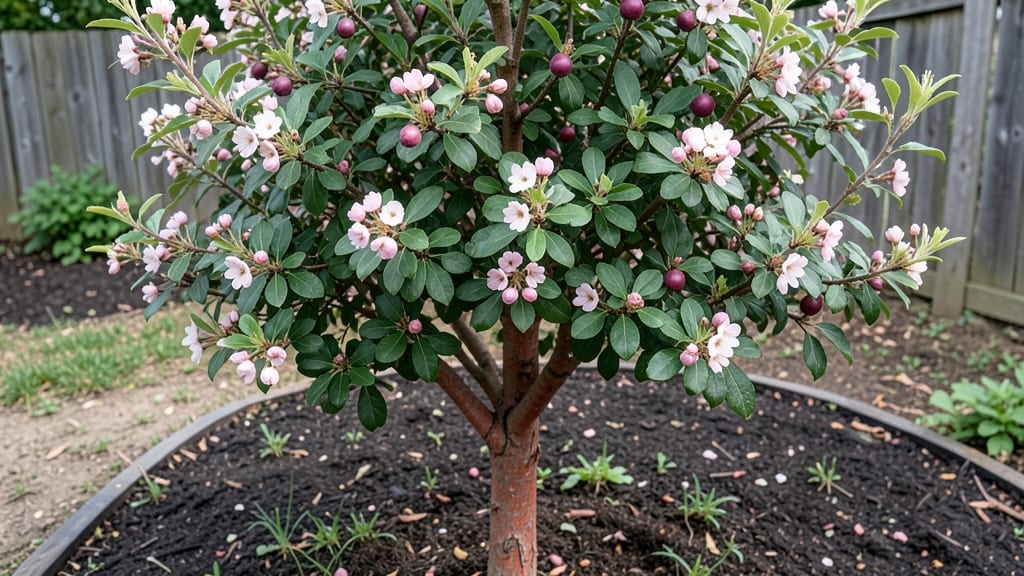
Growing red plum trees in the Pacific Northwest means frost-resistant varieties like Santa Rosa and Methley finally thrive where others fail. 🌿 I’ve watched these trees push through chilly springs and still produce sweet, deep-red fruit—something my old peach trees never managed.
The key isn’t just picking the right variety; it’s matching their needs to your climate’s quirks.
You’ll need well-draining soil with a pH between 6.0 and 7.0, full sun (at least 6 hours daily), and space—these trees mature to 20-25 feet tall.
Start with a 2-year-old grafted tree for better disease resistance, and plant in early spring when the ground is workable but frost isn’t a daily threat. Water deeply once a week after establishment, but avoid soggy roots.
By summer, you’ll see glossy leaves and tiny white blossoms that turn into plums by early fall. Prune in late winter to shape the tree and remove dead wood, and thin fruit in June to prevent overcrowding.
With patience, your tree will reward you with harvests for decades—no fancy equipment needed, just consistent care.
For beginners, the biggest mistake is overwatering or skipping winter mulch. These trees handle frost better than most, but a thick layer of mulch around the base keeps roots cozy through cold snaps. And if aphids show up? A strong spray of water usually does the trick—no harsh chemicals required.
📚 In This Guide
- What you need
- Instructions
- Tips and common mistakes
- Wrapping up and next steps
What you need
- ● Red Plum Tree Varieties: 2–3 Stanley or Methley dwarf or semi-dwarf trees (self-pollinating or compatible cross-pollinators for better fruit set)
- ● 1-gallon or 3-gallon container-grown trees (hardy to Zone 5–7)
- ● Planting Supplies: High-quality well-draining soil mix (50% native soil + 50% compost or potting mix)
- ● 5–10 lbs. 5-10-10 or 10-10-10 fertilizer (balanced NPK ratio)
- ● 1–2 5-gallon buckets for amendments (e.g., bone meal for phosphorus)
- ● 1 tree stake (2–3 ft. tall) + soft tree tie
- ● Tools: Shovel or tree spade (for minimal root disturbance)
- ● Garden trowel (for amending soil)
- ● Pruning shears (sterilized with rubbing alcohol)
- ● Hose with soaker nozzle or drip irrigation kit
- ○ Protective Gear (Optional but Helpful): Frost cloth (for young trees in early spring/fall)
- ● Tree guard (to deter rodents or deer)
- ● Mulch (3–4 inches of wood chips or straw, keep 6+ inches from trunk)
- ● Soil Testing Kit (to check pH—plums thrive in 6.0–6.5)
- ● Organic Pest Control: Neem oil spray (for aphids or mites)
- ● Diatomaceous earth (for soil-dwelling pests)
- ● Drip Irrigation Timer (for consistent moisture)
- ● Grafting Tools (if propagating from cuttings)
Step-by-step guide to planting Pacific Northwest red plum trees
Here’s how to plant frost-resistant red plum varieties that thrive in the Pacific Northwest’s climate.
🌱 Step 1: Choose the Right Location and Prepare the Soil
Select a sunny spot with at least 6 hours of direct sunlight daily—plums need full sun to ripen fruit properly. In the Pacific Northwest, where winters can be damp and cool, avoid low-lying areas where cold air settles. Test your soil’s pH—plums prefer slightly acidic to neutral soil (6.0-7.0). If your soil is heavy clay, amend it with 2-3 inches of compost or well-rotted manure mixed into the top 12 inches of soil.
Dig a hole twice as wide as the tree’s root ball but only as deep. This encourages roots to spread outward rather than settling too low. Loosen the sides of the hole gently with a shovel to help roots penetrate the native soil. I always add a handful of slow-release fertilizer (like 10-10-10) to the bottom of the hole—this gives the tree a nutrient boost without overwhelming it.
🪴 Step 2: Plant the Tree at the Correct Depth and Stake for Support
Remove the tree from its container and gently tease the roots outward if they’re circling. Place the tree in the hole so the top of the root ball sits 1-2 inches above ground level—this prevents the trunk from rotting if soil settles later. Fill the hole with native soil (not amended soil) and tamp it down lightly in layers to remove air pockets. Water deeply to settle the soil around the roots.
Install a stake no wider than 2 inches if your tree is tall or top-heavy. Tie it loosely with soft fabric strips (like old T-shirts) to avoid girdling the trunk. The goal is to keep the tree upright while allowing some movement—plums grow stronger when they sway slightly in the wind. Mulch the base with 3 inches of wood chips or straw, keeping it 6 inches away from the trunk to prevent rot.
☀️ Step 3: Water Deeply and Monitor for Early Growth
Water the tree deeply once a week for the first month, soaking the soil to a depth of 12-18 inches. In the Pacific Northwest’s cool climate, you’ll notice new leaves emerge in 3-4 weeks—this is your cue that the tree is establishing roots. Avoid overhead watering, which can spread disease. Instead, use a soaker hose or drip irrigation to deliver water at the base.
Watch for signs of stress: yellowing leaves usually mean overwatering, while crispy leaf edges signal underwatering. If you planted in late spring, protect young trees from late frosts with frost cloth on nights when temperatures dip below 28°F. Frost-resistant varieties like ‘Stanley’ or ‘Satsuma’ handle cold better, but young trees still need extra care until their roots are fully established.
✂️ Step 4: Prune for Structure and Fruit Production
Prune your plum tree in late winter or early spring (before buds swell) to shape the canopy and encourage airflow. Remove any dead, crossing, or diseased branches first, then cut back last year’s growth by 25% to stimulate new, fruiting wood. Open the center of the tree slightly to let sunlight reach inner branches—this prevents fungal issues and improves fruit quality.
Thin out excessive fruit when it’s golf-ball sized (about 6-8 weeks after bloom). This ensures the remaining plums grow larger and ripen evenly. In the Pacific Northwest, where summers can be cool, you might need to hand-pollinate if bees are scarce—just shake the branches gently on a warm, dry day to release pollen. Harvest when fruit is deep red and slightly soft to the touch—usually late summer to early fall depending on your microclimate.
Tips & tricks for growing Pacific Northwest red plum trees
These simple tricks will help your frost-resistant red plum trees thrive in the Pacific Northwest's unique climate.
Sunlight Secret: While the instructions call for at least 6 hours of direct sunlight, I've found that plums in the Pacific Northwest actually perform best with 8-10 hours daily—especially in cooler microclimates. If your spot gets afternoon shade, consider planting near a south-facing wall or fence that reflects sunlight back onto the tree. This extra light helps compensate for our region's cooler summers and ensures proper fruit ripening. The difference in fruit quality between 6 hours and 8 hours is dramatic!
Soil Prep Strategy: When amending heavy clay soil with 2-3 inches of compost, I recommend mixing in a handful of perlite or coarse sand too—about 10% of the compost volume. This improves drainage without changing the soil's structure too much. In the Pacific Northwest's damp climate, proper drainage is critical to prevent root rot. Also, test your soil pH before planting—if it's outside the 6.0-7.0 range, you may need to adjust with lime (to raise pH) or sulfur (to lower pH) before planting.
Planting Depth Watch: That 1-2 inch elevation above ground level is crucial—it prevents the trunk from rotting when our winters bring heavy rains. I've seen many gardeners plant too deep, and the tree struggles to recover. Pro tip: After planting, draw a line on the trunk at ground level with a marker. As soil settles over time, you'll see if it's sinking too low and can add more soil if needed. This visual cue helps you monitor the tree's health through the seasons.
Watering Wisdom: While the instructions specify watering deeply once a week for the first month, I adjust this based on rainfall. In our rainy Pacific Northwest climate, you might only need to water every 10-14 days during wet periods. The key is to check soil moisture—stick your finger 2 inches into the soil. If it's dry, water; if it's moist, wait. Overwatering is just as damaging as underwatering, especially in our cool, damp climate where roots need air to grow properly.
Pro Tips for Red Plum Trees
- These simple tricks will help your frost-resistant red plum trees thrive in the Pacific Northwest's unique climate.
- Sunlight Secret: While the instructions call for at least 6 hours of direct sunlight, I've found that plums in the Pacific Northwest actually perform best with 8-10 hours daily—especially in cooler microclimates.
- Soil Prep Strategy: When amending heavy clay soil with 2-3 inches of compost, I recommend mixing in a handful of perlite or coarse sand too—about 10% of the compost volume.
Frequently asked questions
Got questions about growing red plum trees in the Pacific Northwest? You’re not alone! Here are answers to some of the most common queries to help you cultivate a thriving orchard—even with frost concerns.
What are the best frost-resistant red plum varieties for the PNW?
Top picks include Stanley, Larry Ann, and Methley—all hardy to Zone 5 and below. These varieties handle late frosts better than traditional plums and produce sweet, deep-red fruit. Stanley is especially prized for its disease resistance and reliable yields.
When should I plant a red plum tree in the Pacific Northwest?
Plant bare-root trees in late fall or early spring (October–March) when the ground isn’t frozen. Container-grown trees can go in spring through early summer, but avoid planting too late—roots need time to establish before winter. Pro tip: Water deeply after planting and mulch to protect roots from frost heaves.
How do I protect my red plum tree from late spring frosts?
Use frost cloths or row covers during bloom (April–May) when temps dip below 28°F. For young trees, wrap the trunk with burlap and wrap the canopy with frost blankets. Avoid overhead sprinklers unless you’re prepared for ice damage—water adds weight to branches.
Can I grow red plums in containers, or do they need in-ground planting?
While dwarf varieties (like Methley) thrive in 15+ gallon containers, most red plums need in-ground planting for long-term health. Containers limit root growth and water retention, making trees more frost-sensitive. If container-grown, use well-draining soil and move pots to a sheltered spot in winter.
What pests or diseases should I watch for with red plum trees?
Common issues include:
- Plum curculio (larvae burrow into fruit)—use row covers or neem oil during bloom.
- Brown rot (fungus causing fruit rot)—prune for airflow and apply copper fungicide in wet seasons.
- Aphids or mites—spray with soapy water or introduce ladybugs for natural control.
Regularly inspect leaves and fruit to catch problems early!
Wrapping up and next steps
Growing red plum trees in the Pacific Northwest is not only rewarding but also a delicious way to enjoy homegrown fruit year-round! With the right frost-resistant varieties like Methley or Stanley, you’ll thrive even in cooler climates.
Whether you’re a seasoned gardener or just starting, these trees offer beauty, shade, and a bountiful harvest—plus, they’re perfect for attracting pollinators and adding curb appeal.
Ready to take the next step? Start by selecting your variety, prepping your soil, and planting with confidence. Before you know it, you’ll be savoring sweet, juicy plums straight from your own backyard! 🌱🍑