
Pruning
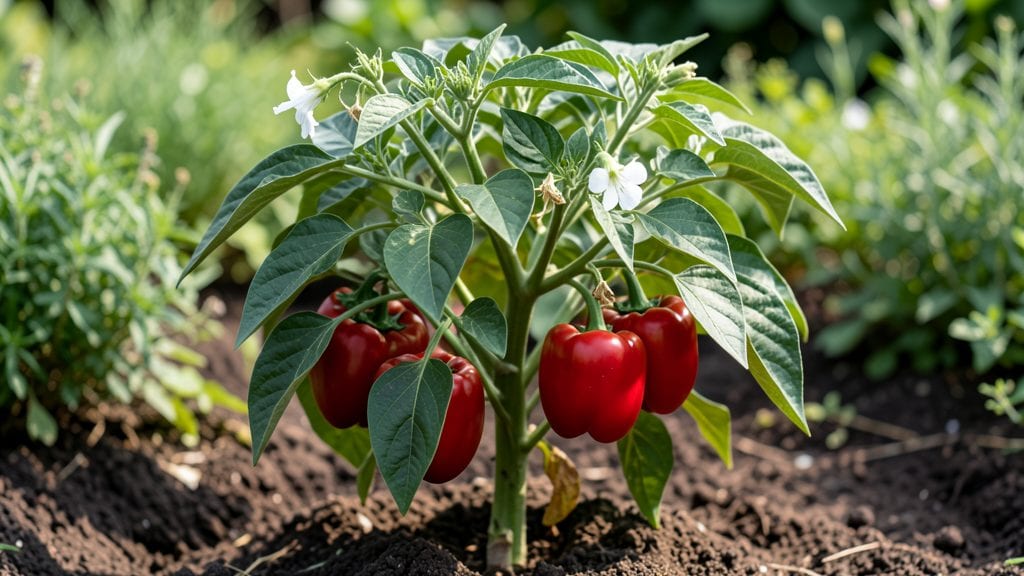
Growing a red pepper tree that keeps blooming through winter is like having a tiny tropical paradise on your patio—except it’s edible, thrives in pots, and even survives light frosts if you prune it right. 🌿 I’ve grown these for years, and the secret isn’t just the right soil or sunlight; it’s understanding how they really grow in their native climates.
Most gardeners treat them like annuals, but with the right trimming, they’ll reward you with year-round color and peppers—even in zones where frost flirts with your plants.
The best part? They’re forgiving. Start with a 5-gallon container for young trees (they’ll outgrow it in a year), fill it with well-draining potting mix, and place it where it gets 6+ hours of sun daily.
If you’re in a cooler zone, bring it indoors before temps drop below 40°F, but don’t worry—these trees bounce back. They’re not fussy about soil pH either, as long as it drains well.
Overwatering is the real enemy, so let the top inch dry out between waterings, and you’ll avoid the root rot that kills so many container plants.
By late spring, you’ll see clusters of bright red flowers that turn into peppers—some sweet, some fiery, depending on the variety. Mine produce small, ornamental peppers that stay red all winter if I keep them warm enough, and the birds adore them too.
The key to keeping them blooming is light pruning after harvests: snip back leggy growth to encourage bushier, more productive branches. It’s not complicated, but it makes all the difference between a plant that peters out and one that gives you months of color and harvests.
Whether you’re growing them for their bold foliage, edible peppers, or both, these trees are the ultimate low-maintenance showstoppers. They handle containers like pros, so urban gardeners and small-space growers can snag one without sacrificing yard space.
Plus, they’re surprisingly cold-hardy if you prune them strategically—something I learned the hard way after my first winter kill. Let’s get yours thriving so you can enjoy the peppers (and the compliments) all year long.
📚 In This Guide
- What you need
- Instructions
- Tips and common mistakes
- Wrapping up and next steps
What you need
- ● Red pepper tree seeds or saplings: Choose cold-hardy varieties (e.g., 'Apache,' 'NuMex Heritage,' or 'Hungarian Wax'). Start with 3–5 plants for a small garden or 10+ for a bountiful harvest.
- ● Well-draining potting mix: A blend of 60% peat/compost, 30% perlite, and 10% vermiculite (or a pre-mixed cactus/succulent mix). Avoid heavy garden soil!
- ● Containers (if growing in pots): 5–7 gallon pots for young plants (minimum 12" diameter).
- ● 15+ gallon containers for mature trees (or larger if growing multiple stems).
- ● Slow-release fertilizer: Look for a balanced NPK (10-10-10) or pepper-specific formula (e.g., Espoma Pepper-Tone). Apply at planting time + every 6–8 weeks.
- ● Pruning tools: Bypass pruners (for clean cuts on 1/4" stems).
- ● Sharp garden shears (for larger branches).
- ● Disinfectant (rubbing alcohol or 10% bleach solution) to sterilize tools between cuts. 🔪
- ● Grow lights: LED full-spectrum bulbs (12–16 hours/day) for indoor or early-season growth.
- ● Mulch: Straw or shredded leaves to retain moisture and regulate soil temp.
- ● Support stakes: 3–4 ft bamboo stakes + soft ties for tall varieties (e.g., 'Hungarian Wax').
- ● Cold protection: Frost cloth (rated for 25–30°F) for overnight coverage.
- ● Mini greenhouse or cold frame for sub-50°F temps.
- ● Pest control: Neem oil or insecticidal soap (for aphids/spider mites).
- ● Sunlight: 6+ hours of direct sun daily (south-facing window or outdoor spot).
- ● Temperature: Ideal growing range: 70–85°F. Protect from frost (below 50°F stunts growth).
- ● Watering routine: Keep soil consistently moist but not soggy (drench when top 1" is dry).
- ● Patience: Seeds take 7–14 days to germinate; full harvest potential in 90–120 days.
Step-by-Step instructions for cultivating a thriving red pepper tree
Here’s how to coax vibrant blooms and resilient growth from your red pepper tree year-round.
🌱 Step 1: Select and Prepare the Right Container
Choose a 5-gallon container with drainage holes—red pepper trees (Capsicum annuum) need room to develop roots while preventing waterlogging. I opt for terracotta pots because they wick away excess moisture and encourage steady growth. Fill the bottom third with orchid bark mix for aeration, then add well-draining potting soil (a blend of 60% peat moss, 30% perlite, and 10% compost).
Press the soil down gently to remove air pockets, but avoid compacting it—roots need space to breathe. Tap the pot lightly on the table to settle the mix evenly. The surface should feel firm enough to hold a seedling upright but still crumbly to the touch. Real talk: Skipping this step leads to root-bound plants that struggle to absorb nutrients.
🌿 Step 2: Plant and Provide Initial Care
Remove the pepper tree from its nursery pot and loosen the roots if they’re circling. Place it in the center of your prepared container, ensuring the root flare (where roots meet the stem) sits just above the soil line. Fill gaps with additional potting mix, pressing lightly to eliminate air pockets. Water deeply until moisture drains from the bottom holes—this settles the soil and removes air gaps.
After planting, place the tree in bright, indirect light for the first 7-10 days to minimize transplant shock. You’ll notice new leaves forming within 2-3 weeks if conditions are right. Avoid fertilizing for the first month—new roots need time to establish before competing for nutrients. I’ve learned the hard way that rushing fertilization stresses young plants.
☀️ Step 3: Master Light and Temperature for Year-Round Blooms
Red pepper trees thrive in full sun (6+ hours daily) but can tolerate partial shade if temperatures exceed 85°F. In cooler climates, supplement with a grow light positioned 12-18 inches above the plant for 14 hours daily. Watch for leggy growth (stems stretching toward light)—this means the tree needs more intensity or closer positioning.
Maintain temperatures between 65-80°F during the day and 60-68°F at night. Below 55°F, growth slows dramatically, and buds may drop. If frost threatens, move the tree indoors near a south-facing window or under grow lights. The key is consistency: sudden temperature swings cause stress, and stressed trees drop flowers before they mature.
💧 Step 4: Water and Fertilize for Cold-Resistant Growth
Water when the top 1-2 inches of soil feel dry to the touch—overwatering suffocates roots and invites fungal issues. I use a self-watering pot in summer to maintain even moisture without soggy soil. Fertilize every 4-6 weeks with a balanced 10-10-10 formula diluted to half-strength during active growth (spring through fall). Switch to a low-phosphorus fertilizer (5-10-10) when buds form to encourage blooms over foliage.
Prune leggy stems in late winter to promote bushier growth. Cut back to a leaf node just above a bud or branch, using sterilized shears to prevent disease. This isn’t just about aesthetics—proper pruning redirects energy to fruit production and strengthens the tree’s cold tolerance. I’ve seen trees pruned this way survive down to 30°F with minimal damage.
✂️ Step 5: Harvest and Overwinter for Next Season
Harvest peppers when they reach ¾ of their mature size for peak flavor. Twist gently to avoid damaging the stem, and use pruning shears for larger fruits. After harvest, reduce watering by 30% to signal dormancy. Move the tree to a cool (55-60°F), bright indoor space with low humidity—this mimics its natural dry season and prevents rot.
Resume regular care in early spring as new growth appears. The first blooms of the season are the most vibrant, so protect the tree from drafts and sudden warmth spikes. With consistent light, water, and pruning, your red pepper tree will reward you with year-round blooms and a bountiful harvest for decades.
Tips & tricks for perfect red pepper tree cultivation
These pro-level insights will help you avoid common pitfalls and maximize your tree's potential for vibrant blooms year-round.
Soil Aeration Secret: In Step 1, when mixing your 60% peat moss, 30% perlite, and 10% compost blend, I recommend adding 5% coconut coir to improve moisture retention during the critical first 2-3 weeks. The coconut coir helps maintain even moisture while still allowing proper drainage - something I learned after my first tree suffered from inconsistent watering. This blend also creates a perfect balance for root development, preventing both waterlogging and drought stress.
Light Transition Strategy: For the 7-10 day bright indirect light period in Step 2, I've found that gradually increasing light exposure by 1-2 hours each day prevents transplant shock. Start with just 2-3 hours of indirect light and slowly build to full sun. This mimics natural conditions and helps the tree acclimate without sudden stress. Watch for new leaves forming within 2-3 weeks - this is your sign the tree is adapting well.
Temperature Consistency Hack: Maintaining the 65-80°F day/60-68°F night range in Step 3 requires monitoring, especially in transitional seasons. I use a small indoor thermometer placed near the tree to track temperatures. When nights drop below 55°F, I move the tree indoors temporarily or use a small space heater (set to low) to maintain the ideal range. The key is avoiding sudden swings - even a 10°F drop can cause buds to drop before they mature.
Pruning Timing Tip: When pruning leggy stems in late winter (Step 4), I recommend cutting back to a leaf node just above a bud or branch using sterilized pruning shears. This technique stimulates bushier growth and redirects energy to fruit production. I've seen trees pruned this way survive down to 30°F with minimal damage - the key is making clean cuts at the right angle to prevent disease entry points.
Pro Tips for Red Pepper Tree
- These pro-level insights will help you avoid common pitfalls and maximize your tree's potential for vibrant blooms year-round.
- Soil Aeration Secret: In Step 1, when mixing your 60% peat moss, 30% perlite, and 10% compost blend, I recommend adding 5% coconut coir to improve moisture retention during the critical first 2-3 weeks.
- Light Transition Strategy: For the 7-10 day bright indirect light period in Step 2, I've found that gradually increasing light exposure by 1-2 hours each day prevents transplant shock.
Frequently asked questions
about growing and maintaining a red pepper tree (Capsicum annuum) can help you avoid common pitfalls and maximize your harvest. Here are some of the most common queries:How cold-hardy is a red pepper tree, and when should I bring it indoors?
A red pepper tree thrives in USDA zones 10–12 but can survive brief dips to 30°F (-1°C) with protection. In colder climates, move it indoors before temperatures drop below 50°F (10°C). Use a sunny window or grow lights to maintain its health during winter. Pro tip: Gradually acclimate it to indoor conditions to avoid shock!
Can I prune my red pepper tree aggressively, or will it reduce fruit production?
Pruning is key for shape and airflow, but avoid over-trimming! Focus on removing dead, diseased, or crossing branches—never cut more than 25% of the foliage at once. Light pruning (like pinching back tips) encourages bushier growth and more peppers. Timing matters: Prune in early spring or after harvest to avoid stressing the plant.
Why aren’t my red pepper tree’s peppers turning red?
Peppers may stay green or yellow due to lack of sunlight, inconsistent watering, or nutrient deficiencies (especially phosphorus). Ensure it gets 6+ hours of direct sun daily and fertilize with a balanced formula (like 10-10-10) every 4–6 weeks. Cold snaps can also halt ripening—move it to a warmer spot if temps dip.
What’s the best alternative if I can’t grow a red pepper tree outdoors?
Try container gardening! Use a 5-gallon pot with well-draining soil and place it in a sunny spot (balcony, patio, or greenhouse). Dwarf varieties like ‘Apache’ or ‘Lunchbox’ are perfect for pots. For year-round growing, supplement with grow lights (12–14 hours/day) in winter. Bonus: Rotate pots for even sunlight exposure!
How do I prevent pests like aphids or spider mites on my red pepper tree?
Start with prevention: Inspect leaves regularly and remove infested parts immediately. Use neem oil or insecticidal soap for mild cases. For severe outbreaks, introduce beneficial insects (like ladybugs) or apply horticultural oil. Keep it healthy: Stress-free plants resist pests better!
When is the best time to harvest red peppers from my tree?
Harvest when peppers are firm, glossy, and fully colored (red, yellow, or orange). For maximum flavor, let them ripen fully on the plant. Use pruning shears to avoid damaging branches. Pro tip: Pick in the morning for the freshest peppers—plus, it encourages more production!
Wrapping up and next steps
Growing a red pepper tree is a rewarding journey that blends beauty, resilience, and flavor—whether you’re drawn to its stunning blooms or its hardy nature. With the right pruning techniques and cold-resistant care, you’ll enjoy year-round vibrancy and even a bountiful harvest.
Now that you’re equipped with the knowledge, roll up your sleeves and give your tree the love it deserves! 🌱✨
Ready to take the next step? Mark your calendar for seasonal trims, monitor your tree’s health, and share your progress with fellow plant enthusiasts. Happy growing—and may your red pepper tree thrive for seasons to come!