
Pruning
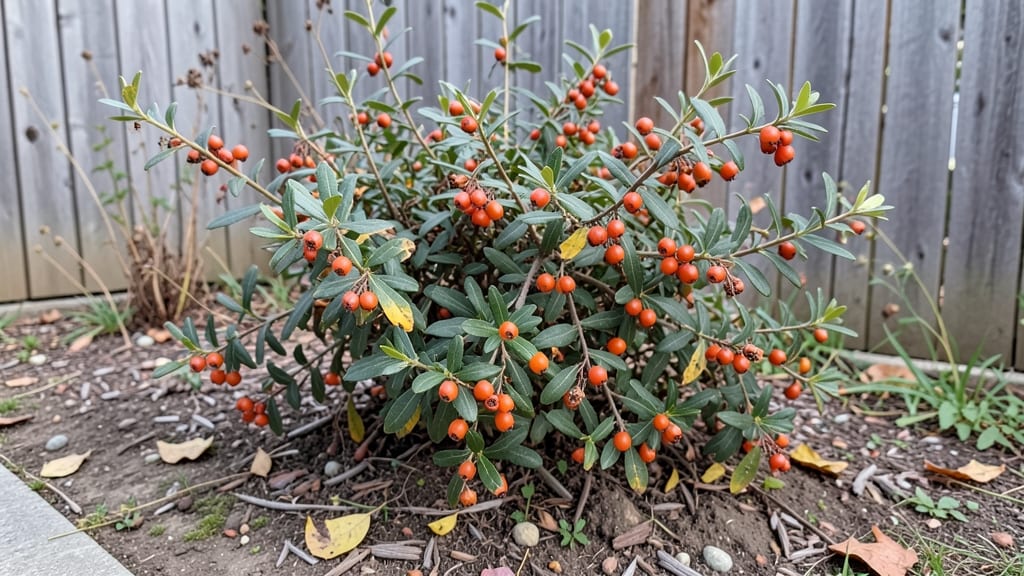
Your Pacific Northwest garden deserves a red bush tree that thrives through winter and bursts with color every spring—no fuss, no fussing. I’ve pruned mine for five years now, and the secret isn’t complicated: it’s about timing, a sharp pair of shears, and knowing when to step back.
The first year, I nearly over-pruned, but now my Pyracantha stands tall, its berries feeding birds all winter long.
Most red bush trees—like Pyracantha or Callistemon—love full sun but tolerate partial shade, making them perfect for that tricky spot between your house and driveway. They’re not picky about soil either, though well-draining ground keeps them happier.
The real magic happens in pruning: light cuts in late winter encourage dense growth, while summer trims keep the shape tidy. No heavy-handed work needed—just a few strategic snips.
By summer’s end, you’ll have a bush so lush it feels like a living sculpture, its branches heavy with bright red berries or fragrant flowers. Neighbors will ask how you keep it looking so effortless, and you’ll smile, knowing it’s the year-round care that makes the difference.
Ready to transform that bare corner into a standout feature? Let’s get started.
This guide works for Pyracantha, Callistemon, and other frost-resistant red bushes—whether you’re shaping a hedge or a single statement plant. The same principles apply, so you won’t need to learn a new system for each variety.
Just grab your shears and let’s make that bush the star of your garden.
📚 In This Guide
- What you need
- Instructions
- Tips and common mistakes
- Wrapping up and next steps
What you need
- ● Pruning shears – Sharp, bypass type (for clean cuts on small to medium branches). Quantity: 1
- ● Loppers – For thicker branches (up to 2 inches in diameter). Quantity: 1
- ● Pruning saw – Heavy-duty, with a curved blade for larger limbs. Quantity: 1
- ● Disinfectant – 70% isopropyl alcohol or a pruning sealant (to prevent disease spread). Quantity: Small bottle
- ● Gloves – Heavy-duty, cut-resistant (thorns on red bush trees can be sneaky!). Quantity: 1 pair
- ○ Extension pole – 6–10 ft (for high branches). Optional but helpful
- ● Bucket or tarp – To collect clippings (red bush trees shed a lot!). Quantity: 1
- ● Permanent marker – For marking branches to remove (if planning ahead). Quantity: 1
- ● Timing: Prune during late winter or early spring (before new growth starts) to avoid frost damage.
- ● Weather check: Wait for a dry day (wet branches are harder to handle and heal slower).
- ● Safety first: Wear eye protection (just in case) and check for pests/disease on branches.
- ● Red bush tree specifics: These trees are frost-hardy but benefit from light pruning—avoid over-trimming!
- ● Hand pruners – For tiny twigs (if you’re really detail-oriented).
- ● Tree wrap – To protect young branches from winter sunburn (common in PNW).
- ● Compost bin – For repurposing clippings (red bush leaves break down fast!).
- ● Camera – Snap progress pics (because before/after is satisfying!).
Instructions for pruning your red bush tree all year long
Here’s how I keep my Pacific Northwest red bush tree healthy, frost-resistant, and lush through every season—no guesswork involved.
Assess the Tree’s Structure in Early Spring
Start pruning as soon as new growth appears in late March or early April, before buds fully open. Frost-resistant varieties like red bush thrive when pruned early, so you’ll encourage sturdy branches that handle winter better. Look for dead, crossing, or weak branches—these are your first targets. Dead branches snap easily when bent; crossing ones rub against each other and create wounds.
Use sharp, clean pruning shears to make cuts just outside the branch collar (the swollen area where the branch meets the trunk). This prevents unsightly stubs and promotes faster healing. If a branch is thicker than ½ inch, use a pruning saw instead. I always step back after cutting to check the shape—your goal is an open center that lets sunlight reach the inner branches.
Light Summer Pruning for Airflow and Shape
In June or July, focus on thinning out rather than just cutting back. Remove about 20% of the smallest branches to improve airflow, which reduces disease risk in our damp Pacific Northwest climate. Look for branches growing inward or downward—they’ll compete with others for sunlight and weaken the tree over time.
Pinch back new growth tips by ¼ inch to encourage bushier growth. This is especially important for red bush trees, which can get leggy if left unchecked. Water deeply after pruning to help the tree recover, and avoid fertilizing right away—you want the tree to focus on healing, not new leaves.
Late Summer to Early Fall Cleanup
By August or September, your tree should be prepped for winter. Remove any suckers (shoots growing from the base or roots) and water sprouts (fast-growing vertical shoots). These drain energy from the main structure. Also, trim back any branches that grew too vigorously during summer—they’ll be more vulnerable to frost damage if left long.
This is also the time to sterilize your tools with rubbing alcohol to prevent spreading disease. Red bush trees are hardy, but our rainy climate means fungal spores are always lurking. After pruning, rake up and dispose of any fallen leaves or debris—this reduces hiding spots for pests and pathogens.
Minimal Winter Pruning (If Needed)
Winter is mostly a rest period for your red bush tree, but if you spot dead or broken branches from storms or frost, remove them immediately. Use the same clean cuts you’d make in spring. Avoid heavy pruning in winter—it stresses the tree when it’s already conserving energy for spring growth.
If your tree looks bare or leggy after winter, don’t panic. Red bush trees often hold onto old leaves until new growth starts. Wait until early spring to assess if additional pruning is needed. A light shaping session in late winter (just before buds swell) can help, but keep it minimal—your tree’s resilience depends on its energy reserves.
Post-Pruning Care for Year-Round Health
After each pruning session, water deeply to help the tree recover, especially if we’ve had a dry spell. Mulch around the base with 2-3 inches of organic mulch (like wood chips) to retain moisture and protect roots from temperature swings. Keep the mulch 6 inches away from the trunk to prevent rot.
Monitor your tree for new growth in spring—this is your sign that pruning went well. If you see weak, sparse growth, it might mean you pruned too aggressively. Next time, scale back by 10-15%. Red bush trees are forgiving, but consistency is key. With this routine, yours will stay vibrant, frost-resistant, and full of color year after year.
Tips & tricks for pruning your red bush tree
Here's what I've learned after years of keeping my Pacific Northwest red bush tree thriving through every season.
Timing is Everything: The late March to early April window for spring pruning is crucial because that's when your tree starts its active growth cycle. If you prune too early, you risk damaging dormant buds, while waiting too long means you'll cut into new growth. I've found that checking for the first signs of bud swelling is the best indicator—once you see those tiny green tips, it's time to get started. In our damp climate, this timing also helps prevent fungal infections that can occur when pruning too late in the season.
Tool Maintenance Matters: Your pruning tools should be as sharp as the day you bought them. Dull shears tear branches instead of making clean cuts, which creates larger wounds that take longer to heal. I clean and sharpen my tools after every use with rubbing alcohol and a fine-grit file. For larger branches, I keep a dedicated pruning saw that's only used for this purpose. Remember, the branch collar—the swollen area where branches meet the trunk—should be clearly visible after cutting. If you can't see it, you're cutting too close.
Seasonal Adjustments: In Step 2, when you're thinning out about 20% of the smallest branches in summer, focus on creating an open vase shape. This allows sunlight to reach the inner branches and improves airflow, which is especially important in our rainy climate. I like to visualize the tree like an umbrella—you want the branches to spread out rather than grow straight up. For the late summer cleanup, don't forget to remove those water sprouts—they might look vigorous, but they're actually stealing energy from your tree's main structure.
Winter Pruning Wisdom: If you must prune in winter, only remove dead or broken branches immediately after they occur. The key is to minimize stress on the tree during its dormant period. I've seen many well-meaning gardeners over-prune in winter, thinking the tree won't notice. But red bush trees are sensitive—too much winter pruning can delay spring growth and make them more vulnerable to frost damage. Think of winter as a time for observation rather than heavy intervention.
Pro Tips for Red Bush Tree
- Here's what I've learned after years of keeping my Pacific Northwest red bush tree thriving through every season.
- Timing is Everything: The late March to early April window for spring pruning is crucial because that's when your tree starts its active growth cycle.
- Tool Maintenance Matters: Your pruning tools should be as sharp as the day you bought them.
Frequently asked questions
Got questions about pruning the red bush tree (like Cornus sericea or Cornus stolonifera) in the Pacific Northwest? You’re not alone!
Here are the most common queries—and answers—to keep your frost-resistant beauty thriving year-round.
When is the best time to prune a red bush tree?
The ideal window is late winter or early spring (February–March), before new growth begins. This timing promotes healthy blooms and reduces disease risk. Avoid pruning in fall, as it can stimulate tender growth vulnerable to frost. Pro tip: If you must prune in summer, do it after flowering to avoid cutting off next year’s blossoms!
How do I prune a red bush tree in winter without harming it?
Cold snaps won’t hurt the tree, but avoid heavy pruning during deep freezes—wait for temps above 20°F (-6°C). Use sharp tools to make clean cuts, and remove any dead, diseased, or crossing branches first. Bonus: Pruning in winter lets you see the tree’s structure more clearly!
Can I prune a red bush tree too much? What are the signs?
Yes! Over-pruning (cutting back more than 25% of the foliage) can stress the tree, leading to fewer flowers, weak growth, or susceptibility to pests. Signs include yellowing leaves, stunted branches, or no new shoots in spring. If you’ve gone overboard, skip pruning for a year and focus on watering and mulching.
What’s the difference between pruning a red twig dogwood and a red osier dogwood?
Both are red bush trees, but red twig dogwood (Cornus sericea) has bright red stems and prefers moist soil, while red osier dogwood (Cornus stolonifera) has thicker, more upright growth and tolerates drier conditions. Pruning methods are similar, but red osier can handle harder cuts for shaping due to its sturdy structure.
My red bush tree isn’t recovering after pruning—what went wrong?
Common issues include cutting into old wood (no new growth), leaving jagged edges (invites disease), or pruning at the wrong time (late summer/fall). Fix it: Sterilize tools with rubbing alcohol, water deeply, and apply a balanced fertilizer in spring. If branches die back, they’ll likely regrow from the base—patience is key!
Wrapping up and next steps
The red bush tree is a stunning, low-maintenance addition to your Pacific Northwest garden, thriving year-round with minimal fuss. By mastering its frost-resistant pruning techniques—whether shaping, thinning, or revitalizing—you’ll keep it healthy, vibrant, and full of life.
With the right tools, timing, and confidence, you’re well on your way to becoming a pruning pro!
🌿 Next steps: Grab your pruners and head outdoors—try a small pruning session this weekend! Observe how your red bush tree responds and adjust your approach as needed. Happy gardening!