
Pruning
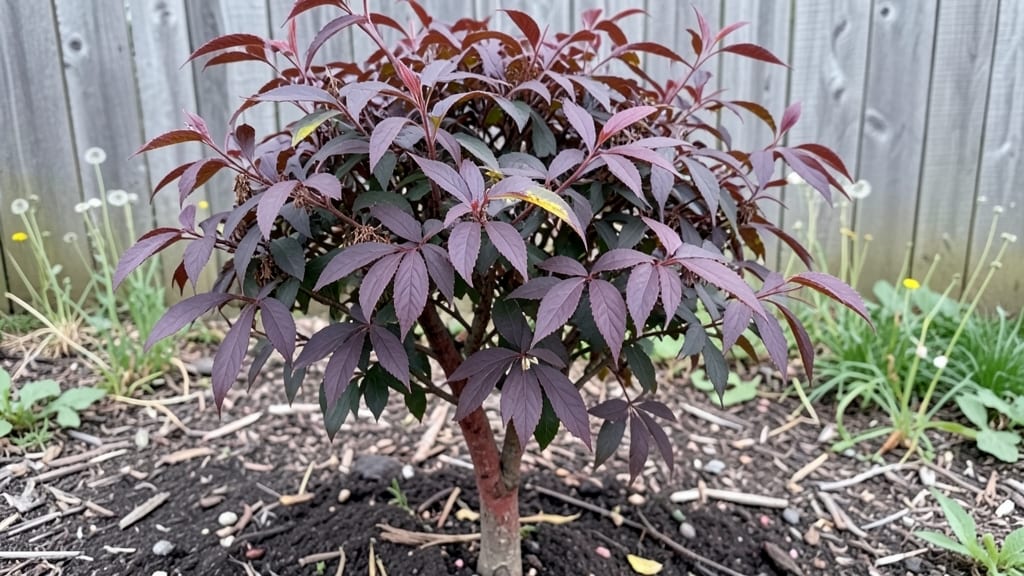
Your purple leaf peach tree isn't just a fruit producer—it's a year-round showstopper with vibrant foliage that shifts from deep purple to burgundy and even bronze.
I've pruned mine for five seasons now, and the difference between a well-shaped tree and a tangled mess is all in the timing and technique. The key is balancing fruit production with that stunning color display, which standard peach trees can't match.
You'll need sharp pruning shears, a ladder (for higher branches), and a clear day to work—this isn't a quick job, but it pays off. The best time to prune is late winter before buds swell, though light shaping can happen anytime.
My tree now has an open center that lets sunlight reach all leaves, keeping that purple hue richer and longer than before. The secret is removing one-third of last year's growth while maintaining an airy structure.
What you'll end up with is a tree that looks as good in January as it does in July, with deep purple branches even in winter. The fruit might be smaller than standard varieties, but the trade-off is worth it for the ornamental value—neighbors always stop to admire it.
Pruning also makes harvesting easier and reduces disease risk by improving airflow.
Works for both container-grown trees and in-ground plantings, though dwarf varieties handle pruning best for smaller spaces. The same principles apply whether you're shaping a young tree or renewing an established one. Let's get those shears ready—your tree's next masterpiece starts with a single cut.
📚 In This Guide
- What you need
- Instructions
- Tips and common mistakes
- Wrapping up and next steps
What you need
- ● Pruning shears: Bypass pruners (sharp, clean, and capable of cutting branches up to ½ inch thick). Pro tip: Sterilize with rubbing alcohol between cuts to prevent disease! 💡
- ● Loppers: For branches ½ to 1½ inches thick. Look for bypass-style loppers for precision cuts.
- ● Pruning saw: For thicker branches (1½+ inches). A bow saw or pruning saw with a fine-tooth blade works best.
- ● Gloves: Heavy-duty, cut-resistant gloves (e.g., mechanics’ gloves) to protect your hands.
- ● Disinfectant: 70% isopropyl alcohol or a pruning sealant (e.g., Tanglefoot Pruning Seal) to seal larger cuts.
- ● Ladder or step stool: Extendable or sturdy enough to reach the tree’s canopy safely. Safety first! 🔒
- ● Heavy-duty trash bags: For collecting pruned branches (2–3 bags, depending on tree size).
- ○ Marking twine or flags: Optional but helpful for tagging branches to prune later.
- ● Hand pruners with a ratchet mechanism: Reduces hand fatigue for long pruning sessions.
- ● Tree wound paint: Controversial but some gardeners swear by it for larger cuts (e.g., Dynamate Tree Wound Dressing).
- ● Pole saw: For high branches if you’re avoiding a ladder.
- ● Notebook & pencil: To sketch a pruning map of your tree’s structure.
- ● Safety glasses: Protects your eyes from debris, especially when using a saw.
- ● Check local pruning guidelines—some areas recommend pruning during dormant season (late winter/early spring) for best results.
- ● Ensure your tree is healthy (no signs of disease like leaf curl or bacterial spot).
- ● Have a clear day planned—avoid pruning when the tree is wet or slippery.
- ● Know your tree’s age and size to determine how aggressively you can prune. Young trees need gentler cuts!
How to prune a purple leaf peach tree for vibrant year-round color
Here's my foolproof method for keeping your purple leaf peach tree's stunning foliage at its best through every season.
Time Your Pruning for Maximum Impact
Prune your purple leaf peach tree during late winter or early spring, just before new growth begins. This is when the tree is dormant but about to burst with fresh foliage. I always schedule my cuts for February to March in most climates, but adjust for your local last frost date—you want to avoid pruning when buds are already swelling.
If you notice leggy growth or dead branches during the growing season, you can do light maintenance pruning then, but avoid heavy cuts after June. The tree needs its energy to develop next year's fruit and foliage. Look for branches that cross or rub against each other—these are prime candidates for removal to improve airflow and prevent disease.
Remove Dead, Diseased, or Damaged Wood First
Start by inspecting your tree for any branches that are dead, broken, or diseased. Dead wood is easy to spot—it's brittle, has no leaves, and often appears grayish-brown. Diseased branches may have dark spots, oozing sap, or unusual growths. Use sharp pruning shears to make clean cuts just outside the branch collar, the swollen area where the branch meets the trunk.
Don't leave stubs—this invites decay and weakens the tree. If a branch is larger than 1 inch in diameter, use a pruning saw for a smooth cut. I always disinfect my tools with rubbing alcohol between cuts to prevent spreading any potential infections. Remove any suckers (shoots growing from the base or trunk) immediately—they drain energy from your tree.
Thin the Canopy for Better Airflow and Light
Step back and look at your tree's overall shape. You want to create an open center that allows sunlight to reach all branches. Start by removing branches that grow inward or cross others—these compete for resources and create dense, shaded areas where foliage struggles to thrive. Aim to remove about 20-30% of the tree's total volume during this step.
Focus on branches that are growing toward the center of the tree. Cut them back to a lateral branch or bud that faces outward. This opens up the canopy and encourages new growth on the outside, where you can see the stunning purple foliage. Avoid "lion's tailing," or cutting back to a stub—always make cuts just above a bud or branch.
Shape the Tree for Optimal Growth and Color
Now it's time to refine the tree's shape. Purple leaf peach trees benefit from an open, vase-like structure that showcases their vibrant foliage. Start by selecting 3-4 main scaffold branches that are evenly spaced around the trunk. These should be large, sturdy branches that form the tree's primary structure.
Remove any branches that grow straight up or down—these are called "water sprouts" and don't contribute to the tree's overall shape. Instead, encourage horizontal growth by cutting back any vertical branches to a lateral bud. For a more natural look, I like to step back frequently and visualize how the tree will fill out over the next year. Aim for a balanced, rounded silhouette that highlights the purple leaves.
Maintain Through the Growing Season
After your initial pruning, keep an eye on your tree throughout the growing season. Remove any new suckers or water sprouts as soon as you spot them—this prevents them from becoming established and draining energy from your tree. If you notice any branches growing in an undesirable direction, you can lightly prune them back to redirect their growth.
In late summer or early fall, you can do a light pruning to remove any dead or diseased branches that may have appeared during the growing season. Avoid heavy pruning at this time, as it stimulates new growth that won't have time to harden off before winter. Instead, focus on keeping the tree healthy and well-shaped for next year's vibrant display of purple foliage.
Tips & tricks for perfect purple leaf peach tree pruning
Here's what nobody tells you about keeping your purple leaf peach tree looking its absolute best year after year.
Timing is Everything: The February to March window is critical because that's when the tree is still dormant but ready to burst with new growth. If you're in a warmer climate, watch for bud swelling—prune just before it starts. Real talk: I've seen people prune too early in cold climates and end up with frost damage on fresh cuts. Check your local last frost date and plan accordingly.
Tool Prep Matters: Sharp, clean tools are non-negotiable. I learned this the hard way after using dull shears that crushed branches instead of making clean cuts. Disinfect your tools between cuts with rubbing alcohol to prevent spreading disease—especially important when dealing with diseased branches. And for branches over 1 inch thick, a pruning saw is your best friend for clean cuts that heal properly.
Visualize the Canopy: Step back frequently and imagine sunlight streaming through the center of your tree. The goal is to remove about 20-30% of the total volume to create that open, airy look. Focus on branches growing inward—they're the ones competing for light and resources. I like to think of it like creating a window display that showcases the stunning purple foliage from every angle.
Shape with Purpose: Those 3-4 main scaffold branches you're selecting should be spaced evenly around the trunk. Think of them as the foundation of your tree's structure. When cutting back vertical water sprouts, always cut to a lateral bud that faces outward. This encourages horizontal growth where you can see the vibrant purple leaves. Between us, I've made the mistake of cutting to stubs—don't make my mistake!
Pro Tips for Purple Leaf Peach Tree
- Here's what nobody tells you about keeping your purple leaf peach tree looking its absolute best year after year.
- Timing is Everything: The February to March window is critical because that's when the tree is still dormant but ready to burst with new growth.
- Tool Prep Matters: Sharp, clean tools are non-negotiable.
Frequently asked questions
Got questions about keeping your purple leaf peach tree vibrant and healthy? Here are some of the most common ones—plus expert answers to help you prune with confidence!
When is the best time to prune my purple leaf peach tree for color?
The ideal time to prune for maximum color is late winter or early spring (before buds break), but you can also do light pruning in summer to encourage new growth. Avoid heavy cuts in fall—this can stimulate tender growth that won’t survive winter. Pro tip: Thin out crowded branches first to improve airflow and color intensity!
How much can I trim without hurting the tree?
For established trees, you can safely remove up to 25% of the canopy in a single session. Focus on dead, diseased, or crossing branches first, then shape the tree. Over-pruning weakens the tree, so less is often more. If your tree looks stressed, scale back and prune lightly over a few years.
Why are my purple leaves turning green? What’s wrong?
Green leaves on a purple leaf peach tree usually mean too much shade or over-fertilization with nitrogen. To fix it:
- Move the tree to full sun (6+ hours/day).
- Adjust fertilizer to low-nitrogen, high-phosphorus (e.g., 5-10-10).
- Prune nearby trees/shrubs blocking sunlight.
Can I prune my purple leaf peach tree in fall?
Fall pruning is risky because new growth won’t harden off before winter. However, you can remove dead/diseased branches anytime of year. If you must prune in fall, do it 6+ weeks before frost and avoid heavy cuts. Winter pruning (dormant season) is always safer for color retention.
What’s the difference between pruning for color vs. fruit production?
Pruning for color focuses on:
- Opening the canopy for sunlight penetration (deeper purple hues).
- Removing suckers and water sprouts to maintain shape.
- Light thinning to reduce leaf density.
- Encourage bearing branches (older wood).
- Thin fruit clusters to prevent overcrowding.
Wrapping up and next steps
Growing a vibrant purple leaf peach tree is all about balance—pruning for health, structure, and that stunning foliage year-round! 🌿 With the right tools, timing, and techniques, you’ll keep your tree thriving while showcasing its breathtaking hues.
Whether you’re a seasoned gardener or just starting, every strategic cut brings you closer to a showstopping landscape.
Ready to transform your yard? Start small—pick one season to focus on, then gradually build your pruning skills. Before you know it, your purple leaf peach tree will be the star of the neighborhood! 🌟 Grab your pruners and get started today!