
Pruning
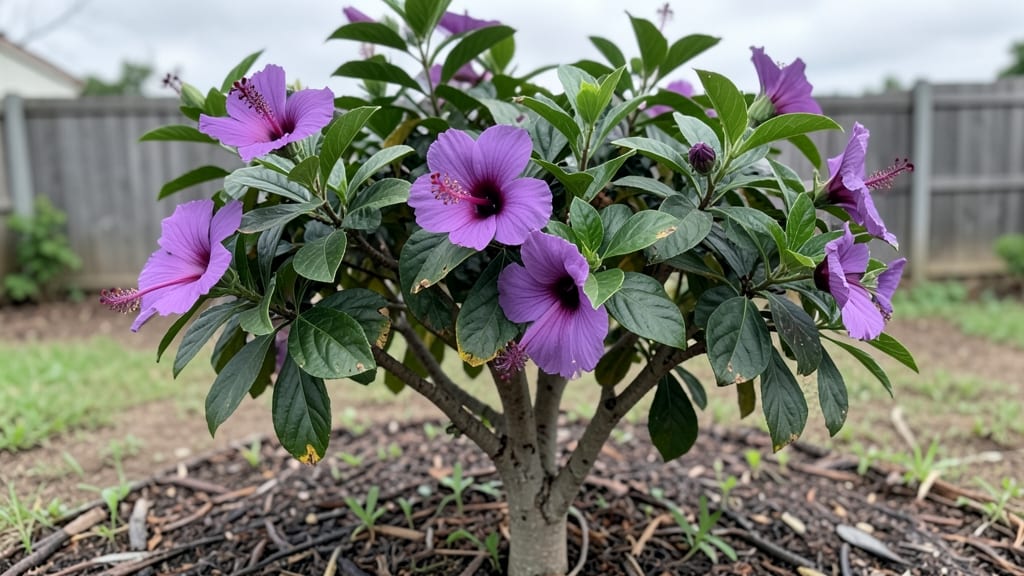
The purple hibiscus tree (Hibiscus rosa-sinensis) brings bold drama to any garden with its striking blooms and minimal upkeep. I’ve grown mine for five years, and the secret to its year-round flowers isn’t complicated—just a few smart pruning tricks and the right growing conditions.
The first time I saw it covered in deep purple blooms in December, I knew I’d never go back to high-maintenance plants.
This tropical beauty thrives in full sun and well-draining soil, but it’s surprisingly adaptable. My tree handles 60°F nights without fuss, and even urban containers work if you provide enough space for its roots.
Watering’s simple too: keep the soil moist but never soggy, and you’ll avoid the most common problem—dropping buds from stress. The real magic happens when you prune just once a year to shape it and encourage new growth.
By spring, you’ll have a bush bursting with vibrant blooms, and with light pruning every few months, it keeps flowering all year long. The flowers last just a day, but new ones open constantly, creating a nonstop show.
Plus, the glossy green leaves add texture even when blooms slow in winter. It’s the kind of plant that makes neighbors ask, “What’s your secret?”
Whether you’re starting from seed, cuttings, or a nursery plant, the care routine stays the same. I’ll walk you through the exact steps to get yours thriving—no green thumb required. Let’s get your purple hibiscus looking its best with almost no effort.
📚 In This Guide
- What you need
- Instructions
- Tips and common mistakes
- Wrapping up and next steps
What you need
- ● Purple hibiscus tree (Hibiscus syriacus) – Choose a healthy, mature plant (3-5 years old) for established blooms.
- ● Well-draining potting mix – A blend of garden soil, compost, and perlite (ratio: 60% soil, 30% compost, 10% perlite).
- ● Container or garden bed – For containers: 15-20 gallon pot with drainage holes (1 plant per container).
- ● For in-ground planting: A sunny spot with at least 6 hours of sunlight daily.
- ● Slow-release fertilizer – 10-10-10 NPK ratio (1-2 tbsp per plant, applied every 3 months).
- ● Pruning shears – Sharp, bypass pruners (for clean cuts without damaging stems).
- ● Gloves – Heavy-duty gardening gloves to protect hands from thorns.
- ○ Mulch (optional) – Wood chips or straw (2-3 inches thick) to retain moisture and suppress weeds.
- ○ Plant support (optional) – Stakes or a small trellis for young trees (if needed for stability).
- ● Watering can or hose with a gentle spray nozzle – For even moisture distribution.
- ○ Plant-based fungicide (optional) – Copper-based spray (for fungal disease prevention).
- ○ Pruning sealant (optional) – To protect large cuts (if pruning major branches).
How to grow a purple hibiscus tree for year-round color
Here's the straightforward approach I use to keep my purple hibiscus blooming continuously with almost no fuss.
Choose the Right Location for Maximum Blooms
Purple hibiscus thrives in full sun, so pick a spot that gets at least 6 hours of direct sunlight daily. Morning sun with afternoon shade works well in hot climates, but avoid deep shade—it stunts growth and reduces flowers. I always test a spot for a week first by placing a small plant there during the day. If it wilts by afternoon, move it.
Check your soil's drainage by digging a 1-foot hole and filling it with water. If it doesn't drain within 2-3 hours, amend the soil with 1 part sand or perlite to 3 parts native soil. Purple hibiscus roots rot easily in soggy conditions, so good drainage is non-negotiable. I also add a 2-inch layer of compost to the bottom of the planting hole for nutrients.
Plant at the Correct Depth and Spacing
Dig a hole twice as wide as the root ball but only as deep as the container's root base. Planting too deep suffocates the roots, while shallow planting leaves them exposed. Gently loosen the root ball if it's tightly packed—this encourages roots to spread outward instead of circling.
Backfill with native soil mixed with 1/3 compost to improve fertility. Water deeply to settle the soil, then add a 2-inch layer of mulch around the base (but not touching the trunk). This keeps roots cool in summer and retains moisture. Space multiple plants 10-15 feet apart—they grow large and need room to avoid crowding.
Water Deeply but Infrequently
Water newly planted hibiscus once a week for the first month, then taper to every 10-14 days once established. The key is deep watering—soak the soil 12-18 inches down each time. You'll know it's right when water runs out the drainage holes and the top 2 inches of soil feel dry before the next watering.
Overwatering is the #1 killer of hibiscus. If leaves yellow or drop, you're likely watering too often. Purple hibiscus is drought-tolerant once established, so let the soil dry between waterings. In containers, check moisture by sticking your finger 2 inches deep—if it feels dry, water thoroughly.
Feed for Continuous Blooms
Apply a balanced 10-10-10 fertilizer every 6-8 weeks during the growing season (spring through fall). I use a slow-release granular fertilizer for convenience, but liquid feedings work too. Stop fertilizing in late summer to encourage winter dormancy if you're in a cold climate.
For extra vibrant blooms, add a high-phosphorus fertilizer (5-10-5) when buds form. You'll notice buds appear along the current season's growth, not just on old wood. Deadhead spent blooms by pinching off the flower head just above the next set of leaves—this redirects energy to new flowers instead of seed production.
Prune Strategically for Shape and Health
Prune only in late winter or early spring before new growth starts. Remove any dead, diseased, or crossing branches first—these compete with healthy growth. Then shape the tree by cutting back overgrown branches to a bud facing outward. Never cut into old wood; always prune just above a leaf node.
I avoid heavy pruning unless necessary. Purple hibiscus blooms on new growth, so aggressive cuts reduce flowers. For a bushier plant, trim the tips of branches to encourage lateral growth. Wear gloves—hibiscus leaves have tiny hairs that can irritate skin. After pruning, water deeply to help the tree recover.
Tips & tricks for perfect purple hibiscus tree growth
A few simple strategies will help your purple hibiscus thrive with vibrant blooms all year long.
Sunlight Secret: In Step 1, when testing locations, pay attention to afternoon shade patterns. If your hibiscus wilts by 2 PM, it's getting too much midday heat—move it to a spot with morning sun and afternoon shade. I've seen plants wilt dramatically in just 30 minutes of intense afternoon sun, even when they handled morning sun perfectly. The key is finding that sweet spot where it gets those critical 6 hours of sunlight without overheating.
Drainage is Non-Negotiable: The 2-3 hour drainage test in Step 1 is crucial—don't skip it! I've learned the hard way that soggy soil leads to root rot. If your soil drains too slowly, consider planting in a raised bed or large container with drainage holes. For containers, use a mix of 60% native soil, 30% perlite, and 10% compost to ensure proper drainage while still providing nutrients.
Watering Wisdom: When you're establishing your watering schedule in Step 3, use a moisture meter for the first month. The top 2 inches of soil should feel dry before watering, but don't rely on your finger—soil can feel dry at the surface while staying wet below. I've found that checking moisture at 4 inches deep gives a more accurate picture of what the roots are experiencing. This prevents both underwatering and overwatering, both of which stress hibiscus.
Pruning Precision: For Step 5, when shaping your tree, always cut at a 45-degree angle just above a leaf node. This prevents water from pooling on the cut and reduces the risk of disease. I like to use sharp pruners and make clean cuts—ragged edges can invite pests. Also, avoid cutting into old wood; new growth is where hibiscus produces the most flowers, so focus your pruning on the current season's branches.
Pro Tips for Purple Hibiscus Tree
- A few simple strategies will help your purple hibiscus thrive with vibrant blooms all year long.
- Sunlight Secret: In Step 1, when testing locations, pay attention to afternoon shade patterns.
- Drainage is Non-Negotiable: The 2-3 hour drainage test in Step 1 is crucial—don't skip it!
Frequently asked questions
Got questions about keeping your purple hibiscus tree thriving with minimal pruning? Here are some of the most common ones—and their answers!
How often should I prune my purple hibiscus tree?
A light pruning session once a year (early spring, before new growth) is ideal. For tropical varieties, you can prune lightly after blooming to shape the tree. Avoid heavy pruning—purple hibiscus responds best to gentle, strategic cuts to encourage blooms.
Can purple hibiscus survive winter in cold climates?
Most purple hibiscus trees are tropical and need warmth (USDA Zones 9-11). If you live in colder areas, grow it in containers and bring it indoors before frost. Alternatively, choose cold-hardy varieties like Hibiscus moscheutos (swamp hibiscus) for Zones 5-9.
What’s the best way to prune dead or diseased branches?
Use sterilized pruners to cut dead/diseased branches just above a leaf node (where new growth can sprout). Seal larger cuts with pruning paint to prevent infection. Never leave stubs—always cut cleanly for faster healing.
Why isn’t my purple hibiscus blooming?
Lack of blooms often means too much shade, over-fertilizing (especially nitrogen), or improper pruning. Ensure it gets 6+ hours of sun daily, use a balanced bloom fertilizer, and prune to encourage airflow. If indoors, supplement with grow lights.
Can I propagate purple hibiscus from cuttings?
Yes! Take 4-6 inch cuttings from healthy stems, strip lower leaves, and dip in rooting hormone. Plant in moist perlite or water. Keep warm and humid (like a greenhouse) until roots form (4-6 weeks). Transplant once established!
Wrapping up and next steps
The purple hibiscus tree is a stunning, low-maintenance addition to any garden, offering vibrant blooms with minimal pruning effort—perfect for both beginners and seasoned gardeners alike. 🌸 Its resilience and year-round beauty make it a standout choice, while its simple care requirements ensure you’ll enjoy its splendor without the stress.
Ready to transform your outdoor space? Start by gathering your tools and giving your purple hibiscus the love it deserves!
🌱 Next Steps:
- Check your local climate and soil conditions to tailor care further.
- Visit a nursery to pick out your own vibrant purple hibiscus tree.
- Share your progress or ask questions in gardening communities for extra tips!