
Pruning
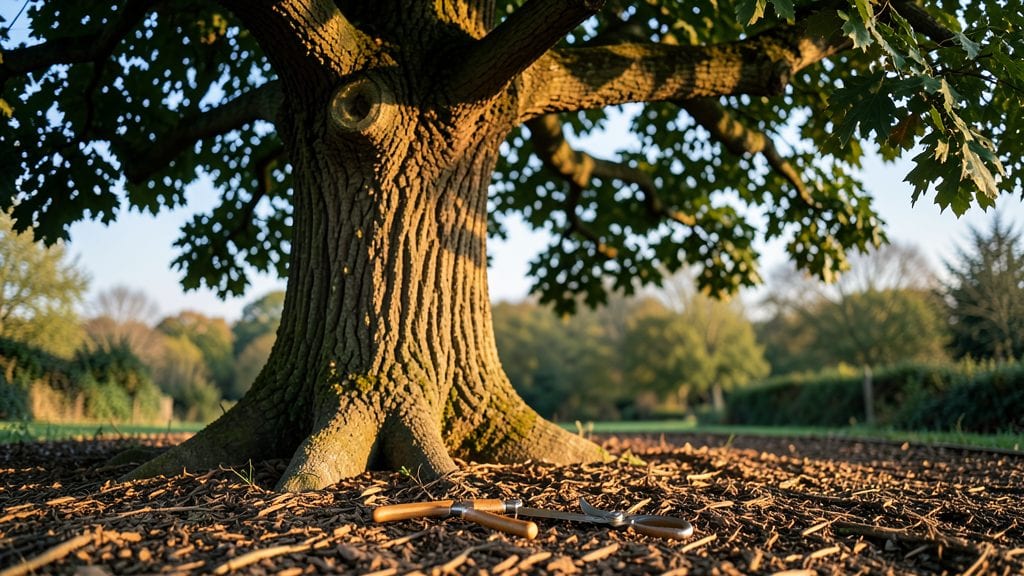
Pruning large trees isn’t just about hacking away branches—it’s the difference between a healthy, towering giant and one that slowly declines from poor cuts.
I’ve spent years watching oak, maple, and pine trees transform after proper pruning, and the results are nothing short of dramatic: stronger structure, fewer storm risks, and vibrant new growth where deadwood once loomed.
The key isn’t brute force; it’s precision, timing, and understanding how each cut affects the whole tree. My first attempt with a chainsaw left a jagged stump that took years to heal—now I know better.
You’ll need the right tools first: sharp pruning shears for small branches, a pole saw for mid-sized limbs, and a chainsaw (with proper safety gear) for thick trunks over 3 inches in diameter.
Timing matters too—spring and early summer are ideal for most trees, but oaks and maples bleed sap in spring, so late winter or summer cuts work better. And always disinfect your tools between cuts to prevent spreading disease.
I learned this the hard way when a single infected cut turned into a fungal nightmare across my backyard.
What you’ll achieve is a tree that looks like it was shaped by nature, not a novice with a saw. Proper crown thinning opens up sunlight to the lower branches, while removing deadwood eliminates weak points that could snap in a storm.
The best part? A well-pruned tree requires less maintenance over time. You’ll see fresh green shoots within weeks, and the overall shape will feel balanced, not hacked. This isn’t just about aesthetics—it’s about longevity.
Works for any mature tree in your yard, from shade-giving oaks to fruit-bearing apple trees. The same principles apply whether you’re trimming a single branch or tackling a full canopy overhaul. Let’s get those tools ready—safety first, then precision cuts that’ll have your trees thriving for decades.
📚 In This Guide
- What you need
- Instructions
- Tips and common mistakes
- Wrapping up and next steps
What you need
- ● Pruning saw: A bow saw or pruning saw with a 16- to 24-inch blade (for thick branches). Opt for a hardened steel blade for durability.
- ● Loppers: Heavy-duty bypass loppers with 20- to 24-inch handles and 3/8- to 1-inch cutting capacity.
- ● Pole saw: A 10- to 14-foot extendable pole saw for high branches (choose a foldable or telescoping model for ease).
- ● Pruning shears: Bypass shears with 6- to 8-inch blades for smaller cuts and shaping.
- ● Rope or climbing line: 1/2-inch static rope (minimum 50-foot length) for securing tools or climbing (if needed).
- ● Work gloves: Heavy-duty, cut-resistant gloves (rated for ANSI A3/A4 protection).
- ● Safety glasses: Impact-rated goggles with side shields (e.g., ANSI Z87.1).
- ● Hard hat: Class E hard hat (for electrical hazard protection if near power lines).
- ● First aid kit: Include bandages, antiseptic wipes, and a tourniquet for emergencies.
- ● Ladder or lift: Extension ladder: 24- to 32-foot (ensure it’s rated for 375 lbs and has non-slip feet).
- ● Or cherry picker/boom lift: For trees over 20 feet tall (rental recommended).
- ● Tree wound dressing: Pruning sealant (controversial but useful for large wounds; avoid petroleum-based products).
- ● Tarps or drop cloths: To catch falling debris and protect property.
- ● Chainsaw (for large limbs): A 20-inch bar chainsaw (if branches exceed 4 inches in diameter).
- ● Harness & climbing gear: Only for certified arborists working on very tall trees.
- ● Tagging system: Color-coded tags to mark branches for removal (useful for complex pruning).
- ● Weather check: Ensure you have dry, calm conditions—avoid pruning during rain, wind, or extreme heat.
Step-by-step instructions for pruning large trees
Here’s the method I’ve used to safely prune mature trees without damaging their health or your property.
Assess the Tree and Plan Your Cuts
Start by examining the tree for dead, diseased, or crossing branches. Look for branches that rub against each other or grow at sharp angles—these are prime candidates for removal. I always use a pair of binoculars to spot high branches that might be weak or overgrown. Mark the branches you’ll remove with surveyor’s tape or a permanent marker on a stick.
Next, decide on the type of cuts you’ll make. For large branches, I focus on three-point cuts: an undercut, a relief cut, and a final cut. This prevents the branch from tearing bark as it falls. Sketch a rough plan if needed—visualizing the cuts ensures you won’t accidentally remove too much of the tree’s canopy at once.
Gather the Right Tools and Safety Gear
Large tree pruning requires the right tools to make clean cuts and avoid damaging the tree. You’ll need a pruning saw for thick branches, loppers for medium-sized limbs, and hand pruners for smaller cuts. A pole saw or chainsaw may also be necessary, depending on the branch size. Always sharpen your tools before starting—dull blades tear wood and leave jagged edges that invite disease.
Safety is non-negotiable. Wear gloves, eye protection, and sturdy boots to shield yourself from falling branches or debris. If the tree is near power lines, call your utility company first—they may need to be present or mark the lines for safety. I also keep a first-aid kit and whip line (a rope with a hook) handy in case branches get stuck or I need to secure myself.
Make the Cuts Using the Three-Point Method
Begin with the undercut, made about 12-18 inches out from the branch collar (the swollen area where the branch meets the trunk). Angle the cut slightly upward to avoid tearing the bark as you remove the branch. This cut weakens the branch so it can be safely lowered without resistance. Use your pruning saw for thick branches—never force a cut with a dull tool.
Next, make the relief cut on the top side of the branch, just outside the undercut. This step releases the branch’s weight, allowing it to drop cleanly. Finally, make the final cut just outside the branch collar on the trunk. Avoid cutting into the collar itself—this area holds protective tissues that help the tree heal. Step back and let the branch fall naturally; never pull or force it.
Clean Up and Monitor the Tree’s Recovery
After pruning, remove all debris from the area to prevent disease or pests from taking hold. I also inspect the cuts for any rough edges or torn bark. If needed, use a pruning sealant on larger wounds, but avoid overusing it—research shows that most trees heal just fine without sealant. Water the base of the tree deeply to help it recover, especially if you’ve removed a significant portion of the canopy.
Watch the tree closely in the weeks following pruning. New growth should appear within 4-6 weeks if the cuts were made correctly. If you notice oozing sap, wilting leaves, or signs of disease, the cuts may have been too aggressive. In that case, trim back any overly long shoots and keep the tree well-watered. Proper pruning should leave the tree stronger, not stressed.
Tips & tricks for pruning large trees
Here's what I've learned from years of pruning mature trees—these tricks will help you avoid common mistakes and keep your trees healthy for decades.
Visualize First: Before making any cuts, take a step back and visualize the tree's final shape. I always sketch a rough outline on paper or even use a garden hose to trace the branches I plan to remove. This helps me avoid over-pruning and ensures the tree maintains its natural form. Think of it as giving your tree a "haircut" that complements its growth pattern rather than drastically altering it.
Tool Sharpness is Non-Negotiable: Dull tools don't just make work harder—they damage trees. I sharpen my pruning saw and loppers before every session using a dedicated sharpening stone. A sharp blade makes clean cuts that heal properly, while dull tools tear bark and create jagged wounds that invite disease. For thick branches, I use a pruning saw with fine teeth designed for clean cuts through wood, not just bark.
Three-Point Cuts Save Trees (and Your Back): The undercut you make 12-18 inches out from the branch collar is absolutely critical. I always make this cut first because it prevents the branch from tearing bark as it falls. Pro tip: Use a pruning saw for this step, and angle the cut slightly upward to create a flat surface. This makes the relief cut and final cut easier to execute cleanly. Remember, the branch should fall naturally—never pull or force it.
Season Matters: The best time to prune large trees is late winter or early spring, just before new growth begins. This timing allows the tree to heal before summer heat and pests arrive. If you must prune in summer, avoid doing heavy pruning during extreme heat or drought conditions. I've seen trees stressed by summer pruning show signs of decline, so timing is everything when it comes to tree health.
Pro Tips for Pruning Large Trees
- Here's what I've learned from years of pruning mature trees—these tricks will help you avoid common mistakes and keep your trees healthy for decades.
- Visualize First: Before making any cuts, take a step back and visualize the tree's final shape.
- Tool Sharpness is Non-Negotiable: Dull tools don't just make work harder—they damage trees.
Frequently asked questions
Got questions about pruning large trees? You’re not alone—this task can feel overwhelming! Below, we’ve answered the most common questions to help you feel confident before tackling your project.
When is the best time of year to prune large trees?
The ideal time depends on your tree’s species, but late winter or early spring (before buds break) is generally safest. Avoid heavy pruning in fall—it can stress trees before winter. For flowering trees, prune right after blooming to preserve next year’s flowers. Always check local guidelines, as some areas restrict pruning during fire season.
Can I prune a large tree myself, or should I hire a professional?
For trees over 30 feet tall or near power lines, hire a certified arborist. DIY pruning is risky—it requires proper tools, safety gear, and knowledge of tree biology. If you’re confident, start with small branches (under 2 inches in diameter) and use safety precautions. When in doubt, call a pro to avoid costly mistakes or injuries.
How much does professional large-tree pruning cost?
Costs vary widely based on tree size, location, and complexity, but expect to pay:
- $300–$800 for small to medium trees (under 50 feet).
- $800–$2,500+ for large or hazardous trees (over 50 feet or near structures).
- Emergency pruning (e.g., storm damage) can exceed $3,000.
Get multiple quotes and ask if the arborist provides a written estimate and insurance. Some municipalities offer subsidies for pruning near homes.
What should I do if my tree starts bleeding sap after pruning?
Sap bleeding (or “weeping”) is normal for maples, birches, and elms—it won’t harm the tree. To minimize mess, prune on a dry day and avoid cuts during warm, sunny weather. If bleeding is excessive (puddles forming) or accompanied by oozing liquid, wilting, or fungal growth, contact an arborist to check for disease or pest issues.
Are there alternatives to traditional pruning for large trees?
Yes! Consider these low-impact options if your tree is healthy but overgrown:
- Crown thinning: Removes select branches to improve light/airflow without drastically altering shape.
- Drop crotching: Targets dead or weak branches at their junction points to reduce weight.
- Root pruning: Trims roots (best done by pros) to redirect growth or prepare for transplanting.
- Topping (avoid!): Only use as a last resort—it’s harmful and encourages weak regrowth.
Consult an arborist to tailor the best approach for your tree’s health and your goals.
Wrapping up and next steps
Pruning large trees is a rewarding skill that ensures their health, safety, and beauty—while keeping your property secure for years to come. 🌳 With the right tools, techniques, and timing, you can confidently tackle even the most imposing branches.
Remember, patience and precision are key: take it step by step, and don’t hesitate to call in a pro when needed.
Ready to get started? Start small—practice on smaller branches or consult a local arborist for a personalized plan. Your trees (and your neighborhood!) will thank you.