
Pruning
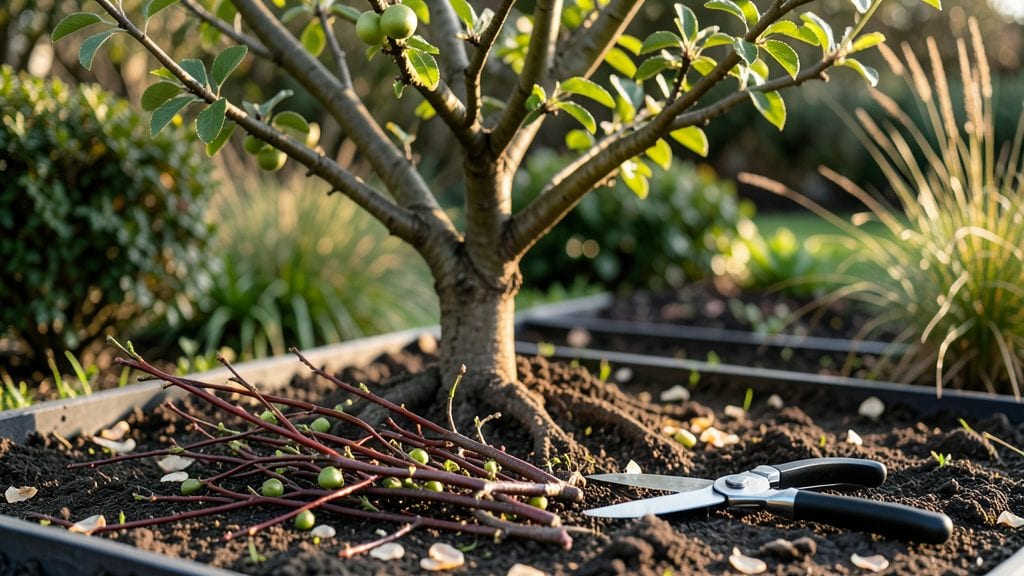
Pruning crab apple trees isn't just about shaping—it’s about unlocking their full potential. I’ve spent years watching these trees transform from tangled messes into vibrant, productive showpieces, and the difference comes down to timing, technique, and a few key cuts.
The right approach turns winter’s bare branches into a spring explosion of blossoms and fruit, while poor pruning invites disease and weak growth.
You’ll need basic tools—a sharp pair of loppers, a pruning saw for thicker branches, and clean gloves—and a clear plan for when to prune. Most work happens in late winter or early spring, but strategic cuts in summer can prevent overcrowding.
The goal? Open the canopy for sunlight, remove dead wood, and encourage strong new growth. Even beginners can master this with the right steps.
What you’ll end up with is a tree that produces more abundant fruit, resists pests and disease, and lives longer. The branches will spread evenly, the blossoms will shine brighter, and you’ll avoid the heartbreak of a tree that declines from neglect.
Think of pruning as a conversation with your tree—listen to its shape, respond to its needs, and watch it thrive.
This works for any crab apple variety, from dwarf cultivars to mature specimens. Whether you’re tackling a first prune or refining your skills, the principles stay the same. Let’s get those branches in shape—your tree will thank you for years to come.
📚 In This Guide
- What you need
- Instructions
- Tips and common mistakes
- Wrapping up and next steps
What you need
- ● Pruning shears: Bypass pruners (for cuts up to ½ inch in diameter) – 1 pair (sharp, high-quality, and comfortable to grip).
- ● Loppers: For thicker branches (½ to 1½ inches) – 1 pair (look for bypass or anvil types with a long handle for leverage).
- ● Pruning saw: For branches over 1½ inches – 1 saw (bow saw or folding pruning saw with a fine-toothed blade).
- ● Gloves: Heavy-duty gardening gloves – 1 pair (to protect against thorns and rough bark).
- ● Ladder (if needed): Sturdy, extendable ladder – 1 (for reaching higher branches safely).
- ● Disinfectant: 70% isopropyl alcohol or a commercial pruning sealant – small bottle (to clean tools between cuts and prevent disease spread).
- ● Rubbing alcohol wipes: For quick tool sanitization on the go.
- ● Tree wound dressing: (Controversial but useful for large cuts—follow up with research on best practices!)
- ● Marking twine or spray paint: To tag branches for removal (helpful for complex pruning plans).
- ● Safety glasses: To shield eyes from debris.
- ● Pole pruner: For high branches without a ladder.
- ● Check the weather forecast—prune on a dry, calm day to avoid spreading disease or damaging the tree.
- ● Review your tree’s growth habits and pruning goals (e.g., shaping, disease removal, or fruit production).
- ● Have a clear workspace—remove debris, tools, and any obstacles around the tree.
Instructions for pruning crab apple trees
Here's how I approach pruning these trees to maintain their health, shape, and beauty throughout the year.
Assess the Tree for Pruning Needs
Start by examining your crab apple tree closely, focusing on structural integrity and growth patterns. Look for dead, diseased, or crossing branches—these are your top priorities. I always begin with a visual scan from the ground, then climb (safely!) to inspect the canopy. Healthy branches have smooth bark and vibrant green leaves, while weak or dead wood appears gray, brittle, or lacks foliage.
Identify any water sprouts—fast-growing vertical shoots that drain energy from the tree. These often appear along the trunk or main branches and should be removed entirely at their base. Mark branches for removal with a piece of tape or flagging ribbon to avoid confusion during the actual cutting process. This step ensures you're working with a clear plan before making any cuts.
Gather Tools and Prepare for Pruning
Use sharp, clean pruning tools to make precise cuts that heal faster. For larger branches over 2 inches in diameter, a pruning saw is essential, while bypass pruners work well for smaller branches. Always disinfect your tools with rubbing alcohol or a bleach solution to prevent spreading disease between cuts. I keep a small spray bottle of disinfectant handy to clean tools between each branch.
Wear gloves, long sleeves, and safety glasses—crab apple branches can be thorny, and the sap can irritate skin. Check the weather forecast and prune on a dry, calm day to minimize stress on the tree. Avoid pruning when rain is expected, as wet conditions slow healing and increase the risk of disease entry points.
Remove Dead, Diseased, or Weak Branches First
Begin by cutting out dead, diseased, or damaged branches at their point of origin. Make cuts just outside the branch collar—the swollen area where the branch meets the trunk—to promote faster healing. For larger branches, use the three-cut method: First, make an undercut about 2-3 inches out from the branch collar, then a top cut slightly beyond the undercut, and finally remove the remaining stub. This prevents tearing the bark.
If a branch is infected with disease, like apple scab or fire blight, bag and dispose of it immediately in the trash—not the compost—to avoid spreading pathogens. I always prune infected branches last to minimize contamination of my tools. After removing diseased wood, disinfect your tools again before moving to healthy branches.
Thin the Canopy for Better Airflow and Light
Next, focus on thinning the canopy to improve airflow and sunlight penetration. Remove crossing branches that rub against each other, as well as inward-growing branches that create a dense, shaded interior. Aim to maintain an open, vase-like shape with a strong central leader (main vertical stem). I target branches that grow at narrow angles (less than 45 degrees) to the trunk, as these are more likely to break under snow or wind loads.
Limit your cuts to no more than 25% of the tree’s foliage in a single season to avoid overstressing the tree. Thin branches should be cut back to a side branch or bud that faces outward. This encourages outward growth and reduces the risk of future branch failure. Step back frequently to visualize the tree’s shape—you’re sculpting, not just hacking.
Shape the Tree and Encourage Future Growth
Use heading cuts—shortening branches back to a bud or lateral branch—to control size and encourage bushier growth. For crab apple trees, I avoid heavy heading cuts, as they can stimulate excessive water sprout growth. Instead, I make moderate cuts just above an outward-facing bud to maintain the tree’s natural form. This approach reduces the risk of disease and promotes stronger, more resilient branches.
Pay special attention to the lower branches—removing them gradually creates a clear trunk for future landscaping or aesthetic purposes. However, avoid removing too many lower branches at once, as this can stress the tree. Finish by smoothing the tree’s outline, ensuring no branches stick out awkwardly. A well-shaped crab apple tree not only looks better but also produces more abundant, healthier fruit.
Tips & tricks for pruning crab apple trees
Pruning crab apple trees isn't just about cutting branches—it's an art that keeps your tree thriving for decades. Here are the insights I've gathered over years of working with these beautiful but sometimes tricky trees.
Branch Collar Precision: The branch collar is your guidepost for clean cuts. When removing branches in Step 3, make sure your cut is just outside this swollen area—never flush with the trunk. I've seen too many pruning mistakes where cuts were made too close, leaving ugly stubs that invite disease. This small detail makes all the difference in how quickly the tree heals and how strong the new growth will be.
Seasonal Timing Strategy: While the instructions don't specify timing, I've found late winter to early spring (just before buds swell) works best for most pruning. This timing gives the tree time to heal before summer's heat and pests arrive. For light pruning to shape the tree, you can do a second round in summer after flowering, but avoid heavy cuts then. The tree's natural growth cycles make all the difference in recovery.
Tool Maintenance Secret: Your pruning tools are more important than you might think. After each use, especially when dealing with diseased branches in Step 3, I soak my tools in a 10% bleach solution for 30 seconds, then rinse and oil them. This prevents rust and keeps blades sharp. I've had tools last years with this simple care routine—sharp tools make precise cuts that heal better than jagged ones.
Visualization Technique: Before making any cuts in Step 4 when thinning the canopy, step back and visualize the tree's final shape. I often sketch a rough outline on paper first. This helps me see how branches will interact with each other and with the tree's overall structure. It's amazing how this simple visualization prevents over-pruning and creates that perfect open, vase-like shape we're aiming for.
Pro Tips for Pruning Crab Apple Trees
- Pruning crab apple trees isn't just about cutting branches—it's an art that keeps your tree thriving for decades.
- Branch Collar Precision: The branch collar is your guidepost for clean cuts.
- Seasonal Timing Strategy: While the instructions don't specify timing, I've found late winter to early spring (just before buds swell) works best for most pruning.
Frequently asked questions
about pruning crab apple trees—get quick answers to common concerns!When is the best time to prune a crab apple tree?
The ideal time is late winter or early spring (just before buds swell) to avoid diseases and pests. You can also prune in summer to shape the tree, but avoid heavy cuts then. Pro tip: Never prune in fall—it invites fungal infections like apple scab!
How often should I prune my crab apple tree?
Young trees need annual pruning for structure, while mature trees can be pruned every 2–3 years for maintenance. Focus on removing dead wood, crossing branches, and thinning the canopy. Tip: Light pruning yearly is better than aggressive cuts sporadically!
Can I prune crab apple trees in summer?
Yes, but limit it to minor shaping or removing water sprouts. Heavy summer pruning stresses the tree and may reduce fruit production. If you must prune, do it in late summer (after harvest) to minimize risk.
Will pruning reduce my crab apple tree’s fruit yield?
Not if done correctly! Pruning actually improves fruit quality by increasing airflow and sunlight. Avoid over-pruning—remove no more than 25% of the canopy in one session. Pro tip: Focus on opening the center for better light exposure!
What should I do if my tree bleeds sap after pruning?
Sap bleeding is normal but can attract pests. To minimize it, prune on dry days and avoid cutting into large wounds. Seal cuts with pruning sealant only if the tree is diseased or in a high-risk area. Most trees heal fine without it!
Wrapping up and next steps
Pruning your crab apple tree isn’t just about shaping—it’s about revitalizing its health and beauty year after year. 🌿 By mastering the timing, tools, and techniques, you’ll encourage lush blooms, stronger structure, and fewer pests.
Now that you’re equipped with the know-how, there’s only one logical next step: grab those pruners and get to work!
Start small—even a single branch makes a difference. And remember, every cut is a chance to nurture a tree that will reward you with vibrant color and delicious fruit for seasons to come. Happy pruning! 🌳✨