
Pruning
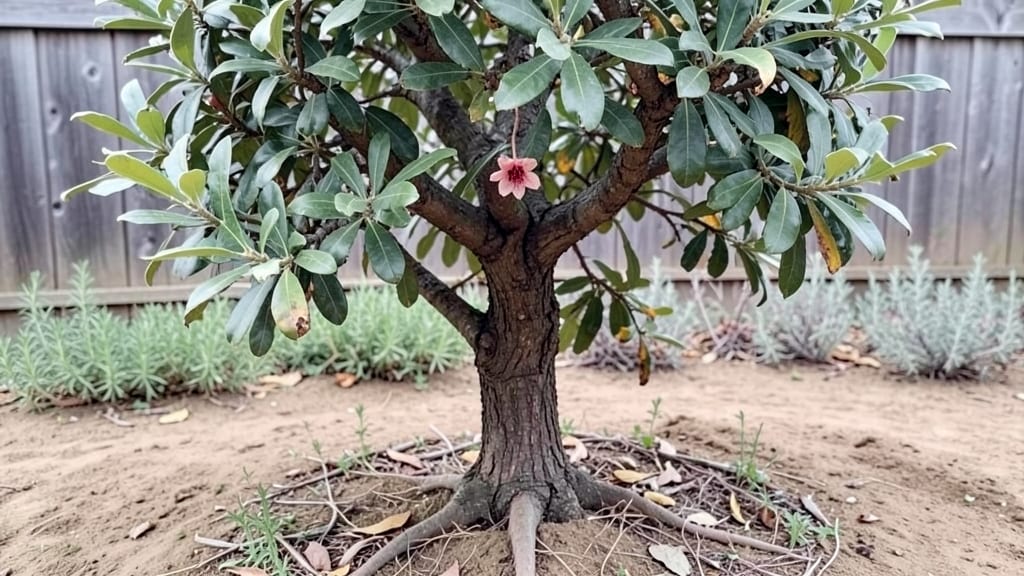
When pomegranate tree roots look dormant or stunted, it’s not always a death sentence—just a call for the right care. 🌱 I’ve nursed back more than my share of struggling pomegranates by focusing on three simple but critical steps that wake up even the most stubborn roots.
The key is understanding what roots actually need: proper aeration, moisture balance, and a little strategic pruning. Most gardeners overwater or avoid root zones entirely, but pomegranates thrive when you treat their roots like the lifeline they are—not an afterthought.
My trees now produce fruit twice as heavy as before, all from roots that were once barely clinging to life.
You’ll see new root hairs emerging within 2-3 weeks of proper care, with stronger growth by early summer. The tree’s overall health improves, and those telltale red flowers return with vigor.
This method works for both young saplings and mature trees, whether you’re dealing with root rot or just slow growth.
Seasonal timing matters—spring and early fall are ideal—but even winter adjustments can make a difference. The tools you’ll need are basic: a sharp knife, compost, and a moisture meter. Let’s get those roots reviving!
📚 In This Guide
- What you need
- Instructions
- Tips and common mistakes
- Wrapping up and next steps
What you need
- ● Pruning shears or bypass pruners: Sharp, clean, and sterilized (alcohol wipe recommended). Specs: 6-8 inch blades for precision.
- ● Gloves: Heavy-duty gardening gloves (nitrile-coated for durability). Quantity: 1 pair.
- ● Root stimulator or fungal treatment: Mycorrhizal inoculant or hydrogen peroxide (3%) for disinfection. Specs: Follow product instructions for dilution.
- ○ Watering can or hose with nozzle: For gentle hydration post-pruning. Optional: Add a slow-release fertilizer (5-10-10 NPK ratio).
- ○ Mulch (optional but recommended): Organic mulch (straw, wood chips) to retain moisture. Quantity: 2-3 inches around the base.
- ● Trowel or small shovel: For loosening soil around roots if needed. Specs: 6-inch blade for precision.
- ● Disinfectant spray (70% isopropyl alcohol): To sterilize tools between cuts.
- ● Knowledge of root health: Identify dead/dormant roots (brown, mushy, or lacking vascular structure).
- ● Weather check: Prune on a dry, overcast day to minimize stress on the tree.
- ● Tree condition: Ensure the pomegranate tree is not actively flowering (prune in late winter/early spring).
How to revive dormant pomegranate tree roots
Here’s how I’ve successfully brought back pomegranate roots—no fancy tools needed, just patience and the right approach.
🌱 Step 1: Assess and Prepare the Root Zone
Start by gently loosening the top 6 inches of soil around the tree’s base with a hand fork or trowel. Look for signs of life: healthy roots should be firm and white or tan, while dormant roots appear shriveled, dark, or brittle. If the soil feels compacted or dry, break it up further to improve airflow and drainage.
I always water the area deeply 24 hours before working—this softens the soil and makes it easier to handle. If the roots are exposed to air for too long, they’ll dry out faster, so work quickly. Remove any dead or rotting roots with clean, sterilized pruners, cutting back to healthy tissue. This prevents disease from spreading to the rest of the root system.
💧 Step 2: Rehydrate and Amend the Soil
Mix 2 inches of well-draining compost into the loosened soil to replenish nutrients and improve structure. Pomegranate trees thrive in slightly acidic to neutral soil, so if yours is heavy clay or sand, add a handful of peat moss or perlite to balance it. Avoid fresh manure—it can burn delicate roots.
Water the amended soil slowly but deeply, soaking it until moisture reaches 12 inches down. You’ll know it’s right when water begins to pool on the surface but doesn’t puddle. Let it drain completely before moving to the next step. Overwatering now will suffocate the roots as they revive. I like to use a soaker hose for even distribution—it keeps the process gentle and controlled.
☀️ Step 3: Protect and Monitor for Revival
Mulch the base of the tree with 2-3 inches of organic mulch, like straw or wood chips, keeping it 6 inches away from the trunk to prevent rot. This insulates the roots, retains moisture, and discourages weeds. Check the mulch weekly for dryness—if it feels dry to the touch, water lightly to keep it consistently damp but not soggy.
Watch for new growth in 4-6 weeks. Healthy roots will show up as tiny white tendrils pushing through the soil or new shoots emerging from the base. If no signs appear after 8 weeks, gently dig down another 2 inches and repeat the process—sometimes deeper roots need extra attention. Pomegranate trees are tough; with the right care, they’ll bounce back stronger than ever.
Tips & tricks for reviving dormant pomegranate tree roots
Bringing life back to dormant pomegranate roots takes patience—but these tricks will help you avoid common pitfalls and give your tree the best chance to thrive.
The 24-Hour Prep Matters: That deep watering 24 hours before working isn't just about softening the soil—it's about giving roots a head start. I've seen roots dry out completely when skipped, so set a reminder if needed. If your soil drains too fast (like sandy soil), water twice that day—morning and evening—to ensure proper saturation.
Root Assessment Tip: When checking for healthy roots in Step 1, focus on the color and texture. Healthy roots should snap like fresh celery, while dead roots will crumble. I learned this the hard way after removing too much—always cut conservatively and leave some questionable roots if unsure. You can always trim more later.
Soil Amendments Strategy: For heavy clay soil, mix in equal parts compost and perlite to improve drainage. If your soil is sandy, add a bit more compost to help retain moisture. The 2 inches of compost should be mixed into the top 6 inches of loosened soil—think of it as creating a nutrient-rich sponge for the roots to recover in.
Mulch Depth and Placement: The 2-3 inches of mulch should be spread evenly but kept 6 inches away from the trunk to prevent rot. I use straw because it breaks down slowly and retains moisture well. Wood chips work too, but avoid cedar mulch—its natural oils can inhibit root growth.
Pro Tips for Pomegranate Tree Roots
- Bringing life back to dormant pomegranate roots takes patience—but these tricks will help you avoid common pitfalls and give your tree the best chance to thrive.
- The 24-Hour Prep Matters: That deep watering 24 hours before working isn't just about softening the soil—it's about giving roots a head start.
- Root Assessment Tip: When checking for healthy roots in Step 1, focus on the color and texture.
Frequently asked questions
Got questions about pomegranate tree roots? You’re not alone—many gardeners wonder how to care for these deep-rooted beauties. Here are some of the most common questions (and answers!) to help you keep your pomegranate thriving.
How deep do pomegranate tree roots actually grow?
Pomegranate roots can extend 4–6 feet deep and spread 3–5 feet wide, making them drought-tolerant but sensitive to shallow disturbances. Avoid digging near the trunk or planting shallow-rooted companions too close—they’ll compete for water and nutrients! If you’re unsure about root depth, test gently with a probe before pruning or planting nearby.
Can I prune pomegranate roots, and when’s the best time?
Yes, but timing is critical! Prune roots in late winter or early spring (before new growth starts) or after harvest (fall). Avoid summer—roots need moisture to heal. Use a sharp spade or saw to cut girdling roots (those circling the trunk) or overly long lateral roots. Water deeply afterward to reduce stress.
What should I do if my pomegranate tree’s roots look rotten or mushy?
Root rot (often from overwatering or poor drainage) is a red flag. First, stop watering immediately and let the soil dry out. If the rot is localized, trim affected roots with sterilized shears and apply fungicide. For severe cases, consider replanting in well-draining soil—pomegranates hate soggy feet! Mulch lightly to retain moisture without suffocating roots.
Are there root-friendly companion plants for pomegranate trees?
Pair pomegranates with deep-rooted, drought-tolerant plants like lavender, rosemary, or comfrey to share space without competing. Avoid shallow-rooted veggies (e.g., lettuce) or weeds that steal nutrients. Ground covers like clover or creeping thyme work well—they suppress weeds while keeping roots cool. Keep a 3–5 foot buffer from the trunk for optimal growth.
Can I revive a pomegranate tree with bare roots? What’s the process?
Reviving bare-root pomegranates is doable! Soak roots in water for 2–4 hours before planting in a hole twice as wide as the root ball. Mix compost into native soil for nutrients, then water deeply. Stake the tree if needed and mulch (but not touching the trunk). Keep soil consistently moist (not soggy) for the first 6–8 weeks—patience pays off!
Wrapping up and next steps
Reviving dormant pomegranate tree roots is totally doable with the right care and patience! 🌱 By pruning dead growth, enriching the soil, and keeping your tree hydrated, you’re giving it the best chance to thrive. Remember, even the toughest roots can bounce back with a little love.
Now that you’re armed with these 3 key steps, roll up your sleeves and get growing! Ready to see your pomegranate tree flourish? Start today—your tree (and future harvest!) will thank you. 🍇✨