
Pruning
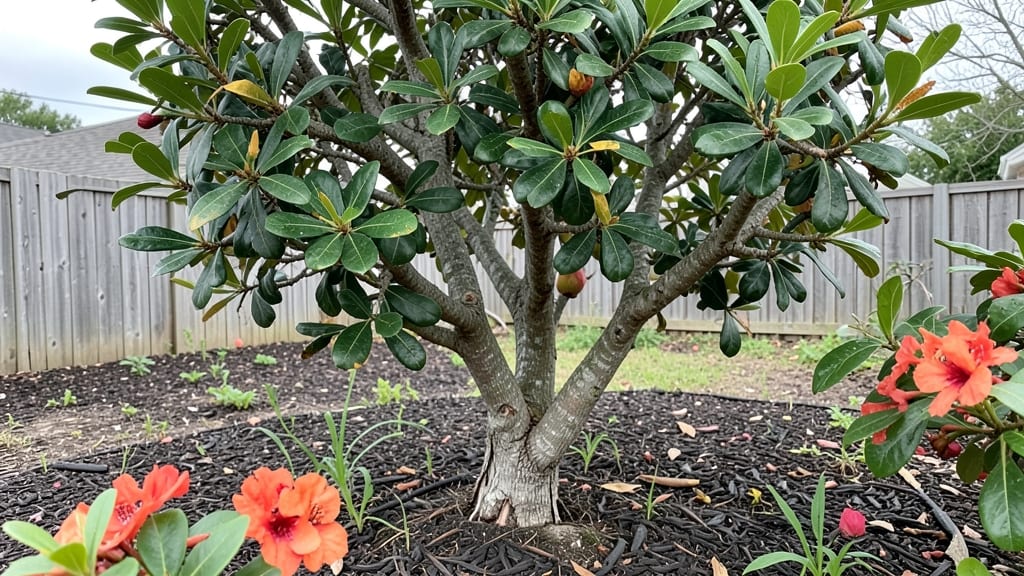
Growing pomegranate trees in Florida means four strategic cuts can turn a finicky plant into a frost-resistant fruit powerhouse—something I learned after my first tree nearly died from a surprise cold snap. 🌱 The key isn’t just the pruning; it’s timing it right around our unpredictable freezes and pairing it with the right soil and sunlight.
Most gardeners here either over-prune or wait too late, but these four cuts—done in winter, early spring, summer, and fall—keep the tree healthy and productive year-round.
Florida’s heat and humidity actually work in your favor once you get past the frost challenge. These trees thrive in full sun and well-draining soil, whether planted in-ground or in large containers. The real secret?
Pruning to open up the center for airflow and light, which prevents fungal issues that plague so many tropical plants here. I’ve seen trees in my Orlando yard produce hundreds of fruit when pruned this way, even after a light freeze.
By summer’s end, you’ll be harvesting deep red arils that taste sweeter than anything at the grocery store. The fruit ripens later in Florida—often in November or December—so timing your cuts ensures the tree puts energy into fruit rather than new growth.
Plus, the pruned branches make great firewood (if you’re into that), and the tree’s drought tolerance means less watering once established.
Whether you’re growing in a 5-gallon pot on your balcony or a full-size tree in the yard, these same cuts work. The only difference? Container-grown trees need winter protection if temps dip below 25°F, while in-ground trees can handle slightly colder spells.
Let’s get those shears sharp and those trees thriving!
📚 In This Guide
- What you need
- Instructions
- Tips and common mistakes
- Wrapping up and next steps
What you need
- ● Pomegranate Tree: 1 frost-hardy variety (e.g., Wonderful, Eversweet, or Mollar de Elche—check local nurseries for Florida-adapted rootstock).
- ● Size: 1–3 gallon container or bare-root sapling for best transplant success.
- ● Planting Supplies: 1 well-draining potting mix (50% native Florida soil + 50% compost or coconut coir).
- ● 1 5-gallon container (if planting in pots) or digging tools (shovel, trowel) for in-ground planting.
- ● 1 slow-release fertilizer (10-10-10 or citrus-specific blend, 1 lb per tree).
- ● Pruning Tools: 1 bypass pruners (sharp, clean for disease prevention).
- ● 1 loppers (for thicker branches, 16–20" reach).
- ● 1 pruning saw (for stubborn wood, 7–10" blade).
- ● 1 rubbing alcohol (70%+) (to sterilize tools between cuts).
- ● Protection Gear (Florida Frost Prep!):strong> 1 frost cloth (50–70% shade, 10’ x 10’ minimum per tree).
- ○ 1 string lights or space heater (optional, for temperatures below 28°F).
- ● Soil Amendments: 1 bag of sulfur (if soil pH is above 6.5—pomegranates love 5.5–6.5).
- ● 1 mulch (pine bark or straw) (2–3" layer to retain moisture).
- ● Irrigation: 1 drip irrigation kit (for deep, infrequent watering—Florida’s heat demands consistency!).
- ● Pest Control: 1 neem oil spray (prevents aphids/scale—common in Florida’s humid climate).
Step-by-Step guide to pruning Florida pomegranate trees for frost resistance
Here’s how to train your pomegranate tree to thrive in Florida’s mild winters while maximizing fruit production.
✂️ Step 1: Prune for Structural Strength in Late Winter
Start your pruning 6-8 weeks before Florida’s average last frost date—typically mid-February in most zones. This timing ensures new growth hardens off before winter’s chill. Use clean, sharp pruners to make 45-degree cuts just above a bud or branch collar, never leaving stubs. Remove any dead, crossing, or inward-growing branches first; these compete with the tree’s energy and weaken its frost resilience.
Focus on creating an open-center shape with a strong central leader. Florida’s humidity encourages fungal diseases, so avoid overcrowding branches. Thin out 20-30% of the canopy to improve airflow—this prevents moisture buildup where frost can damage tender new growth. Watch for suckers (shoots from the base) and remove them immediately; they drain energy from fruit production.
☀️ Step 2: Summer Pruning to Encourage Frost-Resistant Wood
After the June heat wave, prune again to shape the tree and promote thicker bark—a key frost-defense trait. Cut back overly vigorous shoots that grew during spring to one-third their length, but leave 3-4 strong buds on each remaining branch. This encourages lateral branching, which produces more frost-hardy wood than long, thin stems.
Remove any water sprouts (vertical shoots with no leaves) and shoots growing from the trunk. These are weak points where frost can penetrate. Florida’s summer storms can break branches, so prune out damaged limbs immediately—never wait until winter. You’ll know you’ve done this right when the tree’s inner branches are well-spaced and sun reaches the center.
🌿 Step 3: Light Winter Pruning for Frost Protection
If a light frost (below 28°F) threatens in December or January, do a quick, minimal prune to reduce the tree’s exposure. Cut back any frost-damaged leaves or tips—they’re already dead and will drain the tree’s resources. Avoid heavy pruning now; new growth won’t harden before the next cold snap. Instead, focus on removing only the most vulnerable branches (those with thin bark or poor structure).
After the frost passes, inspect the tree for dieback (brown, brittle branches). Prune these back to healthy green wood, but don’t overdo it—Florida’s mild winters mean most pomegranates recover with just light trimming. If you see sap bleeding from cuts, it’s a sign you pruned too late; wait until spring for major adjustments.
⏰ Step 4: Post-Harvest Pruning for Next Year’s Frost Readiness
After harvesting fruit in late fall, prune again to prepare for winter dormancy. Remove all dead fruit clusters and any suckers that sprouted during the growing season. Thin the canopy one last time, focusing on opening the center so sunlight warms the trunk—this helps prevent frost cracks in the bark. Cut back last year’s fruit wood (branches that bore fruit) by half, as this stimulates stronger, thicker growth for next season.
Apply a 2-inch layer of mulch (like pine bark) around the base, but keep it 6 inches away from the trunk to prevent rot. This insulates roots from freeze-thaw cycles, which can stress the tree. By early December, your tree should look balanced, open, and free of weak branches—ready to handle Florida’s occasional cold snaps.
Tips & tricks for pruning Florida pomegranate trees
These essential insights will help you master the art of pruning for frost resistance while maximizing fruit production in Florida's unique climate.
Timing is Everything: The mid-February pruning window in Step 1 is critical because it allows new growth to harden off before winter's chill. I've learned the hard way that pruning too early can leave tender new shoots vulnerable to frost damage. Check your local frost date—Florida's can vary by zone, so don't rely solely on the typical mid-February guideline. If your area experiences early cold snaps, adjust accordingly but never prune less than 6 weeks before the last frost.
Cutting Technique Matters: When making those 45-degree cuts in Step 1, focus on cutting just above the branch collar where the branch meets the trunk. This precise technique prevents wounds from healing improperly, which can become entry points for fungal diseases common in Florida's humid climate. I recommend using clean, sharp pruners and making cuts at a slight angle to allow water to run off rather than pool in the wound. Never leave stubs—this creates weak points where frost can penetrate.
Canopy Management: The 20-30% canopy thinning in Step 1 might seem drastic, but it's essential for Florida's climate. Proper airflow prevents moisture buildup that can lead to fungal issues and frost damage. Think of it like creating an umbrella with gaps—enough to protect the tree's center but not so dense that it traps humidity. After pruning, you should be able to see sunlight reaching the center of the tree. This open structure also makes it easier to spot frost damage during your winter inspections.
Seasonal Adjustments: In Step 3, when dealing with light frost threats, remember that Florida's mild winters often mean trees can recover from minimal pruning. The key is to focus only on removing the most vulnerable branches—those with thin bark or poor structure. I've seen trees bounce back beautifully from just this light touch, especially when combined with the winter mulching step. This minimal approach prevents stressing the tree when it's already dealing with cold temperatures.
Pro Tips for Pomegranate Tree Florida
- These essential insights will help you master the art of pruning for frost resistance while maximizing fruit production in Florida's unique climate.
- Timing is Everything: The mid-February pruning window in Step 1 is critical because it allows new growth to harden off before winter's chill.
- Cutting Technique Matters: When making those 45-degree cuts in Step 1, focus on cutting just above the branch collar where the branch meets the trunk.
Frequently asked questions
Got questions about growing pomegranate trees in Florida’s unique climate? You’re not alone! Here are answers to the most common concerns—from frost prep to pruning hacks—so you can cultivate a thriving tree with minimal stress.
How cold can Florida’s winters get before pomegranate trees suffer?
Most pomegranate varieties tolerate brief dips to 20–25°F (-6 to -4°C), but prolonged frost below 15°F (-9°C) can damage leaves or fruit. Florida’s microclimates vary—coastal areas are safer! Use mulch or frost cloth for extra protection during unexpected freezes.
When is the best time to prune a pomegranate tree in Florida?
Prune in late winter or early spring (Feb–March) to remove dead wood and shape the tree before new growth starts. Avoid heavy pruning in fall—it can stimulate tender growth vulnerable to frost. Four cuts (as covered in this guide) help balance airflow and sunlight for frost resistance.
Can I grow pomegranates in Florida without buying a tree? What’s the best alternative?
Yes! Start with seeds from store-bought pomegranates (though they may take 5–7 years to fruit). For faster results, propagate from cuttings in summer or buy a dwarf variety like ‘Wonderful’ or ‘Eversweet’—they’re hardier and perfect for Florida’s heat.
Why are my pomegranate leaves turning yellow or dropping? Is it a pest or disease?
Yellow leaves often signal overwatering or nutrient deficiencies (like iron or nitrogen). Check for pests like aphids or spider mites (common in Florida’s humidity). If spots or mold appear, it could be fungal disease—prune infected branches and apply copper fungicide if needed.
How do I know if my pomegranate tree is ready to harvest?
Harvest when the fruit turns deep red and feels heavy for its size (usually October–December in Florida). Gently twist to detach—if it resists, wait a few days. Don’t wait too long or the fruit may split! Store unripe pomegranates at room temp to ripen.
Wrapping up and next steps
Growing a pomegranate tree in Florida is a rewarding journey—especially when you master the art of pruning for frost resistance! With the right cuts, you’ll encourage stronger growth, better fruit production, and a tree that thrives in your warm (but occasionally chilly) climate. 🌱✨
Now that you’re armed with the knowledge of four key pruning techniques and answers to common questions, it’s time to roll up your sleeves. Start small: pick one season to practice your cuts, observe your tree’s response, and refine your approach.
Before you know it, you’ll be harvesting juicy, frost-hardy pomegranates—and maybe even sharing tips with fellow gardeners! Happy pruning!