
Pruning
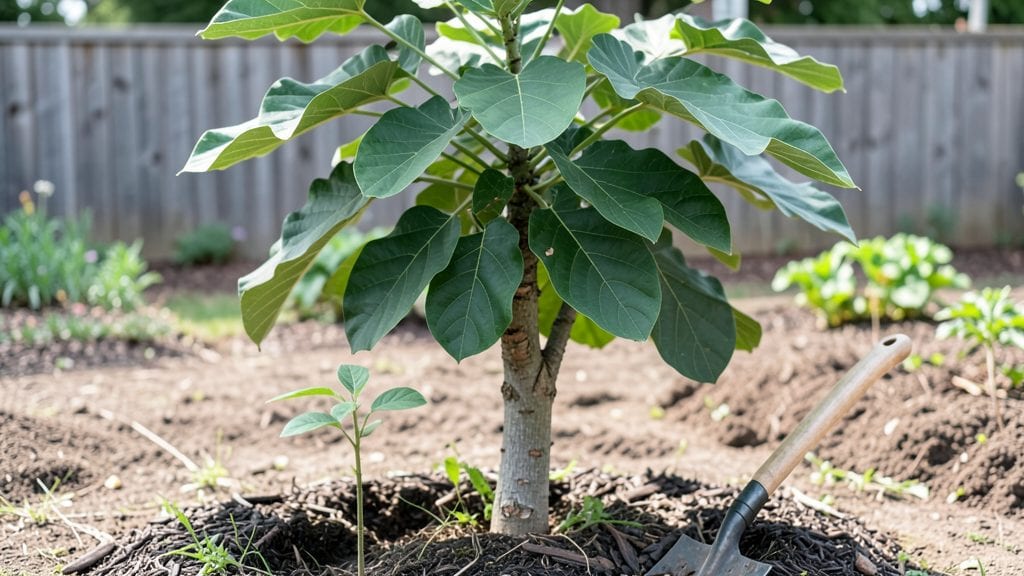
Planting a paw paw tree in the Pacific Northwest unlocks a treasure trove of tropical-tasting fruit right in your own backyard. 🌿 I’ve watched these underrated trees thrive in my damp, cool climate—producing custard-like fruit that’s richer than anything you’ll find in stores.
The secret lies in mimicking their native woodland habitats while adapting for our region’s unique weather patterns.
You’ll need a spot with partial shade—morning sun and afternoon shade works best—and soil that drains well but stays moist. Paw paws hate soggy roots but love rich, slightly acidic earth.
Amend heavy clay with compost or leaf mold to give those roots the perfect home. My first planting failed because I ignored drainage, so don’t make that mistake.
Once planted, your tree will reward you with year-round potential—flowers in spring, fruit in late summer, and striking fall foliage. The first few years focus on establishing strong roots; mulch heavily to protect against winter chill and summer drought.
With patience, you’ll harvest fruit that tastes like a cross between banana and mango—something truly special.
This guide covers everything from site prep to troubleshooting, including how to handle our region’s wet winters. Let’s get that paw paw growing!
📚 In This Guide
- What you need
- Instructions
- Tips and common mistakes
- Wrapping up and next steps
What you need
- ● Paw paw tree saplings or seeds: 1-3 (choose disease-resistant varieties like Asimina triloba or Asimina parviflora for PNW climates).
- ● Well-draining soil: Mix of topsoil, compost (50%), and sand/perlite (20%) for optimal drainage (paw paws hate soggy roots!).
- ● Organic mulch: 2–3 inches of wood chips or straw to retain moisture and regulate soil temp.
- ● Fertilizer: Balanced 10-10-10 NPK or compost tea (apply sparingly—paw paws prefer lean soil).
- ● Shovel or trowel: For digging holes (12–18" wide/deep for saplings).
- ● Pruners: Sharp, sterilized bypass pruners (avoid dull tools—paw paw bark is delicate!).
- ● Garden hose or watering can: With a fine mist nozzle for gentle hydration.
- ● Gloves: Heavy-duty gardening gloves (paw paw thorns are not kidding!).
- ● Sunlight: Full sun (6+ hours/day) or partial shade (PNW’s mild summers work great!).
- ● pH Test Kit: Ideal soil pH: 5.5–7.0 (adjust with lime or sulfur if needed).
- ○ Drip irrigation system (optional): Saves time and ensures consistent moisture.
- ○ Pest deterrents (optional): Neem oil or row covers for young trees (deer and squirrels love paw paw saplings!).
Step-by-step guide to planting a paw paw tree in the Pacific Northwest
Here’s how to establish a thriving paw paw tree that thrives in the region’s mild, wet climate.
🌱 Step 1: Choose the Right Location and Prepare the Soil
Paw paw trees love deep, well-draining soil with plenty of organic matter. In the Pacific Northwest, they do best in partial shade to full sun—at least 4-6 hours of sunlight daily—but tolerate morning shade if summers are hot. Avoid low-lying areas where cold air settles, as paw paws are sensitive to late frosts.
Test your soil’s drainage by digging a 12-inch hole—if water pools after 30 minutes, amend with 3-4 inches of compost or sand to improve aeration. The ideal soil pH is slightly acidic (6.0-6.5). If your soil is heavy clay, mix in 1 part peat moss to 3 parts native soil to loosen it.
🪴 Step 2: Plant the Tree at the Correct Depth and Stake for Support
Dig a hole twice as wide as the root ball but no deeper—paw paws dislike having their roots buried too deeply. Gently remove the tree from its container and loosen any circling roots with your fingers. Place the tree in the hole so the top of the root ball sits level with the ground (not mounded or sunken).
Fill the hole with soil, tamping lightly to remove air pockets. Water deeply to settle the roots, then install a 5-foot stake on the side opposite the tree’s strongest branch. Use soft garden twine to loosely tie the tree to the stake—too-tight ties can girdle the trunk as it grows. Mulch the base with 2-3 inches of wood chips, keeping mulch 6 inches away from the trunk to prevent rot.
☀️ Step 3: Water Deeply and Monitor for Early Signs of Stress
Water the tree once a week for the first month, soaking the soil to a depth of 12 inches. Paw paws have shallow roots initially, so consistent moisture is critical. You’ll know watering is right when the top 2 inches of soil feel damp but not soggy. Reduce watering to every 2-3 weeks once new leaves appear—overwatering in the Pacific Northwest’s damp climate can suffocate roots.
Watch for yellowing leaves or wilting, which signal either underwatering or poor drainage. If leaves curl or drop, the tree may be getting too much sun—provide afternoon shade with a lightweight shade cloth until it establishes stronger roots. Paw paws are slow to mature, so patience is key: it may take 3-5 years before you see fruit.
✂️ Step 4: Prune for Shape and Health During Dormancy
Wait until late winter or early spring (just before buds swell) to prune. Remove any dead, crossing, or diseased branches first, cutting back to the nearest healthy bud. Thin out 10-20% of the canopy to improve airflow—paw paws are prone to fungal issues in dense foliage. Use clean, sharp pruners and make cuts at a 45-degree angle just above an outward-facing bud.
If your tree develops suckers (shoots at the base), remove them promptly—they divert energy from fruit production. Avoid heavy pruning in the first two years, as paw paws recover slowly from stress. After pruning, apply a 2-inch layer of mulch to retain moisture and regulate soil temperature.
🌿 Step 5: Fertilize Lightly and Protect from Pests
In early spring, spread ½ cup of 10-10-10 fertilizer around the drip line (the edge of the tree’s canopy). Work it into the top 2 inches of soil and water deeply to activate it. Paw paws are light feeders—too much fertilizer leads to leaf burn or excessive vegetative growth at the expense of fruit. Repeat in mid-summer with ¼ cup of fertilizer, but skip fertilizing in fall or winter.
Keep an eye out for paw paw bud moths, which lay eggs in flower buds. Handpick damaged buds or use row covers during bloom. Deer and elk may browse young trees—apply deer repellent or install a chicken wire fence around the base until the tree reaches 6 feet tall. In the Pacific Northwest, aphids can also be an issue; blast them off with a strong spray of water if you spot sticky residue on leaves.
Tips & tricks for perfect paw paw tree planting
Getting your paw paw tree off to the right start in the Pacific Northwest's unique climate makes all the difference for long-term success.
Location is Everything: That 4-6 hours of sunlight recommendation isn't just about light—it's about timing. Plant your tree where it gets morning sun but afternoon shade during our region's hottest months. I learned this the hard way after watching a tree struggle through two summers of afternoon sunburn. The Pacific Northwest's coastal fog often means afternoon shade is natural, but check your specific microclimate—some inland areas can get surprisingly hot afternoons.
Drainage Test Hack: When testing your soil's drainage with that 12-inch hole, don't just wait 30 minutes—observe the water's behavior. If it disappears completely within 10 minutes, you might have excellent drainage. If it's still standing after 30 minutes, you definitely need to amend. For heavy clay soils common in parts of the PNW, I've found mixing in coconut coir instead of peat moss works better long-term (and it's more sustainable).
Staking Strategy: The 5-foot stake might seem tall, but trust me on this—paw paw trees develop surprisingly top-heavy canopies as they mature. Install the stake at a slight angle (about 15 degrees) away from prevailing winds, which helps the tree develop stronger trunk structure. Use a rubber tree collar between the stake and trunk to prevent girdling—this simple addition saved one of my early trees from damage.
Watering Wisdom: Those first 4 weeks are critical, but don't rely solely on the weekly watering schedule. Check soil moisture by sticking your finger 2 inches down—if it feels dry, water again. In our region's damp climate, overwatering is just as dangerous as underwatering. I've seen paw paw trees develop root rot from well-intentioned but overzealous watering during our frequent rainy periods.
Pro Tips for Planting Paw Paw Tree
- Getting your paw paw tree off to the right start in the Pacific Northwest's unique climate makes all the difference for long-term success.
- Location is Everything: That 4-6 hours of sunlight recommendation isn't just about light—it's about timing.
- Drainage Test Hack: When testing your soil's drainage with that 12-inch hole, don't just wait 30 minutes—observe the water's behavior.
Frequently asked questions
Got questions about planting and growing paw paw trees in the Pacific Northwest? You’re not alone! Here are some of the most common queries—and their answers—to help you get started on your fruiting adventure.
When is the best time to plant a paw paw tree in the PNW?
Plant in early spring (March–April) or fall (September–October) for best success. Spring allows roots to establish before summer heat, while fall planting gives trees time to settle before winter dormancy. Avoid planting in extreme heat or frost.
How long does it take for a paw paw tree to bear fruit?
Patience is key! Paw paw trees typically take 3–5 years to produce fruit, though some may wait up to 7 years. Choose grafted trees (like ‘Sunflower’ or ‘Pennsylvania Golden’) for faster fruiting. Pollination by flies or beetles is also required—so plant at least two trees for cross-pollination.
Why isn’t my paw paw tree growing well in the Pacific Northwest?
Common issues include poor soil drainage (paw paws hate soggy roots), lack of sunlight (they need full sun), or improper spacing (keep trees 20–30 feet apart). Test your soil’s pH (ideal: 6.0–7.0) and amend with compost if needed. Cold winters? Mulch heavily to protect roots.
Can I grow paw paws in containers or small spaces?
Paw paws are not ideal for containers—they need deep, well-draining soil and room to grow (15–25 feet tall/wide). However, dwarf varieties like ‘Mango’ may work in large pots (15+ gallons) for patios, but expect slower growth and fewer fruits. Prioritize in-ground planting for best results.
How do I attract pollinators to my paw paw tree?
Paw paws rely on flies and beetles for pollination. Plant native flowers nearby (like elderberry or serviceberry) to attract insects. Avoid pesticides during bloom (late spring). A small water source, like a shallow dish, can also help draw pollinators to your tree.
Wrapping up and next steps
Planting a paw paw tree in the Pacific Northwest isn’t just about adding beauty to your landscape—it’s an investment in year-round rewards. From its fragrant spring blooms to the creamy, tropical-tasting fruit, this versatile tree thrives with the right care.
Whether you’re a seasoned gardener or a curious beginner, the key is patience and attention to its unique needs.
Ready to take the next step? Mark your calendar for late winter or early spring—ideal planting season—and gather your tools. Watch your backyard transform into a fruiting oasis, and soon, you’ll be sharing paw paw treats with neighbors (or just enjoying them all for yourself!). 🌱✨