
Trees
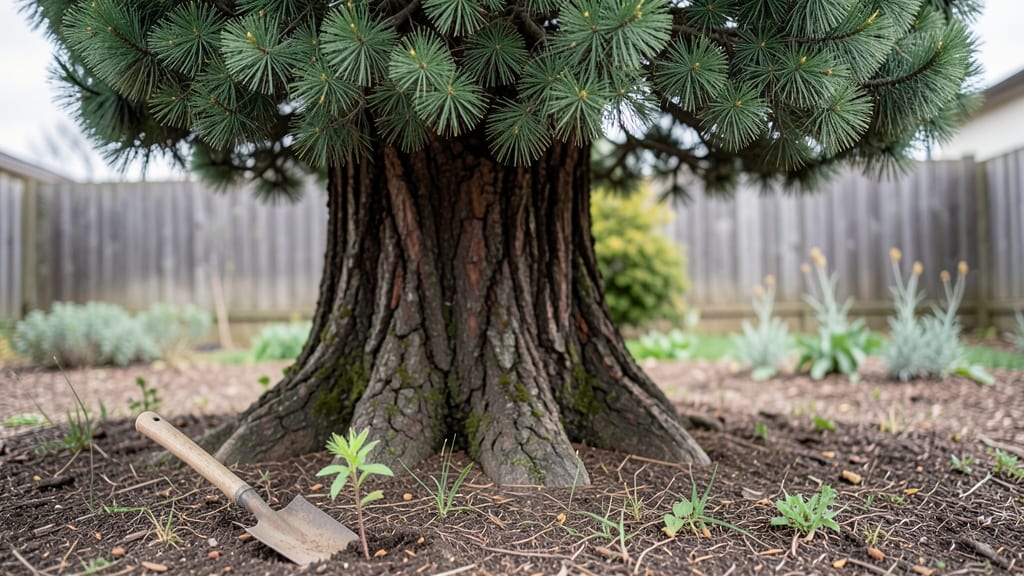
Planting giant sequoia trees means committing to a legacy—these ancient giants grow 300 feet tall and live for millennia, but they demand specific conditions to thrive.
I’ve watched my own saplings stretch toward the sky over a decade, and the patience pays off with bark so thick it resists fire and needles that stay vibrant even in drought.
The key isn’t just soil or water—it’s matching their native foothill climate, where cool nights and summer warmth create the perfect balance.
You’ll need well-draining, acidic soil (think forest floor, not clay) mixed with compost, and a spot with full sun—at least 6 hours daily, though they tolerate light shade in youth.
Spacing matters too: saplings need 20 feet between plants to avoid root competition, and mature trees require 50+ feet of open sky. Young trees are delicate, so handle them like glass—root balls should stay moist but never soggy during transplanting.
Watering is where most people stumble. Giant sequoias hate wet feet but love deep hydration—once a week in summer is better than daily shallow drinks. Mulch heavily (3–4 inches) to keep roots cool, and avoid fertilizers unless soil tests reveal deficiencies.
Within 5–10 years, you’ll see those signature thick trunks forming, and by 20 years, the tree will outlive you.
Here’s the catch: these aren’t backyard trees. They’re fire-resistant but not fireproof, and their sheer size makes them impractical for most suburban lots. If you’re serious, check local regulations—some areas restrict planting due to their potential to block views or damage infrastructure.
But for those with space and vision, there’s nothing like watching a sequoia grow.
📚 In This Guide
- What you need
- Instructions
- Tips and common mistakes
- Wrapping up and next steps
What you need
- ● Giant sequoia sapling: 1-2 nursery-grown seedlings (3–5 ft tall, 1–2 inches in diameter). Pro tip: 💡 Choose from reputable suppliers like blank">California Native Plant Society or blank">Davidia Nursery.
- ● Well-draining soil: Mix of 60% native loam, 30% compost, and 10% coarse sand or perlite (1–2 cubic yards per tree). Pro tip: 🌡️ Test soil pH (ideal: 5.0–7.0).
- ● Organic mulch: 3–4 inches of wood chips or bark (spread in a 3-ft radius around the base).
- ● Watering supplies: 5-gallon watering can or drip irrigation hose (for young trees).
- ○ Soaker hose (optional, for deep watering).
- ● Shovel or spade (for digging a hole 2–3 times wider than the root ball).
- ● Pruners or loppers (to trim dead branches or shape the tree).
- ● Wheelbarrow (for transporting soil/mulch).
- ● Garden gloves (to protect your hands).
- ○ Stakes & twine (optional, for young trees in windy areas).
- ● Sunlight: Full sun (6+ hours daily). Pro tip: ✨ Avoid low-lying or frost-prone areas.
- ● Space: Minimum 30 ft × 30 ft (giant sequoias grow 50–100+ ft tall and 15–25 ft wide).
- ● Climate: Foothill regions with mild winters (rarely below 10°F) and dry summers.
- ● Water access: Reliable source for deep watering 2–3 times per week (first year).
Step-by-step guide to planting giant sequoia trees in foothill climates
Giant sequoias thrive in the right conditions—here’s how to plant them successfully in your foothill environment.
Select and Prepare the Planting Site
Choose a location with well-draining soil and full sun exposure—giant sequoias need at least 6 hours of direct sunlight daily. In foothill climates, avoid low-lying areas where cold air settles, as these trees are sensitive to frost pockets. Test soil drainage by digging a 12-inch hole—if water pools after 30 minutes, amend with 3-4 inches of coarse sand or gravel to improve drainage.
Sequoias prefer slightly acidic to neutral soil (pH 6.0-7.5). If your soil is heavy clay, mix in 2-3 inches of organic compost to improve structure. The site should also have space to grow—mature sequoias reach 150+ feet tall, so plant at least 30 feet from structures or power lines. Mark the area with stakes to visualize the tree’s future canopy.
Acquire and Prepare the Young Sequoia
Purchase a container-grown sequoia seedling (avoid bare-root stock, as it struggles in transplant shock). Choose a 2-3 year old tree with a thick, sturdy trunk and healthy, vibrant foliage. Inspect the roots—healthy roots should be white or light tan, not dark or mushy. If the tree has been in the nursery for over a year, gently tease out circled roots (roots growing in tight loops) to encourage outward growth.
Water the seedling thoroughly 24 hours before planting to reduce transplant shock. If the soil is dry, soak the root ball until water runs freely from the drainage holes. Avoid overwatering, as soggy roots can suffocate. Prepare the planting hole twice as wide and just as deep as the root ball to minimize root disturbance during placement.
Plant the Sequoia with Care
Remove the seedling from its container and loosen the root ball slightly at the edges to encourage root spread. Place the tree in the hole so the top of the root ball sits 1-2 inches above ground level—sequoias are prone to root rot if planted too deep. Backfill with the native soil (amended if necessary) and tap gently around the edges to eliminate air pockets. Water deeply to settle the soil and eliminate gaps.
Mulch the base with 3-4 inches of wood chips or bark, keeping mulch 6 inches away from the trunk to prevent rot. Water slowly and deeply until the soil 12 inches down is moist. Avoid wetting the foliage, as sequoias are susceptible to fungal diseases like Phytophthora. Stake the tree only if necessary—young sequoias have strong root systems and rarely need support unless in windy conditions.
Establish a Watering and Care Routine
For the first 2-3 months, water the sequoia deeply every 7-10 days, ensuring moisture reaches 12-18 inches down. After the first year, reduce watering to every 2-3 weeks, allowing the top 2-3 inches of soil to dry out between waterings. Overwatering is the #1 killer of young sequoias—they thrive in well-drained, slightly dry conditions once established.
Fertilize lightly in early spring with a balanced, slow-release fertilizer (10-10-10) at half the recommended rate. Sequoias are not heavy feeders—too much fertilizer encourages weak, fast growth that can’t support the tree’s massive weight. Prune only to remove dead or crossing branches in late winter or early spring. Avoid heavy pruning, as sequoias rely on their natural shape for structural integrity.
Monitor and Protect Long-Term
Check the tree weekly for signs of stress—yellowing needles, wilting, or fungal spots on bark indicate overwatering, poor drainage, or disease. Sequoias are highly resistant to pests but can suffer from aphids or bark beetles in dry conditions. Treat infestations early with horticultural oil or neem spray to prevent spread.
In foothill climates, sequoias may experience winter dieback if exposed to freezing temperatures below 10°F. Protect young trees with burlap wraps or anti-desiccant spray in harsh winters. Mature sequoias are drought-tolerant once established, but young trees benefit from deep, infrequent watering during dry spells. With proper care, your sequoia will grow 1-2 feet per year, reaching towering heights for generations.
Tips & tricks for perfect giant sequoia planting in foothill climates
Planting a giant sequoia isn't just about digging a hole—it's about creating the ideal conditions for these ancient giants to thrive. Here are the key insights I've learned from years of working with these majestic trees.
Site Selection Secrets: The 6 hours of daily sunlight requirement is non-negotiable, but don't stop there. Observe your potential site throughout the day—morning sun helps prevent fungal issues, while afternoon shade can protect from extreme heat. In foothill climates, I always check for microclimates by monitoring nearby established trees. If they're struggling, your sequoia likely will too. The 12-inch drainage test is crucial—if water pools after 30 minutes, you're dealing with compacted soil that will suffocate roots.
Seedling Selection Strategy: When choosing your 2-3 year old container-grown sequoia, look beyond just the foliage. Healthy roots should be white or light tan, not dark or mushy—a sign of rot. I've seen many nurseries sell trees with circled roots that never properly establish. Gently tease these out before planting to encourage outward growth. The 24-hour pre-planting watering is often overlooked, but it makes a world of difference in reducing transplant shock. Think of it as giving your tree a hydration boost before the big move.
Planting Depth Precision: Positioning the root ball 1-2 inches above ground level might seem counterintuitive, but this prevents root rot—a common killer of young sequoias. I've learned this the hard way after losing several trees planted too deep. The mulch layer should be exactly 3-4 inches thick, but keep it 6 inches away from the trunk to prevent moisture buildup that causes rot. This might seem like a small detail, but proper mulching creates the perfect moisture balance without smothering the tree.
Watering Wisdom: The first 2-3 months require deep watering every 7-10 days, but timing matters just as much as quantity. Water in the early morning to allow foliage to dry before evening—this prevents fungal diseases like Phytophthora that thrive in damp conditions. I've found that using a soil probe to check moisture 12 inches down is more reliable than guessing. Once established, sequoias are surprisingly drought-tolerant, but young trees need consistent moisture to develop strong root systems that can support their massive future growth.
Pro Tips for Planting Giant Sequoia Trees
- Planting a giant sequoia isn't just about digging a hole—it's about creating the ideal conditions for these ancient giants to thrive.
- Site Selection Secrets: The 6 hours of daily sunlight requirement is non-negotiable, but don't stop there.
- Seedling Selection Strategy: When choosing your 2-3 year old container-grown sequoia, look beyond just the foliage.
Frequently asked questions
Got questions about planting these majestic giants? Here are some of the most common ones—plus clear answers to help you get started with confidence!
How long does it take for a giant sequoia to mature?
A giant sequoia grows slowly—expect it to reach 10 feet tall in 20–30 years and take centuries to reach its full towering height (200+ feet!). Patience is key! For faster (but smaller) results, consider dwarf varieties like Sequoiadendron giganteum 'Pendulum', which mature in decades.
Can I plant a giant sequoia in my backyard?
While possible, space and climate are critical. These trees need 50+ feet of clearance (roots spread widely!) and thrive in cool, foggy climates (USDA Zones 5–8). If your yard is small or hot/dry, opt for a container-grown specimen or a smaller conifer like Pinus ponderosa (ponderosa pine).
What’s the best time of year to plant a giant sequoia?
Plant in early spring or fall (avoid summer heat or winter frosts). Spring (March–April) gives roots time to establish before summer dryness, while fall (September–October) reduces transplant shock. Pro tip: Water deeply 2–3 times per week for the first year to help roots settle.
Why is my sequoia seedling dying? Troubleshooting tips
Common issues and fixes:
- Yellowing needles: Overwatering or poor drainage. Let soil dry slightly between waterings and amend clay soil with gravel or sand.
- Wilting or brown tips: Underwatering or heat stress. Mulch heavily (3–4 inches) and water at soil level (not foliage) to retain moisture.
- Fungal spots: Fungal disease from wet foliage. Prune for airflow and treat with copper fungicide if needed.
If roots look black or mushy, root rot may be setting in—act fast with fungicide and adjust watering.
Are there fast-growing alternatives to giant sequoias?
If you want a tall, dramatic tree but without the centuries-long wait, consider:
- Pseudotsuga menziesii (Douglas fir): Grows 2–3 feet/year and reaches 200+ feet.
- Thuja plicata (Western redcedar): Hardy, fast-growing, and great for privacy screens.
- Sequoia sempervirens (coast redwood): Faster than sequoias but still needs space!
For smaller yards, try Chamaecyparis lawsoniana (false cypress) or Picea glauca (white spruce).
Wrapping up and next steps
Planting a giant sequoia is a rewarding commitment that connects you to nature’s grandeur—literally! 🌳 These majestic trees thrive with the right care, patience, and foothill-adapted techniques. Whether you’re restoring a landscape or adding a living monument, your effort will leave a legacy for generations to come.
Ready to take the next step? Start by contacting local nurseries or conservation groups for young saplings, then mark your calendar for the optimal planting window (fall or early spring). Your future sequoia—and the planet—will thank you!