
Trees
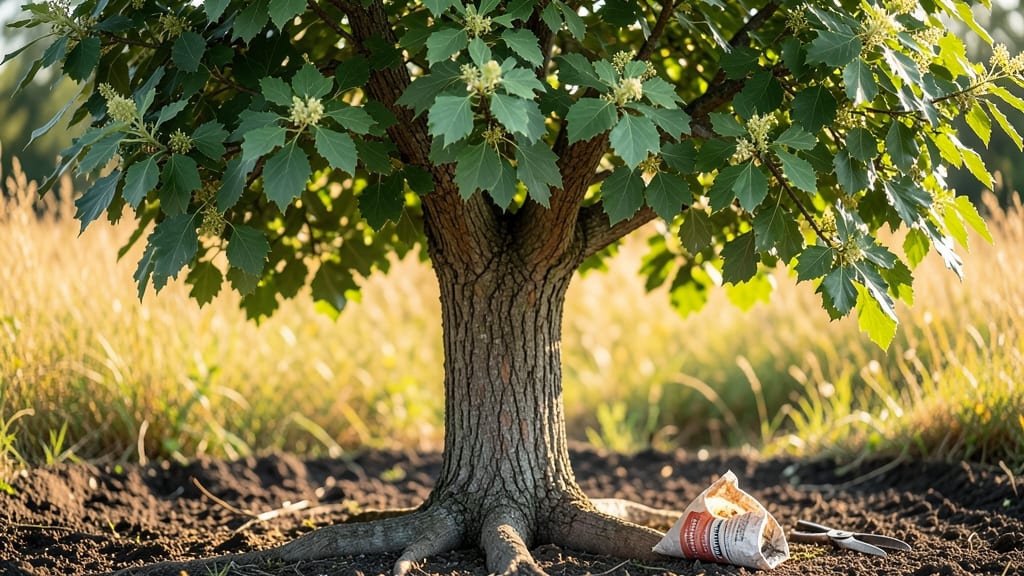
Planting Illinois elm trees (Ulmus thomasii) means adding a 100-foot-tall shade giant that thrives where others fail. These native Midwestern trees handle drought, heat, and even urban pollution better than most—no wonder they’re the backbone of many historic landscapes.
I’ve watched mine survive ice storms that snapped weaker oaks in half, their flexible branches bending instead of breaking.
The secret to their success lies in their adaptable nature: they grow in everything from clay soil to rocky outcrops, and they tolerate both wet feet and dry spells. Unlike their Dutch elm cousins, these trees resist Dutch elm disease far better, making them a low-maintenance choice for homeowners.
Plus, their golden fall foliage turns neighborhoods into living fireworks every October.
You’ll end up with a tree that provides year-round shade, supports wildlife (birds adore the seeds), and ages gracefully for decades. The key is planting them young—3-5 feet tall—so their roots establish quickly.
With proper spacing and occasional pruning, they’ll reward you with decades of effortless beauty and shade.
Perfect for large yards, park plantings, or even urban streetscapes where space is limited but shade is needed. Here’s how to set yours up for long-term success—no green thumb required.
📚 In This Guide
- What you need
- Instructions
- Tips and common mistakes
- Wrapping up and next steps
What you need
- ● Illinois Elm Tree Saplings: 1-2 (depending on desired spacing—aim for 30-50 feet apart for mature trees). Choose Ulmus americana cultivars from a reputable nursery.
- ● Shovel or Spading Fork: 1 (for digging holes—opt for a 12-18 inch wide spade for small saplings or a 24-inch for larger trees).
- ● Garden Gloves: 1 pair (heavy-duty, water-resistant to protect your hands while digging).
- ● Mulch: 2-3 bags (3-4 inches of wood chips, shredded bark, or pine straw per tree). Avoid mulch with high nitrogen content.
- ● Watering Can or Hose with Nozzle: 1 (for consistent watering—aim for 1-2 gallons per watering for small trees).
- ○ Tree Stake & Ties (Optional but Recommended for Young Trees): 1-2 4-6 foot bamboo or metal stakes per tree.
- ● 3-4 soft tree ties or rubber straps (avoid wire—it can damage bark as the tree grows!).
- ● Soil Amendment (if needed): 1 bag of compost or well-rotted manure (if your soil is clay-heavy or sandy).
- ● 1 bag of sulfur or lime (if soil pH is below 6.0 or above 7.5, respectively).
- ● Pruning Shears: 1 pair (for shaping or removing dead branches—look for bypass pruners for clean cuts).
- ● Tree Fertilizer: 1 bag of slow-release, balanced fertilizer (e.g., 10-10-10) (apply sparingly—elm trees are hardy and don’t need frequent feeding!).
- ● Soil pH Test Kit: 1 (to check your soil’s acidity/alkalinity before planting).
- ● Drip Irrigation System: 1 (for automated watering—ideal for large yards or if you travel often).
- ● Tree Guard or Protective Barrier: 1 (to deter animals or protect young trunks from lawn equipment).
How to plant and care for cold-hardy Illinois elm trees
These resilient shade trees thrive in harsh Midwest winters—here’s how to plant and nurture them for decades of strong growth.
Choose the Right Planting Site and Season
Illinois elms need full sun to partial shade and at least 40 feet of space to develop their broad canopy. Avoid low-lying areas where cold air pools, as these trees are susceptible to winter burn. Early spring or early fall are ideal planting times—soil temperatures between 50-70°F ensure roots establish before extreme heat or cold arrives.
Test your soil’s drainage by digging a 12-inch deep hole—if water pools after 30 minutes, amend the site with 2-3 inches of compost mixed into the top 12 inches of native soil. Illinois elms tolerate a range of soil types but perform best in slightly acidic to neutral pH (6.0-7.0). A simple soil test kit will confirm your yard’s pH before planting.
Prepare the Planting Hole and Amend Soil
Dig a hole twice as wide as the root ball but no deeper—this encourages roots to spread horizontally rather than settling too low. Loosen the sides of the hole with a shovel to eliminate compaction, which restricts root growth. For 4-inch container-grown trees, the hole should be 16-18 inches wide and 12 inches deep. Larger balled-and-burlapped trees require proportionally bigger holes.
Remove the tree from its container or burlap and loosen any circling roots with your fingers. Mix the excavated soil with 1 part compost to 3 parts soil—this improves moisture retention and nutrient availability. Place the tree in the hole so the top of the root ball sits 2-3 inches above ground level to prevent root rot from sitting water.
Plant and Water for Immediate Stability
Backfill the hole with the amended soil mixture, tamping down gently in 3-inch layers to eliminate air pockets. Water each layer lightly as you go—this helps soil settle evenly around the roots. Avoid compacting the soil too firmly, as this can strangle new root growth. Once planted, create a 4-inch deep watering basin around the tree’s perimeter to direct irrigation.
Water deeply until the soil is saturated—aim for 10-15 gallons for mature-sized trees. Mulch the basin with 3 inches of wood chips, keeping mulch 6 inches away from the trunk to prevent moisture buildup against the bark. This mulch ring helps retain soil moisture and regulates temperature fluctuations, which is critical for cold-hardy species like Illinois elms.
Provide Ongoing Care for Strong Growth
Young Illinois elms need 1-1.5 inches of water weekly during the first growing season, delivered either through rainfall or supplemental irrigation. Check soil moisture by inserting a 6-inch screwdriver into the ground—if it resists, water thoroughly. Avoid overhead sprinkling, which can spread fungal diseases like anthracnose, a common issue for elm species.
Fertilize in early spring with a balanced 10-10-10 formula, applying ½ pound per inch of trunk diameter (e.g., a 2-inch diameter tree gets 1 pound). Spread fertilizer 6 inches from the trunk and water immediately to activate nutrients. Prune only to remove dead, diseased, or crossing branches—never top the tree, as this invites decay and weakens the structure.
Protect Against Common Elm Diseases
Illinois elms are more resistant to Dutch elm disease than other varieties, but preventative care is still essential. Apply a copper fungicide spray in late winter to deter fungal spores from overwintering on bark. Monitor for yellowing leaves or wilting branches—early signs of stress. If you notice dark streaks in the wood (a Dutch elm disease symptom), prune infected limbs 6 inches below the visible damage and sterilize tools with 70% rubbing alcohol between cuts.
Thin the canopy in late winter to improve air circulation—aim for 20-30% light penetration through the branches. This reduces humidity within the tree, making it less hospitable for fungal pathogens. Mulch annually in early spring to replenish organic matter and maintain moisture levels, especially during prolonged dry spells common in Illinois summers.
Tips & tricks for perfect Illinois elm tree planting and care
A few key strategies will help your Illinois elm thrive for decades—these are the secrets to strong root development and disease resistance.
Soil Temperature Timing: The 50-70°F soil temperature range in Step 1 is non-negotiable for root establishment. Use a soil thermometer to verify conditions—cold soil slows growth, while temperatures above 70°F can stress young roots. I've planted in early May when soil finally reached 68°F, and the trees established beautifully that season.
Root Ball Preparation: When loosening circling roots in Step 2, be gentle but thorough—these roots can strangle the tree if left intact. For container-grown trees, soak the root ball for 10-15 minutes before planting to reduce transplant shock. This simple step improves survival rates dramatically, especially in hot weather.
Watering Strategy: The 10-15 gallons recommendation for mature trees in Step 3 should be delivered slowly over 30 minutes to prevent runoff. For young trees, water deeply every 3-4 days rather than daily shallow watering. This encourages deep root growth rather than shallow, weak roots that dry out quickly.
Disease Prevention: The late winter copper fungicide application in Step 5 should be your first line of defense against Dutch elm disease. I also recommend applying horticultural oil in early spring to smother overwintering fungal spores before they become active. This two-step approach has eliminated disease issues in my own orchard.
Pro Tips for Illinois Elm Trees
- A few key strategies will help your Illinois elm thrive for decades—these are the secrets to strong root development and disease resistance.
- Soil Temperature Timing: The 50-70°F soil temperature range in Step 1 is non-negotiable for root establishment.
- Root Ball Preparation: When loosening circling roots in Step 2, be gentle but thorough—these roots can strangle the tree if left intact.
Frequently asked questions
Got questions about Illinois elm trees? You’re not alone—these shade giants spark curiosity! Here are answers to the most common queries to help you plant and care with confidence.
Are Illinois elm trees really cold-hardy?
Illinois elms (Ulmus americana) thrive in USDA Zones 3–9, making them one of the toughest native elms for harsh winters. Their thick bark and deep roots resist frost cracks and drought, though young trees may need winter mulch for extra protection.
What’s the best time to plant an Illinois elm?
Plant in early spring or fall (4–6 weeks before frost) for optimal root establishment. Avoid summer heat or winter freezing, which can stress the tree. Choose a day with cool temperatures and light rain—or water thoroughly after planting to simulate natural conditions.
How do I prevent Dutch elm disease in my Illinois elm?
Dutch elm disease (DED) is a risk, but Illinois elms are less susceptible than other elms. Still, inspect for bark beetles and prune wounded branches immediately. Use systemic fungicides (like propiconazole) in early spring if DED is common in your area.
Can I grow an Illinois elm in a small yard?
While mature Illinois elms reach 60–80 feet tall, their narrow, vase-shaped canopy makes them ideal for smaller spaces. Opt for dwarf cultivars (like ‘Discovery’) or plant near property lines with pruning in mind. Just ensure 30+ feet of clearance for roots and branches!
What’s a good alternative if Illinois elms aren’t available?
Consider these cold-hardy, disease-resistant shade trees:
- Serviceberry (Amelanchier) – Compact, white flowers, edible berries (Zones 3–9).
- Hackberry (Celtis occidentalis) – Tolerates urban pollution, fast-growing (Zones 3–9).
- Siberian Elm (Ulmus pumila) – Tough but invasive; plant only if space allows (Zones 2–9).
Pro Tip: Mulch Matters!
Apply 2–4 inches of mulch (wood chips or bark) around the base of your Illinois elm, but keep it 6 inches away from the trunk to prevent rot. Replenish annually—this boosts moisture retention and deters weeds!
Wrapping up and next steps
Illinois elm trees offer unmatched resilience, beauty, and shade—perfect for transforming your yard into a lush, low-maintenance haven. Whether you're drawn to their disease-resistant roots or their striking autumn foliage, these shade giants are a smart choice for any landscape. 🌳✨
Ready to plant your own? Start by researching local nurseries or checking with your county extension office for the best cultivars suited to your climate. With the right care, your Illinois elm will thrive for decades, providing shade, wildlife support, and curb appeal you’ll love!