
Pruning
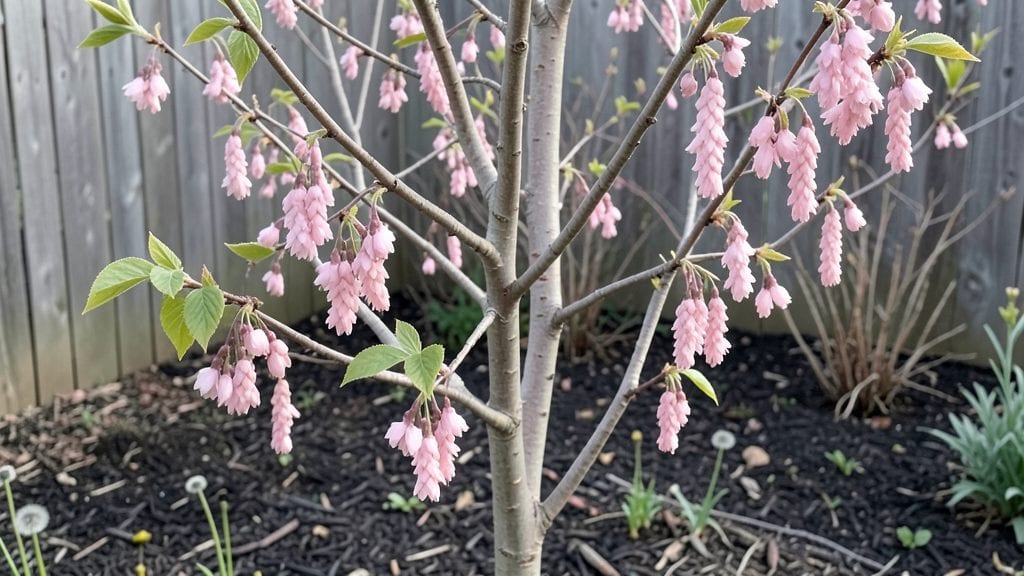
The pink tree name Pacific Dogwood (Cornus nuttallii) and Japanese Tree Lilac (Syringa reticulata) bring soft, romantic color to Northwest gardens—even after frost. I planted mine last spring, and their delicate blooms now outshine every other tree in the yard, from late spring through summer.
These varieties thrive in our damp, cool climate, where many tender trees fail.
The secret to their lasting beauty? Pruning after flowering, when new buds form but before winter dormancy. A simple late-summer trim keeps them compact and encourages next year’s blooms.
Pair them with ferns or hostas for a lush understory, and they’ll steal the show in any garden layout—whether as a focal point or mixed into shrub borders.
By focusing on timing and placement, you’ll create a pink canopy that lasts through heatwaves and light frosts. The right tree in the right spot transforms a garden from ordinary to stunningly lush—no matter how many winters you’ve seen. Let’s talk specifics next.
These trees work in both sun and partial shade, making them versatile for small yards or large landscapes. Their fragrant blooms also attract pollinators, adding life to the garden beyond just their color. Start with one this season, and you’ll wonder why you didn’t plant more sooner.
📚 In This Guide
- What you need
- Instructions
- Tips and common mistakes
- Wrapping up and next steps
What you need
- ● Bypass pruners: Sharp, high-quality bypass pruners (e.g., Felco F-2 or Corona Tools) for clean cuts on small to medium branches (2" diameter or less). Quantity: 1 pair.
- ● Loppers: Long-handled loppers (e.g., Felco 201 or Fiskars) for thicker branches (2"–4" diameter). Quantity: 1 pair.
- ● Pruning saw: A curved-tooth pruning saw (e.g., Felco 100) for branches over 4" in diameter. Quantity: 1.
- ○ Extension pole: A telescoping pole with a pruning saw or shears attachment for high branches. Optional but handy!
- ● Gloves: Heavy-duty, cut-resistant gloves (e.g., Mechanix Wear or Fiskars) to protect your hands. Quantity: 1 pair.
- ● Safety glasses: ANSI-rated goggles to shield your eyes from debris. Quantity: 1 pair.
- ● Heavy-duty trash bags: For collecting pruned branches and debris. Quantity: 2–3 bags.
- ● Disinfectant: A 10% bleach solution (1 part bleach to 9 parts water) to sterilize tools between cuts and prevent disease spread.
- ● Rubbing alcohol or hand sanitizer: For cleaning tools and hands post-pruning.
- ● Weather check: Prune on a dry, calm day—avoid rain or high winds to prevent sap splatter and ensure safety.
- ● Tree identification: Confirm your tree is indeed a pink-blooming cherry (e.g., Kanzan, Somei-Yoshino) to avoid damaging other species.
- ○ Pruning map (optional): Sketch a rough diagram of your tree’s structure beforehand to visualize cuts.
- ● First aid kit: Just in case! Include bandages, antiseptic wipes, and tweezers for splinters.
Step-by-step guide for pruning pink dogwood in the Pacific Northwest
Here's how to keep your pink dogwood thriving through frost and winter—without losing its stunning spring blooms.
Time Your Pruning for Late Winter or Early Spring
Prune your pink dogwood—most commonly Cornus florida—right after the last frost date in your region, typically late February to early March in the Pacific Northwest. This timing ensures you don’t accidentally cut off next year’s flower buds, which form on last year’s growth. If you prune too early, cold snaps can damage fresh cuts.
Look for bare branches as a cue—when the tree is still dormant but the ground has thawed, it’s ready. Avoid pruning in fall, as this can stimulate new growth that won’t harden off before winter. If you miss the window, wait until after blooming (usually April), but expect fewer flowers that season.
Remove Dead, Diseased, or Crossing Branches First
Start by sterilizing your pruning tools with rubbing alcohol to prevent spreading disease. Scan the tree for dead branches (no leaves, brittle wood) or diseased wood (mushrooms, discolored spots, or oozing sap). Cut these out first, making clean cuts at the branch collar—the swollen area where the branch meets the trunk.
Next, remove any branches that cross or rub against each other. These create wounds where pests and diseases can enter. Use sharp bypass pruners for branches under ½ inch thick and a pruning saw for thicker branches. Always cut just outside the branch collar to avoid leaving stubs, which can rot.
Thin the Canopy to Improve Airflow and Light
Step back and assess the tree’s shape. Pink dogwoods naturally grow with a multi-stemmed, rounded form, so aim to maintain that structure. Remove up to 25% of the canopy by selectively pruning branches that are too dense or growing inward. Focus on branches that don’t contribute to the tree’s overall balance.
Cut branches back to a bud or side branch that faces outward. This encourages the tree to fill in gaps naturally. Avoid heading back (cutting back to a stub) unless you’re rejuvenating an overgrown tree—this can stimulate weak, leggy growth. After thinning, the tree should let light and air reach the center, reducing humidity and disease risk.
Shape the Tree for Frost Resistance and Future Blooms
To harden the tree for Pacific Northwest winters, avoid heavy pruning—this stresses the plant and makes it more vulnerable to frost damage. Instead, focus on light shaping to maintain a balanced silhouette. Remove any suckers (shoots growing from the base) and water sprouts (vertical shoots with no leaves).
If your dogwood is older than 10 years, you can perform a rejuvenation prune by cutting back ⅓ of the oldest branches to the ground. This encourages new growth and revives a tired tree. Apply a layer of mulch (2-3 inches) around the base after pruning to insulate roots and retain moisture. Water deeply but avoid soaking the soil, as soggy conditions invite root rot.
Clean Up and Monitor for Recovery
Rake up and dispose of all pruned branches—never leave them on the ground, as they can harbor pests and diseases. Disinfect your tools again with rubbing alcohol before storing them. After pruning, the tree may look sparse, but new growth will emerge within 3-4 weeks as long as the weather warms up.
Watch for new shoots along the branches you pruned—this is a sign the tree is healing. If you notice yellowing leaves, wilting, or oozing sap at the pruning sites, it could indicate stress or disease. In this case, apply a fungicide and avoid further pruning until the tree recovers. With proper care, your pink dogwood will reward you with vibrant spring blooms and a stronger structure for years to come.
Tips & tricks for pruning Pacific Northwest pink dogwood
These simple tips will help you prune your pink dogwood like a pro—keeping it healthy, blooming, and frost-resistant for years to come.
Timing is Everything: The late February to early March window is critical because that's when your dogwood is still dormant but the ground has thawed. If you're unsure about frost dates, check your local agricultural extension service—they provide precise frost prediction maps for your area. I always wait until I see at least three consecutive days above freezing before I start pruning. Between us, pruning too early can damage fresh cuts when cold snaps return, and pruning too late risks cutting off next year's flower buds.
Tool Preparation Matters: Sterilizing your pruning tools with rubbing alcohol between cuts is non-negotiable—it prevents spreading disease from one branch to another. I also recommend using sharp bypass pruners for branches under ½ inch thick; dull tools crush rather than cut cleanly, which can damage the tree. For thicker branches, a pruning saw with a fine-tooth blade will give you cleaner cuts that heal better. Don't make my mistake: using a regular saw or hedge trimmer can tear the bark and create wounds that invite pests.
Canopy Thinning Strategy: When you're thinning the canopy in Step 3, focus on removing branches that grow inward or cross over others. These branches create shaded areas where moisture lingers, increasing disease risk. I like to step back every few cuts to visualize the tree's shape—you should be able to see light reaching the center. Remember, you're aiming to remove up to 25% of the canopy, not more. The goal is to improve airflow and light penetration, not to drastically reshape the tree. Cutting back to a bud or outward-facing branch encourages natural, healthy growth patterns.
Recovery Monitoring: After pruning, keep an eye out for new shoots emerging within 3-4 weeks as a sign the tree is healing. If you notice yellowing leaves, wilting, or oozing sap at the pruning sites, these are red flags that the tree might be stressed or infected. In this case, apply a fungicide and hold off on any further pruning until the tree shows signs of recovery. I've found that a light application of mulch (2-3 inches) around the base after pruning helps retain moisture and insulate roots during those chilly Pacific Northwest winters.
Pro Tips for Pink Tree Name
- These simple tips will help you prune your pink dogwood like a pro—keeping it healthy, blooming, and frost-resistant for years to come.
- Timing is Everything: The late February to early March window is critical because that's when your dogwood is still dormant but the ground has thawed.
- Tool Preparation Matters: Sterilizing your pruning tools with rubbing alcohol between cuts is non-negotiable—it prevents spreading disease from one branch to another.
Frequently asked questions
Got questions about pruning the stunning Pink Tree (like Prunus serrulata 'Kanzan' or Cornus florida varieties) in the Pacific Northwest? You’re in the right place! Here are answers to the most common concerns—from timing to troubleshooting—so your tree stays healthy and vibrant year after year.
When is the best time to prune a Pink Tree in the PNW’s rainy, frosty climate?
The ideal window is late winter to early spring (February–March), just before buds swell but before new growth starts. This avoids stress from late frosts and gives the tree time to heal before summer. Skip pruning in fall—it risks inviting fungal diseases in damp PNW air.
Can I prune a Pink Tree after a hard frost? Will it survive?
Yes, but with caution! Prune only if absolutely necessary (e.g., broken branches) after a frost—wait until temps stay above freezing for 24 hours. Avoid heavy pruning; frost-stressed trees are more vulnerable to disease. If you must prune, do it on a dry day and sterilize tools to prevent infection.
How much can I trim back a mature Pink Tree without harming it?
For established trees, remove no more than 25% of the canopy per year. Focus on:
- Dead, crossing, or rubbing branches ( thinning cuts)
- Suckers at the base ( cut at ground level)
- Overly dense areas to improve airflow ( avoid topping!)
What should I do if my Pink Tree’s leaves turn brown or drop after pruning?
Brown leaves or defoliation can signal stress, disease, or pests. Check for:
- Over-pruning: Too many cuts = shock. Scale back next year.
- Fungal issues: Rake up fallen leaves, improve drainage, and prune in dry weather.
- Pests: Look for sawfly larvae or aphids; treat with horticultural oil if needed.
Are there frost-resistant alternatives to traditional Pink Trees for the PNW?
Consider these cold-hardy options:
Tree
Why It Works
Washington Hawthorn (Crataegus phaenopyrum)
Thrives in zones 2–6, drought-tolerant, and disease-resistant.
Serviceberry (Amelanchier alnifolia)
Pink blooms, edible berries, and handles frost beautifully.
Oregon Grape (Mahonia aquifolium)
Evergreen, shade-tolerant, and blooms early—great for pollinators.
Wrapping up and next steps
Discovering the pink tree name—like the stunning Prunus serrulata 'Kanzan' or Cercis canadensis—is just the first step in nurturing these frost-defying beauties! With the right tools, timing, and techniques, you can keep your tree thriving year after year.
Remember, pruning isn’t just about cutting back—it’s about encouraging health, shape, and vibrancy for seasons to come.
Ready to take action? Grab your pruners, mark your calendar for late winter or early spring, and give your pink tree the care it deserves. Every snip is a step toward a blooming, resilient landscape—let’s make it happen! 🌸✂️