Planting
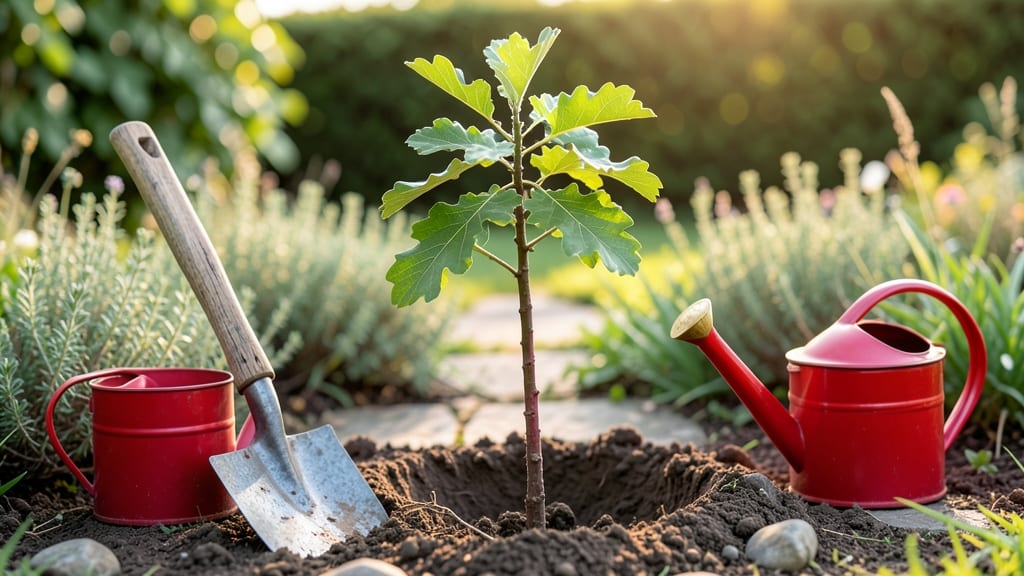
Planting a tree seedling right means it’ll grow strong for decades—not just this year. I’ve buried more than a few too-shallow roots in my time, and the difference between a thriving tree and a struggling one often comes down to those first few hours in the ground.
The key is patience: digging the right hole, handling the roots carefully, and setting it up for success before you even step back.
You’ll need a few simple tools—a shovel, gloves, and maybe a stake for support—and the right spot: somewhere with 6+ hours of sun, room to grow, and soil that drains well.
Spring or fall are the best times to plant, when the weather’s mild and roots can settle in without scorching or freezing. Skip the summer heat or winter frost, and you’ll avoid shocking the seedling.
Once planted, the real magic happens in the first few weeks. Keep the soil consistently moist (not soggy) and add a 2-3 inch layer of mulch to protect the roots and lock in moisture.
Within a year, you’ll see new growth shooting up—proof that your seedling is finally putting down strong roots. The payoff? A tree that stands tall for generations.
This method works for everything from shade trees to fruit-bearing varieties, whether you’re planting in your yard or along a street. The only mistake you can’t recover from is rushing—so take your time. Your future shade (and future grandkids) will thank you.
📚 In This Guide
- What you need
- Instructions
- Tips and common mistakes
- Wrapping up and next steps
What you need
- ● Tree seedling – Choose a healthy, well-rooted sapling (bare-root or container-grown). Pro tip: Look for firm stems, vibrant leaves, and no signs of disease!
- ● Shovel or trowel – A round-point shovel (for digging holes) or a hand trowel (for smaller seedlings).
- ● Garden gloves – Protect your hands from dirt, thorns, and rough bark.
- ● Watering can or hose – A gentle spray nozzle works best to avoid disturbing soil around roots.
- ○ Mulch (optional but recommended) – 2–4 inches of organic mulch (e.g., wood chips, straw, or shredded bark) to retain moisture and suppress weeds.
- ● Staking materials (if needed) – 1–2 bamboo stakes (4–6 feet tall) + soft tree ties for young, top-heavy seedlings (e.g., willows or fruit trees).
- ● Soil amendment (if soil is poor) – Compost or aged manure (1–2 gallons) to improve drainage and nutrients.
- ● Root stimulator – A mycorrhizal fungi powder or seaweed extract to boost root growth.
- ● Pruning shears – For trimming damaged branches or roots if needed.
- ● Soil pH tester – To check if your soil needs lime (for acidic-loving trees) or sulfur (for alkaline soils).
- ● Tree guard or cage – Protects young saplings from pests (e.g., rabbits or deer).
- ● Post-hole digger – If staking is required for deep or rocky soil.
Step-by-step guide for planting a tree seedling
Here’s how I’ve planted dozens of seedlings—every one thrives with these simple steps.
Choose the Right Location and Prepare the Soil
Pick a spot with at least 6 hours of sunlight daily—most young trees need full sun to establish strong roots. Avoid low areas where water pools, as soggy soil suffocates roots. I dig a hole twice as wide as the root ball but only as deep as the container the seedling came in. This prevents burying the trunk too deep, which can strangle the tree over time.
Loosen the soil at the bottom of the hole with a shovel or your hands—this helps roots spread into the surrounding earth instead of circling the root ball. Mix in compost or aged manure if your soil is heavy clay or pure sand. You’ll know the soil is ready when it crumbles easily between your fingers.
Remove the Seedling and Inspect the Roots
Gently squeeze the sides of the container to loosen the root ball, then slide the seedling out. If roots are circling tightly inside, use your fingers to tease them outward—this encourages them to grow straight into the new soil. Check for dry or mushy roots, which signal stress or rot. Trim any broken roots with clean pruners, leaving a smooth cut.
Don’t water the seedling before planting—wet roots are more fragile. If the root ball feels dry, lightly mist it, but avoid soaking. You’ll see healthy roots are white or light tan, not dark or slimy. This is your cue that the seedling is ready for its new home.
Plant the Seedling at the Correct Depth
Place the seedling in the hole so the top of the root ball sits level with the surrounding soil. Burying the trunk too deep suffocates the tree, while planting too shallow exposes roots to drying out. Fill the hole halfway with soil, then water deeply to settle it around the roots. This removes air pockets that can trap moisture and rot the roots.
After watering, add more soil until the hole is full but don’t pack it down. Lightly firm the soil with your hands to eliminate gaps. The finished look should show the trunk slightly flared at the base, which helps shed water away from the stem and prevents rot.
Water Thoroughly and Mulch Properly
Water the seedling deeply right after planting—aim for 1-2 gallons depending on the tree size. You’ll know it’s enough when water drains out the bottom of the hole. This initial soak helps roots establish quickly. After watering, spread 2-3 inches of mulch (like wood chips or straw) in a 3-inch-wide ring around the tree, keeping it 6 inches away from the trunk. Mulch too close can smother the bark.
Mulch helps retain moisture, regulate soil temperature, and block weeds. Avoid piling mulch against the trunk—this creates a damp environment that invites pests and disease. Water lightly every 2-3 days for the first month, then taper to once a week once the tree is established.
Stake and Protect (If Needed)
Only stake the seedling if it’s taller than 6 feet or in a windy area. Use two stakes placed 6-12 inches from the trunk and tie the tree loosely with soft fabric strips—never wire, which can cut into the bark. The goal is to give the tree just enough support so it grows straight, not rigidly upright.
Protect young seedlings from animals with a tree guard (a spiral of metal or plastic) or a cage of chicken wire. Deer, rabbits, and even squirrels will nibble on tender bark. Check the ties every few weeks—roots grow fast, and the tree might outgrow its support within a season.
Tips & tricks for planting a tree seedling
Here's what nobody tells you about planting seedlings that actually take root and thrive.
Sunlight Secret: That "at least 6 hours of sunlight" rule isn't just about growth—it's about survival. Young trees need full sun to develop strong vascular systems. If your spot gets less light, choose a shade-tolerant species like dogwood or serviceberry instead of sun-loving oak or maple. I've seen seedlings in partial shade struggle to establish for years compared to their sunlit counterparts.
Root Ball Rescue: When you see those roots circling tightly in the container, don't just shove the seedling in the ground! Take 5 minutes to gently tease them outward with your fingers. This simple step prevents "pot-bound" roots that circle the hole instead of spreading outward. I've planted dozens of seedlings where I skipped this, and they all struggled with poor stability and growth.
Depth is Critical: The top of that root ball needs to sit exactly level with the surrounding soil—no higher, no lower. Too deep and you suffocate the tree; too shallow and roots dry out. Pro tip: Use a small stick or level to check before filling completely. I've seen gardeners bury trunks 2 inches too deep, and those trees never recover.
Mulch Like a Pro: That 2-3 inch mulch ring isn't just decoration—it's a moisture barrier. Keep it 6 inches from the trunk to prevent rot, but don't skimp on the width. The wider the mulch ring, the more consistent the soil temperature stays. I've seen mulch rings as narrow as 2 inches, and those trees dry out twice as fast in summer.
Pro Tips for Plant A Tree Seedling
- Here's what nobody tells you about planting seedlings that actually take root and thrive.
- Sunlight Secret: That "at least 6 hours of sunlight" rule isn't just about growth—it's about survival.
- Root Ball Rescue: When you see those roots circling tightly in the container, don't just shove the seedling in the ground!
Frequently asked questions
Got questions about planting your tree seedling? You’re not alone! Here are some of the most common concerns—and their straightforward answers—to help you plant with confidence.
What’s the best time of year to plant a tree seedling?
The ideal window is late fall or early spring, when temperatures are cool (but not freezing) and rainfall is steady. This gives roots time to establish before extreme heat or cold hits. Pro tip: Avoid planting in summer’s scorching heat or winter’s frost—both stress young seedlings!
How long does it take for a tree seedling to grow roots?
Root growth varies by species, but most seedlings develop a strong root system in 4–12 weeks under ideal conditions (moist soil, proper sunlight, and no pests). Monitor soil moisture—roots need consistent hydration to thrive. Watch for: wilting leaves or dry soil as red flags!
Should I water my tree seedling every day?
Not quite! Water deeply 2–3 times per week (or daily in extreme heat) to encourage deep root growth. Overwatering can suffocate roots, while underwatering stresses the plant. Test the soil: Stick your finger 1–2 inches down—if it’s dry, it’s time to water!
Can I plant a tree seedling in a pot first?
Start in a 5–7 gallon pot with well-draining soil for 3–6 months before transplanting outdoors. This builds resilience and helps you acclimate the seedling to sunlight gradually. Bonus: Potted seedlings are easier to move if pests or weather threaten!
What do I do if my seedling’s leaves turn yellow?
Yellow leaves often signal overwatering, underwatering, or nutrient deficiency. Check soil moisture and adjust watering. If the problem persists, fertilize lightly with a balanced, slow-release fertilizer. Rule of thumb: Yellow edges = underwatering; yellow all over = overwatering!
How close can I plant my seedling to my house or fence?
Keep seedlings at least 3–5 feet away from structures to avoid root conflicts and damage (like cracked foundations or blocked drainage). Research your tree’s mature size—some species (like willows) need 20+ feet of clearance! Always check local planting codes too.
Wrapping up and next steps
Planting a tree seedling is a rewarding way to contribute to the environment while nurturing new life! 🌱 By following these steps—preparing the site, handling the seedling with care, and providing consistent support—you’ll set the stage for a thriving, healthy tree. Remember, patience and attention are key as your seedling grows into a majestic addition to your landscape.
Now that you’re ready to plant, why not take the next step? Research the best tree species for your climate, or explore ways to maintain your new green companion. Happy planting—future generations will thank you! 🌳