
Pruning
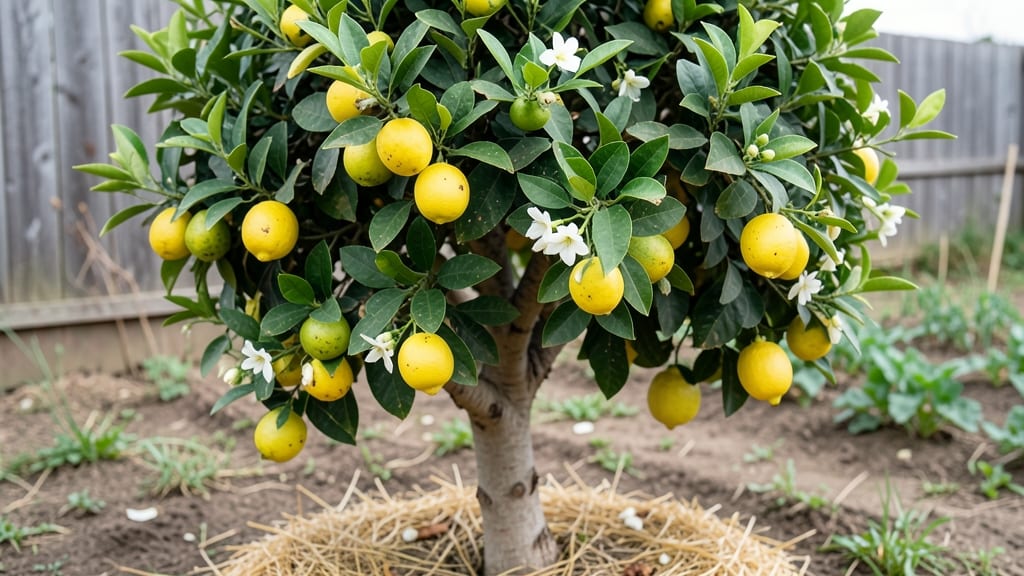
Growing a Persian lemon tree in the Pacific Northwest feels like defying the odds—until you see those first bright fruits dangling in winter. 🌿 I’ve wrestled with this citrus challenge for years, and now I’m sharing the exact tricks that let mine thrive where most give up.
The secret isn’t just heat lamps or greenhouses—it’s about mimicking the Mediterranean climate these trees crave, even in rainy Seattle.
Start with the right setup: a 10-gallon pot for indoor starters, well-draining soil (equal parts potting mix and perlite), and a south-facing window or grow lights for 12+ hours of light daily. Outdoor growers in milder microclimates can plant in containers and bring them inside before frost.
The key? Consistent warmth—keep temps above 55°F at all times, and you’ll avoid the dreaded leaf drop that plagues so many PNW attempts.
By summer, you’ll be harvesting bright, juicy lemons—though the first year might yield just a few. Prune in late winter to shape the tree and encourage fruiting, and fertilize monthly with citrus-specific food during growing season.
The payoff? Fresh lemons year-round, even when your neighbors are still dreaming of summer harvests.
Whether you’re a beginner with a sunny windowsill or a seasoned gardener with a greenhouse, this method adapts. Let’s get that tree fruiting—no matter where you live in the PNW.
📚 In This Guide
- What you need
- Instructions
- Tips and common mistakes
- Wrapping up and next steps
What you need
- ● Persian lemon tree: Choose between: Seedlings (from a nursery, ~$20–$50)
- ● Potted trees (3–5 gallons, ~$30–$80)
- ● Grafted varieties (for faster fruit, ~$50–$120)
- ● Well-draining potting mix: 5–10 gallons (avoid garden soil; opt for cactus/succulent mix or add perlite/pumice for aeration).
- ● Container (if not planting outdoors): Minimum 15–20 gallons (deeper than wide for root health).
- ● Drainage holes mandatory (use a tray underneath).
- ● Materials: Terracotta (breathable) or fabric grow bags (flexible roots).
- ● Fertilizer: Balanced 10-10-10 or citrus-specific fertilizer (e.g., Espoma Citrus-Tone).
- ● Slow-release granules (apply every 3–4 months).
- ● Pruning tools: Bypass pruners (sharp, sterilized)
- ● Loppers (for thicker branches)
- ● Garden shears (for shaping)
- ● Watering can or hose with gentle nozzle (avoid soggy soil).
- ● pH test kit (ideal range: 6.0–7.0; adjust with lime if needed).
- ○ Mulch (optional):Straw or bark chips to retain moisture (keep 2–3 inches away from trunk).
- ○ Grow lights (optional):LED full-spectrum bulbs (12–14 hrs/day in winter).
- ● Pest control: Neem oil spray (organic)
- ● Insecticidal soap (for aphids/spider mites)
- ● Sunlight: Minimum 6–8 hours of direct sun daily (south-facing window or greenhouse if indoors).
- ● Protection from frost: Move containers indoors (50°F+) or use a frost cloth.
- ● Outdoor planting: Wait until after last frost (Zone 7–9).
- ● Humidity: 40–60% (use a humidifier or pebble tray if air is dry).
Step-by-step instructions for growing a Persian lemon tree in the Pacific Northwest
Here’s how to cultivate a thriving Persian lemon tree—even in cooler climates—using proven techniques for year-round fruit production.
🪴 Step 1: Select the Right Container and Soil Mix
Choose a 5-gallon or larger container with drainage holes to accommodate the tree’s deep root system. I recommend a well-draining citrus potting mix blended with 20% perlite or pumice to prevent root rot—a common issue in PNW’s damp winters. Fill the pot to 1 inch below the rim and tap gently to settle the soil without compacting it.
Persian lemons thrive in slightly acidic to neutral soil (pH 6.0–7.0). Test your mix with a soil pH meter—if it’s too alkaline, amend with elemental sulfur to lower the pH. The goal is loose, airy soil that mimics the Mediterranean conditions these trees love.
☀️ Step 2: Position for Optimal Light and Temperature
Place your lemon tree in the sunniest spot possible, ideally near a south-facing window where it can receive 6–8 hours of direct light daily. In the PNW, winter sunlight is weaker, so supplement with a full-spectrum LED grow light positioned 12–18 inches above the tree for 12–14 hours per day during shorter days.
Keep temperatures between 65–85°F during the day and above 50°F at night. If your home dips below 55°F, move the tree away from drafty windows or use a small space heater (safely placed) to maintain warmth. Cold stress slows growth and can drop fruit prematurely.
💧 Step 3: Water and Fertilize for Consistent Fruit Production
Water when the top 2 inches of soil feel dry—about once every 5–7 days in summer and every 10–14 days in winter. Overwatering is the fastest way to kill a lemon tree, so always check moisture before adding more. Use room-temperature water to avoid shocking the roots, and empty the saucer after 15 minutes to prevent soggy soil.
Feed your tree every 4–6 weeks with a balanced citrus fertilizer (6-6-6 or 8-3-9) during spring and summer. In fall and winter, switch to a low-nitrogen, high-potassium fertilizer (3-1-5) to support fruit development. I also add 1 tablespoon of Epsom salt per gallon of water monthly to boost magnesium, which prevents yellowing leaves.
✂️ Step 4: Prune for Shape and Fruit Load
Prune in late winter or early spring before new growth begins. Remove dead, crossing, or crowded branches first, then thin out overly dense foliage to improve airflow. Cut just above an outward-facing bud to encourage an open canopy. Avoid heavy pruning—Persian lemons fruit on both old and new wood, so keep at least two-thirds of the tree’s structure intact.
If your tree bears too many small lemons, thin the fruit to 6–12 per branch in early summer. This ensures larger, sweeter lemons and prevents the tree from becoming overburdened. Use sterilized pruners and seal cuts with pruning sealant to prevent disease entry.
🌱 Step 5: Overwinter with Care to Protect Fruit
As temperatures drop below 50°F at night, move your lemon tree to a bright, unheated garage or sunroom if possible. If indoors, place it near a south-facing window and extend light with a grow lamp. Reduce watering to every 2–3 weeks and stop fertilizing until spring. Check for pests like scale or spider mites, which thrive in dry indoor air—treat with neem oil if needed.
Watch for fruit drop in winter—a natural process, but you can slow it by keeping humidity around 40–50% with a small pebble tray. Harvest lemons when they’re firm, yellow, and slightly soft to the touch—usually 6–12 months after flowering. Store ripe fruit in a cool, dark place to extend freshness.
Tips & tricks for growing a thriving Persian lemon tree
Here's what I've learned from years of growing Persian lemon trees in challenging climates—these tricks will help you avoid common pitfalls and maximize fruit production.
Soil Preparation Tip: When mixing your well-draining citrus potting blend, add a handful of orchid bark to improve aeration and water retention. This mimics the Mediterranean soil conditions these trees love while preventing the compacting that leads to root rot—a special concern in PNW's damp winters. I also recommend layering the perlite/pumice mixture at the bottom of your 5-gallon container to create a drainage reservoir that prevents soggy roots.
Lighting Strategy: For the critical 6-8 hours of direct light requirement, position your grow light on a timer if supplementing during winter. I've found that 14 hours of light daily during shorter days triggers consistent flowering—just make sure to place the light 12-18 inches above the tree to avoid burning leaves. A south-facing window is ideal, but if that's not possible, rotate your tree weekly for even growth.
Temperature Management: The 65-85°F daytime range is crucial for optimal growth, but maintaining above 50°F at night prevents fruit drop. I keep a small space heater near my tree during cold snaps, but always position it safely away from leaves. A simple trick: place a thermometer near the tree to monitor temperatures—this helps you adjust heat sources before problems occur.
Fertilization Hack: For the every 4-6 weeks feeding schedule, I mix my citrus fertilizer with 1 tablespoon of Epsom salt per gallon and apply it directly to the soil surface rather than pouring it into the saucer. This prevents salt buildup in the drainage tray while ensuring magnesium reaches the roots. In winter, I reduce to every 8-10 weeks with the low-nitrogen fertilizer to prevent overstimulation during dormancy.
Pro Tips for Persian Lemon Tree
- Here's what I've learned from years of growing Persian lemon trees in challenging climates—these tricks will help you avoid common pitfalls and maximize fruit production.
- Soil Preparation Tip: When mixing your well-draining citrus potting blend, add a handful of orchid bark to improve aeration and water retention.
- Lighting Strategy: For the critical 6-8 hours of direct light requirement, position your grow light on a timer if supplementing during winter.
Frequently asked questions
Got questions about growing a Persian lemon tree in the Pacific Northwest? You’re not alone! Here are answers to the most common concerns—from pruning to pests and beyond.
Can I grow a Persian lemon tree indoors in the PNW?
A yes! With the right setup, these trees thrive indoors year-round. Place them near a south-facing window for 6+ hours of sunlight daily, or supplement with a grow light. Keep temps between 60–75°F and use a well-draining potting mix to prevent root rot. Just expect smaller fruit—outdoor trees yield bigger, sweeter lemons!
When should I prune my Persian lemon tree?
Prune late winter or early spring (before new growth starts) to shape the tree and encourage fruit production. Avoid heavy pruning in fall—it stresses the tree before winter. Focus on removing dead wood, crossing branches, and suckers (shoots growing from the trunk). Use sterilized pruners and seal larger cuts with pruning paste to prevent disease.
What pests should I watch for with Persian lemon trees?
Common PNW pests include scale, spider mites, and aphids. Check leaves regularly for sticky residue (honeydew) or tiny webs. Treat early with neem oil or insecticidal soap. For soil-borne issues like root rot, ensure pots have drainage holes and avoid overwatering. Citrus trees are sensitive to fungus, so space them for airflow if growing outdoors.
How do I protect my Persian lemon tree in PNW winters?
These tropical trees need winter care to survive PNW’s chill. If outdoors, move potted trees to a garage or sheltered spot when temps drop below 30°F. For indoor trees, reduce watering and keep humidity up with a pebble tray. Never let them freeze—even brief cold snaps can kill the tree. Dwarf varieties handle indoor winters better than standard-sized trees.
Why isn’t my Persian lemon tree producing fruit?
Lack of fruit often stems from light, age, or pollination issues. Ensure your tree gets full sun (6+ hours daily) and is at least 3–5 years old. Hand-pollinate flowers with a soft brush if bees are scarce. Over-fertilizing with nitrogen (leafy growth) can delay fruiting—switch to a citrus-specific bloom booster in early spring. Patience helps too—some trees take 2–3 years to bear fruit!
What’s a good alternative if Persian lemons are too tricky?
If you love citrus but want lower-maintenance options, try Meyer lemons (hardier, sweeter) or calamondins (smaller, cold-tolerant). For non-citrus, fig trees or dwarf pomegranates thrive in PNW microclimates. All need well-draining soil and sun, but Meyer lemons are the closest "easy mode" for lemon lovers!
Wrapping up and next steps
Growing a Persian lemon tree in the Pacific Northwest is absolutely doable with the right care—especially when it comes to pruning! By following these steps, you’ll encourage a healthier, more productive tree that thrives year-round.
Remember, patience and consistency are key, and soon you’ll be enjoying fresh, tangy lemons straight from your own backyard. 🌿
Ready to take the next step? Start small—whether it’s pruning your first branch or sharing your newfound knowledge with fellow gardeners. Your green thumb is about to shine brighter than ever! 🌟