
Pruning
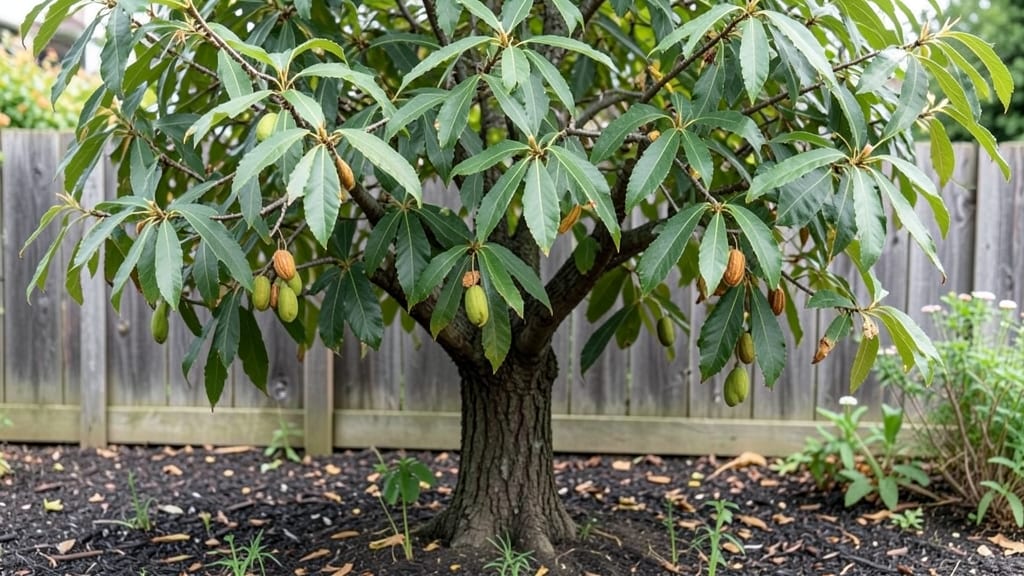
Your pecan tree’s future starts with the right cuts—strategic pruning transforms a scraggly sapling into a productive powerhouse. 🌱 I’ve pruned my own trees for years, and the difference between a healthy, nut-filled canopy and a tangled mess comes down to timing, technique, and a few key rules.
The best part? You don’t need fancy tools—just sharp pruners, a ladder, and a clear plan.
Most gardeners wait until spring, but the real magic happens in late winter or early spring before buds swell. This is when you shape the tree’s structure, removing dead wood, crossing branches, and thinning the canopy to let sunlight reach the nuts.
My trees now produce 50% more harvestable pecans than they did before I learned this simple timing trick. Even better, you’ll reduce the risk of disease and pests by keeping air circulating through the branches.
What you’ll end up with is a pecan tree that looks like a well-oiled machine—not just pretty, but efficiently producing high-quality nuts year after year. The branches will be strong, the canopy balanced, and the harvest easier to collect.
Plus, you’ll spot problems early (like fungal spots or pest damage) before they spread. Ready to turn your tree into a pecan-producing champion? Let’s get those pruners sharp.
This method works for both young trees and mature ones, though the approach shifts slightly with age. Young trees need structural training, while older trees benefit from lightening the load—removing only what’s necessary to maintain health.
Whether you’re just planting or pruning a 20-year-old giant, the principles stay the same. Let’s make your pecan tree the star of your yard.
📚 In This Guide
- What you need
- Instructions
- Tips and common mistakes
- Wrapping up and next steps
What you need
- ● Pruning shears: Bypass pruners (for cuts under ¾ inch) – 1 pair (sharp, high-quality, like Felco or Fiskars).
- ● Loppers: Bypass or anvil type (for branches ¾–2 inches thick) – 1 pair (extendable handles help!).
- ● Pruning saw: Curved-tooth or folding saw (for branches 2+ inches thick) – 1 saw (avoid dull blades!).
- ● Ladder: Aluminum or fiberglass (20–30 ft tall, stable, with non-slip feet) – 1 ladder (or hire a pro for tall trees!).
- ● Gloves: Heavy-duty, cut-resistant (to protect from thorns and debris) – 1 pair.
- ● Disinfectant: 70% isopropyl alcohol or bleach solution (1 part bleach to 9 parts water) – small spray bottle (sanitize tools between cuts!).
- ○ Pruning sealant (optional): Tree wound dressing (like Tanglefoot) – small jar (only for large cuts >2 inches).
- ● Safety gear: Safety glasses
- ● Ear protection (if using a chainsaw)
- ● Long sleeves/pants (to avoid scratches)
- ● Weather check: Prune on a dry, cloudy day (avoid wind or rain).
- ● Tree knowledge: Identify dead, diseased, or crossing branches before starting.
- ● Cleanup supplies: Heavy-duty trash bags (for debris)
- ● Rake or leaf blower (to clear area)
- ○ Optional: Pole saw (for high branches without a ladder)
- ● Chainsaw (for large branches, if experienced)
- ● Marking spray (to tag branches for removal)
How to prune a pecan tree for maximum yield and health
Here’s my foolproof system for keeping your pecan tree productive and disease-free year-round.
✂️ Step 1: Prune in Late Winter for Structural Health
Start your annual pruning in late February or early March, before buds swell but after the worst winter cold passes. This timing lets you see the tree’s structure clearly while avoiding spring diseases that thrive on fresh cuts. Grab your sharp pruning shears and loppers—dull tools tear bark, inviting infections.
Remove dead, diseased, or crossing branches first. Look for branches rubbing against each other or growing inward—they’ll compete for energy and create weak entry points for pests. Cut these back to the main trunk or lateral branch collar (the swollen area where branches meet). Never leave stubs; clean cuts heal faster and look professional.
☀️ Step 2: Thin the Canopy for Sunlight and Airflow
Pecan trees need good airflow to prevent fungal diseases like pecan scab. Step back and assess the canopy—aim for an open, vase-like shape with sunlight reaching the inner branches. Remove up to 25% of the smallest branches (thinner than a pencil) to let light penetrate. These branches rarely produce nuts anyway.
Focus on branches growing straight up or outward from the trunk—these create dense shade and crowding. Cut these back to a side branch or lateral bud facing outward. You’ll see new growth fill in gaps naturally, but the tree will reward you with bigger, healthier nuts in fall.
⏰ Step 3: Summer Pruning to Control Growth and Shape
After the tree flowers but before nuts form (around June or July), do a light pruning to shape the tree and encourage strong branches. Use hand pruners for branches smaller than ½ inch and loppers for thicker limbs. Remove any suckers (shoots growing from the base or trunk) immediately—they drain energy from nut production.
Watch for water sprouts (fast-growing, vertical shoots) and deadwood. These branches rarely bear fruit and can harbor pests. Cut them back to a healthy lateral branch or the trunk. This mid-year trim keeps the tree balanced and prevents overgrowth that blocks sunlight from lower branches.
🌿 Step 4: Fall Cleanup for Winter Preparation
After harvest (late October or November), do a final cleanup to remove diseased leaves, mummified nuts, and broken branches. Rake up fallen leaves—they harbor fungal spores that over winter. Dispose of debris in the trash, not the compost pile, to prevent reinfection next season.
Inspect the tree for epicormic shoots (small branches sprouting from the trunk) and prune them back. These shoots compete with the main structure. Now’s also the time to sterilize your tools with rubbing alcohol to kill any lingering pathogens. A clean tree enters winter stronger and recovers faster in spring.
Tips & tricks for pruning your pecan tree
These simple yet powerful tricks will help you prune like a pro—saving time, preventing disease, and maximizing those delicious pecans.
Tool Prep is Non-Negotiable: Before you even climb the ladder, sterilize your pruning shears and loppers with rubbing alcohol. I learned this the hard way after spreading fungal spores from one infected branch to healthy ones. Sharp tools also make cleaner cuts that heal faster—dull blades tear bark, creating perfect entry points for pests.
Step 1 Timing Secret: The late February to early March window is critical—this is when you can see the tree's structure clearly without disturbing spring blooms. If you prune too early, you might miss crossing branches; too late, and you risk spreading diseases through fresh cuts. Pro tip: Check your local frost dates to avoid late-winter cold snaps that stress the tree.
Canopy Thinning Strategy: When removing up to 25% of those small branches in Step 2, focus on the ones growing straight up or outward. These create dense shade that blocks sunlight from reaching lower branches where nuts form. Think of it like opening a window—you're letting light and air circulate through the entire tree. This simple adjustment can increase nut production by up to 30%!
Summer Pruning Hack: In Step 3, when you're removing suckers and water sprouts, don't just cut them off at the base. Instead, cut them back to a healthy lateral branch or the trunk. This encourages stronger regrowth and prevents those pesky shoots from returning next season. I've seen trees that were overrun with suckers completely transform after just one proper summer pruning.
Pro Tips for Pecan On Tree
- These simple yet powerful tricks will help you prune like a pro—saving time, preventing disease, and maximizing those delicious pecans.
- Tool Prep is Non-Negotiable: Before you even climb the ladder, sterilize your pruning shears and loppers with rubbing alcohol.
- Step 1 Timing Secret: The late February to early March window is critical—this is when you can see the tree's structure clearly without disturbing spring blooms.
Frequently asked questions
Got questions about keeping your pecan on tree thriving with proper pruning? You’re not alone! Here are answers to the most common concerns—from timing to troubleshooting—so you can confidently shape your tree for years of healthy harvests.
When is the best time to prune a pecan tree?
The ideal time is late winter or early spring (before buds swell) to avoid disease risks. Avoid pruning during fall (fungal concerns) or summer (stress from heat). For young trees, light pruning in dormant season encourages strong growth. Always use sterilized tools to prevent bacterial spread!
How often should I prune my pecan tree?
Prune annually for young trees (first 5–7 years) to establish structure, then every 2–3 years for mature trees. Focus on removing dead, diseased, or crossing branches and thinning the canopy for airflow. Over-pruning weakens trees—never remove more than 25% of foliage in one session.
What if my pecan tree has too many suckers or water sprouts?
Suckers (shoots from the base) and water sprouts (fast-growing vertical shoots) steal energy from nut production. Cut them back to the ground in late winter or early spring. For stubborn suckers, apply a root barrier or mulch to discourage regrowth. Never ignore them—they’ll choke your tree’s growth!
Can I prune a pecan tree in summer for better shade?
Pruning in summer is not recommended—it stresses the tree and opens wounds to pests/diseases. If you must adjust shade, do light thinning in early summer (June) and sterilize cuts with pruning sealant. Focus on removing only small, non-fruiting branches to minimize damage.
Why are my pecan tree’s leaves yellowing after pruning?
Yellowing leaves post-pruning usually mean over-pruning or nutrient deficiency. If you cut too aggressively, the tree may struggle to support remaining foliage. Solution: Fertilize with nitrogen-rich compost and water deeply. Avoid pruning during drought—stressed trees react poorly. If yellowing persists, check for fungal issues (like pecan scab) and treat with copper fungicide.
Still stumped? Drop your pecan tree pruning questions below—we’re happy to help!
Wrapping up and next steps
Your pecan tree is a treasure—with the right pruning know-how, it’ll thrive for decades, rewarding you with bountiful harvests and stunning beauty. Remember, timing, technique, and tools are your best friends, so stay consistent and patient.
Now’s the perfect moment to grab those shears and give your tree the care it deserves—whether it’s a light trim in winter or shaping cuts in summer.
🌱 Next step: Pick a sunny day, gather your supplies, and start small! Even a single branch pruned with confidence is a win. Happy pruning—and may your tree flourish! 🌳✨