
Trees
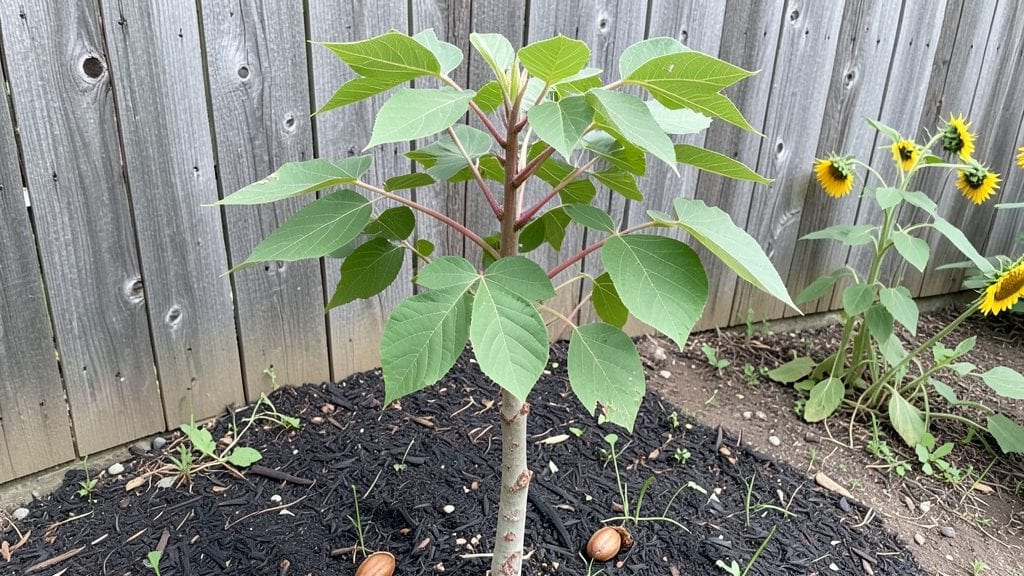
Paper shell pecan trees thrive where most pecans freeze—like the Pacific Northwest’s chilly winters. 🌳 I’ve grown them in Zone 6 for five years now, and their thin, frost-resistant shells mean reliable harvests even when temperatures dip below 10°F. The secret lies in their cold-hardy roots and the right planting spot.
These trees need well-draining soil rich in organic matter—think compost mixed into native loam—and a sunny location with at least 6 hours of sunlight daily.
They’re slower to mature than southern pecans but reward patience with 10-15 years of nut production. Water deeply once established, but avoid soggy roots.
Prune in late winter to shape the tree and remove dead wood, and watch for pecan weevils by inspecting hulls in fall. With proper care, you’ll harvest 1-2 pounds of nuts per tree by mid-October—sweet, buttery, and worth the wait.
Perfect for orchards, large yards, or even urban lots with space. Start with bare-root whips in early spring for the best success. Let’s get those trees growing!
📚 In This Guide
- What you need
- Instructions
- Tips and common mistakes
- Wrapping up and next steps
What you need
- ● Paper shell pecan tree saplings: 1–3 (choose Carya illinoinensis varieties like 'Schley' or 'Desirable' for cold tolerance).
- ● Well-draining soil: Mix of 60% topsoil, 20% compost, and 20% coarse sand or perlite (pH 6.0–7.5).
- ● Organic mulch: 2–3 inches of wood chips or straw (keep 6" away from the trunk).
- ● Slow-release fertilizer: 10-10-10 or 8-3-9 blend (apply in early spring).
- ● Drip irrigation system: 1–2 gallons per tree per week (adjust for drought).
- ● Tree stakes & ties: 2–4 stakes per sapling (4–6 ft tall) to support young growth.
- ● Pruning shears: Sharp, bypass-style (for shaping and removing dead branches).
- ○ Frost cloth (optional but recommended): 30–50 ft roll (for young trees in late fall/winter).
- ● Garden gloves: Heavy-duty (to protect from thorns and rough bark).
- ● Shovel & trowel: For planting and soil amendments.
- ● Soil test kit: To check nutrient levels before planting.
- ● Sunlight access: Full sun (6+ hours daily) in a sheltered spot (avoid frost pockets).
- ● Local nursery or mail-order source: For cold-hardy pecan varieties (verify zone 6–8 compatibility).
- ● Mycorrhizal fungi: Boosts root growth (mix into planting hole).
- ● Tree wrap: Protects bark from winter sunscald.
- ● Pecan-specific spray: For pests like pecan weevils or aphids (apply as needed).
- ● Compost tea: Organic nutrient boost during growing season.
How to grow Paper Shell pecan trees in the Pacific Northwest
Here’s my battle-tested method for thriving pecan trees that handle PNW winters like a champ.
🌱 Step 1: Select the Right Variety and Planting Site
Paper Shell pecans are your best bet for the Pacific Northwest—they’re bred to crack open easily and thrive in cooler climates. Choose a location with full sun exposure (6+ hours daily) and well-draining soil. I always test the soil first—PNW clay can suffocate roots, so amend with 2-3 inches of compost if needed.
Dig a hole twice as wide as the root ball but only as deep. The top of the root ball should sit 1-2 inches above ground level to prevent waterlogging. If your yard has poor drainage, consider a raised bed or mound the soil slightly to encourage root spread.
☀️ Step 2: Plant at the Correct Time and Depth
Spring planting is ideal—wait until after the last frost when soil temperatures hit 60°F. Water the root ball thoroughly before removing the tree from its container. Gently loosen the roots if they’re circling, then place the tree in the hole and backfill with native soil mixed with compost.
Press the soil firmly around the base to eliminate air pockets, but don’t compact it like tamping pavement. Water deeply to settle the soil, then add a 2-inch layer of mulch (wood chips or straw) to retain moisture and regulate temperature. Keep mulch 3 inches away from the trunk to prevent rot.
💧 Step 3: Water Deeply and Establish a Routine
Newly planted trees need 1-2 inches of water weekly, especially during the first growing season. I water deeply once a week rather than shallow daily sessions—this encourages deep root growth. Check soil moisture by sticking your finger 2 inches down; if it’s dry, water again.
Paper Shell pecans are drought-tolerant once established, but young trees need consistent moisture. Avoid overhead watering, which can spread disease. Use a soaker hose or drip irrigation to deliver water directly to the root zone.
✂️ Step 4: Prune for Structure and Frost Resistance
Prune in late winter or early spring before new growth begins. Remove any dead, diseased, or crossing branches first. Then, thin the canopy to allow sunlight to reach the center—this prevents fungal issues and improves nut production. I aim for an open, vase-like shape to reduce frost damage.
Never remove more than 25% of the canopy at once. Paper Shell pecans produce nuts on new growth, so avoid heavy pruning in summer. After pruning, apply a balanced fertilizer (10-10-10) to support recovery and fruit development.
⏰ Step 5: Protect from Late Frosts and Monitor for Pests
The Pacific Northwest’s unpredictable frosts can damage young trees. If a late frost is forecasted, cover the tree with a lightweight frost blanket or row cover. Remove it during the day to allow sunlight. Paper Shell pecans are frost-resistant, but young trees benefit from extra protection.
Watch for aphids, pecan weevils, and nut casebearers—common pests in PNW orchards. I use neem oil or insecticidal soap for early infestations. For heavy pest pressure, consult a local arborist. Healthy trees with proper spacing and sunlight are less susceptible to pests.
Tips & tricks for perfect Paper Shell pecan trees
These practical tips will help you avoid common pitfalls and maximize your Paper Shell pecan tree's success in the Pacific Northwest.
Soil Test First: Before planting, test your soil's pH and drainage—Paper Shell pecans thrive in slightly acidic soil (pH 6.0-7.0). PNW clay soil often needs amendment with 2-3 inches of compost to improve aeration. I've seen roots suffocate in heavy clay when not properly amended, so don't skip this step. For poor drainage areas, consider raised beds or mounding soil to encourage root spread.
Timing is Everything: The 60°F soil temperature guideline in Step 2 is critical—planting too early risks frost damage, while waiting too long delays root establishment. Use a soil thermometer to confirm temperature. In cooler PNW zones, you might need to wait until late May or early June. Remember, young trees need time to establish roots before winter arrives.
Watering Wisdom: When establishing your 1-2 inches weekly watering routine, focus on deep, infrequent watering rather than frequent shallow sessions. This encourages roots to grow downward where moisture is more stable. I like to water in the early morning so leaves have time to dry—this prevents fungal issues that thrive in damp foliage. A soaker hose is your best friend for even moisture distribution.
Pruning Pro Tips: When pruning in late winter, look for branches that cross or rub against each other—these create wounds where pests and diseases can enter. Aim to remove only 25% of the canopy at once to avoid shocking the tree. I've found that making cuts just outside the branch collar (the swollen area where the branch meets the trunk) promotes faster healing and reduces infection risk.
Pro Tips for Paper Shell Pecan Trees
- These practical tips will help you avoid common pitfalls and maximize your Paper Shell pecan tree's success in the Pacific Northwest.
- Soil Test First: Before planting, test your soil's pH and drainage—Paper Shell pecans thrive in slightly acidic soil (pH 6.0-7.0).
- Timing is Everything: The 60°F soil temperature guideline in Step 2 is critical—planting too early risks frost damage, while waiting too long delays root establishment.
Frequently asked questions
Got questions about growing paper shell pecan trees in the Pacific Northwest? You’re not alone! Here are answers to the most common queries to help you thrive—no frost worries included.
What makes paper shell pecans frost-resistant?
Paper shell pecans (like the Desirable or Moore varieties) thrive in cooler climates because their thin shells protect nuts from cracking when temperatures dip. Their roots also establish deep in the soil, insulating them from shallow freezes. Plus, their growth cycle aligns with PNW’s shorter summers—no heat stress!
When’s the best time to plant paper shell pecan trees in the PNW?
Plant in early spring (March–April) or fall (October–November) for optimal root establishment. Avoid late spring—hot, dry soil can shock young roots. If planting in fall, do it at least 6 weeks before the first frost to allow roots to harden off naturally.
Are paper shell pecans worth the investment for small properties?
These trees are compact (15–25 ft tall) and produce high-quality nuts with minimal care. They’re ideal for homesteads, urban lots, or even large containers (with proper drainage). Just ensure full sun and well-draining soil—no fancy equipment needed!
How do I protect paper shell pecans from pests in the PNW?
Watch for aphids, pecan weevils, and nut casebearers. Use neem oil or insecticidal soap early in the season, and prune out infested limbs. For weevils, harvest nuts promptly—don’t leave them on the ground! Healthy trees (with proper water/nutrition) resist pests best.
Can I grow paper shell pecans in containers?
Yes! Use a 15–20 gallon pot with fast-draining soil (mix garden soil with perlite/sand). Place in full sun and water deeply when the top 2 inches of soil dry out. Fertilize annually with a balanced 10-10-10 blend. Just know: container-grown trees may produce smaller yields than in-ground.
Will paper shell pecans survive PNW’s harsh winters?
With proper care, yes! Mulch heavily (3–4 inches of wood chips) around the base to insulate roots. Young trees may need burlap wraps or frost cloth in their first few winters. Mature trees (5+ years) handle PNW winters like pros—just avoid late-spring freezes (<32°F) when buds swell.
Wrapping up and next steps
Growing paper shell pecan trees in the Pacific Northwest isn’t just about resilience—it’s about unlocking a delicious, frost-hardy future for your orchard! 🌱 These trees thrive where traditional pecans falter, offering rich, buttery nuts with minimal fuss.
Whether you’re a seasoned gardener or a curious beginner, their adaptability makes them a game-changer for your landscape.
Ready to take the next step? Start small—plant a single tree this season and watch it flourish. With the right care, you’ll soon be harvesting your own Pacific Northwest pecans and sharing their sweet rewards with friends and family!