
Shrubs
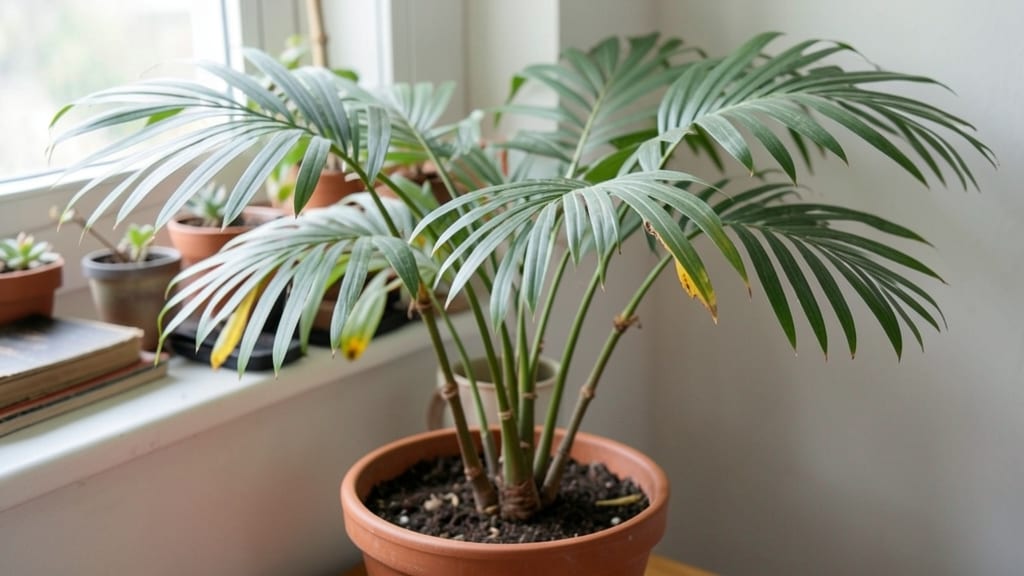
Cold-resistant palm tree shrubs bring tropical drama to Pacific Northwest gardens without the frost damage. ✨ I’ve designed my backyard around these architectural wonders, pairing them with shrubs that echo their vertical grace while thriving in cooler climates.
The secret lies in choosing palms like Windmill Palm or Dwarf Palmetto alongside shrubs such as Oregon Grape or Holly Fern—both cold-hardy and texturally complementary. These combos create layered interest while keeping maintenance simple. Just match heights, colors, and water needs for a cohesive look.
You’ll end up with a garden that feels like a coastal retreat, even in rainy seasons. The palms add height and drama, while shrubs soften the structure with lush foliage. Plus, the right pairings mean less pruning and more year-round beauty.
Works for urban balconies, large yards, or even container arrangements. Whether you want a bold statement or subtle tropical vibes, these pairings deliver. Let’s get designing!
📚 In This Guide
- What you need
- Instructions
- Tips and common mistakes
- Wrapping up and next steps
What you need
- ● Palm Tree Shrubs: 1–3 Chamaedorea elegans (Parlor Palm) or Dypsis lutescens (Areca Palm) – cold-hardy varieties (Zones 9–11, but some microclimates in PNW may work with protection).
- ● Young plants (3–5 ft tall) or mature shrubs (for instant impact).
- ● Planting Site: Sunny to partially shaded spot (6+ hours of light for optimal growth).
- ● Well-draining soil (amend with compost or peat moss if your soil is heavy clay).
- ● Windbreak (e.g., fence or taller shrubs) to protect from harsh PNW winds.
- ● Tools: Trowel or shovel for digging.
- ● Garden gloves (to protect your hands from thorns or rough bark).
- ● Watering can or hose with a gentle spray nozzle.
- ● Mulch: 2–3 inches of pine bark or wood chips to retain moisture and insulate roots in winter.
- ● Fertilizer: Slow-release palm-specific fertilizer (e.g., 8-2-12 NPK ratio) or organic options like fish emulsion.
- ● Burlap or frost cloth: For young plants in Zone 8 or colder (wrap around trunks in winter).
- ● Container: Large pot (15+ gallons) with drainage holes if planting in urban areas or rentals.
How to cultivate cold-hardy palm tree shrubs in the Pacific Northwest
Here’s my battle-tested approach to growing these architectural marvels—where form meets function in the coolest climate.
🌱 Step 1: Select the Right Varieties for Your Zone
Not all palms tolerate the Pacific Northwest’s chilly winters. Focus on cold-resistant species like Windmill Palm (Trachycarpus fortunei), Dwarf Palmetto (Sabal minor), or Chinese Windmill Palm (Trachycarpus wagnerianus), which handle 10-15°F without damage. Avoid tropical palms—they’ll crisp in a single freeze.
Check your USDA Hardiness Zone (most of the PNW falls in Zones 7-9). Windmill Palms thrive in Zone 6, making them the safest bet for inland areas. If you’re in a coastal zone, Dwarf Palmetto’s salt tolerance adds an extra layer of resilience.
🪴 Step 2: Plant in Well-Draining Soil with Sheltered Exposure
Palm shrubs despise soggy roots. Amend native soil with 30% coarse sand or gravel to improve drainage—this prevents root rot, their #1 killer. I dig a hole twice as wide as the root ball but only as deep to avoid burying the trunk, which invites disease.
Site them where they’ll get morning sun and afternoon shade. A south-facing wall or fence acts as a windbreak, protecting fronds from winter desiccation. In exposed areas, use burlap windbreaks during the first winter to help them establish.
☀️ Step 3: Water Deeply but Infrequently After Establishment
Newly planted palms need 1-2 gallons of water per week for the first year, but mature shrubs thrive on drought-like conditions. Water deeply—6 inches into the soil—every 10-14 days unless your summer is scorching. Overwatering suffocates roots in our rainy climate.
Watch for yellowing fronds—this often signals overwatering, not underwatering. Palm leaves naturally brown at the tips in winter, but if the entire frond turns yellow, you’re likely drowning the roots. Adjust your watering schedule immediately.
✂️ Step 4: Prune Only Dead or Damaged Fronds—Never Overdo It
Palms are slow to recover from aggressive pruning. Remove only brown, dry, or torn fronds using clean, sharp shears. Cut 1 inch above the point where the frond meets the trunk—never leave stubs, which invite rot. I prune in late winter before new growth begins.
If a frond is only partially damaged, leave it. The plant uses it to photosynthesize until it naturally dies back. Over-pruning weakens the shrub’s ability to handle winter stress. Real talk: I’ve seen gardeners hack off half the fronds in spring—don’t be that person.
⏰ Step 5: Protect Young Plants Through First Winter
For the first two winters, wrap the trunk of young palms in burlap or frost cloth to shield them from below 20°F temperatures. Remove the wrap in early spring once the threat of frost has passed. Mulch the base with 3 inches of wood chips to insulate roots.
Mature palms rarely need protection, but if a hard freeze (10°F or lower) is forecast, drape a lightweight blanket over the fronds and secure it with stakes. Never use plastic—it traps moisture and causes rot. After the freeze, remove the blanket during the day to let the plant dry out.
Tips & tricks for cultivating cold-hardy palm shrubs
Cold-hardy palms demand precision in care—here’s how to avoid common pitfalls and maximize their resilience in the Pacific Northwest’s challenging climate.
Variety Selection Matters: When choosing between Windmill Palms, Dwarf Palmetto, or Chinese Windmill Palms, consider your specific microclimate. Windmill Palms excel in inland Zone 6 areas where temperatures can dip to 10-15°F, while coastal gardeners should opt for Dwarf Palmetto’s salt tolerance. I’ve seen firsthand how a poorly chosen variety can struggle in just one harsh winter—don’t make that mistake.
Soil Prep is Non-Negotiable: The 30% coarse sand amendment in Step 2 isn’t just recommended—it’s essential. I’ve watched soggy soil turn a thriving palm into a root-rot victim within months. Test your soil’s drainage by digging a 1-foot hole and filling it with water—if it doesn’t drain completely within 6 hours, amend further. For container growing, use a mix of 60% potting soil and 40% perlite for optimal drainage.
Winter Protection Strategy: That burlap wrap mentioned in Step 5 isn’t just for show—it’s a game-changer for first-year palms. I’ve seen young palms survive 10°F temperatures with proper wrapping when unprotected specimens crisped. Remove the wrap immediately after frost threat passes to prevent moisture buildup. For mature palms, a lightweight blanket becomes crucial when forecasts predict 10°F or lower—don’t wait until the freeze hits to act.
Pruning Precision: The 1-inch rule above the trunk connection in Step 4 is critical—any closer and you risk rot, any farther and you create unsightly stubs. Use pruning shears sterilized with rubbing alcohol between cuts to prevent disease spread. I’ve seen gardeners struggle with stubborn fronds by using dull tools—always keep your shears sharp and clean. And remember: partial damage means leave it be—palms photosynthesize through damaged fronds until they naturally die back.
Pro Tips for Palm Tree Shrubs
- Cold-hardy palms demand precision in care—here’s how to avoid common pitfalls and maximize their resilience in the Pacific Northwest’s challenging climate.
- Variety Selection Matters: When choosing between Windmill Palms, Dwarf Palmetto, or Chinese Windmill Palms, consider your specific microclimate.
- Soil Prep is Non-Negotiable: The 30% coarse sand amendment in Step 2 isn’t just recommended—it’s essential.
Frequently asked questions
Got questions about growing palm tree shrubs in the Pacific Northwest?
You’re not alone! Here are answers to the most common queries—from hardiness to care—so you can confidently add these tropical-looking beauties to your landscape.
Can palm tree shrubs really survive PNW winters?
Yes! While they’re not true palms, Dracaena marginata (Dragon Tree) and Cordyline australis (Cabbage Tree) are cold-hardy shrubs that tolerate temperatures down to 15–20°F. Just protect young plants with mulch or burlap wraps in harsh freezes. Pro tip: Plant in sheltered spots away from wind.
How long does it take for palm tree shrubs to mature?
Most grow 6–12 inches per year, reaching full height (10–20 ft) in 5–10 years, depending on species. Dwarf varieties like Dracaena ‘Colorama’ mature faster (3–5 years). Patience pays off—these shrubs reward slow growth with striking, vertical drama!
What’s the best alternative if my soil drains poorly?
If your soil is heavy clay, opt for Cordyline ‘Red Star’—it thrives in well-draining but moist conditions. For waterlogged spots, amend soil with compost + perlite (50/50 mix) or plant in raised beds. Dracaena species also tolerate slightly drier soil once established. Warning: Never let roots sit in soggy soil.
Why are my palm tree shrub leaves turning yellow?
Yellowing leaves usually signal overwatering or nutrient deficiency. Check soil moisture—these shrubs prefer dry spells between waterings. Feed with a balanced fertilizer (10-10-10) in spring. If only lower leaves yellow, it’s natural aging; prune them to encourage new growth. Fun fact: Brown tips? It’s likely fluoride sensitivity from tap water—use rainwater instead.
Can I propagate palm tree shrubs from cuttings?
Take 4–6 inch tip cuttings in spring/summer, dip in rooting hormone, and plant in moist perlite/sand. Keep humidity high (use a plastic bag) and place in bright, indirect light. Roots form in 4–8 weeks. Pro tip: Bottom heat (like a heating mat) speeds up rooting!
Wrapping up and next steps
Incorporating palm tree shrubs into your Pacific Northwest garden is a fantastic way to bring tropical flair while embracing cold-resistant beauty. These versatile plants thrive in diverse conditions, offering year-round interest with minimal fuss.
Whether you're a seasoned gardener or just starting out, their adaptability makes them an easy and rewarding choice.
Ready to transform your outdoor space? Start small—plant one or two as statement pieces, or go big with a full border! 🌿💚 With the right care, your palm tree shrubs will flourish, turning your garden into a lush, tropical-inspired oasis. Happy planting!