
Pruning
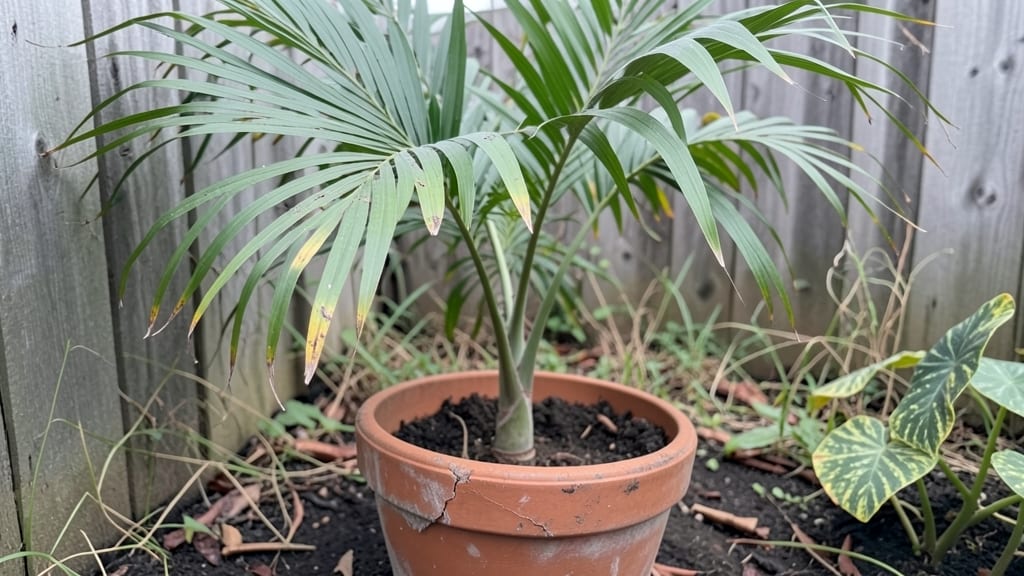
Keeping your palm tree short isn’t about stunting its growth—it’s about shaping it for health, safety, and that perfect mini-palm look. ✂️ I’ve pruned everything from Pygmy Date Palms to Dwarf Palmettos, and the key is timing: a little maintenance now means fewer dramatic cuts later.
The right cuts encourage fuller fronds and prevent those awkward, lopsided shapes that make palms look like they’re in a wind tunnel.
You only need four types of cuts—and none of them require a chainsaw. Start with dead frond removal (the brown, crispy ones that look like they’ve been through a blender). Then, trim yellowing fronds at the base before they turn into a nutrient drain.
For overcrowded fronds, make clean cuts just above a joint to open up airflow. Finally, shape cuts let you guide growth upward or outward, depending on your palm’s natural habit.
Most of these take less than 15 minutes per tree, and you can do them year-round—just avoid heavy pruning during heatwaves.
What you’ll end up with is a palm that looks intentional, not neglected. Fronds stay vibrant, new growth fills in gaps, and you avoid the "broomstick" look that happens when palms get too leggy.
Even indoor palms (like Kentia or Areca) respond well to this method—just use sharper tools and clean cuts to prevent ragged edges. The best part? Your palm will thank you with healthier roots and fewer pests, since good airflow keeps things dry and happy.
Works for outdoor palms in zones 8-11 and indoor palms in any climate—just adjust watering after pruning. Overwatering stressed palms is a fast track to root rot, so let the soil dry out slightly before watering again. Here’s how to do it right the first time.
📚 In This Guide
- What you need
- Instructions
- Tips and common mistakes
- Wrapping up and next steps
What you need
- ● Pruning shears: Bypass pruners (sharp, clean, and sterilized with rubbing alcohol or bleach solution). Size: 6–8 inches for small fronds; 10+ inches for larger palms.
- ● Loppers: For thicker fronds or branches (16–24 inches). Note: Avoid bolt cutters—they crush instead of cleanly cutting.
- ○ Extension pole: 6–10 feet long with a saw attachment (for high fronds). Optional but handy: Telescoping pole for flexibility.
- ● Heavy-duty gloves: Cut-resistant (e.g., Mechanix or Tiger Claw) to protect from sharp fronds and sap.
- ● Disposable pruning bags: 3–5 gallon size (for debris collection). Pro tip: Line with trash bags for easy cleanup!
- ● Ladder: Sturdy, non-slip (8–12 feet tall). Safety first: Use a ladder stabilizer or have a helper hold it.
- ● Pruning sealant: (e.g., Tanglefoot Tree Wound Pruning Seal) for cuts larger than ½ inch in diameter.
- ● Safety gear: Goggles (to shield from debris), long sleeves/pants, and closed-toe shoes.
- ● Hose or spray bottle: To rinse down the tree post-pruning and deter pests.
- ● Disinfectant wipes: For sterilizing tools between cuts (prevents disease spread).
- ● Camera or phone: Snap before/after pics to track your palm’s progress! 📸
- ● Fertilizer (balanced, palm-specific): Apply 4–6 weeks after pruning to boost recovery.
Step-by-Step instructions for palm tree short pruning
Here's how to keep your palm tree healthy with minimal effort—just four precise cuts.
✂️ Step 1: Identify Dead or Diseased Fronds
Start by examining your palm tree from the base upward. Look for fronds that are completely brown, brittle, or hanging limply—these are dead and need removal. Healthy fronds have vibrant green color and firm texture. I always start with the oldest, lowest fronds first, as they're often the most neglected.
Use a clean, sharp pruning saw or loppers to make your first cut. The goal is to remove the entire frond down to the trunk, but avoid cutting into healthy tissue. You'll know you're in the right spot when you see the clean, green base of the trunk emerge. Don't rush—take your time to ensure you're only removing what's truly dead or diseased.
✂️ Step 2: Trim Overly Long or Crowded Fronds
Next, focus on fronds that are still alive but either too long or crowding the center of the palm. These often appear yellowing at the tips or have brown, dried-out sections along the rachis. Use your pruning saw to make clean cuts about 6-12 inches from the base of the frond, depending on how much length you need to remove.
Here's the thing—you don't want to remove more than one-third of the palm's fronds at a time. This ensures the tree can still photosynthesize enough to support itself. If you're unsure, err on the side of caution and leave a little more than you think you should. You can always trim more later if needed.
✂️ Step 3: Remove Flower Spikes After Blooming
If your palm tree has flower spikes (also called inflorescences), they'll typically appear as long, arching stems with small, yellowish flowers. Once the flowers have bloomed and the spike turns brown and dry, it's time to remove it. Use your pruning saw to cut the spike off at its base, where it meets the trunk.
This step is often overlooked, but removing spent flower spikes helps redirect the palm's energy back into new frond growth. You'll notice within a few weeks that new fronds emerge with more vigor. Just be patient—some palms take up to 6-8 weeks to show new growth after pruning.
✂️ Step 4: Clean Up and Apply Protective Measures
After making your cuts, it's time to clean up. Remove all debris from the base of the palm and surrounding area to prevent pests or disease from taking hold. I like to use a stiff broom to sweep away fallen fronds and a hose to rinse the trunk and remaining fronds. This also gives you a chance to inspect the tree for any signs of pests or disease.
Finally, apply a 1-inch layer of mulch around the base of the palm (but not touching the trunk) to retain moisture and suppress weeds. This is especially important if you've done a lot of pruning, as the tree will need extra care to recover. Water deeply after pruning to help the tree adjust to its new shape and encourage healthy regrowth.
Tips & tricks for perfect palm tree short pruning
Here's what I've learned after pruning dozens of palm trees—these simple tricks make all the difference in keeping your tree healthy and beautiful.
Timing is Everything: The best time to prune is during the tree's active growing season, which varies by species but typically falls between late spring and early summer. Avoid pruning in winter when the tree is dormant, as this can stress it unnecessarily. For tropical palms, you can prune year-round, but always choose a mild day to minimize shock. Remember, the 6-8 week recovery period mentioned in Step 3 gives you a clear window for when to tackle this task.
Equipment Matters: Using a clean, sharp pruning saw or loppers is non-negotiable—dull tools crush fibers and tear tissue, making cuts heal poorly. I always disinfect my tools with rubbing alcohol between cuts to prevent disease spread. For larger palms, consider renting a pole saw with an extension handle to reach higher fronds safely. And don't forget safety goggles—palm fronds can whip unexpectedly when you cut them!
Visual Cues for Healthy Cuts: When removing fronds in Step 1, look for the clean transition point where the frond meets the trunk. This is where the frond naturally detaches—it's usually visible as a slight groove or color change. In Step 2, make your 6-12 inch cuts at a slight angle to prevent water from pooling on the cut surface, which can lead to rot. For flower spikes in Step 3, cut as close to the trunk as possible without damaging the surrounding tissue.
Seasonal Considerations: If you notice yellowing or browning fronds in winter, these are likely just dormant and don't need immediate removal. Wait until spring to prune them. For newly planted palms, hold off on pruning for at least 6 months to give the tree time to establish its root system. The one-third rule from Step 2 becomes even more critical for young palms—never remove more than one-third of their fronds in any single pruning session.
Pro Tips for Palm Tree Short
- Here's what I've learned after pruning dozens of palm trees—these simple tricks make all the difference in keeping your tree healthy and beautiful.
- Timing is Everything: The best time to prune is during the tree's active growing season, which varies by species but typically falls between late spring and early summer.
- Equipment Matters: Using a clean, sharp pruning saw or loppers is non-negotiable—dull tools crush fibers and tear tissue, making cuts heal poorly.
Frequently asked questions
Got questions about keeping your palm trees healthy with short pruning? You’re not alone! Here are some of the most common queries—plus quick, expert-backed answers to help you trim with confidence.
How often should I prune my palm tree short?
For most palm species, short pruning (removing fronds and dead leaves) should happen 2–4 times per year. Focus on removing only brown, yellow, or hanging fronds—never more than ⅓ of the tree’s foliage at once. Over-pruning stresses palms, so timing matters! Aim for spring and early summer when growth is active.
Can I prune my palm tree in winter?
Winter pruning is risky—palms are dormant, and cold weather slows healing. If you must prune in winter, do it on a mild day (above 50°F/10°C) and avoid heavy cuts. Focus on dead or diseased fronds only. Spring is always the safest bet for most climates.
What tools do I need for short pruning?
You’ll need:
- Pruning shears or loppers (for small fronds)
- Pole pruners (for tall palms—safety first!)
- Heavy-duty gloves (palm fronds have sharp spines!)
- Disinfectant (70% rubbing alcohol to clean tools between cuts)
- Ladder or lift (if your palm is over 10 feet tall)
What if my palm tree has no fronds left?
If your palm is completely bare, it’s likely too late—the trunk is exposed, and the tree may not recover. However, if it’s just shedding old fronds (common in some species like Cocos nucifera), it’s normal! Focus on preventative pruning next time to avoid this. For severely damaged palms, consult an arborist.
Can I use a chainsaw for palm tree pruning?
Chainsaws are overkill for short pruning and can cause unnecessary damage to the trunk or healthy fronds. They’re better suited for large-scale removal (e.g., storm-damaged palms) or thick trunks. For routine maintenance, stick to pole pruners or loppers—they give you more control and reduce risk.
What should I do if my palm tree starts bleeding sap after pruning?
Sap bleeding is normal for the first few days after pruning—it’s the tree’s way of sealing wounds. To help:
- Apply pruning sealant (optional, but can speed healing)
- Avoid pruning during rain or high humidity (keeps cuts dry)
- Monitor for oozing or foul-smelling sap (sign of infection—clean the cut and treat with fungicide if needed)
Wrapping up and next steps
Pruning your palm tree short isn’t just about aesthetics—it’s a year-round investment in its health and vitality! 🌿 With just four simple cuts, you can boost airflow, prevent disease, and encourage lush new growth.
Whether you’re a seasoned gardener or a curious beginner, these easy steps make palm care effortless and rewarding.
Ready to give your palm tree the TLC it deserves? Grab your tools, follow the guide, and watch your tropical beauty thrive! Next up: Schedule your first pruning session—your palm will thank you with vibrant, happy foliage all year long. 🌴✨