
Pruning
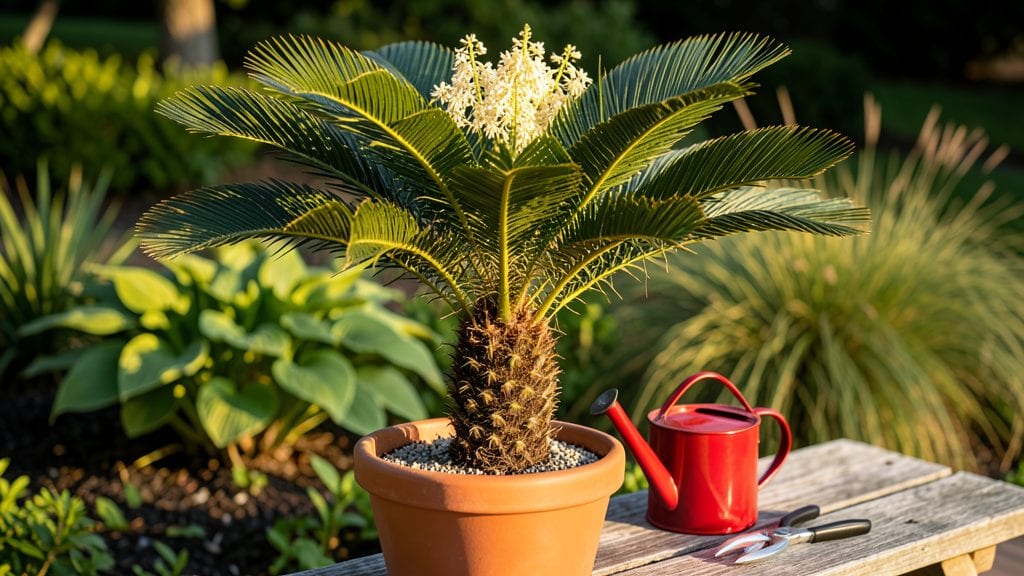
Mastering palm tree care and maintenance isn’t just about occasional pruning—it’s about understanding their unique needs, from the sandy soil they crave to the precise watering that keeps their fronds lush. 🌴 I’ve learned the hard way that palms don’t tolerate neglect; they reward attention with vibrant growth that turns heads in any landscape.
The key lies in matching your approach to the season, whether you’re battling summer heat or protecting roots from winter chill.
Start with the basics: well-draining soil, the right amount of water (never soggy), and seasonal trimming that removes dead fronds before they become pests. My first palm nearly died from overwatering—now I check soil moisture like clockwork.
For outdoor palms, mulch helps retain moisture while protecting roots, and indoor varieties need bright, indirect light to thrive. The payoff? A palm that stays healthy, productive, and stunning for decades.
What makes this care routine work isn’t complexity—it’s consistency. Prune at the right time (spring for most varieties), fertilize lightly during growing seasons, and watch for pests like spider mites or palm weevils.
I’ve seen palms bounce back from neglect, but the ones that thrive get regular check-ins, just like any prized plant. Whether you’re a first-time grower or a seasoned enthusiast, these steps keep your palm looking its best.
Adapt the approach to your climate: coastal palms handle salt spray, desert varieties need less water, and indoor palms may need supplemental humidity. The principles stay the same—just tweak the details. Ready to give your palm the care it deserves? Let’s break it down step by step.
📚 In This Guide
- What you need
- Instructions
- Tips and common mistakes
- Wrapping up and next steps
What you need
- ● Pruning shears or loppers: Sharp, bypass-style (for clean cuts), 6–10" blades. (1–2 pairs)
- ● Pole saw or extendable pruner: 8–12 ft. reach for tall palms. (1)
- ● Heavy-duty gloves: Cut-resistant, gardening-grade (e.g., Mechanix or Fox River). (1–2 pairs)
- ● Disinfectant (70% isopropyl alcohol or bleach solution): 1:9 bleach-water ratio for tool sterilization. (1 bottle)
- ● Sealing wax or pruning sealant: For cuts >1" in diameter. (1 small tub)
- ● Ladder or lift: Sturdy, extension ladder (20–30 ft.) or hydraulic lift for mature palms. (1)
- ● Heavy-duty trash bags: 30–50 gallon for debris. (2–3 bags)
- ● Safety gear: Goggles, long sleeves, and closed-toe shoes. (1 set)
- ● Fertilizer (palm-specific): Slow-release, balanced NPK (8-2-12) with micronutrients. (1 bag)
- ● Soil pH tester: To check acidity (ideal: 5.5–6.5). (1 kit)
- ● Hose with nozzle: For post-trim hydration. (1)
- ● String or flagging tape: To mark cuts for future reference. (1 roll)
Step-by-Step palm tree care: year-round health and seasonal trimming
Here’s how I keep my palms thriving through every season with simple, effective routines.
🌿 Step 1: Water Deeply but Infrequently
Palms hate soggy roots, so I water only when the top 6 inches of soil feel completely dry. Stick your finger in—if it’s dry at 2 inches, it’s time. I use a hose with a gentle setting to soak the root zone thoroughly, then let excess drain away. This mimics their natural drought-resistant habits.
Young palms need watering every 5-7 days in hot weather, while mature palms often go 2-3 weeks without water. Overwatering is the #1 killer—yellowing fronds are a red flag. If you see them, cut back immediately and let the soil dry out.
☀️ Step 2: Provide the Right Light and Airflow
Most palms thrive in full sun to partial shade—at least 6 hours of direct light daily. I place mine where they get morning sun and afternoon shade if temperatures exceed 90°F. Without enough light, fronds grow weak and pale.
Airflow is just as critical. I avoid crowding palms too closely—10-15 feet apart—to prevent humidity buildup, which invites fungal diseases. A gentle breeze helps dry fronds faster after rain, reducing rot risk. If your palm’s fronds stay damp for days, move it to a sunnier, breezier spot.
✂️ Step 3: Trim Dead Fronds Seasonally
I trim dead or brown fronds in late winter or early spring—before new growth begins. Use sharp, sterilized pruners to cut the frond off at the base where it meets the trunk. Never leave stubs—this prevents disease.
For yellow fronds, wait until they’re completely brown before removing. Healthy fronds should be bright green with no brown edges. If you see black spots or mold, that’s a sign of overwatering or poor airflow. Remove affected fronds immediately and adjust your care routine.
🪴 Step 4: Fertilize Lightly in Growing Season
I fertilize only in spring and summer—never in winter. Use a balanced, slow-release fertilizer (like 8-8-8) at half the recommended strength. Overdoing it burns roots and causes fronds to yellow. Water the soil well before and after applying.
Watch for salt buildup—white crust on the soil surface means you’re over-fertilizing. If you see this, flush the soil with water to rinse away excess salts. Palms in containers need more frequent feeding (every 2 months), while those in the ground can go 3-4 months*—**just check the soil first.
⏰ Step 5: Protect Against Pests and Cold Snaps
I inspect my palms monthly for pests like spider mites or scale. Wipe fronds with a damp cloth and insecticidal soap if needed. For cold snaps (below 30°F), I wrap the trunk with burlap and cover with a frost blanket. Most palms die back in frost but regrow from the base.
If your palm shows signs of stress—like drooping fronds or blackened tips—check for pests first. A hose spray can knock off mites, but stubborn infestations need targeted treatment. Never ignore cold damage; prune dead areas promptly to encourage new growth.
Tips & tricks for perfect palm tree care
Here's what I've learned after years of keeping my palms lush and healthy—simple secrets that make all the difference.
Soil Test Tip: Before you water again, always do the finger test at the 2-inch mark in Step 1. I've ruined palms by guessing—especially in rainy seasons when soil stays damp longer. If your finger comes out clean at 2 inches, wait another day. The top 6 inches being dry is your goal, but checking deeper prevents overwatering.
Light Placement Strategy: For that crucial 6 hours of direct light from Step 2, I recommend positioning your palm where it gets morning sun and afternoon shade. If you notice fronds turning pale or stretching toward light, it's getting too little sun. Conversely, if edges brown quickly, it's getting too much afternoon heat—especially when temps exceed 90°F. Move it gradually to adjust.
Pruning Precision: When trimming dead fronds in Step 3, I always use a clean, sharp pruner and make the cut at the base where the frond meets the trunk. The key is to cut cleanly without leaving stubs—this prevents disease from entering the wound. For stubborn brown fronds, I wait until they're completely dry and brittle before cutting, usually by late winter when new growth begins.
Fertilizer Timing: The spring and summer feeding window in Step 4 is non-negotiable for me. I actually mark my calendar for the first feeding in early April and the last in late August. For container palms that need feeding every 2 months, I set reminders on my phone. Never fertilize in winter—palms go dormant and can't process nutrients, leading to salt buildup and yellowing.
Pro Tips for Palm Tree Care And Maintenance
- Here's what I've learned after years of keeping my palms lush and healthy—simple secrets that make all the difference.
- Soil Test Tip: Before you water again, always do the finger test at the 2-inch mark in Step 1.
- Light Placement Strategy: For that crucial 6 hours of direct light from Step 2, I recommend positioning your palm where it gets morning sun and afternoon shade.
Frequently asked questions
about palm tree care and maintenance—because even the most experienced gardeners need a little clarity! Here are some common queries to help you keep your palms thriving.How often should I prune my palm tree?
Prune your palm tree only when necessary, typically every 2–5 years, depending on growth rate and health. Remove dead fronds (brown, dry leaves) as they appear, and trim yellowing fronds to prevent pests. Avoid over-pruning—never remove more than 1/3 of the fronds at once, as this stresses the tree.
Can palm trees survive winter? How do I protect them?
Most palm trees thrive in warm climates, but cold-hardy varieties (like Sabal palmetto or Trachycarpus fortunei) tolerate light frost. To protect delicate palms, mulch the base, cover with burlap, or wrap the trunk in insulating material. Avoid watering before a freeze—wet fronds can crack from ice!
What are the signs of palm tree pests or diseases, and how do I treat them?
Watch for yellowing fronds (nutrient deficiency or fungal issues), blackened tips (thrips or scale insects), or sawdust-like frass (palm weevil larvae). Treat pests with neem oil or insecticidal soap. For diseases like bud rot, remove infected fronds and improve drainage. Prevention is key!
How much water does a palm tree need?
Young palms need weekly watering (1–2 inches per week), while mature palms thrive with deep, infrequent watering (every 2–4 weeks). Overwatering is worse than underwatering—check soil moisture by digging 2 inches down. Drainage is critical! Plant in well-draining soil and avoid soggy spots.
Can I grow a palm tree in a pot? What’s the best container size?
Yes! Dwarf palms (like Pyramid or Parlor palms) do well in pots, but larger varieties need at least 18–24 inches of depth and drainage holes. Use a lightweight potting mix with perlite or sand. Repot every 2–3 years to prevent root binding. Move pots indoors if temperatures drop below 40°F!
Is it safe to prune palm trees myself, or should I hire a professional?
Small palms or minor trims (dead fronds) are DIY-friendly with the right tools. However, large palms or fronds over 15 feet tall require a pro—falling fronds can cause injury. If climbing isn’t an option, hire an ISPA-certified arborist for safety and precision.
Wrapping up and next steps
Caring for your palm tree is all about consistency, patience, and seasonal attention—whether you’re pruning dead fronds, fertilizing for growth, or protecting against pests. With the right tools, techniques, and a little love, your palm can thrive year-round and become a stunning centerpiece in your landscape. 🌴✨
Ready to take the next step? Schedule a trim now or grab your gloves and tackle that overgrown frond today—your palm (and your curb appeal) will thank you!