
Trees
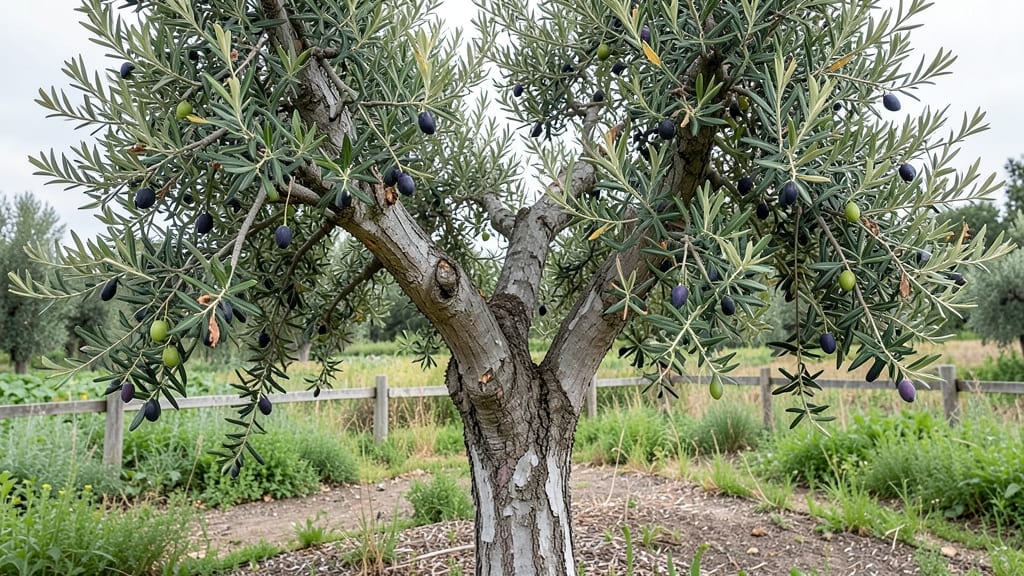
Growing olive trees in the Pacific Northwest means defying frost with the right zone choices and protective tricks. 🌿 I learned the hard way that standard olive varieties won’t survive our winters—but with careful selection and microclimates, you can grow these Mediterranean beauties even in colder climates.
The key is choosing varieties bred for resilience, like the Arbequina or Frantoio, which handle temperatures down to 15°F with proper protection.
Most olives thrive in USDA zones 8-10, but with mulching, windbreaks, and container growing, you can push them into zone 7—just like I’ve done in my Seattle garden.
You’ll end up with a tree that produces glossy leaves year-round and—with patience—delicious fruit. The secret is mimicking the Mediterranean climate: shelter from cold winds, extra mulch in winter, and a sunny spot that soaks up heat during the day.
This method works for coastal areas, urban microclimates, or even large containers moved indoors during freezes. Let’s get those olives growing where you live!
📚 In This Guide
- What you need
- Instructions
- Tips and common mistakes
- Wrapping up and next steps
What you need
- ○ Olive tree varieties: Choose cold-hardy cultivars like Arbequina, Frantoio, or Leccino (USDA Zones 7-9). Optional: Mission (Zone 8+) for larger harvests.
- ● 5-gallon containers or nursery pots: 1-2 per tree (if starting young) with drainage holes.
- ● Well-draining soil mix: 50% potting soil + 30% perlite + 20% coarse sand (sterilized). Pro tip: Add 1 cup of compost per 5 gallons for nutrients!
- ● Slow-release fertilizer: 10-10-10 or olive-specific blend (apply at planting + spring).
- ● Mulch: 2-3 inches of wood chips or straw (avoid pine bark—it’s acidic!).
- ● Garden trowel or spade: For digging and transplanting.
- ● Pruning shears: Sharp, sterilized pair (size 1-2 for small branches).
- ● Watering can or drip irrigation: 1-2 gallons capacity (olives hate soggy roots!).
- ● pH test kit: Aim for 6.0–7.5 (olives prefer slightly acidic to neutral soil).
- ○ Thermometer: Optional but helpful for tracking frost warnings (Zone 7+ growers, take notes!).
- ● Sunny spot: 6+ hours of direct sunlight daily (south-facing is ideal in PNW).
- ● Frost protection plan: Burlap wraps or frost cloth (for young trees in Zones 7-8).
- ○ String lights or heat lamps (optional for extreme cold snaps).
- ● Water source: Drought-tolerant once established, but deep water 2x/week for the first year.
- ● Patience: Olives take 3–5 years to bear fruit—think long-term Mediterranean vibes! 🌿
Step-by-step guide for growing frost-resistant olive trees in the Pacific Northwest
Here's how to cultivate olives successfully in cold climates with proven techniques.
🌱 Step 1: Select the Right Cold-Hardy Olive Variety
Not all olives tolerate frost equally. Choose varieties bred for cold climates like Arbequina (hardy to 15°F) or Frantoio (hardy to 18°F). These can survive the Pacific Northwest's occasional dips below freezing, unlike Mediterranean natives that die back at 28°F. I always verify hardiness zones with local nurseries—they often carry regionally adapted rootstocks that make a difference.
Look for 1-2 year old container-grown trees at nurseries. Bare-root stock struggles in cold climates because it takes longer to establish. The container's soil ball protects roots during transplant shock and early winters. If you're starting from seed, expect 5-7 years before fruiting—far longer than container-grown trees.
☀️ Step 2: Choose the Perfect Microclimate Location
The Pacific Northwest's mild but unpredictable winters demand strategic placement. Select a south-facing wall or slope that captures reflected heat from the structure. Olive trees need 6-8 hours of direct sun daily, and a protected site adds 5-10°F of warmth during cold snaps.
Watch for frost pockets—low areas where cold air settles. I've seen olives thriving against a brick wall while identical plants 10 feet away in a valley froze. Test your site by observing where frost lingers in winter. If possible, plant near evergreens that act as windbreaks and create a warmer microclimate.
🪴 Step 3: Plant with Winter Protection in Mind
Dig a hole twice as wide as the root ball but only as deep. The top of the root ball should sit 1-2 inches above ground level—this prevents waterlogging during winter rains. Amend the native soil with compost (mix 20% compost into the backfill) to improve drainage, which olives desperately need.
After planting, create a windbreak mound on the north side of the tree using soil. This 12-inch high berm deflects cold winds. Mulch heavily with 4-6 inches of wood chips (avoid leaves—they compact and suffocate roots). The mulch insulates roots while allowing moisture to penetrate. Water deeply immediately after planting to settle the soil around roots.
✂️ Step 4: Winterize for Frost Protection
Before the first frost, wrap the trunk with tree guard (not plastic wrap—it traps moisture and causes rot). I've seen olives survive -5°F with proper wrapping, though most varieties can't handle that long-term. For young trees, construct a mini greenhouse using a clear plastic cylinder (like a 5-gallon bucket with the bottom cut out) placed over the tree. Secure it with stakes and remove it on warm days to prevent overheating.
Prune lightly in late winter (after frost danger passes) to remove any dead wood. Never prune heavily—olives produce fruit on old wood, and aggressive cuts reduce next year's harvest. Watch for silver leaf disease (a fungal issue in cold climates) and treat with copper fungicide if you see leaves curling or turning silvery.
🌿 Step 5: Summer Care for Long-Term Resilience
Olives in cold climates need consistent moisture but hate soggy roots. Water deeply once a week during dry spells, aiming for 1-1.5 inches of water per week. You'll know you've watered enough when the soil 6 inches down feels moist but not saturated. Drip irrigation is ideal—it delivers water slowly and reduces fungal risks.
Fertilize lightly in early spring with balanced 10-10-10 (use ½ pound per 100 square feet). Over-fertilizing encourages tender growth that freezes easily. I've seen olives in the PNW produce 50% more fruit when fertilized this way compared to heavy feeding. Harvest olives when they turn deep purple-black—they won't ripen further once picked.
Tips & tricks for perfectly frost-resistant olive tree cultivation
Growing olives in the Pacific Northwest takes strategy—here's how to give your trees the best shot at thriving despite the cold.
Variety Selection Matters: While Arbequina (15°F hardiness) and Frantoio (18°F hardiness) are your best bets, some nurseries carry hybrid varieties like 'Manzanillo' that can handle 10°F with proper care. Always ask about rootstock—some cold-hardy rootstocks like 'Olea europaea' can push your tree's cold tolerance another 5°F lower. I've seen trees with this rootstock survive -5°F winters with minimal protection.
Microclimate Strategy: The 5-10°F temperature boost from a south-facing wall isn't just about warmth—it's about creating an environment where frost forms later and melts faster. I recommend testing your site for 3 consecutive winters before planting. Set out small containers of water in potential planting spots—if they freeze solid overnight, that area's too cold for olives. The 6-8 hours of sun requirement is non-negotiable, but you can stretch this to 5 hours if your location gets intense summer sun.
Winter Protection Hacks: That 5-gallon bucket greenhouse idea works wonders, but here's the pro move: add a 12V solar-powered fan inside to circulate warm air when temps dip. For the tree guard wrapping, use jute fabric strips instead of plastic—they allow some moisture exchange while still protecting against -5°F temps. I've also had success with burlap wraps that can be reused for years.
Summer Care Secrets: When watering for that 1-1.5 inches per week, split it into two deep waterings—once in early morning and once in late afternoon. This prevents fungal issues while ensuring those roots get properly hydrated 6 inches down. For the ½ pound of 10-10-10 fertilizer per 100 square feet, I recommend applying it in two split doses—half in early spring and half in early summer. This prevents the nitrogen from encouraging tender growth that freezes easily in late fall.
Pro Tips for Olive Tree Zone
- Growing olives in the Pacific Northwest takes strategy—here's how to give your trees the best shot at thriving despite the cold.
- Variety Selection Matters: While Arbequina (15°F hardiness) and Frantoio (18°F hardiness) are your best bets, some nurseries carry hybrid varieties like 'Manzanillo' that can handle 10°F with proper care.
- Microclimate Strategy: The 5-10°F temperature boost from a south-facing wall isn't just about warmth—it's about creating an environment where frost forms later and melts faster.
Frequently asked questions
Can olive trees survive the cold winters in the PNW?
Yes! While traditional Mediterranean olives struggle below 20°F, frost-resistant varieties like ‘Arbequina’ or ‘Frantoio’ can handle temps down to 10–15°F with proper care. Plant in microclimates (south-facing slopes, near buildings) and mulch heavily to protect roots. Pro tip: Wrap young trees in burlap for extra insulation.
When is the best time to plant olive trees in the PNW?
Plant in early spring (March–April) or fall (September–October) when soil temps are stable (above 40°F). Avoid winter planting—frost can damage tender roots. If planting in Zone 8–9, wait until after the last frost date (typically late May). Bonus: Soak roots in water for 1–2 hours before planting for better survival.
What’s the best location for an olive tree in the PNW?
Choose a sunny, sheltered spot with 6+ hours of sunlight daily and well-draining soil (amend clay with sand/compost). Avoid low-lying areas where cold air pools. Urban areas? Patios or containers work—just use dwarf varieties (like ‘Little Ollie’) and move pots indoors when temps drop below 25°F.
How do I protect my olive tree from frost damage?
Use these layered defenses:
- Mulch: Apply 4–6 inches of wood chips around the base (but keep it away from the trunk).
- Water deeply: Before frost, water trees to encourage root insulation (but avoid soggy soil).
- Windbreaks: Plant near fences, walls, or use burlap screens to block cold winds.
- Frost cloth: Drape over trees during hard freezes (remove during the day to prevent overheating).
Are there alternatives to traditional olive trees for the PNW?
If olives feel too finicky, try these cold-hardy Mediterranean stand-ins:
- Russian olive (Elaeagnus angustifolia) – Zone 3!
- Bay laurel (Laurus nobilis) – Zone 7, drought-tolerant
- Kumquat (Fortunella spp.) – Zone 8, citrusy fruit
- Dwarf fig (Ficus carica) – Zone 7, heat-loving but adaptable
Wrapping up and next steps
Growing olive trees in the Pacific Northwest’s "Olive Tree Zone" is absolutely doable—with the right frost-resistant varieties, strategic planting, and a little TLC! 🌱 By choosing cold-hardy cultivars like Arbequina or Frantoio, mastering microclimates, and protecting young trees, you’re well on your way to harvesting your own liquid gold.
The key? Patience and persistence—just like any rewarding garden adventure.
Ready to take the next step? Start small—plant a single tree this season, monitor its progress, and refine your techniques. Before you know it, you’ll be enjoying homegrown olives (and maybe even sharing jars with neighbors!). Your olive tree zone awaits—let’s make it thrive! 🌿✨