Tools
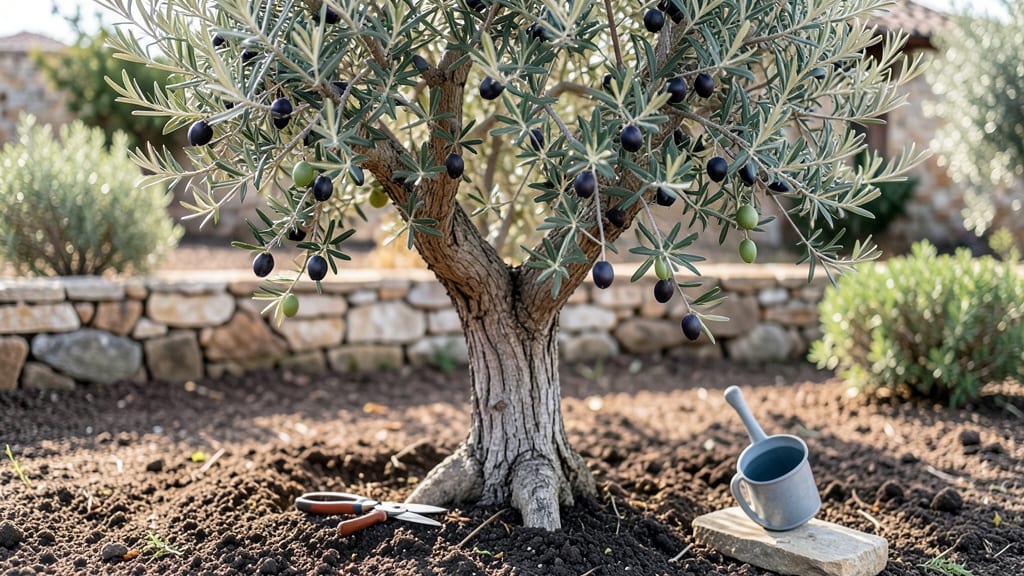
Creating an olive tree garden transforms your yard into a sun-drenched Mediterranean escape—where silver-green foliage and fragrant blossoms become the stars of your outdoor space. 🌿 I’ve designed these gardens for years, and the secret lies in pairing olives with the right companions, arranging them for both beauty and practicality, and adapting the classic look to modern tastes.
The foundation starts with well-draining soil and full sun exposure—olives thrive where other plants might struggle. Mix in drought-tolerant perennials like lavender, rosemary, or thyme to mirror the natural Mediterranean landscape, while adding a modern twist with sleek gravel paths or minimalist planters.
Even in cooler climates, dwarf varieties keep the look lush without the maintenance.
You’ll end up with a garden that’s both productive and stunning: silvery-green canopies providing shade, fragrant blossoms in spring, and the promise of olives by fall. The scent alone—earthy, fresh, and just a little briny—makes it worth every effort.
Plus, the structure of olive trees adds year-round interest, from winter silhouettes to summer shade.
Whether you’re going full Mediterranean or blending olives into a modern design, the key is balance—structure meets softness, evergreen meets seasonal blooms. Let’s make your garden the envy of the neighborhood while keeping it functional and low-maintenance.
📚 In This Guide
- What you need
- Instructions
- Tips and common mistakes
- Wrapping up and next steps
What you need
- ● Olive tree saplings: 3–5 (choose cold-hardy varieties like Arbequina or Frantoio for beginners).
- ● Well-draining soil: 5–10 cubic yards (amend with sand or gravel if clay-heavy).
- ● Compost: 2–3 bags (for nutrient-rich planting holes).
- ● Mulch: 1–2 bags (wood chips or straw to retain moisture).
- ● Drip irrigation system: 50–100 ft. tubing + emitters (olives hate soggy roots!).
- ● Stakes & ties: 4–6 wooden stakes + soft fabric ties (for young trees).
- ● Pruning shears: Bypass-style (sharp and clean for cuts).
- ● Shovel & trowel: For digging holes (12" wide/deep per sapling).
- ● Wheelbarrow: For hauling soil/compost.
- ● Garden hose: With adjustable nozzle for watering.
- ○ pH testing kit: (Optional but helpful—olives thrive at 6.0–8.0 pH).
- ● Glove & hat: Sun protection for hands and head!
- ● Sunlight: Full sun (6+ hours/day) in a sheltered spot (avoid frost pockets).
- ● Space: 15–20 ft. spacing between trees (they grow wide!).
- ● Water access: Drip system or soaker hose nearby.
- ● Patience: Olives take 3–5 years to bear fruit (but the journey’s worth it!).
Step-by-step guide to creating your olive tree garden
Designing a Mediterranean-inspired olive tree garden brings timeless elegance and drought-resistant beauty to your landscape.
🌱 Step 1: Select and Prepare Planting Sites
Olive trees thrive in full sun—choose locations receiving at least 6-8 hours of direct sunlight daily. Their native Mediterranean climate means they tolerate dry conditions once established, but young trees need consistent moisture. I always test soil drainage by digging a 12-inch hole and filling it with water; if it doesn’t drain within 4-6 hours, amend with 2-3 inches of coarse sand or gravel to improve aeration.
For 4 trees, space them 15-20 feet apart to allow mature canopies to spread without overcrowding. If planting in containers, select pots at least 24 inches in diameter with drainage holes—olives hate soggy roots. The key is replicating their natural habitat: well-draining soil, full sun, and minimal competition.
☀️ Step 2: Plant with Proper Technique and Mulch
Dig a hole twice as wide as the root ball but no deeper—planting too deep suffocates roots. Gently loosen the root ball if roots are circling, then place the tree so the top of the root ball sits 1-2 inches above ground level. This prevents waterlogging during heavy rains. Backfill with native soil, tamping lightly every 4 inches to eliminate air pockets.
Spread 2-3 inches of organic mulch (like wood chips or straw) around the base, keeping it 6 inches away from the trunk to prevent rot. Mulch conserves moisture and regulates soil temperature—critical during hot summers. Water deeply immediately after planting to settle the soil and encourage root contact.
💧 Step 3: Establish a Watering Routine for Healthy Growth
Newly planted olive trees need deep watering once or twice weekly for the first 6 months, ensuring moisture reaches 12 inches deep. You’ll know it’s enough when water drains from the bottom of the hole. After establishment, reduce to every 2-3 weeks unless experiencing extreme drought. Overwatering is the fastest way to kill an olive tree—always let the soil dry between waterings.
For container-grown trees, check soil moisture daily during the first month. If the top 2 inches feel dry, water thoroughly until it drains from the bottom. In containers, roots can dry out quickly, so monitor closely. Fertilize lightly in spring and fall with a balanced 10-10-10 formula to support growth without encouraging excessive foliage.
✂️ Step 4: Prune for Shape and Fruit Production
Prune olive trees in late winter or early spring before new growth begins. Remove dead, diseased, or crossing branches first, then thin out 1/3 of the oldest wood to encourage new growth and fruit production. I always shape trees to an open vase form, allowing sunlight to penetrate the canopy—this prevents fungal issues and improves air circulation.
Never prune more than 25% of the tree in one season, or you’ll stress it. Use sterilized pruning shears to make clean cuts just outside the branch collar. For young trees, focus on removing suckers (shoots growing from the base) to direct energy upward. This step ensures your olive trees stay healthy, productive, and visually stunning for decades.
🪴 Step 5: Protect and Maintain Year-Round
Olive trees are remarkably hardy but benefit from winter protection in colder climates. Wrap young trees in burlap during frost-prone months and avoid heavy mulch in winter—it can retain too much moisture. In summer, watch for spider mites (common in dry heat) and treat with neem oil if you spot webbing on leaves.
Harvest olives in fall when they turn dark purple—pick them by hand for the best flavor. If you’re not using them immediately, cure in a brine solution or dry for oil. Regularly inspect for scale insects or aphids, and blast off with water if detected early. With proper care, your olive trees will reward you with silver-green foliage, gnarled beauty, and delicious fruit for generations.
Tips & tricks for perfect olive tree garden
Creating a thriving olive tree garden takes more than just planting—it's about mimicking their Mediterranean roots with precision. These insights will help you avoid common pitfalls and achieve that authentic, sun-drenched beauty.
Sunlight Strategy: While the instructions call for 6-8 hours of direct sunlight, I've found that positioning trees slightly west-facing captures the afternoon sun's warmth for an extra 1-2 hours without overheating. In urban areas with limited space, consider using reflective surfaces like light-colored walls or pavers to bounce sunlight onto the trees. This extra light boosts fruit production and maintains that signature olive green foliage.
Drainage Test Hack: The 4-6 hour drainage test is critical, but I've learned to add a visual cue: if water disappears from the hole within 2 hours, your soil drains too quickly and needs organic matter to retain moisture. For containers, I always add a 2-inch layer of expanded clay pebbles at the bottom before the soil mix—this creates a permanent drainage layer that prevents root rot while still allowing excess water to escape.
Mulch Mastery: When applying the 2-3 inches of organic mulch, I recommend using a mix of wood chips and straw—wood chips provide long-term moisture retention while straw offers immediate temperature regulation. The key is to refresh the mulch layer every spring, as decomposed mulch can compact and reduce aeration. I also create a slight depression around the trunk to direct water away from the base during heavy rains.
Pruning Precision: In Step 4, when removing 1/3 of the oldest wood, I focus on branches that are at least pencil-thick—these are the ones that won't regrow. For young trees, I make my cuts just above outward-facing buds to encourage new growth in the right direction. Sterilizing your tools between cuts is non-negotiable; I dip my pruning shears in rubbing alcohol after every 3-4 cuts to prevent disease spread.
Pro Tips for Olive Tree Garden
- Creating a thriving olive tree garden takes more than just planting—it's about mimicking their Mediterranean roots with precision.
- Sunlight Strategy: While the instructions call for 6-8 hours of direct sunlight, I've found that positioning trees slightly west-facing captures the afternoon sun's warmth for an extra 1-2 hours without overheating.
- For containers, I always add a 2-inch layer of expanded clay pebbles at the bottom before the soil mix—this creates a permanent drainage layer that prevents root rot while still allowing excess water to escape.
Frequently asked questions
Got questions about creating your own olive tree garden? You’re not alone! Here are some of the most common queries—plus straightforward answers to help you grow with confidence.
How long does it take for an olive tree to bear fruit?
Olive trees are patient but rewarding! Most varieties take 3–5 years to produce fruit after planting, though some dwarf or container-grown trees may fruit in as little as 2 years. Patience is key—focus on healthy growth first, and you’ll enjoy olives in no time.
Can olive trees survive winter in cold climates?
While olive trees thrive in Mediterranean climates, they’re surprisingly resilient. Young trees need protection (mulch, frost cloth) in zones below USDA Zone 8. Mature trees can handle brief dips to 15°F, but extreme cold may damage leaves or fruit. Choose cold-hardy varieties like Arbequina or Frantoio for better chances.
How often should I water an olive tree garden?
Olive trees are drought-tolerant once established, but young trees need deep watering 1–2 times per week during their first year. After that, water every 2–3 weeks (or less in rain-rich areas). Overwatering is worse than underwatering—let the soil dry out between waterings to prevent root rot.
What are some low-maintenance alternatives to traditional olive trees?
If you love the look but want less upkeep, consider these olive tree garden friends:
- Dwarf olive trees (e.g., Arbequina): Compact, fruit-bearing, and perfect for containers.
- Olive wood shrubs (like Osmanthus): Fragrant, evergreen, and pest-resistant.
- Bay laurel trees: Hardy, aromatic, and great for cooking—plus, they’re deer-resistant!
What pests should I watch for in an olive tree garden?
Olive trees are generally pest-resistant, but keep an eye out for:
- Olive fruit fly: Trap with pheromone lures or use neem oil if spotted.
- Scale insects: Wipe off with soapy water or introduce ladybugs for natural control.
- Root-knot nematodes: Improve drainage and rotate crops if soil is infested.
Prevention is easier than treatment—inspect leaves and soil regularly!
Wrapping up and next steps
Creating your own olive tree garden is a rewarding journey that brings the timeless charm of the Mediterranean into your space. Whether you're drawn to their silvery-green foliage, fragrant blossoms, or the promise of homegrown olives, this garden offers year-round beauty and practical benefits.
With the right tools, patience, and care, you’ll cultivate not just a garden, but a thriving piece of Mediterranean paradise.
Ready to take the next step? Start small—plant a single olive tree or expand with a full garden. Research local climate needs and gather your supplies, then dive in! Your olive tree garden awaits, promising sunshine, scent, and satisfaction for years to come. 🌿✨