Trees
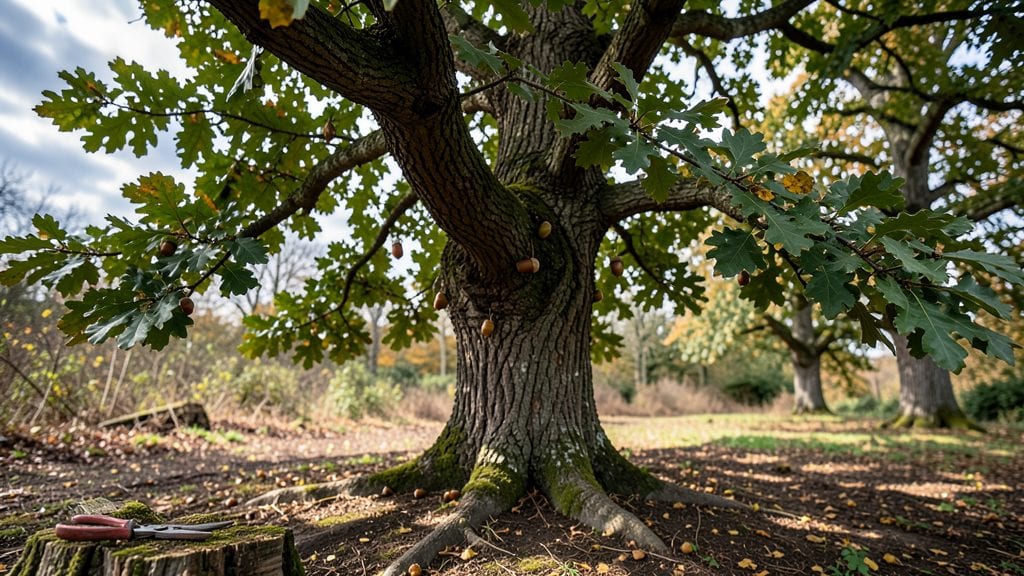
Planting an oak tree with large acorns means decades of shade, wildlife support, and that satisfying crunch of a fresh harvest. 🌳 I still remember the first time I spotted a bur oak’s massive acorns—nearly an inch long—and knew I’d found a tree that does it all: beauty, food, and legacy.
The right variety transforms any yard into a mini-forest ecosystem, but getting it right starts with choosing between white oak for durability or bur oak for cold resistance.
These giants thrive in full sun and well-draining soil, but they’re patient—give them space (60+ feet apart) and time (10+ years for full canopy). The secret to large acorns? Consistent moisture during their first few years, then minimal fuss afterward.
My bur oak now drops acorns so big they feed squirrels, jays, and even deer—plus, the wood is rot-resistant for furniture or flooring. That’s the oak trifecta: food, function, and flair.
You’ll love the way mature oaks frame your property, their deep roots stabilizing soil and their branches hosting entire ecosystems. The trade-off? They’re slow starters, so plan ahead. But once established, they outlive us all—some live 600 years—and their acorns become a yearly harvest (and a wildlife magnet).
The first big acorn drop feels like winning the lottery for any gardener.
Common challenges? Oak wilt disease and acorn weevils, but prevention is simple: prune in late winter, remove infected branches immediately, and collect acorns early. With the right care, your oak will reward you for generations—not just with shade, but with a harvest that feeds more than just your garden.
Ready to plant a legacy?
📚 In This Guide
- What you need
- Instructions
- Tips and common mistakes
- Wrapping up and next steps
What you need
- ● Garden Gloves (2 pairs): Heavy-duty, water-resistant gloves to protect your hands while handling tools and acorns.
- ● Pruning Shears (1 pair): Sharp, bypass-pruning shears (8-10 inch blades) for trimming branches safely.
- ● Loppers (1 pair): For thicker branches (up to 2 inches in diameter). Look for ratcheting loppers for extra leverage.
- ○ Felling Saw or Chainsaw (optional): If you’re removing large branches or thinning the tree—only for experienced users!
- ● Ladder (1): Extendable aluminum ladder (16-20 feet) for reaching higher branches. Ensure it’s rated for your weight.
- ● Tarps or Drop Cloths (2-3): Heavy-duty tarps (10x12 feet) to collect fallen acorns or protect the ground during cleanup.
- ● Garden Rake (1): A sturdy, wide-tooth rake (24-36 inches) for gathering acorns and debris.
- ● Wheelbarrow or Large Bucket (1): For hauling acorns or pruned branches. A 3-cubic-foot wheelbarrow works well.
- ● Watering Can or Hose (1): With a gentle spray nozzle for post-pruning hydration.
- ● Tree Wrap or Pruning Sealant: To protect wounds on the oak tree from pests or disease.
- ● Safety Goggles: For eye protection when handling tools or debris.
- ● Acorn Storage Bags: Mesh bags (5-gallon capacity) for drying and storing acorns.
- ● Soil pH Test Kit: If you’re planting new oak saplings, test the soil to ensure optimal growing conditions.
- ● First Aid Kit: Just in case—because safety first! 🚑
Step-by-Step guide to growing a mighty oak tree with large acorns
Here's how to nurture a majestic oak with bountiful acorns—nature's most rewarding long-term project.
🌱 Step 1: Select and Prepare the Right Acorn Seed
Not all acorns grow into mighty oaks—choose bur oak or white oak varieties, known for their large, nutrient-rich acorns. Collect acorns in late fall when they've fully matured but haven't yet sprouted. Look for plump, heavy acorns with thick, unblemished shells—these hold the best genetic potential.
To test viability, fill a glass with water and drop in 10 acorns. After 24 hours, sinkers are viable; floaters are discarded. Store approved acorns in a moist paper towel inside a sealed plastic bag in the fridge for 3-6 months to break dormancy. This cold stratification mimics winter conditions and boosts germination rates significantly.
🪴 Step 2: Plant Acorns in Ideal Growing Conditions
Fill 4-inch deep nursery pots with a mix of equal parts potting soil and perlite—this ensures excellent drainage while retaining moisture. Plant 2-3 acorns per pot at a depth of 1 inch, spacing them 1 inch apart. Press gently but firmly to ensure good soil contact, which prevents drying out during germination.
Place pots in a bright, indirect light location (like a north-facing window) where temperatures stay between 65-75°F. Keep the soil consistently moist—not soggy, but never dry. A humidity dome or plastic wrap helps maintain even moisture until sprouts appear in 4-8 weeks. Real talk: Patience is key here—some acorns take longer to break dormancy.
☀️ Step 3: Transplant Seedlings to a Permanent Location
Once seedlings reach 6-12 inches tall with 3-4 sets of true leaves, they're ready for outdoor planting. Choose a sunny location with full sun exposure (at least 6-8 hours daily) and well-draining soil. Oaks thrive in slightly acidic to neutral soil (pH 5.5-7.0), so test your soil before planting.
Dig a hole twice as wide as the root ball but only as deep—burying too deep can suffocate the roots. Gently remove the seedling from its pot, loosen any circling roots, and place it in the hole. Backfill with native soil, tamp lightly, and water deeply to eliminate air pockets. Mulch with 2-3 inches of wood chips to retain moisture and suppress weeds.
⏰ Step 4: Maintain Growth for a Mighty Canopy
Young oaks need regular watering—1-2 inches per week during the first 2 growing seasons. Water deeply once weekly (more in extreme heat) and avoid overhead sprinkling to prevent fungal diseases. Fertilize lightly in early spring with a balanced 10-10-10 fertilizer—too much nitrogen promotes leafy growth at the expense of root development.
Prune only to remove dead, diseased, or crossing branches in late winter. Avoid heavy pruning, as oaks heal slowly. By year 5, your tree should show strong vertical growth and emerging acorn buds. This is when you'll start seeing the large, iconic acorns—a reward for decades of patience.
🌿 Step 5: Encourage Acorn Production in Mature Trees
Oaks typically produce acorns every 2-5 years, with peak production around age 20-30. To encourage healthy acorn crops, ensure your tree gets full sun and deep watering during dry spells. Avoid over-fertilizing—oaks are deep-rooted and prefer low-maintenance conditions. If your tree is in an urban area, consider pollination support by planting a second oak variety nearby.
Harvest acorns in late fall when they've fallen naturally. Spread them on a tarp to dry for 1-2 weeks before storing in a cool, dry place. These acorns can be replanted or used for wildlife feeding, crafts, or even roasted snacks—just remember to leach tannins first by boiling them for 20 minutes before eating.
Tips & tricks for growing mighty oak trees with large acorns
Here's what I've learned from years of growing oak trees—these tricks will help you skip the common pitfalls and set your tree up for success.
Acorn Selection Matters: When collecting acorns in Step 1, look for those that are plump and heavy for their size—these are the ones with the best genetic potential. I've found that bur oak acorns often produce larger nuts than other varieties. Confession: I skipped this step for years and wondered why my trees never produced good acorns!
Cold Stratification Secret: Don't rush the 3-6 month cold stratification in Step 1. This mimics winter conditions and breaks dormancy more effectively than any shortcut. I learned this the hard way after trying to speed up germination—patience pays off here. Store your acorns in a sealed bag with a moist paper towel to maintain consistent moisture during stratification.
Transplanting Timing: In Step 3, watch for those 3-4 sets of true leaves before transplanting—this means your seedling has developed enough root system to handle the move. I've seen seedlings transplant too early and struggle to recover. Choose a sunny spot with at least 6-8 hours of direct sunlight daily, as this is crucial for strong growth and future acorn production.
Watering Wisdom: During the first two growing seasons in Step 4, deep watering once weekly is key. I've noticed that oak seedlings can handle dry spells better than many other trees, but consistent moisture during their early years leads to stronger root development. Avoid overhead watering to prevent fungal diseases that can harm young leaves.
Pro Tips for Oak Tree With Large Acorns
- Here's what I've learned from years of growing oak trees—these tricks will help you skip the common pitfalls and set your tree up for success.
- Acorn Selection Matters: When collecting acorns in Step 1, look for those that are plump and heavy for their size—these are the ones with the best genetic potential.
- Cold Stratification Secret: Don't rush the 3-6 month cold stratification in Step 1.
Frequently asked questions
Got questions about those majestic oak trees with large acorns? You’re not alone! Whether you’re curious about their growth, uses, or quirks, here are some of the most common queries—answered for you.
Why do some oak trees produce bigger acorns than others?
Acorn size varies by oak species and tree health. White oaks (like bur oaks) often yield larger acorns than red oaks. Factors like soil quality, water access, and age also play a role—older, well-nourished trees tend to produce bigger nuts. Pro tip: Healthy trees with plenty of sunlight and space grow the most impressive acorns!
When is the best time to harvest acorns from an oak tree?
Harvest acorns in late fall (October–November) when they’ve fallen naturally but haven’t rotted or sprouted. Avoid green acorns—they’re bitter and toxic! Let them dry for a few days in a warm, dry place before processing. Warning: Wear gloves; oak tannins can stain skin.
Can I plant acorns from my yard to grow a new oak tree?
Yes! But success depends on stratification—mimicking winter conditions. Soak acorns in water for 24 hours, then refrigerate them in a damp medium (like peat moss) for 6–8 weeks. Plant them ½ inch deep in well-draining soil in spring. Patience is key—germination can take months!
Are large acorns safe for squirrels, deer, and other wildlife?
Large acorns are a nutrient-rich food source for wildlife. Squirrels and deer love them, while birds (like jays) cache them for winter. Just ensure the tree isn’t sprayed with pesticides—chemicals can harm local ecosystems.
What should I do if my oak tree isn’t producing acorns?
Several factors could be at play: age (young trees <10 years old may not produce acorns), stress (drought or poor soil), or pests/disease. Check for signs like yellowing leaves or holes in bark. Improve soil health, water consistently, and consult a local arborist if issues persist.
Bonus Tip: How can I tell if an acorn is from a white oak vs. a red oak?
Easy! White oak acorns have a rounded cap and a sweeter, less bitter taste. Red oak acorns have a pointy cap and are bitter (needs leaching to eat). Press the cap—if it snaps off cleanly, it’s likely a white oak!
Wrapping up and next steps
From their towering canopies to their nutrient-rich acorns, oak trees are nature’s powerhouses—offering shade, wildlife support, and even edible treasures if you know how to harvest them safely. Whether you’re a gardener, forager, or simply an admirer of nature’s giants, these majestic trees provide endless benefits and inspiration. 🌳
Now that you’re equipped with the knowledge to identify, care for, and even enjoy their bounty, why not take the next step? Plant an oak tree in your yard, join a local conservation effort, or explore foraging in your area—your green thumb (or curiosity!) will thank you.
The future of these mighty trees starts with you!