
Pruning
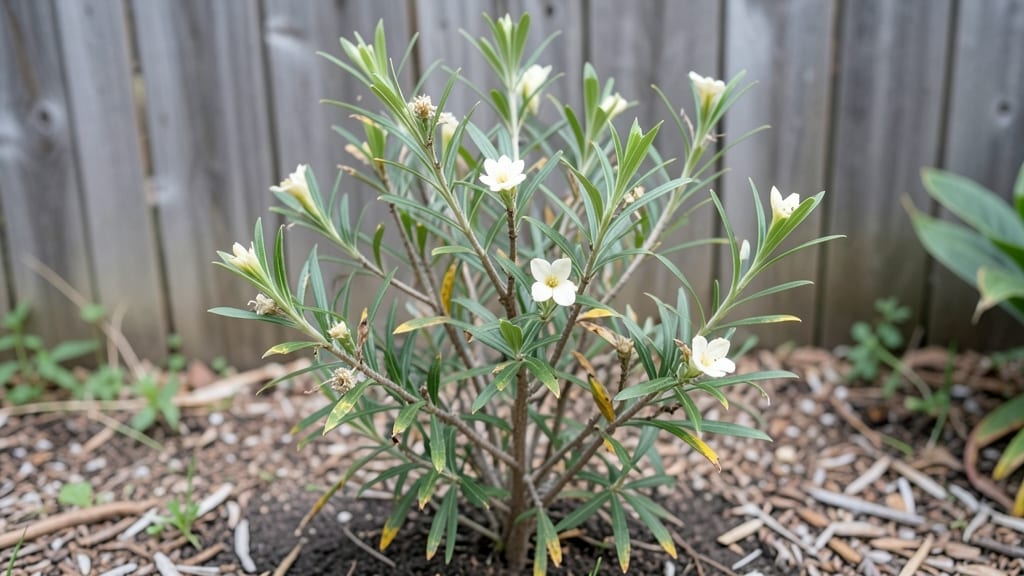
Growing New Zealand tea tree (Leptospermum scoparium) in the Pacific Northwest means you get a hardy, fragrant evergreen that thrives where many shrubs fail.
I’ve pruned mine for years, and the secret isn’t just timing—it’s understanding how this plant naturally responds to our damp, mild winters and sunny summers. The key? Light shaping in late winter and aggressive renewal pruning every few years to keep it bushy and blooming.
This shrub loves well-draining soil and full sun to partial shade, making it perfect for coastal gardens or rainier inland spots. Water it deeply once established, but avoid soggy roots—tea trees hate "wet feet."
Pruning isn’t just about aesthetics; it encourages year-round growth and those signature white flowers that hummingbirds adore. Start with clean cuts to remove dead wood, then shape it like a rounded dome for that classic manuka look.
By summer, you’ll see glossy new leaves and clusters of tiny white blooms, followed by seed pods that add texture. The fragrance alone—earthy, slightly citrusy—makes it worth growing. Even better? It’s drought-tolerant once established and resists most pests, so once you get the hang of pruning, it’s almost foolproof.
For Pacific Northwest gardeners, the real magic happens in how it handles our mild winters—no need for winter protection, and it keeps its leaves all year.
Whether you’re using it as a hedge, a specimen plant, or even a fragrant border, this shrub delivers low-maintenance beauty with minimal effort after the initial setup. Ready to shape yours?
📚 In This Guide
- What you need
- Instructions
- Tips and common mistakes
- Wrapping up and next steps
What you need
- ● Healthy New Zealand tea tree seedlings or cuttings: 2–3 plants (for spacing and pruning practice)
- ● Ensure they’re disease-free and locally sourced (PNW-friendly varieties preferred)
- ● Pruning tools: 1 pair of sharp, sterilized bypass pruners (for clean cuts)
- ● 1 small hand saw (for thicker branches, if needed)
- ● Garden gloves: 1 pair of cut-resistant gloves (to protect hands from thorns)
- ○ Pruning sealant: 1 small bottle of tree wound sealant (optional but recommended for large cuts)
- ● Well-draining soil mix: 50% native PNW soil + 50% perlite or sand (for aeration)
- ● Mulch: 2–3 inches of organic mulch (wood chips or bark)
- ● 1 spray bottle (for misting new cuttings)
- ● 1 fertilizer (balanced 10-10-10 or slow-release organic option)
- ● 1 pH testing kit (to ensure soil is slightly acidic, pH 5.5–6.5)
- ● 1 stake or support (for young trees in windy PNW areas)
Instructions for planting and pruning New Zealand tea tree in the Pacific Northwest
This hardy evergreen thrives with minimal fuss—here’s how to establish it for year-round lushness.
Select and Prepare the Planting Site
The New Zealand tea tree (Leptospermum scoparium) loves well-draining soil and partial shade to full sun, making it perfect for the Pacific Northwest’s mild, wet climate. Choose a spot with 6 hours of sunlight daily—morning sun and afternoon shade works best in hotter inland areas. Avoid low-lying spots where cold air pools, as these trees dislike soggy roots.
Test your soil by squeezing a handful—if it clumps tightly when dry, amend with 2-3 inches of compost or sand to improve drainage. The ideal soil pH is 5.5-7.0, which most Pacific Northwest soils naturally provide. Dig a hole twice as wide as the root ball but only as deep—planting too deep suffocates roots.
Plant with Proper Spacing and Mulch
Space multiple tea trees 6-8 feet apart to allow airflow and future growth. Remove the plant from its container and gently loosen the roots if they’re circling. Place it in the hole so the top of the root ball sits level with the ground—burying the stem crown too deep causes rot.
Backfill with native soil, pressing lightly to eliminate air pockets. Water deeply to settle the soil, then apply 2-3 inches of organic mulch (like bark or wood chips) around the base, keeping it 6 inches away from the trunk. Mulch conserves moisture and regulates soil temperature, which is critical during the PNW’s cool, damp winters.
Establish a Pruning Routine for Year-Round Growth
Prune twice yearly—once in early spring (before new growth) and again in late summer (after flowering). Start by removing dead, crossing, or diseased branches with clean, sharp pruners. Cut just outside the branch collar to avoid damaging the tree. This keeps the tree open and airy, reducing fungal risks in the PNW’s humid climate.
Shape the tree by trimming back overgrown branches to half their length in late summer. Avoid heavy pruning in fall or winter, as new growth won’t harden off before cold snaps. After pruning, apply a balanced fertilizer (10-10-10) in early spring to support new foliage—tea trees respond well to light feeding but don’t overdo it, as they’re naturally low-maintenance.
Water and Monitor for Pacific Northwest-Specific Care
Water deeply once a week during the first growing season, ensuring the soil is moist 6 inches down. Once established, tea trees are drought-tolerant but still appreciate 1 inch of water weekly during dry spells. Check soil moisture by inserting your finger—if it feels dry at 1 inch deep, it’s time to water. Overwatering in winter can lead to root rot, so reduce frequency in rainy seasons.
Watch for aphids or scale insects, common in the PNW’s mild climate. Spray infested branches with neem oil or a soapy water solution (1 tablespoon mild soap per gallon of water) for a natural remedy. Tea trees rarely suffer from pests, but their new growth is tender—protect young plants with row covers if heavy rain or wind is forecasted.
Winterize for Pacific Northwest Resilience
The New Zealand tea tree is cold-hardy to USDA Zone 7, making it ideal for the PNW’s winters. However, young trees benefit from light protection during harsh freezes. Wrap the trunk with burlap or tree guard to prevent sunscald in winter. Avoid heavy mulching in late fall—stick to 1-2 inches to allow soil to breathe and prevent moisture buildup.
Prune out any brown or damaged branches in early spring as new growth emerges. This encourages vibrant foliage and maintains the tree’s natural shape. With minimal intervention, your tea tree will reward you with year-round greenery, fragrant flowers in summer, and minimal pest issues—perfect for the Pacific Northwest’s climate.
Tips & tricks for perfect New Zealand tea tree growth in the Pacific Northwest
These practical insights will help you cultivate a thriving New Zealand tea tree that adapts beautifully to the Pacific Northwest's unique climate.
Soil Preparation: When amending your soil with the recommended 2-3 inches of compost or sand, mix it thoroughly with the native soil rather than creating a separate layer. This ensures even moisture distribution and prevents compaction. I've found that adding a handful of perlite to the mix further improves drainage, especially in heavier clay soils common in the PNW. This small adjustment can make the difference between a struggling plant and one that thrives.
Pruning Precision: During your twice-yearly pruning sessions, focus on maintaining an open canopy by removing branches that grow inward or cross each other. In Step 3, when shaping the tree, aim to create a natural, rounded silhouette rather than a formal shape. Tea trees respond well to this organic approach, which also encourages better airflow and reduces the risk of fungal issues in our humid climate. Remember, you're not just pruning for aesthetics—you're promoting the tree's long-term health.
Watering Wisdom: The 6 inches deep moisture guideline in Step 4 is crucial, but don't rely solely on the clock. The Pacific Northwest's unpredictable weather means you should always check soil moisture before watering. In particularly rainy seasons, you might need to reduce your watering frequency to prevent root rot. I've learned the hard way that overwatering in winter can be just as damaging as underwatering in summer—both extremes stress the tree.
Seasonal Adaptations: For young trees in particularly harsh winters, consider adding a layer of straw mulch (in addition to the recommended 1-2 inches) around the base during the coldest months. This extra insulation helps protect the roots from temperature fluctuations. In Step 5, when wrapping the trunk, make sure the protective material doesn't touch the bark directly—leave a small gap to prevent moisture buildup that could lead to rot.
Pro Tips for New Zealand Tea Tree
- These practical insights will help you cultivate a thriving New Zealand tea tree that adapts beautifully to the Pacific Northwest's unique climate.
- Soil Preparation: When amending your soil with the recommended 2-3 inches of compost or sand, mix it thoroughly with the native soil rather than creating a separate layer.
- Pruning Precision: During your twice-yearly pruning sessions, focus on maintaining an open canopy by removing branches that grow inward or cross each other.
Frequently asked questions
Got questions about growing New Zealand tea tree (Leptospermum scoparium) in the Pacific Northwest? Here are some common ones—and their answers—to help you prune like a pro!
When is the best time to prune New Zealand tea tree?
The ideal time to prune is late winter or early spring (February–March), just before new growth begins. This timing promotes healthy regrowth and avoids stressing the plant during dormancy. Light trimming can also be done in summer to shape the plant, but avoid heavy pruning then.
How much can I trim back without harming the plant?
You can safely trim back up to one-third of the plant’s height in a single session. For mature trees, aim for 15–20% annual reduction to maintain shape and encourage bushiness. Over-pruning can stress the plant, so avoid drastic cuts unless rejuvenating an overgrown specimen.
Does New Zealand tea tree need special care after pruning?
After pruning, water deeply to help the plant recover, especially in dry PNW summers. Avoid fertilizing immediately—wait 4–6 weeks to let fresh cuts heal. Mulch around the base to retain moisture and protect roots from temperature swings.
What should I do if my tea tree develops yellow leaves after pruning?
Yellow leaves can signal over-pruning, nutrient deficiency, or fungal stress. If the issue persists, check for pests (like scale) or root rot. Adjust care by reducing pruning intensity, applying a balanced fertilizer, and ensuring well-draining soil. Most trees bounce back with proper recovery time.
Can I use tea tree leaves for medicinal purposes like tea tree oil?
While New Zealand tea tree (Leptospermum) is related to Melaleuca alternifolia (the source of commercial tea tree oil), its leaves contain different compounds. For medicinal use, stick to 100% pure Melaleuca oil—never extract oil from garden plants. If you love the scent, enjoy the foliage as an ornamental!
Wrapping up and next steps
Growing New Zealand tea tree in the Pacific Northwest is totally doable—even for beginners! With the right pruning techniques and a little patience, you’ll enjoy lush, year-round greenery that thrives in your climate. Remember, consistent care and seasonal adjustments are key to keeping your tea tree healthy and vibrant.
Ready to take the next step? Start small—try pruning just one branch at a time to build your confidence. Then, expand your skills by experimenting with shaping or even propagating cuttings. Your garden (and future tea tree fans!) will thank you. 🌿✨